
 Written by
 Article written in partnership with Nova Pride Association.
In a recent study, Portuguese workers were deemed to be the most at risk of a burnout in the European Union. Based on variables such as the World Happiness Index, work hours, and disposable income, the study finds that employees might be facing a decline in mental health due to being overworked, underpaid, and therefore, less secure. Many companies are now trying to promote strategies for recognising symptoms and avoiding amounting stress. However, concerns over mental health have not been limited to the workplace. They have become increasingly present around university campuses as well, particularly in the wake of the COVID-19 pandemic. Due to lockdown-induced isolation and urgent shifts in teaching strategies, the crisis revealed the global need for better systems to support students and staff.
Overall, the risk of burnout appears to have increased for both workers and those studying to join the workforce, which prompts us to examine the underlying factors contributing to this trend. It is important to acknowledge that burnout can be a pervasive issue, but it may affect individuals differently due to intersectional factors. These factors can range from industry-related challenges to more personal factors such as individual identity. This article will thus focus on the relationship between students and burnout, while zooming in on the unique challenges of business schools, as well as uncovering the vulnerabilities of those who experience minority stress.
What is Burnout and How Does It Impact College Students?
In the whirlwind of college life, where lectures, exams, and social activities often blur into one, it is not uncommon for students to find themselves overwhelmed. For freshmen and those studying abroad, the first few months can be especially challenging. “Should I already start studying to keep up with this scary way of doing algebra? Or should I have a coffee date with this classmate?” You will quickly feel like you are spreading yourself thin, and without noticing, the rush begins to take its toll.
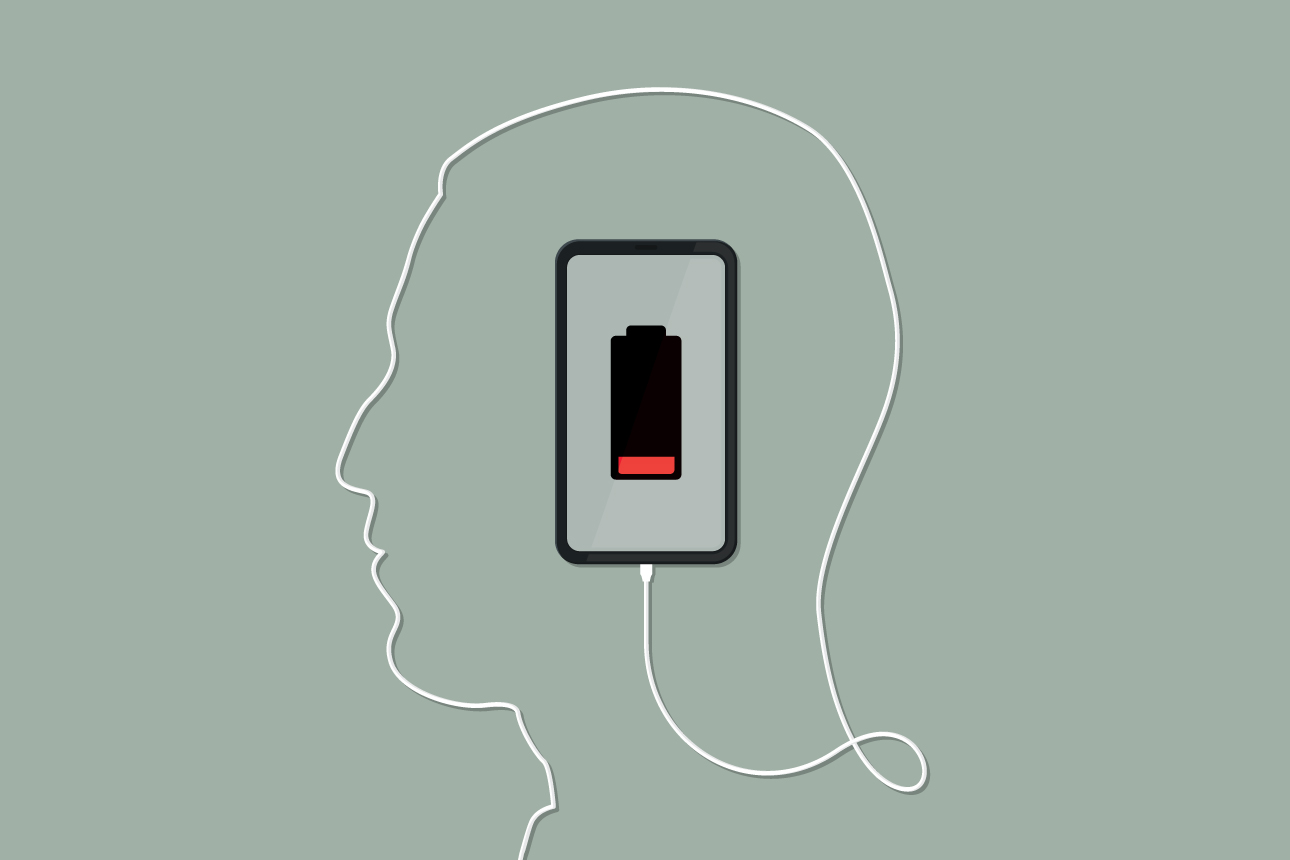
This sensation of chronic stress and exhaustion, emblematic of the modern college experience, is none other than burnout. Burnout, a term gaining increased recognition, is more than just feeling tired; it is a complex mental health issue that can profoundly affect the well-being of students.
Defining Burnout: Burnout, in essence, is a state of prolonged and chronic emotional, physical, and mental exhaustion resulting from the relentless pressure of academic demands and other stressors. It is the feeling of being pushed beyond your limits, where enthusiasm and motivation wane, replaced by a persistent sense of depletion. Burnout is not a one-time experience; it is a slow burn, gradually intensifying over time.
Causes and Symptoms: There are a myriad of factors that can trigger burnout. For college students, heavy workloads to social pressures are the most common factors. Academic demands, deadlines, and the constant presence of social media platforms like LinkedIn, which can be distracting and trigger feelings of inadequacy, contribute to emotional exhaustion. It’s easy to find yourself struggling to concentrate or dealing with persistent stress. Nevertheless, there are larger factors that can trigger burnout, extending beyond one’s college life.
Amidst the ever-expanding discourse on mental health, it becomes strikingly evident that the universal and historical stigma attached to sharing emotional vulnerability remains an obstacle. Throughout the annals of human history, individuals have grappled with the deeply ingrained fear of appearing weak by baring their inner struggles. This profound apprehension has persisted as an unwelcome companion in our collective journey towards better mental well-being. Still, one can argue that there is a current shift in perspective with Generation Z. As opposed to their predecessors, this generation has demonstrated a greater willingness to embrace their emotional vulnerabilities. This shift is, in part, fuelled by the unprecedented access to information and resources, which has empowered them to overcome, or at least acknowledge, mental health challenges.
Furthermore, stigma can manifest differently in diverse cultural settings. To grasp these variations, it is essential to examine the key social institutions that have shaped the social fabric of each culture. Social institutions are often the strongest determinants of stigma because they are responsible for defining social norms. In the case of Portugal, the profound influence of Catholicism has significantly shaped the local cultural landscape. While the formal teachings of Catholicism promote compassion towards any ailment, its practices might have the opposite effect, with its deeply ingrained notions of sin, guilt, and divine judgment potentially instilling a sense of fear in one’s relationship with their emotions, potentially prompting individuals to isolate themselves. Such isolation can further fuel the burnout process.
Physically, burnout can manifest as symptoms that may seem like common colds, such as fatigue, sleep problems, and weakened immunity. This similarity to cold symptoms can sometimes lead people to overlook the possibility of burnout. Students experiencing burnout may also become emotionally detached and disengaged, losing the enthusiasm that initially drove their pursuit of higher education.
A Slow Burn: Burnout is not a fleeting bout of stress that you can easily bounce back from. It is a persistent and prolonged condition that, if left unchecked, can stretch on for the duration of your college journey (and even after joining the workforce). It is the cumulative effect of continuous stressors with little relief, like a relentless academic calendar that barely leaves room for a breather. In the academic context, understanding burnout is pivotal for recognizing its onset and taking steps to mitigate its impact. After all, nobody wants their college experience to be remembered solely for exhaustion and disengagement.
Navigating Burnout in the Intense World of Business Schools
Business schools, renowned for shaping the leaders and entrepreneurs of tomorrow, offer a unique academic environment that comes with its own set of pressures. As students and faculty step into this world of high-stakes decisions, the risk of burnout becomes ever more pronounced.
The Pressure Cooker: Business schools are synonymous with competition and high expectations. Students are often driven by their ambition to succeed in the cutthroat business world. The coursework can be relentless, demanding hours of study, group projects, and a thirst for staying ahead of the curve. The pressure to excel in this environment, to be the standout candidate in a highly competitive field, is palpable.
Unique Stressors: Take Nova SBE, for instance, a hub for budding entrepreneurs and future business leaders. Here, the challenges are accentuated. Business students grapple with the daunting prospect of balancing a rigorous academic schedule with internships, networking events, and the aspiration to create the next innovative start-up. At the same time, this cutthroat environment has pushed business schools to also cultivate this pressure. On the surface, it may appear that professors are equipping students for success, but in reality, they might inadvertently perpetuate a harmful and stressful culture.
Unveiling Burnout and Minority Stress: A Struggle Within University Walls
As we unravel the complex reality of burnout within university settings, it is essential to shine a spotlight on an often-overlooked aspect: the profound impact of minority stress. Understanding this concept is critical for comprehending the unique experiences of marginalized groups within academia and, more importantly, for finding ways to alleviate their burnout.
Defining Minority Stress: Minority stress, a chronic form of stress experienced by marginalized or underrepresented groups, can have significant implications for physical health and well-being. It results from the daily challenges, discrimination, and microaggressions faced by minority students and staff at the university, stemming from societal norms that may not fully embrace their identities, whether related to race, gender, sexual orientation, or other aspects. This ongoing stress is closely intertwined with the experiences of minority individuals and can have lasting effects on their physical development and long-term health. Notably, recent research has shown that gay individuals produce lower levels of cortisol, a hormone that aids in stress regulation, compared to their heterosexual counterparts. This lower cortisol production is due to the continuous activation of stress hormones during their adolescence, a time marked by discrimination and its associated challenges. This prolonged hormonal strain can impact the nervous system, potentially leading to health complications and difficulties in managing stress in adulthood, ultimately affecting their overall well-being.
The Burnout Connection: Discrimination, microaggressions, and the lack of representation can act as potent catalysts for burnout among minority students and staff. Imagine being a student who constantly feels like they do not belong, facing subtle (or not-so-subtle) slights, or bearing the weight of expectations linked to their identity. The emotional exhaustion, disengagement, and reduced sense of personal accomplishment hit harder for individuals dealing with the additional burden of minority stress.
Mitigating Minority Stress: To create a truly inclusive academic environment that mitigates minority stress and supports the well-being of all, universities must take proactive steps. Implementing strategies like sensitivity training, diversity, and inclusion initiatives, and providing safe spaces for open dialogue can go a long way in fostering a culture of acceptance. Representation, both in faculty and curricula, can help reduce feelings of isolation and invisibility among minority students. These efforts are not just a matter of political correctness but a vital step in reducing burnout and ensuring that every individual can thrive in the academic landscape.
Coping Strategies for Burnout
As burnout becomes an increasingly prevalent concern in university settings, it’s essential to recognize that there are coping strategies that can help students and staff navigate this challenging terrain.
Mindfulness: Practicing mindfulness techniques can help individuals manage stress and prevent burnout. Techniques like meditation, deep breathing, and yoga can promote relaxation and emotional well-being.
Acceptance: Acknowledging and accepting one’s limitations is crucial. It’s essential to understand that it’s okay to ask for help, take breaks, and seek support when feeling overwhelmed.
Taking Breaks: Regular breaks, both during study and work, are vital. Short breaks can rejuvenate your mind and prevent burnout. Ensure that you make time for leisure activities and relaxation.
Time Management: Effective time management skills can help individuals maintain a healthy balance between academic or work responsibilities and personal life. Prioritizing tasks and setting realistic goals can reduce the pressure that contributes to burnout.
Social Support: Building a strong support network is paramount. Having friends, family, or colleagues to talk to and lean on during challenging times can make a significant difference in managing burnout.
Seeking Professional Help: When burnout symptoms become overwhelming, seeking professional assistance from counsellors or therapists can provide valuable insights and coping strategies.
Conclusion
In our fast-paced academic environment, burnout affects both students and staff, but it’s far from a uniform experience. Factors like individual identity and academic field-specific challenges play significant roles. While we observe a positive shift in society towards open discussions on mental health, particularly among Generation Z, stigma remains a hurdle. It takes different forms in various cultures, often influenced by social institutions. Recognizing unique stressors within academic disciplines like business schools is vital. Additionally, the impact of minority stress cannot be overlooked, making it essential to foster inclusive academic environments.
Addressing burnout necessitates a multifaceted approach, including self-care, strong support systems, and institutional changes. By fostering cultures of acceptance and inclusivity, we can collectively work towards mitigating its impact, allowing both students and staff to thrive in their academic journeys.
Sources
HelpGuide, Huffington Post, Polígrafo, The Seattle Collegian

Miguel Andrade
 theawarenessnews.com