

 Written by
 While jazz became popular in the 1920s, its beginnings actually date back to the early 19th century! A bit before 1820, slaves would gather in the Congo Square, New Orleans, to play music. This was only possible in the state of Louisiana where the Code Noir, a rule book outlining the treatment of slaves, included a clause that allowed some slaves to have a day of rest.
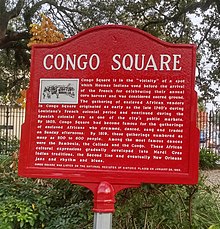
The Congo Square
Over time, New Orleans would become a “melting pot” of culture, partially due to slave trade: African Americans, descendants of slaves from the Caribbean, Creoles and European immigrants were part of the bustling population of the city. This diversity impacted the evolution of music: the blending of African and Caribbean music, slave songs, and church hymns was joined by marching band instruments, very popular during the Civil War, forming the genre known as ragtime. Then, spiritual music joined the mix, followed by the blues. This progressive build up led to the creation of jazz.
The cornetist Buddy Bolden is often considered the first jazz musician: he assembled The Bolden Band, in 1895, that would play at dances and street parades.
Jazz is an extremely unique and colourful genre: it embodies musical freedom. Indeed, some of its characteristics include improvisation, solos, and irregular rhythms spread over many subgenres such as modern and free jazz, bebop and swing.

Ella Fitzgerald
Since jazz initially gained widespread popularity in the US and Europe in the 1920s, many people view this period as the beginning of the Jazz Age. The genre rose during the Roaring Twenties, a time of speakeasies in The Prohibition Era, flappers, and music. Artists and great voices like Louis Armstrong, Duke Ellington, Count Basie and Ella Fitzgerald became famous almost overnight. Subsequently, despite losing its place at the top of the musical pyramid during the Great Depression, jazz has continued to echo throughout time, influencing pop culture, even as new styles and subgenres emerged in music.
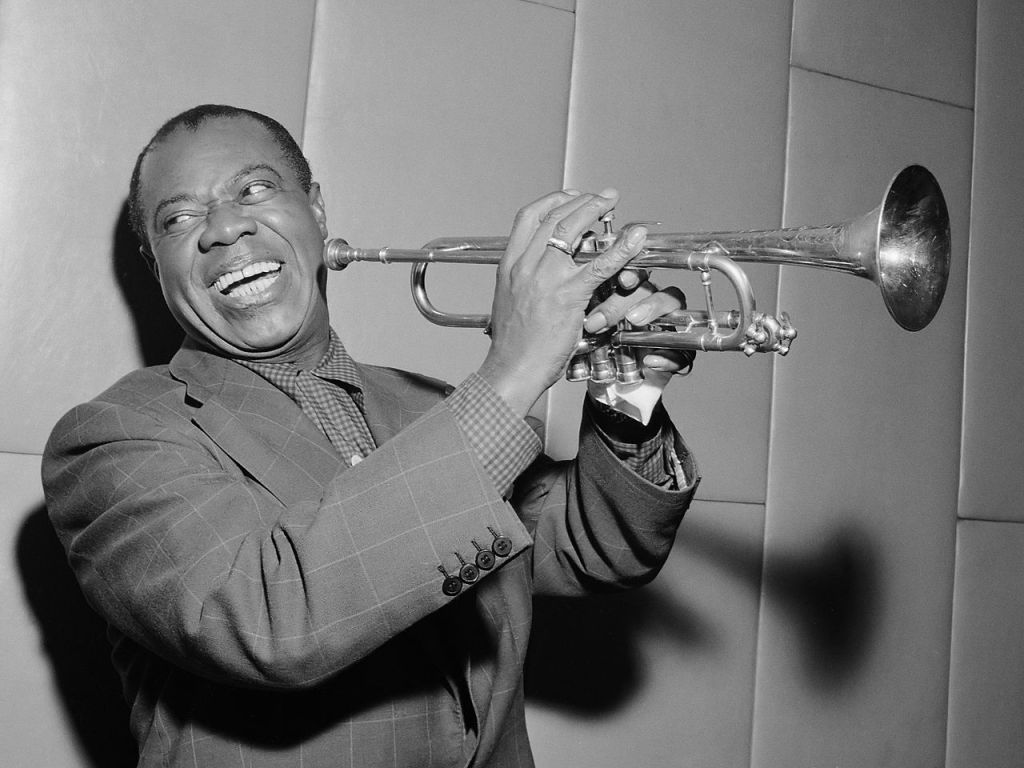
Louis Armstrong
Unfortunately, the genre has become widely associated with background or “elevator” music, undermining its complexity and beauty, which is why it is important to spread its history. Jazz, with its extensive range of sounds, can truly captivate your senses and immerse you in an exquisite musical universe. So, grab your headphones and put on some Louis Armstrong, Chet Baker or Ella Fitzgerald!
Sources: Jazzobserver, The History of Jazz by Ted Giogia

Marta Nascimento
 theawarenessnews.com