
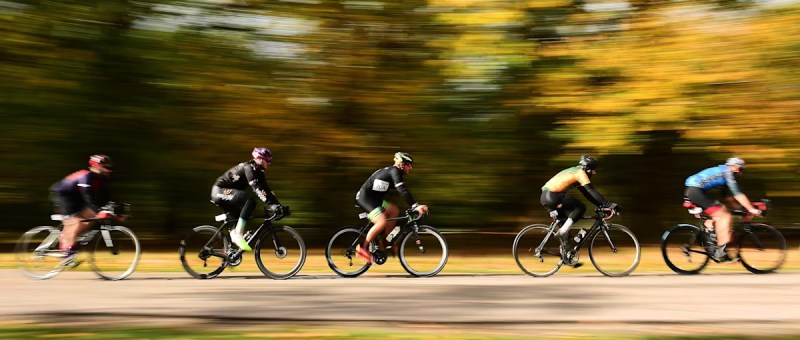
Endurance performance is not determined only by fitness, discipline, or mental strength. It is deeply influenced by what happens inside the body while you sustain effort for long periods of time. During a long run, ride, or swim, your body constantly regulates fluid balance, energy availability, nerve signaling, cardiovascular stability, and temperature control. Every decision about hydration and fueling directly affects these systems. When nutrition is mismanaged, the consequences are not random – they follow clear and predictable biological processes.
Understanding these processes changes the way we approach endurance sports. Instead of guessing what feels right, we can respond to what the body actually requires.
Hydration and Blood Volume: The Foundation of Circulation
The first system challenged during prolonged exercise is circulation. As muscles contract repeatedly, they demand a continuous supply of oxygen. The heart responds by increasing cardiac output – pumping more blood per minute to deliver oxygen and remove metabolic byproducts such as carbon dioxide and hydrogen ions.
Blood plasma is composed largely of water. When you sweat, you lose fluid directly from this plasma volume. As plasma decreases, the blood becomes more concentrated and slightly more viscous. This increases cardiovascular strain. The heart compensates by increasing heart rate to maintain output, even if your pace remains constant. This progressive rise in heart rate over time is known as cardiovascular drift.
Even a 2% loss of body mass from dehydration can impair performance. Reduced plasma volume limits the body’s ability to dissipate heat through sweat and skin blood flow, leading to a rise in core temperature. At the cellular level, dehydration alters osmotic gradients between the intracellular and extracellular spaces. Muscle cells become less efficient at contracting, and metabolic waste accumulates more rapidly.
The brain continuously monitors these changes. Increased plasma osmolality and rising temperature signal physiological stress. Fatigue intensifies not because your muscles have failed, but because your body is initiating protective regulation. Importantly, thirst is a delayed response. By the time you feel thirsty, measurable shifts in blood concentration have already occurred.
Hydration is therefore not simply about comfort. It is about preserving circulatory efficiency and thermoregulation under sustained stress.
Electrolytes: Maintaining the Body’s Electrical Stability
Sweat contains more than water. It carries electrolytes, primarily sodium, along with chloride, potassium, and smaller amounts of magnesium and calcium. Among these, sodium plays the most critical role during endurance exercise.
Every muscle contraction depends on electrical impulses transmitted along nerve membranes. These impulses rely on tightly regulated sodium and potassium gradients maintained by the sodium-potassium pump. When sodium levels drop excessively, nerve transmission becomes less efficient and muscle contraction weakens.
During long events, consuming only plain water can dilute plasma sodium concentration, leading to exercise-associated hyponatremia. Early signs include nausea, headache, bloating, and confusion. These symptoms are often mistaken for dehydration, yet they reflect an entirely different imbalance.
Sodium also governs fluid distribution across compartments. Without adequate sodium, water may shift inappropriately between intracellular and extracellular spaces, compromising muscle function and blood pressure regulation. What athletes often describe as “heavy legs” can partly result from electrolyte instability rather than muscular exhaustion.
Electrolytes do not directly enhance performance. Instead, they protect the physiological systems that make performance possible.
Carbohydrates and Glycogen: Sustaining Energy and Protecting the Brain
While hydration supports circulation, carbohydrates sustain energy production. During endurance exercise, the body uses both fat and carbohydrate as fuel. Fat stores are abundant, but fat oxidation is slower and cannot support higher intensities alone. Carbohydrates, stored as glycogen in muscle and liver, provide faster ATP generation.
As muscle glycogen declines, calcium release within muscle fibers becomes impaired. Since calcium is essential for actin-myosin cross-bridge formation, contraction strength decreases. Power output drops, and coordination becomes less precise.
At the same time, liver glycogen maintains blood glucose for the brain. When liver glycogen becomes depleted, blood glucose levels fall. The brain interprets this as an energy crisis and increases central fatigue signals. This protective mechanism reduces voluntary drive to the muscles, even if the muscles are still capable of contracting.
This is why “hitting the wall” feels both physical and mental. It is not simply muscle failure; it is a coordinated reduction in output designed to prevent systemic collapse.
Consuming carbohydrates during exercise helps maintain blood glucose and delays glycogen depletion. Research shows that endurance athletes can oxidize approximately 60 to 90 grams of carbohydrate per hour when using multiple transportable carbohydrates such as glucose and fructose. Interestingly, even carbohydrate mouth rinsing without swallowing has been shown to improve performance by activating reward centers in the brain. Fueling, therefore, influences both metabolic pathways and neural perception of effort.
Caffeine: Modulating Perception and Physiological Stress
Caffeine is one of the most widely studied ergogenic aids in endurance sport. Its primary mechanism involves blocking adenosine receptors in the brain. Adenosine accumulates during prolonged activity and promotes sensations of fatigue. By inhibiting its action, caffeine reduces perceived exertion and increases alertness.
It may also increase adrenaline release and enhance calcium availability in muscle cells, potentially improving contraction strength and reaction time. In moderate doses, typically around 3–6 mg per kilogram of body mass, caffeine has been shown to improve endurance performance.
However, caffeine’s effects are highly individual. Excessive intake can increase heart rate, anxiety, and gastrointestinal distress. During endurance exercise, blood flow to the digestive system can decrease by up to 80%, as circulation prioritizes working muscles and skin. If concentrated, caffeinated gels are consumed without sufficient water, the osmotic concentration in the intestine rises sharply. Water is drawn into the gut to dilute this concentration, often resulting in bloating, cramping, and nausea.
In this context, caffeine does not create problems independently. It amplifies stress in a system that is already physiologically strained.
The Gut Under Stress: A Trainable System
The gastrointestinal system is frequently underestimated in endurance preparation. Reduced blood flow, elevated stress hormones, and mechanical impact all increase intestinal permeability during prolonged effort. If large amounts of carbohydrate are consumed suddenly or in high concentrations, absorption becomes inefficient.
Unabsorbed carbohydrates remain in the intestine, increasing osmotic pressure and undergoing fermentation by gut bacteria. This can cause gas production, discomfort, and reduced nutrient uptake. Gastrointestinal distress often limits performance more than muscular fatigue itself.
Importantly, the gut is adaptable. Regularly practicing carbohydrate intake during training increases the expression of glucose transporters such as SGLT1, improving absorption capacity. Athletes who progressively train their fueling strategy can tolerate higher carbohydrate intakes with fewer symptoms. The digestive system, like skeletal muscle, responds to repeated exposure and adaptation.
This is why fueling should never be experimented with for the first time on race day.
Timing and Frequency: Stability Over Correction
One of the most common mistakes in endurance fueling is waiting until fatigue appears before consuming carbohydrates. Once glycogen depletion is advanced, restoring high-intensity output becomes difficult.
Beginning carbohydrate intake within the first 30 to 45 minutes of prolonged exercise and continuing at regular intervals supports metabolic stability. Smaller, frequent doses reduce gastrointestinal overload and maintain steady blood glucose levels. Pairing concentrated gels with adequate water prevents excessive osmotic stress within the gut.
Effective fueling is not reactive; it is preventive. It preserves internal balance before disruption occurs.
The Broader Consequences of Chronic Underfueling
While acute performance decline is noticeable, chronic underfueling carries deeper consequences. Persistent energy deficiency increases cortisol levels, suppresses immune function, and can impair recovery. In female athletes, insufficient energy availability may disrupt menstrual cycles and reduce bone density, a condition associated with Relative Energy Deficiency in Sport (RED-S). These effects extend beyond competition and affect long-term health.
Endurance sports place sustained demands on regulatory systems. Without adequate nutrition, the body shifts from adaptation toward protection and conservation.
Conclusion
Nutrition during endurance exercise is not an accessory to training; it is a core determinant of physiological stability. Hydration maintains blood volume and temperature regulation. Electrolytes preserve electrical signaling and fluid balance. Carbohydrates sustain muscular contraction and protect cognitive function. Caffeine can reduce perceived effort but requires careful management. The gut itself must be trained.
When these elements are strategically integrated, performance becomes more consistent and sustainable. When they are neglected, fatigue accelerates through predictable biological pathways.
The difference between maintaining pace and fading late in an event often begins not in the legs, but within the bloodstream, the nervous system, and the digestive tract.
Sources:
- American College of Sports Medicine, Sawka, M. N., Burke, L. M., Eichner, E. R., Maughan, R. J., Montain, S. J., & Stachenfeld, N. S. (2007). Exercise and fluid replacement. Medicine & Science in Sports & Exercise, 39(2), 377–390
- Bergström, J., Hermansen, L., Hultman, E., & Saltin, B. (1967). Diet, muscle glycogen and physical performance. Acta Physiologica Scandinavica, 71(2–3), 140–150
- Chambers, E. S., Bridge, M. W., & Jones, D. A. (2009). Carbohydrate sensing in the human mouth: Effects on exercise performance and brain activity. The Journal of Physiology, 587(8), 1779–1794
- Costa, R. J. S., Snipe, R. M. J., Kitic, C. M., & Gibson, P. R. (2017). Systematic review: Exercise-induced gastrointestinal syndrome – Implications for health and intestinal disease. Alimentary Pharmacology & Therapeutics, 46(3), 246–265
- Coyle, E. F., Coggan, A. R., Hemmert, M. K., & Ivy, J. L. (1986). Muscle glycogen utilization during prolonged strenuous exercise when fed carbohydrate. Journal of Applied Physiology, 61(1), 165–172
- González-Alonso, J., Mora-Rodríguez, R., Below, P. R., & Coyle, E. F. (1997). Dehydration reduces cardiac output and increases systemic and cutaneous vascular resistance during exercise. Journal of Applied Physiology, 83(5), 1480–1487
- Grgic, J., Trexler, E. T., Lazinica, B., & Pedisic, Z. (2019). Effects of caffeine intake on endurance exercise: A meta-analysis. British Journal of Sports Medicine, 53(17), 1109–1116
- Hew-Butler, T., Rosner, M. H., Fowkes-Godek, S., et al. (2015). Statement of the Third International Exercise-Associated Hyponatremia Consensus Development Conference. Clinical Journal of Sport Medicine, 25(4), 303–320
- Jeukendrup, A. E. (2011). Nutrition for endurance sports: Marathon, triathlon, and road cycling. Journal of Sports Sciences, 29(sup1), S91–S99
- Jeukendrup, A. E. (2017). Training the gut for athletes. Sports Medicine, 47(Suppl 1), 101–110
- Mountjoy, M., Sundgot-Borgen, J., Burke, L., et al. (2018). IOC consensus statement on relative energy deficiency in sport (RED-S): 2018 update. British Journal of Sports Medicine, 52(11), 687–697
- Spriet, L. L. (2014). Exercise and sport performance with low doses of caffeine. Sports Medicine, 44(Suppl 2), S175–S184

Teresa Catita
Editor and Writer


 theawarenessnews.com