 Written by
 Introduction
It is somewhat obvious to conclude that in only a century, women´s power and role in society has suffered a complete revolution in most countries worldwide. A century ago, most European countries still didn´t allow women the full rights, the freedom to open a bank account, travel, and sign a contract without a man´s permission. Today, women lead governments, win Nobel Prizes, and outnumber men in universities. So, it is tempting to conclude that, looking at the big picture, the fight for more equality is over. However, the data states that the road from legal exclusion to real equality in opportunities and social treatment is still long and arduous.
From Legal Exclusion to Formal Equality
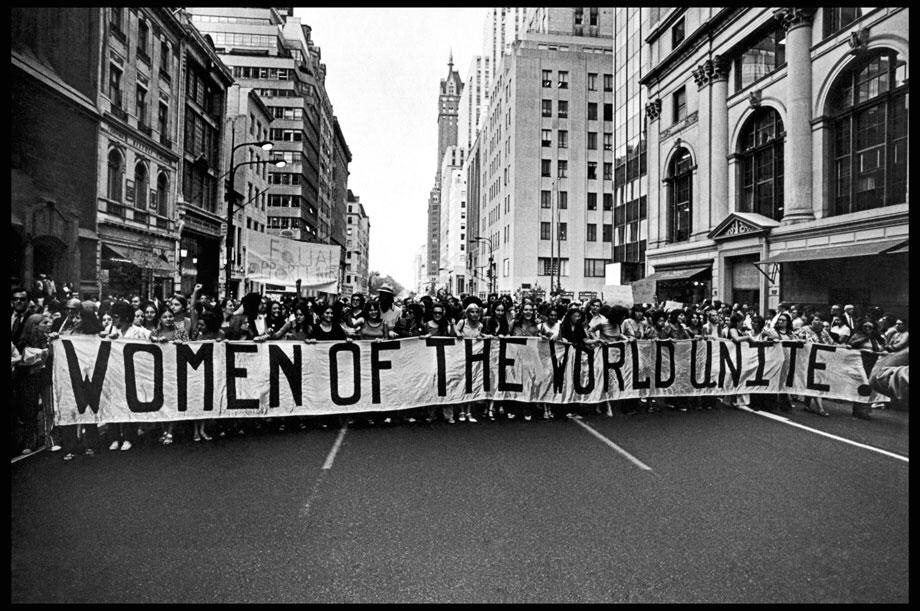
The twentieth century rewrote women’s place in public life. Suffrage, access to education, the right to work and to own property, and control over their own bodies, through the spread of contraceptive methods, for instance, changed what women could expect from life. Progress is measurable. The World Economic Forum has tracked it for two decades, and its 2026 report finds that the global gender gap is now 69.2% closed, the narrowest since measurement began. Among the economies tracked by 2006, the parity score rose from 64.2% to 69.4%. However, not every gap has evolved the same way. Education (96.9%) , health and survival (96.2%) are nearly at parity. Women have won the classroom. What they have not won is the boardroom, the cabinet or the pay slip.
Work and Money: the Invisible Ceiling
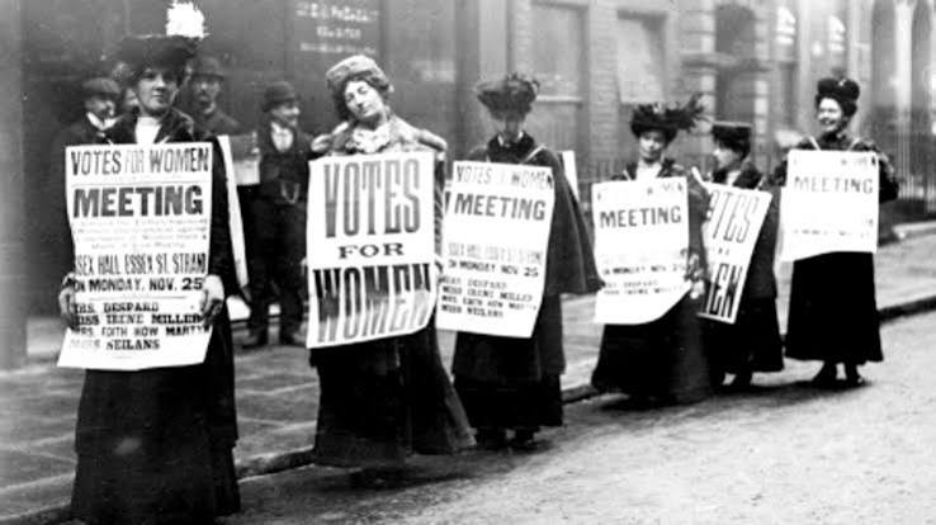
Even where the law guarantees equal treatment, the economy rarely delivers it. Economic participation and opportunity are only 61.7% of the way to parity. The reasons are well documented. Economist Claudia Goldin, who won the Nobel Prize for this research, shows how the pay gap persists because workplaces reward availability at all hours, a demand that falls hardest on those who also do the caring. Women are still the ones who do much of the housework, stay at home with their children when they get sick, dress them, and go with them to the doctor when they´re sick. In Portugal, females do the triple of house chores relatively to man. From the last generation to the newest one, the role of the father in their children’s daily lives has barely changed. Female caregivers are still the ones whose careers are most affected by parenthood. After maternity, women ´s salaries tend to stagnate, while men´s are independent of fatherhood. Furthermore, women still earn 16% less than men in Portugal and are a minority in positions of power and decision-making (only 6% worldwide).
Politics: Power Remains the Hardest Frontier
Political empowerment is the dimension furthest from parity. It stands at just 22.1%. The UN’s latest Gender Snapshot concluded that women hold 27.4% of national parliamentary seats, and local government representation has stalled at 35.6%. Women also preside over fewer than 20% of the highest courts. Besides, inside the United Nations, nearly eight in ten peace processes in 2025 lacked women negotiators or mediators. Curiously, the UN states that when women perform leading roles, gender-responsive policies are prioritized and progress follows across all development goals.
The same report finds that, globally, around one in three gender-equality institutions have been weakened, and one in four has faced budget cuts. Bilateral aid for gender equality fell 13% between 2023 and 2024, and funding for women’s rights organizations fell 28%. UN Women describes an organized backlash against women’s and girls’ rights. The WEF agrees that progress is fragile, with gains reversing in some areas.
Violence: the Most Extreme Expression
Frequently, machismo does not express itself in subtle ways. Physical and verbal violence is still more directed at women in romantic relationships. Nearly one in three women worldwide has experienced partner or sexual violence. Around 230 million women and girls alive today have survived female genital mutilation. The belief that women’s bodies and choices are open to male control still leads to domestic abuse, femicide, and street and online harassment.
Education and Sexual Roles
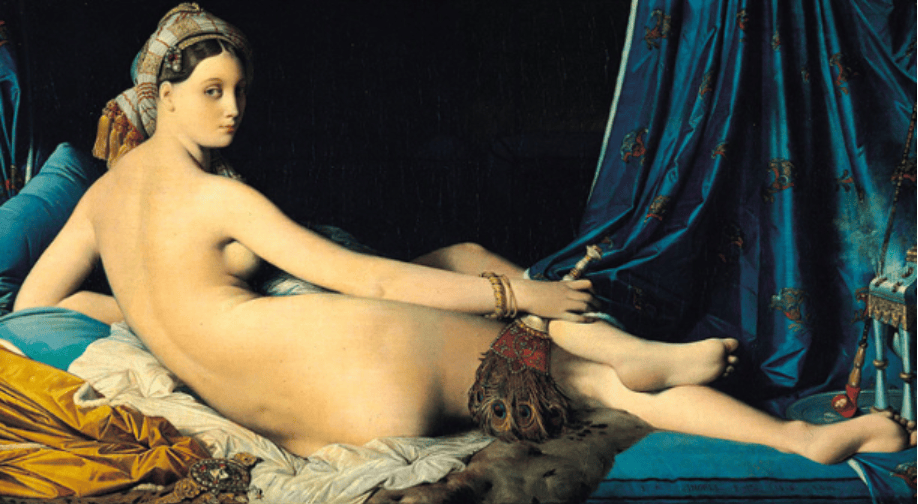
Sexuality remains deeply influenced by machismo and patriarchal norms. Men are often praised for having multiple sexual partners, while women risk being labelled promiscuous for the same behavior. Female masturbation and the use of sexual toys are still frequently taboo. These discrepancies might lead to girls repressing their sexuality and having less knowledge about their own bodies and pleasure. This might translate into numbers, since men reach orgasm in 95% of their heterosexual sexual relations and women in only 65% of them. However, this last number almost reaches 90% in lesbian sexual relations. Besides, women are still more pressured by society to conform to a certain body image. Female body hair, cellulite, and stretch marks still stir when they exist.
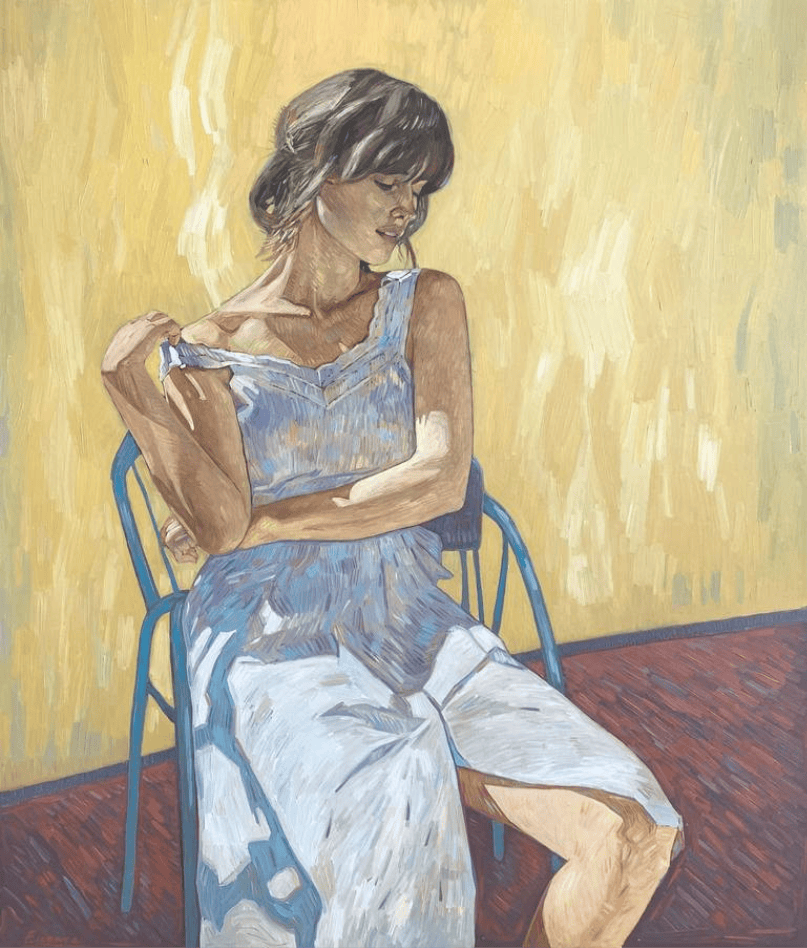
Why Machismo Persists
WEF’s Saadia Zahidi notes that economies at every income level have made progress, so the barrier is not a lack of resources. Philosopher Kate Manne argues that misogyny works less as hatred than as enforcement: it polices women who step outside expected roles. That helps explain why powerful women often draw harsher judgement than men in the same positions, and why gains can be reversed when political winds change. Inequality also does not fall evenly. Race, class, migration status and disability change how sexism is lived, and the women furthest from power often face its sharpest edges.
Conclusion
Women today have rights, education and opportunities their great-grandmothers could not have imagined, and that deserves recognition. But, at the current pace, the UN estimates gender equality is 171 years away, and none of the targets of its gender-equality goal are on track for 2030. Machismo has not disappeared; it has changed form, moving from explicit laws into norms, budgets, boardrooms, algorithms and silences. Naming it, measuring it, and refusing to treat it as settled is the first step toward closing the gap
Sources: World Economic Forum, UN Women (Gender Snapshot 2026), WAM, The National, IISD SDG Knowledge Hub, Deccan Chronicle, NBER, Saatchi Art
Júlia Lobão
Writer

