Normal People, by Sally Rooney  

Sally Rooney’s novel, Normal People, develops a raw and intense representation of human relationships and behaviour, navigating through the complexities of intimacy, morality, and desire. 

The plot revolves around two Irish teenagers, Connell and Marianne, who come from different social and economic backgrounds, yet find themselves entangled in a deep and complicated connection, as the narrative unfolds through different points of their lives. 

During high school, Connell and Marianne only exist on the periphery of each other’s worlds. Despite their shared academic excellence, their portraits are total opposites: Marianne is an outcast with a sharp wit and a semblance of a confident character, standing in contrast with Connell, who is popular and athletic, yet more reserved and self-conscious. What ends up bringing them closer is their economic positions, since Connell’s mum works as a maid for Marianne’s family. 

As they journey through university life, their roles in society reverse, affecting them individually and as a couple. Therefore, Marianne and Connell circle one another, straying toward other people and possibilities but always magnetically drawn back together. As we dig deeper into the fluctuating power dynamics in their relationship, concerns of class, power, and social dynamics arise, while the growth, flaws, and vulnerabilities of the characters are explored. 

Sally Rooney’s writing is incredibly effective, evasive, and direct (não é um bocado uma contradiction?), enabling readers to get inside the protagonists’ minds and understand their thoughts, feelings, and vulnerabilities. Also, the third-person narrative, alternating between Marianne and Connell’s perspectives, bridges the gap between their individual experiences and gives a more realistic representation of their lives. 

While reading, it becomes impossible not to feel drawn to the tension between the characters, leaving a perpetual curiosity about the outcome of their relationship. In this context, the story fosters an emotional connection between the reader and the character, as we face the struggles of two people trying to find their place in the world. 

In conclusion, Normal People encourages people to question the concept of normality, by exploring different characters and weird relationships, according to social norms. Ultimately, we are reminded that even seemingly “normal” people are multifaceted and marked by their own unique experiences. 

Catarina Fernandes

AI and the Job Market: is there Compatibility? 

Reading time: 6 minutes

Artificial Intelligence, AI, has changed many aspects of our lives over the past few decades, with global economic and social repercussions. Even though companies have always sought efficiency, innovation, and competitive advantage, nowadays AI tools play a fundamental role in their strategies, from automating repetitive tasks to enabling data-driven decision-making. 

Job Market and Management Approaches 

Inevitably, evolution brings opportunities and challenges, and the need to redefine the nature of work arises. New technologies create both winners and losers in the job market, effectively changing the current occupation demand, requiring adaptability and the re-evaluation of the workers’ essential skills. 

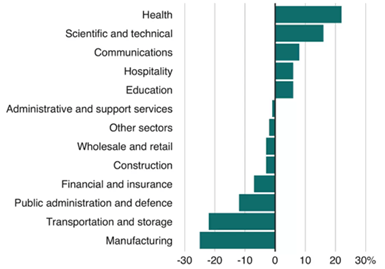
Estimated net job creation due to AI, 2017-2037 (Source: PwC) 

As expected, there is a rising need for experts in a variety of sectors, especially the ones dedicated to AI development, data science, cybersecurity, and E-commerce, being AI and machine learning specialists the fastest-growing job fields. The same happens with jobs that can difficultly be replaced by AI, namely within the health sector. However, in other cases—particularly in physical labour and services— technology is replacing labour rather than enhancing it. According to a McKinsey Global Institute study, by 2030, at least 14% of jobs in OECD countries will be easily automatable, forcing the workers to pursue a new career, while 32% could face substantial changes. 

The Positive Symbiotic Relationship between AI and Company Functionality 

Despite the threat that AI poses to jobs, there is also the potential for business to successfully integrate it into their operations to create a cooperative relationship between technology and human expertise, as machines excel at handling repetitive tasks and data analysis, while humans bring creativity, emotional intelligence, and complex problem-solving skills to the table. 

As a matter of fact, AI reduces human error and boosts operational efficiency by automating repetitive operations and processes, completing them faster and more accurately, thus allowing workers to concentrate on more strategic and value-added work. Indeed, the European Parliament estimated an increase of 11-37% in labour productivity related to AI by 2035. 

In the realm of logistics and supply chain management, AI optimizes operations by predicting demand, helping companies improve their supply chains and reduce costs. For example, in transportation, autonomous systems in driverless transport are reshaping logistics. Also, AI simplifies data analysis and customer service, improving productivity and cost-effectiveness levels. Through machine learning algorithms companies promptly assess trends and anticipate patterns in consumer behaviour to create more accurate strategic planning and enhance competitiveness. AI technologies further enable businesses to offer personalized experiences to their customers and instant support through chatbots, improving customer interactions and satisfaction. 

Additionally, AI is progressively making a pronounced appearance in the decision-making processes of managers and CEOs, from who these figures should hire or promote, to what the establishment of job evaluation standards.  

On another note, as companies deal with more complex cyber threats, AI has become a crucial asset in fortifying cybersecurity defenses. Algorithms recognize patterns, spot security lapses, and react instantly to online attacks. By taking a proactive stance when it comes to cybersecurity, businesses can better protect their data and maintain stakeholders’ trust. 

Machine learning, with its situation-specific adaptive capabilities, is unlocking new possibilities for controlling processes and predicting issues in production and utilization of resources. Thus, through advanced algorithms and data analysis, organizations can optimize resource usage, reduce waste, and implement eco-friendly practices.  

Historically, context-dependent learning processes posed significant challenges to automation due to a reliance on implicit knowledge and tasks lacking explicit rules of action. However, a paradigm shift is taking place: individuals are no longer just intelligent learning beings but are also assisted by AI, forming a symbiotic relationship that enhances human potential. 

AIs Duality: a Boost to the Economy or a Destabilizer of the Job Market? 

The field of artificial intelligence is subject to cycles of intense interest – AI summers – and periods of skepticism and disappointment with its development – AI winters. Currently, the prolonged summer we are experiencing is characterized by significant funding and widespread adoption within the business world, with companies such as Google testing virtual try-ons that utilize their generative AI exemplifying how AI is reshaping operational structures, driving innovation, and providing new services.  

With this being the most preponderant summer yet, what does this mean for the economy? 

Many have grand expectations, with studies carried out by Goldman Sachs pointing out to the fact that “widespread AI adoption could eventually drive a 7% or almost $7trn increase in annual global GDP over a ten-year period.”, referring also to a three-percentage-point rise in annual labour-productivity growth in firms that adopt the technology, representing a huge uplift in income compounded over the years. In addition, a study published in 2021 by Tom Davidson of Open Philanthropy talks about a more than 10% chance of “explosive growth”, that being an increase of at least 30% in global output, sometime this century.  

Nevertheless, in tandem with the rise in the positive overview that AI may bring to the economy, concerns about job displacement and the future of many career paths persist, giving rise to an overall sense of uncertainty. In a recent publication, Tyna Eloundou of OpenAI has stated that “around 80% of the US workforce could have at least 10% of their work tasks affected by the introduction of LLMs [Large Language Models]”.  

Furthermore, The Economist’s coverage of the unpreparedness of employers for AI and Timnit Gebru’s advocacy for responsible AI development highlight the ethical considerations that should underpin the development of AI technologies. All in all, defining ethical boundaries in AI should involve transparency policies and accountability for decision-making within companies that inevitably adopt the tool, so as to ensure that AI is developed and used responsibly without perpetuating bias or harm.  

The future of the job market, therefore, requires a delicate balance between innovation and ethical considerations to foster a work environment that prioritizes both technological progress and human well-being. The most prevalent concern is the rapid adoption of AI eventually leading to the destruction of jobs at a pace surpassing their creation, as barriers to entry, particularly related to owning and generating vast amounts of data could potentially stifle competition and innovation. Thereby, the dual nature of AI, as both a source of optimism and anxiety, underscores the need for thoughtful consideration and strategic planning as businesses navigate this transformative technological landscape. 

Conclusion: the Future of the Job Market 

As we traverse this dynamic landscape, one central theme emerges: the future of employment relations hinges on achieving a harmonious coexistence between human ingenuity and the technological prowess of AI. The synergy between human skills and AI capabilities stands as the cornerstone for unlocking the full potential of this transformative partnership. 

There is also to say that, despite the ongoing debate, academic evidence on whether AI and industrial robots harm employment remains inconclusive. This uncertainty underscores the importance of continued research and vigilance in monitoring the impact of AI on the job market. 

It can be established that the transformative wave of AI in employment relations has the potential to be both an opportunity and a challenge. The pivotal point is to enhance transparency in AI development, coupled with accountability for its ethics. Striking this balance is crucial for fostering a job market that not only benefits businesses but also safeguards the well-being of employees. 


Sources: The Wall Street Journal, World Economic Forum, European Parliament, The Economist, Vogue Business, BBC, The New York Times, Nexford University, Griffiths, Paul & Nowshade, Mitt. 2019. “European Conference on the Impact of Artificial Intelligence and Robotics”. EM-Normandie Business School, Oxford, UK, White House, European Commission. 2022. “The Impact of Artificial Intelligence on the Future of Workforces in the European Union and the United States of America 

Madalena Zarco 

Catarina Fernandes 

James Baldwin: a powerful writer and a pillar of the Civil Rights Movement 

Reading time: 6 minutes

James Baldwin was an American writer and civil rights activist best known for his semi-autobiographical novels and essays dealing with the topics of race, politics, and sexuality. He was not only an important pioneer of the Civil Rights Movement but also one of the first writers to openly discuss these issues in the deeply conservative mid-20th century American society. Baldwin successfully intertwined the complex themes of identity, race, sexuality, and oppression in his raw and honest portrayals of society and in his beautifully tragic pieces, bringing awareness to them while defending values that are crucial, even today.  

His life and relation with the American Civil Rights Movement 

James Baldwin was born in Harlem, New York, in 1924 where he grew up in a Catholic family and developed an interest in writing in high school. In 1948, he moved to France as a way to evade the racism and homophobia he faced in his birth country and fully explore his art. There, he was able to separate himself from the segregated American society and, from an outside perspective, better write about his experience in this culture. During this time, he wrote some of his most famous novels and essays, including Go Tell It on the Mountain – inspired in his own childhood, portraying a young black boy’s experience trying to find his identity in a religious family and racist country -, Giovanni’s Room  – that deals directly with homophobia as the protagonist struggles to accept himself and to commit to a passionate relationship -, Notes of a Native Son – Baldwin’s honest reflection on his relationship with his father among racial oppression – and The Fire Next Time – a powerful essay on race, power and justice that focuses specifically on the Civil Rights Movement.  

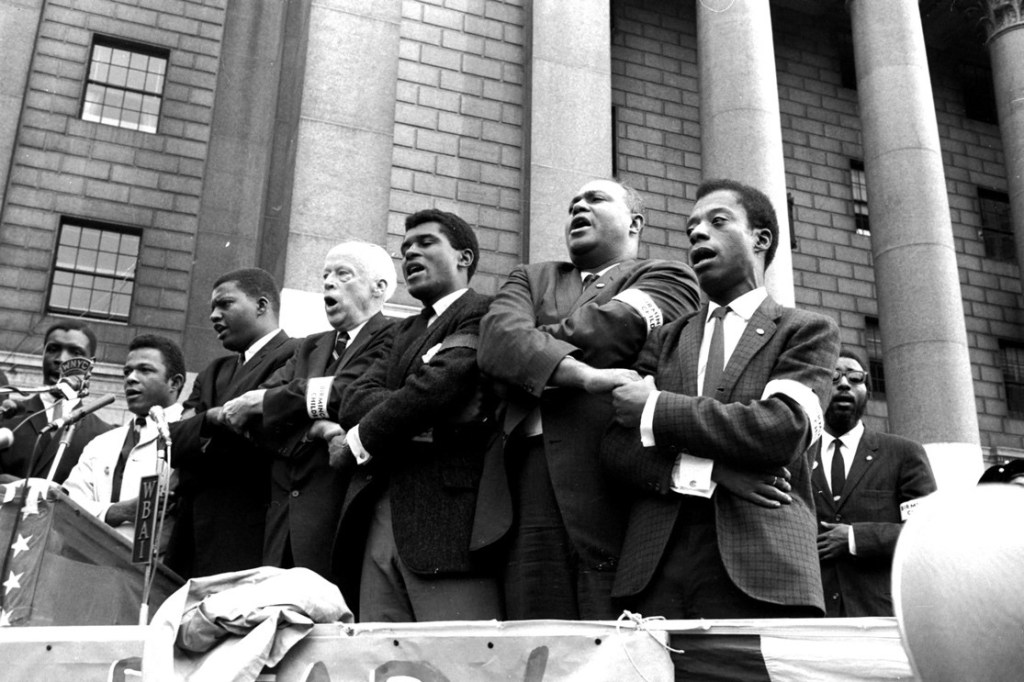
Baldwin became very active in the American Civil Rights Movement, often visiting America and becoming close friends with Martin Luther King Jr, Malcolm X, Nina Simone, among many other of its important figures. At this time, he branched out into other forms of expression, such as writing poetry and screenplays and giving speeches about his views on discrimination and freedom. While back in the United States, he worked as a college professor at the University of Massachusetts. 

Baldwin died at the age of 63 of stomach cancer, in his home in Saint Paul de Vence, France, on December 1st, 1987. He left unfinished a manuscript, Remember This House, which would later inspire the critically acclaimed 2016 Raoul Peck film, I Am Not Your Negro. 

Zooming into some of the themes explored in his works  

As previously mentioned, one of the main themes he explored in depth in a panoply of his work was racial discrimination. He not only wrote from personal experience, but was also able to convey from an objective point of view, developing constructed arguments in his essays. For instance, in Go Tell it on the Mountain, his semi-autobiographical novel, Baldwin writes from the perspective of a young black boy, based on himself, but also about the members of his family and their lives in a profoundly prejudicial country, whereas in The Fire Next Time, the author objectively exposes the successes and failures of the Civil Rights Movement and the relations of power and race in the United States. 

Furthermore, Baldwin was one of the first authors to write about homosexuality very openly. Indeed, in the 20th century, queer people were still extremely discriminated both legally and socially, having to hide in order not to suffer violent backlash. In this context, Baldwin’s novel Giovanni’s Room, published in 1956, was extremely controversial as it revolves around homosexuality and the stigma around it.  

Finally, all of the themes present in Baldwin’s work come back to the notion of identity. Indeed, one of the particularities of his writing style was his ability to put inner turmoils into words. Go Tell it on the Mountain and Giovanni’s room are both illustrations of this, as they depict characters who are torn and struggling to find themselves in a world where parts of them are rejected. These deeply personal, human and raw representations of issues like racism and homophobia add depth and impact to the political dimension of his essays. 

His impact in literature 

James Baldwin was a trailblazer, being one of the first to openly discuss the social and political issues of the time without apprehension of backlash. His works started discussions on topics that were often considered taboo and inspired other artists to use their voice to bring forth awareness. As such, he is largely considered a pillar of African-American literature, being one of the first African American artists to have such an impact and becoming a representative for marginalized communities.  

On top of this, he was a crucial actor in the Civil Rights Movement through his writing and speeches. This movement truly shook the status quo, and, without it, society would not have evolved the way it did. In his involvement with the movement, Baldwin took a pacifist standpoint on all the issues he discussed and rooted, above all, for justice, freedom and brotherhood: he took a clear stance against racial prejudice suffered by African American citizens, but also distanced himself from his friend Malcom X’s more radical ideas. Indeed, whereas the Nation of Islam was a separatist movement that deemed white people as immune to virtue, Baldwin stood for equality – “The dream, the sentiment is old (…) Only the color is new.”-, as he once wrote. Through his works, Baldwin impacted the artistic and intellectual traditions in American society and the simple but vital values he defended are still relevant in today’s society. 

Conclusion 

James Baldwin was one of a kind. He was not only a praised writer, with a lyrical, raw, and realistic style, but also a pioneer in African American culture and in the revolutionary Civil Rights Movement. His works had an immense impact on society at the time and represent an extremely valuable legacy.  


Sources  

  • Go Tell It on a Mountain, Giovanni’s room and The Fire Next Time, by James Baldwin, Discourse Magazine, National Museum of African American History and Culture , USA Today 

Marta Nascimento


The Evolution of Black Friday: from its Financial Roots to being Global Retail Phenomenon 

Introduction  

Black Friday is a significant event in the retail calendar, traditionally occurring, in the United States, on the Friday following Thanksgiving. Marking the beginning of the holiday shopping season,  it is renowned for its substantial discounts, which attract a massive influx of shoppers both in physical and online stores, making it the busiest shopping day of the year.  

Often strategizing for Black Friday months in advance, retailers plan their inventory, marketing campaigns, and logistical operations to handle the surge in demand, taking into account consumer behaviour as the shopping landscape has evolved to include not just the physical rush to stores but also the increasing emphasis on online sales. E-commerce has become a crucial component of Black Friday, with many clients preferring the convenience of shopping from home rather than braving the crowds in brick-and-mortar stores. 

The Story Behind The Term “Black Friday” 

In 1869, the term “Black Friday” found its origins in one of the most significant financial scandals of the time. On September 24, 1869, in the heart of Wall Street, two enterprising financiers, Jay Gould and James Fisk, conceived a scheme that would go down in history. Their audacious plan was to manipulate the gold market on the New York Stock Exchange by buying vast quantities of gold and then selling it at incredibly inflated prices, promising astronomical profits. However, their ambitions came crashing down on a fateful Friday when the U.S. government intervened, leading to a market collapse and the bankruptcy of numerous millionaires. This calamitous event marked the birth of the term “Black Friday”, associating it with financial disaster for a large period of time. 

In fact, it would only be in 1950s that the term “Black Friday” began to take on different meanings, thanks to both the Philadelphia police force and retailers. On the one hand, the police force used it to describe the pandemonium that ensued on the day after Thanksgiving, as suburban tourists would flood into the city, in anticipation of the annual Army-Navy football game. On the other hand, around the same time, Philadelphia’s city merchants started to use “Black Friday” in reference to the long lines and shopping frenzy at their stores on the day after Thanksgiving due to the same abundance of people. However, upset that the name “Black Friday” had a negative connotation, retailers made efforts to change it to “Big Friday” instead, but the term “Black Friday” had already taken hold and continued to spread. So, venders, refusing to be deterred by the negative connotations of the term, changed the narrative, associating it to the financial term of being “in the black”, which refers to when a business is profitable and prosperous – perfectly reflecting and encapsulating what “Black Friday” would come to symbolize later on –, in contrast to being “in the red”, signifying a financial deficit. 

Over time, Black Friday became a global phenomenon, extending well beyond a single day of wild shopping. Today, it encompasses an entire shopping season, with retailers offering deals not only on the specific Friday but also during the days leading up to it, turning it into a multi-day extravaganza. The term, once tied to financial scandal and chaos for the police force, has evolved into a symbol of consumerism and commerce that transcends its historical origins. 

Consumer Behaviour & Spending Patterns 

The Black Friday cultural phenomenon offers a unique window into distinctive consumer behaviours and spending trends, during which product categories and items experience a surge in popularity. Electronics, such as televisions, smartphones, and laptops, consistently top the list of sought-after items. Additionally, home appliances, clothing, beauty products, toys, and gaming consoles also witness increased demand during this shopping extravaganza. 

Consumer research reveals that the appeal of Black Friday deals isn’t fundamentally based on need, but on the emotional satisfaction that comes with getting a fantastic deal. It’s about the thrill of buying something at a price lower than the standard one. As a result, consumers actively organize their shopping schedules around these deals, diligently seeking out the best bargains to maximize their savings. Moreover, the “Fear Of Missing Out” (FOMO) stands as a prominent driving force behind Black Friday’s shopping intensity. Companies adeptly employ the “scarcity principle” to create artificial exclusivity by imposing arbitrary limitations on stock, creating the illusion of limited supply. This tactic generates a compelling sense of urgency, propelling consumers to act swiftly to seize the perceived savings. Truly, FOMO can be intensified by various environmental factors, including heightened media attention in the run-up to Black Friday, increased social media usage, and the event’s timing, as it often coincides with payday for many individuals. 

Black Friday Shopping (CNN) 

Sales & Revenue Analysis 

The sales and revenues generated on Black Friday are usually monumental for many businesses and they can significantly impact a company’s bottom line. Often serving as a barometer for the overall health of the retail industry, the success of this shopping event can indicate consumer purchasing power and the general direction of retail trends.  

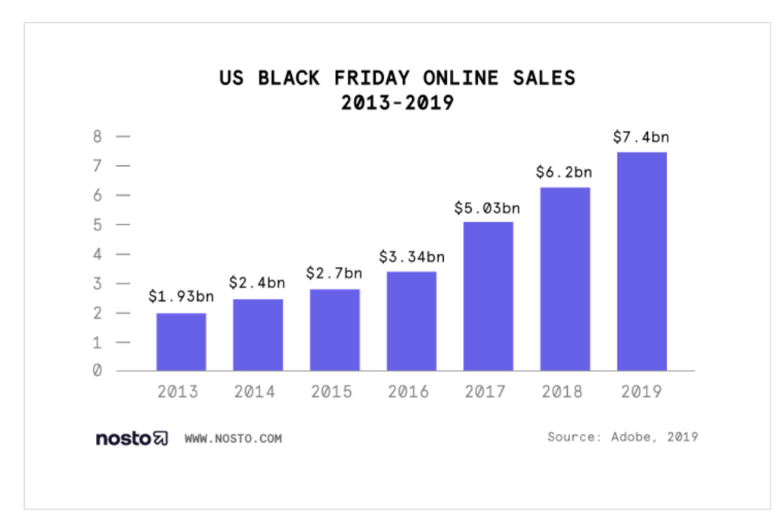
Over the span of six years, online sales during the US Black Friday event experienced substantial growth, rising from $1.93 billion, in 2013, to a noteworthy $7.4 billion, in 2019. In 2022, according to Adobe Analytics, it reached a record-breaking $9.12 billion, kicking off a solid start to the holiday shopping season despite the rise in inflation and other economic concerns. The 2023 forecasts indicate that the sales generated on Black Friday are expected to cross $9.8 billion. 

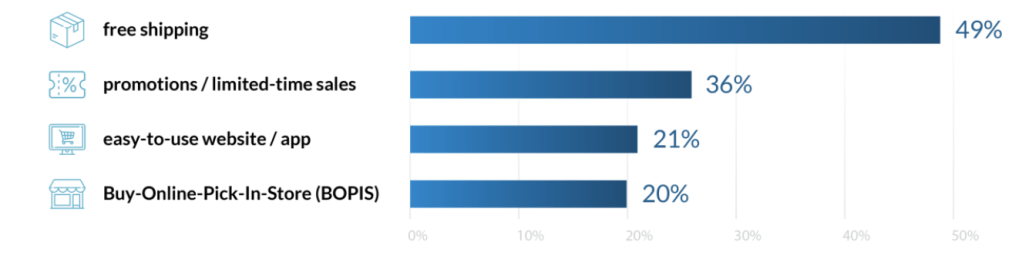
According to the National Retail Federation, amongst the primary drivers behind this substantial surge in online sales and revenues observed during Black Friday, free shipping emerges as the top influencer, closely followed by promotions. On average, discounts hover around 25%, with a majority of stores offering significant discounts ranging between 70% to 80%. 

Factors influencing buyers’ online shopping decisions during Black Friday 

Conclusion 

Although originally celebrated in the United States, the global outreach of Black Friday is poised to expand further, transcending geographical boundaries as more countries adopt this retail trend. Among these, is the United Kingdom, where sales have continued to grow in recent years with shoppers spending more than 8.7 billion sterling pounds during last year’s Black Friday. The event’s success in various regions, coupled with the widespread appeal of significant discounts and exclusive deals, will likely lead to its continued international proliferation. Businesses and customers alike should expect an ever more expansive, technologically integrated, and protracted shopping fiesta in the years to come as Black Friday continues to evolve and adapt to market conditions and consumer demands. 

Sources 

Statista, Forbes, CNBC, McKinsey, NBC News, NY Times, Fabric Academy 


Pedro Teixeira

Beatriz Gomes

“Quicksand”, by Jun’ichirō Tanizaki

Introduction 

In the labyrinth of human desires and obsessions, Jun’ichirō Tanizaki’s “Quicksand” serves as a mesmerizing exploration of the human psyche. As we venture into the intricate tapestry of this enigmatic novel, we find ourselves immersed in a world where reality blurs and the boundaries between passion and destruction, love and obsession, become dangerously thin. In this book review, we will delve into the layers of this work, exploring its themes, narrative style, and its enduring significance in the world of literature. 

Context and author 

Jun’ichirō Tanizaki 

Jun’ichirō Tanizaki was a Japanese author considered to be one of the most prominent figures in modern Japanese literature, being indicated for a Nobel prize in 1964. Some of his works delve into the themes of destructive obsessions and sexuality exploration, while others portray subtly the dynamics of family life in the context of the rapid changes in the Japanese society at the time.  

Tanizaki played a pivotal role in Japanese literature during the Shinkankaku-ha movement of the early 20th century. This literary wave, defined by its emphasis on individualism, psychological exploration and the incorporation of innovative literary techniques, brought forth a transformation in storytelling. Alongside authors like Riichi Yokomitsu and Yasunari Kawabata, Tanizaki was committed to exploring the thoughts and emotions of his characters in a more direct and unfiltered manner. This approach allowed them to delve into the realms of desire, sexuality, and the intricate nuances of human relationships. This book is a prime example of the movement, as the characterizations and exploration of human desires align closely with its principles. 

Plot 

The book immediately draws you in, as it starts with an intimate conversation/confession between the main character and a friend, centered around an affair she had. The story is narrated by Sonoko Kakiuchi, a young woman trapped in a stifling marriage, who attends art classes at a women’s school. Rumors start spreading at the school of Sonoko’s alleged involvement in a romantic entanglement with another student, the beautiful Mitsuko. Despite barely knowing her, Sonoko feels inexplicably drawn toward Mitsuko, prompting her to initiate a friendship with the intriguing young woman. 

The sexual tension between the two starts building up until they eventually start an affair, making the rumors a “self-fulfilling prophecy”. As she starts to get increasingly involved into a complex web of lies, deceit and manipulation, both women are pitted against the social norms of marriage in a deadly game that will engulf them both, jointly with Mitsuko’s fiancé and Sonoko’s husband.  

The Japanese title, Manji, refers to the four-pronged Buddhist swastika, a symbol of the four lovers, in this case representing Sonoko, Mitsuko, Watanuki and Kotaro; the four main characters, three people that found themselves entangled as pawns in Mitsuko’s love game. 

Themes and Impact 

The characters within the narrative are multifaceted, with no clear demarcation between right and wrong. The whole book explores a murky sense of morality as it navigates through toxic relationships and dynamics. The narrative thoroughly delves into the concept of the anti-hero, compelling you to root for characters engaged in morally questionable acts.  

The story has a lot of unexpected plot twists that constantly challenge and reshape your perception of the characters. It is often that the seemingly naive character undergoes a transformation, becoming the antagonist. 

Tanizaki’s portrayal of women flourishing within a naturalistic social environment, where their lives are intricately intertwined with their inner selves, is both subtle and provoking. These women, restricted to domestic spheres and women-only schools, found themselves compelled into arranged marriages, navigating their inner thoughts and emotions alone. Frequently, they formed incredibly intimate, sometimes romantic, connections with their close female friends. The author depicts this hypersensitive inner world and relationships throughout the book, exploring its profound depths layered with a storm of emotions. 

The author’s innovative writing style and thematic explorations influenced generations of Japanese writers. Overall, Tanizaki’s contributions to Japanese literature lie in his ability to capture the complexities of human experience, his exploration of cultural shifts, and his innovative narrative techniques, all of which continue to inspire and influence the literary landscape. 

Style and Opinion 

The whole book has an aura of intimacy almost leaving you with the sensation of overhearing a conversation meant for a therapist’s ears, something you weren’t meant to witness, yet engaging from the first paragraph.  

This deeply personal narrative, shared in the first person, often conveys a nuanced portrayal of events, leaving room for interpretation. The reader has the feeling of an unreliable narrator, that can be totally blindsided by the unfolding events or their own feelings.  

The storyline is intricate and rich with unexpected turns, adding to the engagement without veering into implausibility or losing the thread of the intricate love affair triangle, later evolving into a quadrangle. All of this unfolds against the backdrop of a traditional Japanese society on the cusp of modernity, enhancing the complexity of the tale. 

It begs for the reader to ponder about what it is to feel powerless and ridiculous for love; about the limits of the selfishness one can indulge in the vein hope of the retribution of such powerful affection. How the pretense to love and the need to cling onto it can lead us into a path of self-justification and rationalization of actions that are not moral.  

“(…) And even of if it was wrong to be secretly in love with another man, what was so bad about being in love with a woman, someone of my own sex? (…)” 

Feeling powerless because of the uncertainty of someone’s feelings and intentions; an illicit affair fueled by love and irrationality that is all consuming is a timeless and universal subject as it is appealing to a passion ingrained in the core of human nature.  

All these themes are taken to the extreme in this book, as the main character acknowledges her own impotence and inability to back off a relationship that makes her feel like a “fool”. 

“So I found myself sinking deeper and deeper into the quicksand, and although I said to myself I had to escape, by this time, I was helpless. I knew I was being used by Mitsuko and that all the while she was calling me her dear sister she was actually making a fool of me.” 

Conclusion 

This book masterfully explores themes of jealousy, betrayal, and obsession within the context of illicit and unpredictable love. The characters’ intense desires and struggles against societal constraints and against each other create a deeply relatable and immersive experience for readers. The story’s authenticity and unexpected plot twists kept me thoroughly engaged. The author skillfully balances intricate character development with a suspenseful narrative, creating a compelling and thought-provoking read. I highly recommend this book for readers seeking a thrilling and fast-paced narrative that seamlessly combines suspense, romance, and psychological depth. 


Maria Catarina Franco

The future of cinema: Addressing the technological landscape behind film 

Once again, the world of cinema is undergoing a noticeable transformation, that in this case is propelled by the confluence of contemporary trends and the unprecedented disruptions brought about by the COVID-19 pandemic. As audiences, filmmakers, and industry professionals navigate through a rapidly changing landscape, it becomes evident that the way we consume and experience film is evolving

This transformation takes part with the rise of streaming platforms, the innovations in filmmaking techniques and implicit adaptation of traditional movie theaters, the impact of social media on the viewer’s experience and film promotion, and the growth of Artificial Intelligence (AI) use within the creative and operational process. 

The subject of such changes lies not only within the form but also the substance of the art. In the sequence of the release of his most recent epic, Killers of the Flower Moon, Martin Scorsese takes part in BBC’s Talking Movies series, where the director descends on a reflection about what the future of cinema holds. In the interview, Scorsese unravels his fears regarding the exponential rise of franchise movies – that many times fail to deliver distinctive storytelling -, the lack of platforms for more alternative cinema, and the fragmentation of films’ landscape. 

Cinema and Technology 

The COVID-19 pandemic deeply injured movie theater affluence. Data collected from Statista displayed that in the United States before the pandemic, only 15% of the sample claimed to never go to the cinema, a percentage that jumped to 52% between the months of January and April of 2022. One of the most evident effects of such a scenario is the rise in demand for streaming platforms, with preferences shifting towards streaming, as it can be a cheaper option, with a wave of new content ultimately releasing in a digital format on the platforms upon merely two or three months of their debut. Besides providing licensed content, most of the streaming platforms are betting on original movie and series production. The profitability of such an undertaking is connected to the possibility of creating movie and series franchises, gaining not only from viewership but also from branding and merchandise. 

However, the cinema is fighting back with the development of cinematic experiences that the audience doesn’t get to partake in from their homes. Some examples could be the IMAX and 4D experiences. The IMAX screen offers unparalleled picture quality on a grand scale, along with elevated sound technology. Furthermore, when a film is recorded utilizing an IMAX camera, the cinematic presentation on an IMAX screen is such that it effectively utilizes the entire expansive screen. The general audience became more invested in the concept with the release of Oppenheimer, after the director, Christopher Nolan, made an appeal to the public to watch it, if possible, in theaters that accommodate IMAX 70mm. The 4D cinema incorporates seat effect simulation with 3D, having an augmented reality paired with seats that shake, turn, or roll accordingly. The technology used in filmmaking is also evolving. One example of such could be the cameras that James Cameron helped design to shoot parts of Avatar 2: The Way of Water, underwater. 

Filming underwater on the set of “Avatar: The Way of Water” (20th Century Studios) 

Another tool that is becoming more popular in the broadcasting world is AI. Its major use is related to audience data collection and analysis, informing studios about content and market decisions. Based on such knowledge, it can be involved in the production, by casting and location scouting. It can be used in visual effects (VFX), creating more realistic and immersive special effects. AI also established the possibility of screenwriting, by analyzing scripts and coming up with new projects, reducing the costs of labor. 

Social media: Interaction and promotion 

The film experience is also changing because of social media. The rise in movie rating apps such as IMDb and Rotten Tomatoes, or even more interactive ones such as Letterboxd, has been making cinema more accessible for people and has been adding to the social aspect of cinema. IMDb and Rotten Tomatoes display critics and selected users’ reviews, while Letterboxd is, in a way, a social media app for movies.  

Besides these more specific tools, a big part of movie advertisement is being conveyed through social media, such as Instagram, Facebook, or even TikTok. Often, this involves capitalizing on the involvement of well-known individuals in a film project. In that sense, the promotion of movies nowadays doesn’t rely solely on film critics, but also on audience reviews and social media presence. Lately, a greater weight of the marketing campaigns has been shifting towards influencers, such that studios try to control the pre-release narrative by leveraging influencers and social media, which often creates a bias in the public reception of the film, taking up space from the more specialized opinion of critics. 

Nonetheless, social media focused advertisement also carries the potential to shift the weight of movie distribution from major studios into theater companies, as Taylor Swift did for her new production, a concert in the film format entitled Taylor Swift: The Eras Tour, that surpassed $200 million globally. This cultural phenomenon is relevant as it allowed Taylor to handle the promotion and distribution of her own movie, allowing for similar deals to take place in the future, and it wouldn’t be possible if it weren’t for the global presence of the artist online. 

Taylor Swift fans during the “Eras Tour” concert film at Emagine Canton theater in Canton, Michigan  

(Daniel Mears, The Detroit News) 

Writer’s strike 

Although technology has the potential to be a tool for creatives, it can turn into a way of subjugation, as it carries the potential of labor destruction. In a scenario where media companies have invested billions in streaming services, the compensation for writers was negatively affected. In a broader context, the proportion of television writers earning at least the minimum agreed salary rose from 33% in the 2013-14 period to encompass nearly half of all writers by the 2021-22 timeframe. Writers Guild of America, a trade union that represents more than ten thousand TV and movie writers across the United States, decided to go on strike on the 2nd of May of 2023, to guarantee the survival of writing as a profession. This strike lasted 146 days and had a significant impact on TV and movie production, especially since it gained a lot of sympathy from the audiences. The deal that was made touches on matters such as increases to minimum wage, better pension and health fund rates, greater residuals (such as royalties), including foreign streaming residuals, more transparency with viewership data, and a set of terms concerning the use of AI – such that the use of the tool can’t be forced on writers and the writer’s content can’t be used to train programs. This event has had major significance when it comes to defining the line between creative work and its automatization. 

Demonstrators rally outside a studio (Jae C Hong/AP) 

Ultimately, although there is a clear potential for technological improvements to harm both creatives and audiences, if conveyed properly, they can serve as tools to elevate the art, to educate the public and to promote critical discussions. This delicate balance underscores the importance of ethical and responsible use of technology, where creatives are empowered to harness digital tools to unlock new realms of creativity and audiences are equipped to navigate the vast digital landscape with discernment, with the prospect of the valorization of the 7th art.  

Sources: 

The Guardian, BBC, Rolling Stone, Statista, Vox, TIME, The New York Times 

Author: 

Maria Francisca Pereira

Navigating Mental Health in University: Understanding Burnout 

Article written in partnership with Nova Pride Association.

In a recent study, Portuguese workers were deemed to be the most at risk of a burnout in the European Union. Based on variables such as the World Happiness Index, work hours, and disposable income, the study finds that employees might be facing a decline in mental health due to being overworked, underpaid, and therefore, less secure. Many companies are now trying to promote strategies for recognising symptoms and avoiding amounting stress. However, concerns over mental health have not been limited to the workplace. They have become increasingly present around university campuses as well, particularly in the wake of the COVID-19 pandemic. Due to lockdown-induced isolation and urgent shifts in teaching strategies, the crisis revealed the global need for better systems to support students and staff.  

Overall, the risk of burnout appears to have increased for both workers and those studying to join the workforce, which prompts us to examine the underlying factors contributing to this trend. It is important to acknowledge that burnout can be a pervasive issue, but it may affect individuals differently due to intersectional factors. These factors can range from industry-related challenges to more personal factors such as individual identity. This article will thus focus on the relationship between students and burnout, while zooming in on the unique challenges of business schools, as well as uncovering the vulnerabilities of those who experience minority stress. 

What is Burnout and How Does It Impact College Students? 

In the whirlwind of college life, where lectures, exams, and social activities often blur into one, it is not uncommon for students to find themselves overwhelmed. For freshmen and those studying abroad, the first few months can be especially challenging. “Should I already start studying to keep up with this scary way of doing algebra? Or should I have a coffee date with this classmate?” You will quickly feel like you are spreading yourself thin, and without noticing, the rush begins to take its toll. 

This sensation of chronic stress and exhaustion, emblematic of the modern college experience, is none other than burnout. Burnout, a term gaining increased recognition, is more than just feeling tired; it is a complex mental health issue that can profoundly affect the well-being of students. 

Defining Burnout: Burnout, in essence, is a state of prolonged and chronic emotional, physical, and mental exhaustion resulting from the relentless pressure of academic demands and other stressors. It is the feeling of being pushed beyond your limits, where enthusiasm and motivation wane, replaced by a persistent sense of depletion. Burnout is not a one-time experience; it is a slow burn, gradually intensifying over time. 

Causes and Symptoms: There are a myriad of factors that can trigger burnout. For college students, heavy workloads to social pressures are the most common factors. Academic demands, deadlines, and the constant presence of social media platforms like LinkedIn, which can be distracting and trigger feelings of inadequacy, contribute to emotional exhaustion. It’s easy to find yourself struggling to concentrate or dealing with persistent stress. Nevertheless, there are larger factors that can trigger burnout, extending beyond one’s college life. 

Amidst the ever-expanding discourse on mental health, it becomes strikingly evident that the universal and historical stigma attached to sharing emotional vulnerability remains an obstacle. Throughout the annals of human history, individuals have grappled with the deeply ingrained fear of appearing weak by baring their inner struggles. This profound apprehension has persisted as an unwelcome companion in our collective journey towards better mental well-being. Still, one can argue that there is a current shift in perspective with Generation Z. As opposed to their predecessors, this generation has demonstrated a greater willingness to embrace their emotional vulnerabilities. This shift is, in part, fuelled by the unprecedented access to information and resources, which has empowered them to overcome, or at least acknowledge, mental health challenges.  

Furthermore, stigma can manifest differently in diverse cultural settings. To grasp these variations, it is essential to examine the key social institutions that have shaped the social fabric of each culture. Social institutions are often the strongest determinants of stigma because they are responsible for defining social norms. In the case of Portugal, the profound influence of Catholicism has significantly shaped the local cultural landscape. While the formal teachings of Catholicism promote compassion towards any ailment, its practices might have the opposite effect, with its deeply ingrained notions of sin, guilt, and divine judgment potentially instilling a sense of fear in one’s relationship with their emotions, potentially prompting individuals to isolate themselves. Such isolation can further fuel the burnout process.  

Physically, burnout can manifest as symptoms that may seem like common colds, such as fatigue, sleep problems, and weakened immunity. This similarity to cold symptoms can sometimes lead people to overlook the possibility of burnout. Students experiencing burnout may also become emotionally detached and disengaged, losing the enthusiasm that initially drove their pursuit of higher education. 

A Slow Burn: Burnout is not a fleeting bout of stress that you can easily bounce back from. It is a persistent and prolonged condition that, if left unchecked, can stretch on for the duration of your college journey (and even after joining the workforce). It is the cumulative effect of continuous stressors with little relief, like a relentless academic calendar that barely leaves room for a breather. In the academic context, understanding burnout is pivotal for recognizing its onset and taking steps to mitigate its impact. After all, nobody wants their college experience to be remembered solely for exhaustion and disengagement. 

Navigating Burnout in the Intense World of Business Schools 

Business schools, renowned for shaping the leaders and entrepreneurs of tomorrow, offer a unique academic environment that comes with its own set of pressures. As students and faculty step into this world of high-stakes decisions, the risk of burnout becomes ever more pronounced.  

The Pressure Cooker: Business schools are synonymous with competition and high expectations. Students are often driven by their ambition to succeed in the cutthroat business world. The coursework can be relentless, demanding hours of study, group projects, and a thirst for staying ahead of the curve. The pressure to excel in this environment, to be the standout candidate in a highly competitive field, is palpable.  

Unique Stressors: Take Nova SBE, for instance, a hub for budding entrepreneurs and future business leaders. Here, the challenges are accentuated. Business students grapple with the daunting prospect of balancing a rigorous academic schedule with internships, networking events, and the aspiration to create the next innovative start-up. At the same time, this cutthroat environment has pushed business schools to also cultivate this pressure. On the surface, it may appear that professors are equipping students for success, but in reality, they might inadvertently perpetuate a harmful and stressful culture.  

Unveiling Burnout and Minority Stress: A Struggle Within University Walls 

As we unravel the complex reality of burnout within university settings, it is essential to shine a spotlight on an often-overlooked aspect: the profound impact of minority stress. Understanding this concept is critical for comprehending the unique experiences of marginalized groups within academia and, more importantly, for finding ways to alleviate their burnout. 

Defining Minority Stress: Minority stress, a chronic form of stress experienced by marginalized or underrepresented groups, can have significant implications for physical health and well-being. It results from the daily challenges, discrimination, and microaggressions faced by minority students and staff at the university, stemming from societal norms that may not fully embrace their identities, whether related to race, gender, sexual orientation, or other aspects. This ongoing stress is closely intertwined with the experiences of minority individuals and can have lasting effects on their physical development and long-term health. Notably, recent research has shown that gay individuals produce lower levels of cortisol, a hormone that aids in stress regulation, compared to their heterosexual counterparts. This lower cortisol production is due to the continuous activation of stress hormones during their adolescence, a time marked by discrimination and its associated challenges. This prolonged hormonal strain can impact the nervous system, potentially leading to health complications and difficulties in managing stress in adulthood, ultimately affecting their overall well-being. 

The Burnout Connection: Discrimination, microaggressions, and the lack of representation can act as potent catalysts for burnout among minority students and staff. Imagine being a student who constantly feels like they do not belong, facing subtle (or not-so-subtle) slights, or bearing the weight of expectations linked to their identity. The emotional exhaustion, disengagement, and reduced sense of personal accomplishment hit harder for individuals dealing with the additional burden of minority stress. 

Mitigating Minority Stress: To create a truly inclusive academic environment that mitigates minority stress and supports the well-being of all, universities must take proactive steps. Implementing strategies like sensitivity training, diversity, and inclusion initiatives, and providing safe spaces for open dialogue can go a long way in fostering a culture of acceptance. Representation, both in faculty and curricula, can help reduce feelings of isolation and invisibility among minority students. These efforts are not just a matter of political correctness but a vital step in reducing burnout and ensuring that every individual can thrive in the academic landscape. 

Coping Strategies for Burnout 

As burnout becomes an increasingly prevalent concern in university settings, it’s essential to recognize that there are coping strategies that can help students and staff navigate this challenging terrain. 

Mindfulness: Practicing mindfulness techniques can help individuals manage stress and prevent burnout. Techniques like meditation, deep breathing, and yoga can promote relaxation and emotional well-being. 

Acceptance: Acknowledging and accepting one’s limitations is crucial. It’s essential to understand that it’s okay to ask for help, take breaks, and seek support when feeling overwhelmed. 

Taking Breaks: Regular breaks, both during study and work, are vital. Short breaks can rejuvenate your mind and prevent burnout. Ensure that you make time for leisure activities and relaxation. 

Time Management: Effective time management skills can help individuals maintain a healthy balance between academic or work responsibilities and personal life. Prioritizing tasks and setting realistic goals can reduce the pressure that contributes to burnout. 

Social Support: Building a strong support network is paramount. Having friends, family, or colleagues to talk to and lean on during challenging times can make a significant difference in managing burnout. 

Seeking Professional Help: When burnout symptoms become overwhelming, seeking professional assistance from counsellors or therapists can provide valuable insights and coping strategies. 

Conclusion 

In our fast-paced academic environment, burnout affects both students and staff, but it’s far from a uniform experience. Factors like individual identity and academic field-specific challenges play significant roles. While we observe a positive shift in society towards open discussions on mental health, particularly among Generation Z, stigma remains a hurdle. It takes different forms in various cultures, often influenced by social institutions. Recognizing unique stressors within academic disciplines like business schools is vital. Additionally, the impact of minority stress cannot be overlooked, making it essential to foster inclusive academic environments. 

Addressing burnout necessitates a multifaceted approach, including self-care, strong support systems, and institutional changes. By fostering cultures of acceptance and inclusivity, we can collectively work towards mitigating its impact, allowing both students and staff to thrive in their academic journeys. 

Sources 

HelpGuide, Huffington Post, Polígrafo, The Seattle Collegian  

Miguel Andrade

Core Aesthetics: Navigating the intersection of identity and consumerism

Reading time: 7 minutes

Picture the following scenario: Your student self walks into campus for yet another day of lectures and tutorials and notices that the surroundings are composed of living embodiments of a multitude of famous aesthetics. The “clean girl” passes by you on the way to the library. In class, a vision of pastel perfection and floral patterns, reminiscent of cottage core’s effortlessly soft look sits next to you. On the way home, someone exudes the quintessential “thrifted” look, adorned head-to-toe in vintage core goods.

It is, in fact, a visual treat, and, as you fight back the urge to hit the “checkout” button on your meticulously curated shopping cart, composed of items from the various aesthetics that captivated you today, you stop to think: Where do I fit in?

Core Aesthetics: How did they come to be?

The rise of core aesthetics in the digital age is closely related to the decline of traditional subcultures. Subcultures, as defined by the Merriam-Webster’s Collegiate Dictionary, are an ethnic, regional, economic, or social group exhibiting characteristic patterns of behavior sufficient to distinguish it from others within an embracing culture or society. These often emerged organically among people with shared interests in music, art, literature, and political views. Examples of such are the 60s Hippies and the 90s Emo and Grunge subcultures.

90s Emo and Grunge
60s Hippie Movement

As they grew and became more mainstream, subcultures fell victim to oversimplification, thereby allowing companies to benefit from their universally recognizable elements. For instance, the punk subculture, known for its rebellious nature and incorporation of leather jackets and ripped jeans, has greatly influenced fashion and how it is perceived by young adults nowadays who can buy the individual elements without necessarily subscribing to the movement’s original values and ideologies.

Recently, however, there has been progressively less presence of these subcultures in modern society. As Peter Watts notes in Apollo Magazine (2017): “There is a sense that this ties in with the rise of the internet, with a more interconnected society removing that need for intensely localized scenes, which often coalesced around a single record or clothes shop or particular club or band. The wide availability of music allows young people to explore sounds across genres and timeframes which could also disrupt that need for a tribal identity.”.

This decline has given space for the birth of “online core aesthetics”. Unlike subcultures, these aesthetics lack the sense of community that characterizes subcultures, since its followers often lack uniform musical tastes, political ideologies, or even physical places to meet up. Additionally, core aesthetics are associated with young people and the need to belong to a specific group with defining features, hence the suffix “core”. This newfound trend, mainly unsuccessfully, attempts to mirror the organic evolution of subcultures but with a more digital and global approach. Even so, many of these aesthetics, such as the “tomato girl” or “mermaid core”, are introduced to the public, through magazine fashion articles and social media, while still in development, coalescing with companies whose primary goal is profit. By the end of one of the thousand articles on a new trend, there is a segment which relates to “how to dress like” such trend or aesthetic, incentivizing readers to buy the listed products. This, then, becomes a question of what comes first: The core aesthetic or the news article about such?

Core Aesthetics and Consumerism

In the past decades, people would resort to celebrities, models, and fashion magazines to set trends. As this group of institutions was narrow and not easily accessed, exposure to potential new trends was rather limited, keeping fashion cycles slower and almost effortless to control.

The rise of the internet has clearly accelerated products’ life cycle in the market and the evolution of core aesthetics. Online communities and media platforms provide the means for people to explore and express their different interpretations on fashion trends, while algorithms fragment online communities into taste-specific groups, eroding the notion of a universal mainstream, when, in reality, different individuals consume different “mainstream content”. This results in culture becoming less a focal point in young people’s identity, but rather the yearning to belong to an existing group.

Social media platforms such as Instagram, TikTok and Pinterest also serve as a stage for e-commerce and trust-based marketing, which, more often than not, breaks the consumerism dilemma into a simple choice for consumers. One example is that of Addison Rae, a TikTok content creator who, upon launching her makeup line, ITEM, initiated a trend by applying lip gloss, a product associated with the Y2K aesthetic, while holding her phone, showcasing her product. This ordinary trend propelled Rae’s net worth to 15 million dollars in 2022, since young girls who are still figuring their identity are pushed toward consuming the current trends to conform to a certain type of girl: clean girl, tomato girl, strawberry girl, and so on.

“Tomato Girl” Aesthetic
“Clean Girl” Aesthetic
“Y2K” Aesthetic


Along with core aesthetics, come micro trends which regard specific items in an aesthetic or fashion trend that become rapidly popular, while fading into the background rather fast as well. These fuel a lot of the consumerism patterns seen nowadays, since they are easily disposable as one’s primary closet pieces and usually incorporated in fast fashion catalogs, lasting but one season. Some examples are the House of Sunny’s hockey dress, patchwork jeans, and, more recently, the blueberry pink nails trends.

It is important to note that micro trends usually stem from small and sustainable brands, but uncontrollably expand into a fast fashion item that no one would wear within months, thereby not attributing brand recognition to the original designer.

Aftermath of the current overconsumption

Many aesthetics and trends rely on the romanticization of everyday life and self-care activities. Despite modern society’s awareness around overconsumption and its environmental impact, the pursuit of the perfect lifestyle through specific aesthetics is still a prevalent issue. In 2018, the recorded units of rigid plastic created for the beauty and personal care industry, which is greatly fomented by trends and aesthetics, amounted to 7.9 billion in the U.S alone. Most of the used plastic for packaging is not recyclable, yet still consumed around the world with 90% being mindlessly thrown away.

In the clothing industry, brands such as Shein, Zara, and H&M play a significant role in consumerism and the incorporation of core aesthetic items in people’s monthly or even weekly consumption of goods. In an environmental viewpoint, the overconsumption, and thereby, excessive manufacturing of clothing items represents 2 to 8% of annual greenhouse gas emissions, more than all international flights and marine shipping combined.

Discarded Clothes Warehouse

The aftermath of the mindless adoption of core aesthetics includes, along with environmental issues, the discarded clothing in landfills is set to amount to 134 million tons of material by the end of the decade.

Final Thoughts

It has become quite intuitive that social media, core aesthetics and consumerism are intertwined. However, aesthetics is not the sole motivator of overconsumption as, continuously, micro trends emerge and promote unnecessary consumption of goods with short-lived cycles within the fashion industry. It must be noted that not all aesthetics fall into consumeristic behaviors, as dark academia or cottage core already have a rich community base that is mostly detached from just overspending.


Sources: Statista, Vogue, Merriam-Webster, The New Yorker, Earth Day, Earth.Org, Apollo, Weller, Wivian. “The Feminine Presence in Youth Subcultures: the Art of Becoming Visible”. 2006. In http://socialsciences.scielo.org/ 

Madalena Zarco

Music: An Unconventional Weapon of Social Transformation 


What do the songs “Imagine”, “Blowin’ In The Wind” and “We Shall Overcome” all have in common? Indeed, they gained significant popularity, topping music charts at the time, but more importantly, they all had a profound impact on society. With powerful messages of justice, equality, and peace, they have become, arguably, the strongest symbols of the causes they advocated, across continents and generations. 

Throughout history, music has consistently embodied the spirit of revolution, unity, and resilience. From the jazzy melodies of the Civil Rights Movement in the United States to the rhythmic rap of the 2021 Senegalese Protests, artists and musicians have often transformed their creations into anthems of discontent and hope. On behalf of wounded societies and particularly their youth, the lyrics call for justice and challenge the status quo

In this article, several historical examples are explored to better understand the role music has played in societies in bridging the gaps opened by social unrest and in fostering empathy on a broader scale. 

A universal language of harmonies 

Historical evidence has confirmed the role of music in conveying messages and preserving narratives due to its unique ability of transcending barriers of time and geography. Characterized by melodic and repetitive patterns, songs are easily understood and memorized, disseminating in informal contexts and creating cycles of transmission. Furthermore, music surpasses barriers of language and culture. When displaying simple harmonies and a catchy chorus, they manage to captivate even those who are unfamiliar with their lyrics, fostering unity among diverse audiences. 

It is often the simplest compositions that become the best sources of conflict transformation. In fact, “Bella Ciao” a well-known Italian song, with a refrain that is nowadays almost universally recognized, despite having its roots in the late 19th century, is a prime example of this. The song’s first adaptation to the context of social unrest was conducted by Italian partisans, who used it as an anti-fascist opposition anthem during the Italian civil war. It has since become a hymn of freedom and resistance, translated into many different languages and adapted to fit different contexts, always reflecting social discontent. As Money Heist’s creator, Alex Pina, puts it simply, “a song of struggle, which evokes a dream of freedom”. 


The power of lyrics 

Emotive lyrics and melodies allow individuals to passionately express their convictions with others. It is because of the sense of social well-being that one gets from sharing emotional states that music so frequently accompanies movements that build, and depend upon, solidarity. 

“No music alone can organize one’s ability to invest affectively in the world, [but] one can note powerful contributions of music to temporary emotional states” (Rhythm and Resistance, 1990). 

One example would be the best-selling single “Imagine”, a joint composition by John Lennon and Yoko Ono, written during the tumultuous period of the Vietnam War. Despite not containing an overt political message, as Lennon described it, “an ad campaign for peace”, it embodies the vision of those who long for global harmony. Decades after its original release, this popular masterpiece, continues to inspire people and has since become a permanent peace protest song and a lasting emblem of hope

A powerful tool for social justice and freedom 

Although social justice is typically thought of as a political agenda, many movements have used music as a way of inviting and maintaining broad-based participation in their initiatives. The paradigm of musical expression’s commitment to social justice was the political protest culture in the 60s of the Civil Rights Movement in the United States. “We Shall Overcome” by Pete Seeger is the classical example. It started as an old hymn sung by striking members of a union, when folk singer Pete Seeger learned the song and changed the “will” to “shall”. It became the unofficial anthem of the Civil Rights movement, becoming one of the most striking examples of music transcending mere entertainment and becoming the voice of the oppressed and the catalyst for societal transformation. The song has since appeared in diverse protests around the world. 

In the context of Portuguese history, the song “Grândola, Vila Morena”, performed by Zeca Afonso, represents yet another proof of the power music holds to inspire societal and political transformation. The song became an iconic anthem of the Portuguese democratic establishment. It held a crucial role in the events that unfolded on April 25, 1974, a peaceful military coup that overthrew Portugal’s authoritarian regime. The song was broadcasted on a radio station that day, setting the official start of the nonviolent uprising. The choice of this song was symbolic, as it conveys a message of hope, unity, and freedom. 

Throughout history, music has often also replaced speeches of hate, efficiently breaking cycles of indifference and oppression brought about by lack of social change. As an example, comes the song “Same Love” by Macklemore & Ryan Lewis, promoting marriage equality, which became the first Top 40 song in the United States to explicitly support same-sex marriage. 

The impact nowadays 

Music has been a peaceful vehicle for voicing public opinion and each era has had its unique features, players, and tools. We can observe a new era of protest music emerging, where rappers serve as not just artists but also as political voices. On March 6th, 2021, rapper Dip Doundou Guiss, a Senegalese hip-hop musician, posted a music video entitled #FreeSenegal, the slogan of a wave of demonstrations that had shaken the country during previous days. Explicitly supporting the protests and revolt, the video clip was played one million times just in the first day after being released. 

Artists are increasingly embracing their role as activists, using social media platforms to amplify their messages. This fusion of music and the internet has led to the development of a unique framework that transcends physical borders, enabling artists to inspire change and confront oppressive systems in a more lasting widespread way. 

In conclusion, as the world grapples with conflicts and social injustices, music stands tall as a universal language of resistance, resilience, and hope. Its melodies echo the cries for social change, reminding us of the power of the human connection. Through the harmonies of music, societies find the strength to resist, the courage to fight, and the inspiration to dream of a more just and equitable world. 

Sources 

  • History 
  • The Times of Israel 
  • IDEES 
  • Center for Strategic & International Studies (CSIS) 
  • Financial Times 
  • U Discover Music 

Catarina Ribeiro

Online Education: A Paradigm Shift

Reading time: 6 minutes

Like any other structure of society, education is an ever-evolving affair that flows according to shifts in paradigms around politics, philosophy, and, of course, technology. The idea that learning could be performed in an online setting started to become more popular in the 2010s, with the rise in demand for online courses. Later, the COVID-19 pandemic emerged as a prominent landmark that established a new vision for what education could be, by creating an overnight necessity for the general implementation of mostly previously untried learning techniques that were based online.

The procedures that governments and faculties now designed to implement regarding education, specifically concerning the role of innovation, represent a crucial point, as they’re to decide on the establishment of efficient online educational infrastructures.

In this article, we aim to disclose how innovation is shaping the ongoing discourse on education, considering the economic and educational effects of its recent online development. We will explore the profound economic and educational impacts of these innovations, shedding light on their benefits and potential challenges.

An Ed-Tech Tragedy (UNESCO)

The transformative impact of online education

The economic implications of this shift are evident, as it reduces the need for physical infrastructures, commuting and other associated costs. This, in turn, results in cost savings for both institutions and students. Additionally, online courses often allow for a broader reach, attracting learners from all over the world and diversifying revenue streams for educational institutions

The educational impact of online learning is equally significant. Online education and remote work environments offer unparalleled flexibility. Students can choose when and where to study, enabling them to balance education with other responsibilities such as work or family. Students now have the flexibility to learn at their own pace as educational resources are accessible 24/7.

Online education presents a distinctive opportunity to provide personalised learning experiences due to its adaptability and flexibility, which fosters a more inclusive learning environment, accommodating individuals with diverse needs and learning styles, as it allows pupils to adapt the pace and style of learning to their preferences. This is due to innovations such as interactive multimedia, virtual classrooms, and AI-driven personalized learning that have made education more engaging and increasingly customisable. Moreover, online education has the potential to seamlessly combine skill development and degree attainment, aligning with the specific requirements of both students and the labour market. It can also revolutionise career planning and coaching services and deliver a unique and engaging learning environment. So, ultimately, this adaptability caters to the diverse needs of individuals pursuing online education, whether they are seeking a career change, community building, or connections with people from various backgrounds and regions.

Evolution of number of learners and enrolments in online learning

Innovations in online education have undoubtedly reshaped our economic and educational landscapes. They have opened new opportunities for cost savings, global collaboration, and individualised learning and work experiences. However, these innovations are not without their challenges and concerns, which must be addressed to ensure equitable access and a balanced work-life dynamic.

Some considerations when addressing e-learning 

The recent announcement of Sweden’s Minister of Education and Research Lotta Edholm, encouraging a shift to more traditional didactic devices, contrasting with their current hyper-digitalised approach, has been raising mediatic attention concerning the approach of innovation in education.

In that specific case, the government proposes a fallback in the complete digitalization of learning mechanisms, rather than an absolute abandonment of such practices. With this measure, there is an active attempt to recover the engagement of children with books and handwriting. This decision is representative of the many that have been arising lately, contributing to a much larger discussion on the extension to which society wants education to hinge on the digital and the online.

Online learning is often correlated with social isolation, which becomes an aggravated problem for the development of children that depend on school in order to enhance interpersonal relationships. Oftentimes, social isolation is a key contributing factor to mental health disorders such as depression and anxiety. E-learning also requires skills such as self-motivation and time-management, which many students struggle with, especially harming students with conditions such as autism or ADHD. It is difficult to replicate the learning environment of a classroom, particularly when considering that the experience of learning online is heavily affected by the environment and means that the students have at home. There is also the problem of technical difficulties, such as internet connection or even issues with devices, that hinder the learning experience as they create additional barriers and challenges.

An Ed-Tech Tragedy (UNESCO)

Furthermore, for many low-income students, online courses are a poor substitute for in-person learning. In that sense, online learning can end up accentuating inequalities when it comes to acquisition of appropriate technological devices, guarantee or even access to stable internet connection and proper maintenance. This is supported by an UNESCO report – “An Ed-Tech Tragedy” – which discloses the worsening in disparities resulting from education becoming largely reliant on technology during the COVID-19 pandemic.

Interesting Facts and Data-Driven Perspective on the Evolution of Online Education

These facts shed light on the remarkable evolution of online education and its growing prominence in recent years. The data from the World Economic Forum underscores Coursera’s – a leading platform that provides courses online – exceptional growth trajectory, with its user base expanding significantly from 2016 through 2022, culminating in an impressive 92 million users. A notable aspect is the platform’s resilience in 2021, as it managed to sustain its upward momentum. The proliferation of online learning has witnessed an extraordinary expansion, with enrolment figures skyrocketing from a relatively modest 26 million in 2016 to a truly impressive 189 million by the year 2021. This substantial growth underscores the profound impact and increasing acceptance of online education on a global scale.

Statistics from the National Center for Education reveal a seismic shift in the landscape of higher education. In 2019, a mere 2.4 million students exclusively pursued online education, but the onset of the COVID-19 pandemic triggered a nearly 200% surge, resulting in 7 million students embracing online learning.

Furthermore, a forward-looking perspective presented by Statista highlights the United States’ dominance in the global online learning market, with a projected revenue of $74.8 billion in 2023. These statistics align with research findings, indicating that a substantial portion of American graduate students, specifically two out of every five, perceive online education as offering a superior overall educational experience compared to traditional classroom instruction. These facts collectively underscore the transformative impact and increasing acceptance of online education in contemporary society.

Evolution of number of learners and enrolments in online learning

Conclusion

Many educational institutions are exploring hybrid models that combine the best of both online and in-person experiences. This approach allows for increased flexibility while maintaining valuable face-to-face interactions. Hybrid models can bridge some of the gaps associated with remote work and online education, catering to various learning, and working styles.

The future of education is likely to continue evolving in response to technological advancements. As we navigate this ever-changing landscape, it is essential to strike a balance between harnessing the benefits of innovation and addressing the associated challenges, with a commitment to creating inclusive, accessible, and sustainable educational environments for all.


References

The Guardian, World Economic Forum, Mckinsey, Statista, Financial Times, UNESCO

Authors

Pedro Teixeira

Francisca Pereira