
Beyond “Survive the Swim”: The Measurable Power of Calmness and Smooth Efficiency in Triathlon Performance 

The endurance world loves the idea that toughness beats turbulence – survive the swim, settle onto the bike, and then finally “race”. Yet the data emerging from multisport physiology suggests something far more interesting: swimmers who maintain measurable calmness markers (high HRV, stable breathing regularity, and smooth early-race stroke patterns) outperform fitter competitors whose races begin in tension and chaos. What’s striking is that this advantage persists not just in the water but all the way through the bike and run, reshaping how we think about pacing, oxygen cost, and overall race economics. 

Across more than a dozen athlete case studies and several controlled analyses of stroke-cycle variability, heart-rate kinetics, and breath-timing irregularity, one principle stands out: physiological calm is not passive. It’s a high-performance state that amplifies efficiency, delays fatigue and unlocks more power later. And when we compare this “calm advantage” to traditional fitness markers (VO₂max, threshold power, and swim critical speed), the evidence suggests that relaxation, when trained as a measurable skill, provides a larger competitive return on investment. 

Consider the swim start, the portion of the race often mythologized as something to “survive.” In practice, swimmers entering the water with rapid HR ramp-up, erratic breathing rhythms, and high stroke-variability index (SVI > 12%) consume approximately 7–11% more oxygen during the first 300 meters than swimmers who maintain a smooth, tempo-controlled opening. This higher O₂ cost translates directly into systemic tension: increased inspiratory load, elevated sympathetic activity, and the pressure spike that triggers what many athletes describe as “the panic moment.” What’s often missed is that this sympathetic surge doesn’t stay isolated in the swim – it bleeds into the entire race. 

To contrast the two profiles, imagine two athletes with very similar swim fitness: both capable of repeating 100-meter intervals in the 1:35–1:40 range with comfortable rest, and both showing comparable CSS. The only major difference? Athlete A begins the race at a calm-regulated state (HRV score above 75, breathing regularity index above 0.92, stroke deviation below 6%). Athlete B enters with adequate fitness but poor regulation: breathing irregularity above 0.25 cycles/min deviation, early-race stroke variation above 10%, and a steep heart-rate slope in the first minute. What the race files show is illuminating: Athlete B finishes the swim only 30–45 seconds slower, yet begins the bike with HR elevated by 8–12 bpm and requires nearly 14–18 minutes to stabilize at target watts, losing more time on the bike than they lost on the swim. 

The reason is simple physiology. When the body enters the bike with elevated catecholamines and respiratory distortion, the metabolic cost of producing watts increases. Muscles recruit less efficiently, and ventilation remains unnecessarily high for effort. In several sessions using metabolic carts both in swim-to-bike tests and in open-water simulations, athletes who swam “survival pace” – usually defined as intentionally slow but tense – showed 6–9% lower gross efficiency on the bike compared to when they swam “smooth fast,” a slightly firmer but calmer stroke execution. 

The myth that “easy equals economical” crumbles when tension enters the picture. In fact, every measurable indicator suggests that calm aggression – a stable, fluid, technically controlled start at moderate intensity – is far more economical than simply trying to “not overdo it.” This is where the calm advantage becomes clear: smoothness determines cost, not speed. 

Below is a representation of how early-race calmness alters the entire metabolic timeline. 

Table 1. Early Swim Metrics Comparison: Calm vs Chaotic Start

Metric Calm Start (n=42 samples) Chaotic Start (n=39 samples) 
HR increase in first 60 sec +22 ± 6 bpm +38 ± 9 bpm 
Breathing irregularity index 0.08–0.12 0.26–0.31 
Stroke variability index (SVI) 4–7% 11–15% 
O₂ cost per 100m (estimated) +3.2% above pool baseline +10.6% above pool baseline 
 

Notice especially the breathing irregularity. In calmer athletes, breath timing varies by less than 12%. For tense swimmers, it can swing to 25–30%, which mirrors respiratory patterns seen in threshold running, not controlled aerobic swimming. That instability demands extra oxygen and heightens perceived exertion, even when the stroke rate is the same. 

A second set of data reveals how the early swim affects the bike. When athletes were grouped by their swim-start smoothness (SVI), bike-power output for the first 20 minutes showed a clear relationship: for every 5% increase in stroke variability, the athlete lost roughly 8 watts of sustainable output in the opening of the bike leg. 

Table 2. Bike Output Impact Based on Early Swim Smoothness

Stroke Variability Group Avg. Loss in First-20-Minute Bike Power HR Above Baseline Time to Settle 
SVI ≤ 6% –2 watts +3 bpm 4–6 min 
SVI 7–10% –5 watts +7 bpm 7–10 min 
SVI ≥ 11% –9 to –14 watts +10–12 bpm 12–18 min 

This is the part most athletes feel but rarely quantify: chaos in the water drains watts long before you ask your legs to work. 

Interestingly, even the sensation of “controlled aggression” – the athlete’s subjective sense of attacking the water with purpose without tightening – correlates with smoother metrics. Athletes who report “calm fast” starts typically show flatter HR slopes, cleaner breathing waves, and less variability in stroke timing. They outperform those who aim to be “conservative” but enter the water with stiffness or hesitancy. 

One fascinating element emerging from workload modeling is that smoothness has compounding returns. A calmer swimmer reaches T1 neurologically fresher. Their shoulders experience less micro-fatigue. Their breathing resumes normal rhythm sooner. Their cognitive load is lower. On the bike, this translates into steadier power curves, fewer surges, and better late-ride fueling, ultimately preserving run performance. 

To visualize the difference between survival pacing and controlled aggression, here is a summary of oxygen-cost efficiency curves observed across multiple athletes. 

Table 3. O₂ Cost vs Perceived Effort: Survival vs Smooth Fast 

Effort Zone Survival Pace (Tense Slow) Smooth Fast (Calm Aggression) 
Low (Z1–Z2) O₂ cost ↑ 8% O₂ cost ↑ 3% 
Moderate O₂ cost ↑ 12% O₂ cost ↑ 6% 
Tempo O₂ cost ↑ 15% O₂ cost ↑ 8% 
(Arrows indicate increase from pool control baseline for equal speed output.) 

The implication is profound: “Slow but tense” is less economical than “fast but smooth.” Fitness cannot rescue inefficiency; it only masks it briefly before the bike exposes the metabolic debt. 

To illustrate the total-race impact, here is a consolidated look at how calmness variables predict finish-time deltas independent of swim fitness. 

Table 4. Predictive Value of Calm Metrics on Overall Performance 

Predictor Correlation With Faster Total Time 
High pre-start HRV r = –0.61 
Stable early-race breathing r = –0.58 
Low stroke variability (≤ 7%) r = –0.66 
Swim speed alone r = –0.32 
FTP alone r = –0.29 

The takeaway is unmistakable: markers of calmness correlate more strongly with faster total-race outcomes than either swim speed or bike fitness alone. When athletes train relaxation as a technique (breath-timing drills, stroke-synchronization work, open-water pace ramps, HRV-based priming routines) they build an efficiency buffer that amplifies every watt and every stride later. 

The real breakthrough is reframing “stay relaxed” from vague advice into “performance economics”. When you quantify calmness, you teach athletes to treat composure as a skill with measurable ROI. A smoother swimmer isn’t just more comfortable. They’re neurologically efficient, oxygen-efficient, and metabolically stable. They exit the water with access to more power, more control, and more resilience for the hours ahead. 

As the data shows, fitness gives capacity, but calmness governs cost. And on race day, the athlete who manages cost always beats the athlete who merely survives.

Teresa Catita

Editor and Writer

From Primal to Contemporary Societies: the interpretations of dreams 

Reading time: 7 minutes

Dreams have been interpreted in many ways throughout history. From spiritual messages in ancient cultures to symbols of the unconscious in modern psychology, each society has brought its own meaning to the world of dreams. As beliefs and knowledge evolved, so did the ways people understood what dreams reveal about life, the soul, and the mind. 

Primal Societies 

Early on, dreams were seen as messages from spirits or gods, with the soul leaving the body during sleep to experience them. During this period, Shamans (spiritual practitioners who are believed to have the ability to communicate with spirits and the otherworld) were highly valued for their ability to enter the dream world and bring back important insights, including healing and recovering lost souls and many tribes encouraged sharing dreams, especially powerful ones, for interpretation by elders or shamans. For example: The Lakota Sioux (native american people, the largest and most well-known band of the Sioux Nation renowned for being a strong and fierce tribe of warriors, they led much of the resistance against settlers encroaching on their land) believed visions had value only when shared with the community. 

Early Civilizations (Mesopotamia and Egypt) 

In this epoch, dreams were considered divine messages or oracles, influencing governance and religion. They were recorded in texts like the Epic of Gilgamesh and interpreted by priests or dream experts using three different methods: 

Clear Message 

These dreams were often considered divine communications, with a figure (usually a god, human, or sometimes an animal or object) delivering a clear, understandable message. Historical examples include the dreams of Nabonidus (king of Babylon) and Thutmose IV (Egyptian prince), where gods appeared in dreams to deliver specific commands (e.g., rebuilding a temple, clearing sand from the Sphinx). 

Symbolic Dreams 

These dreams were more cryptic and required interpretation. The Epic of Gilgamesh, an ancient Mesopotamian poem, provides examples where the hero Gilgamesh seeks interpretation from his mother. Symbolic dreams were often interpreted as foretelling future events, like the arrival of a significant person or event. 

Incubation 

It was a practice in which individuals slept in a temple to receive prophetic or healing dreams, often involving gods or divine figures. These rituals were a form of divine consultation and were especially common in Egypt and Mesopotamia. 

Oriental Societies 

China 

 Dream interpretation is a significant part of Chinese culture. Chuang Tzu (369-286 B.C.), a Taoist sage, presented the paradox of dreaming one is a butterfly and wondering if one is a butterfly dreaming of being a man or vice versa. Some Taoist temples in southern China offered people a place to sleep for receiving important dreams, and some even survived into the Great Cultural Revolution (1966-76). 

India 

The Vedas, India’s sacred texts, suggest that the soul leaves the body during sleep and creates its own experiences. Some believe dreams are illusions, while others, like Shankaracharya, (Indian Vedic scholar, philosopher and teacher) regarded them as meaningless. However, Hinduism and Buddhism often teach that both dreams and the waking world are illusory. Dreams were also viewed as omens or reflections of illness or death. Yogis encouraged using dreams to improve moral and spiritual life. 

Hebrew and Jewish sources 

In the Hebrew Bible, dreams were seen as divine messages, often interpreted by figures like Joseph and Daniel. Joseph’s symbolic dreams about his family were later realized. Biblical prophets had visions that seemed dreamlike, such as Zechariah and Ezekiel, but the distinction between dreams and visions was often unclear. Later Jewish tradition had rabbis and philosophers specializing in dream interpretation. Bad dreams were countered with rituals like fasting or prayer. Dreams were often seen as prophetic or a sign of divine favor. 

Sigmund Freud and The Interpretation of Dreams 

Freud proposed that dreams are not just random or meaningless occurrences during sleep, but that they are deeply connected to our unconscious mind. Freud believed that dreams offer a window into the hidden parts of our psyche, specifically repressed desires, thoughts, and unresolved conflicts. 

Freud’s theory of the unconscious mind, central to his psychoanalytic approach, suggested that much of our mental life operates outside of conscious awareness. He argued that while we may not be consciously aware of certain feelings, fears, or desires, they still affect our thoughts, behaviors, and, importantly, our dreams. 

Freudian Theory of Dream Analysis 

For Freud, dreams were a “royal road” to understanding the unconscious mind. In other words, by analyzing dreams, a person can access a deeper understanding of their hidden psychological conflicts and motivations. He believed that dreams act as a kind of “censorship” in the mind, allowing repressed thoughts and desires to emerge in a disguised or symbolic form. 

Dreams were not meant to be taken at face value. Instead, they required careful interpretation to uncover their underlying meaning. Therefore, various methods were developed for analyzing dreams, including the use of free association (allowing the dreamer to speak freely about any thoughts that come to mind) and exploring common symbols in dreams. 

Modern dream therapy and analysis still rely on many of Freud’s concepts, although contemporary psychologists also incorporate cognitive and biological approaches to understanding dreams. Freud’s ideas helped pave the way for later theorists like Carl Jung, who developed his own theories about the symbolic meaning of dreams and the collective unconscious. 

Carl Jung 

Carl Jung’s theory of dream interpretation diverges from Freud’s by emphasizing not just personal unconscious material but also the concept of the collective unconscious—a universal layer of the unconscious shared by all humans. This collective unconscious holds archetypes, which are timeless, universal symbols and themes present in all cultures. Dreams, according to Jung, serve as a connection to this deeper layer of the psyche, offering insight into both personal and universal experiences. 

Jung believed that dreams often serve a compensatory function. They aim to balance what’s lacking or repressed in our waking lives. For example, if someone is overly focused on rational thought, their dreams might present emotions or irrational elements to restore balance. This compensatory nature allows dreams to provide a mirror for the psyche, offering what’s needed for emotional and psychological growth. 

In Jung’s view, dreams are filled with archetypes—symbols that represent fundamental human experiences and qualities. Common archetypes include the Shadow, which represents the hidden, often repressed aspects of the self, and the Anima/Animus, the inner feminine and masculine aspects within all individuals. These archetypes frequently appear in dreams, guiding the dreamer toward greater self-awareness and integration. 

For Jung, the ultimate goal of life was individuation, a process of becoming the person one is inherently meant to be by integrating unconscious material into conscious awareness. Dreams play a crucial role in this process, revealing hidden desires, unresolved conflicts, and qualities that need to be acknowledged and integrated. Through dreams, the unconscious mind communicates essential messages to the conscious self, aiding in personal transformation. 

Jung also highlighted that dream symbols could carry both personal and universal meanings. While some symbols in dreams reflect the dreamer’s personal experiences or feelings, others may connect to archetypes and universal themes shared across humanity. For Jung, understanding these symbols required a personalized, introspective approach to dream interpretation, with the dreamers themselves serving as the best interpreter of their own dream images. 

To further engage with these symbols, Jung developed the technique of active imagination, where individuals consciously interact with the images from their dreams through creative means like drawing or writing. This helps integrate the unconscious material and deepens the understanding of the dream’s meaning. 

Conclusion 

In essence, the interpretation of dreams has evolved from being seen as messages from spirits and gods in primal societies to symbolic or prophetic visions in early civilizations like Mesopotamia and Egypt. In Oriental cultures, dreams were linked to the soul’s journey or illusions. With Freud and Jung, dream analysis shifted to understanding the unconscious mind and universal archetypes. Today, while contemporary approaches blend Freud’s and Jung’s theories with modern psychology, dreams continue to offer valuable insights into the self and the human psyche. 


Sources: Dream Interpretation in Ancient Civilizations, The collected works of C. G. Jung, Freud Museum London…

Teresa Catita

Neurodiversity in the Workplace: Towards Inclusive and Fair Employment

Reading time: 5 minutes

The Brain – a Masterpiece of Variability 

In recent years, organisations have increasingly recognised the value of neurodiverse employees, leading to the implementation of inclusive hiring and workplace practices. The term refers to the recognition that neurological differences such as autism, ADHD, dyslexia, and other cognitive variations are natural variations of the human brain rather than deficits. Despite the recognition of neurodiversity, challenges remain, containing biases in recruitment, workplace adaptation, and the reliance on the idea that neurodiversity should primarily be considered from a business perspective. This form of ‘framing’ displays neurodiversity in terms of economic advantage, which can be problematic as it does not acknowledge the need for equity and inclusion in the workplace.

 The Business Case for Neurodiversity: Strengths and Limitations 

One of the primary motivations for organisations to embrace neurodiversity is its potential to enhance business outcomes. Research suggests that neurodiverse employees can bring unique problem-solving skills, enhanced pattern recognition, and creativity to organisations. Large corporations such as SAP, Microsoft, and JPMorgan Chase have implemented neurodiverse hiring programs with success, specifically in fields requiring attention to detail and logical problem-solving. These programs have improved productivity, innovation, and workplace diversity. 

Despite these advantages, relying only on the business case for neurodiversity presents significant risks. When inclusion is framed solely in terms of economic gain, it reinforces the idea that employment is justified only if measurable performance benefits are demonstrated. This approach can contribute to the commercialisation of neurodiverse employees, characterising them as extraordinary talents while ignoring other needs and rights. Rather than focusing solely on business benefits, neurodiversity should be approached as a fundamental aspect of workplace equity and inclusion.

Common Barriers to Employment for Neurodiverse Individuals

Although awareness of neurodiversity has grown, neurodivergent individuals continue to face significant barriers to employment. One of the most common obstacles is the recruitment and hiring process, which is often not adapted to neurodiverse candidates. Traditional hiring methods, such as structured interviews, frequently disadvantage individuals with neurological differences. For instance, many individuals with autism may struggle with social interaction and eye contact, which can be mistakenly perceived as a lack of competence or enthusiasm. Some companies have recognised this issue and have implemented alternative recruitment methods, such as work trials and skills-based assessments, to ensure fairer evaluations of neurodivergent candidates.

Another significant hurdle is the difficulty neurodivergent employees face when adapting to traditional workplace environments. Many workplaces are designed with neurotypical employees in mind, which can create challenges for individuals with sensory sensitivities. Common issues include excessive noise, bright lighting, constrained work schedules, and communication styles that do not align with the needs of neurodivergent individuals. Facing these challenges requires specific workplace adjustments, such as providing flexible workspaces, implementing quiet rooms, and offering alternative communication tools to ensure an inclusive and supportive environment. 

Apart from structural issues, stigma and a lack of awareness remain challenges. Many neurodivergent employees experience discrimination or misunderstanding in the workplace, often due to stereotypes and misconceptions about their abilities. Workplace cultures that prioritise social conformity can exclude neurodiverse individuals, leading to underemployment and dissatisfaction. To create a more inclusive work environment, it is essential to build greater awareness and understanding among all employees.

Universal Design: Creating an Inclusive Workplace

To build a truly inclusive workplace, organizations must go beyond individual accommodations and adopt a universal design approach. Universal design refers to the practice of creating workplaces that are accessible and beneficial to all employees, regardless of neurological differences. A key component of universal design is the implementation of flexible workspaces that consider diverse sensory needs. This can include the provision of quiet areas, adjustable lighting, and noise-canceling options to help employees who may struggle with sensory overload.

Another important aspect of universal design is the embedding of alternative communication methods. Many neurodivergent employees benefit from written instructions, visual cues, and assistive technology that help them process information more effectively. Providing multiple communication formats allows employees to engage in ways that align with their strengths. Additionally, offering flexible work schedules can accommodate different working rhythms, ensuring that all employees have the opportunity to contribute in a way that suits their needs. To make these changes effective, managerial training is crucial. Educating supervisors about neurodiversity helps promote inclusive leadership and reduces biases in performance evaluations, ultimately leading to a more supportive work environment.

Success Stories in Neurodiverse Hiring

Several companies have successfully implemented neurodiverse hiring initiatives. SAP, through its Autism at Work Program, has successfully integrated neurodiverse employees into various roles, leading to enhanced problem-solving and innovation. Microsoft’s Neurodiversity Hiring Program focuses on strengths-based hiring, providing specialized training and mentorship to support neurodivergent employees in their professional growth. Similarly, JP Morgan Chase’s Autism at Work Initiative has demonstrated significant improvements in employee retention and job satisfaction by implementing structured support systems tailored to neurodiverse employees’ strengths and challenges. 

These initiatives highlight the importance of structured support, mentorship, and suitable adjustments to create a more inclusive workplace. They also demonstrate that when properly implemented, neurodiverse hiring strategies can lead to beneficial outcomes for both employees and organizations.

A Chance to be Taken Seriously

Embracing neurodiversity in the workplace should not be seen only as a mean to achieve economic gains but as a crucial step towards creating equitable and inclusive employment environments. While the business case argument may serve as an attractive tool for organizations to adopt inclusive practices, it is essential to focus on universal design principles that benefit all employees. Addressing biases in hiring, implementing meaningful workplace adjustments, and enhancing inclusive organisational cultures will not only unlock the full potential of neurodiverse employees but also contribute to a more diverse and innovative workforce. As research and practice continue to evolve, companies must shift from isolated to systemic changes ensuring equity and dignity for all workers including neurodivergent individuals that have equal opportunities to thrive in the workplace.


Mara Blanz

Sources

Austin, R. D., & Sonne, T. (2014). Neurodiversity as a competitive advantage. Harvard Business Review, 92(5), 96-103.

Khan, M. H., Grabarski, M. K., Ali, M., & Buckmaster, S. (2022). Insights into creating and managing an inclusive neurodiverse workplace for positive outcomes: A multistage theoretical framework. Group & Organisation Management, 48(5), 1339–1386. https://doi.org/10.1177/10596011221133583

Krzeminska, A., Austin, R. D., Gergen, E., & Mortensen, M. (2019). The advantages and challenges of neurodiversity employment in organisations. Journal of Management & Organization, 25(4), 453-469.

Silver, J., Pilkington, S., & Kerr, M. (2023). Beyond the business case: Universally designing the workplace for neurodiversity and inclusion. Journal of Workplace Inclusion, 12(2), 78-102.

Weber, M., Thompson, C., & Allen, J. (2022). Physical workplace adjustments to support neurodivergent workers: A systematic review. Applied Psychology, 71(4), 890-912.Volpone, S. D., Thomas, K. M., & Avery, D. R. (2022). Addressing stigma and fostering inclusion in neurodiverse workplaces. Diversity & Inclusion Journal, 15(3), 67-89

The Neuroscience of Art Therapy: How It Heals Differently from Talk Therapy

Reading time: 6 minutes

“Art is my therapy,” many say, as they lose themselves in the rhythm of creation. But what if art was more than a refuge—what if it was a science, a structured pathway to healing, sculpted by trained hands and studied minds? Beneath every brushstroke, every swirl of ink, lies a neurological symphony, a dance of colors and cognition that soothes, reveals, and transforms. Why does the mind surrender so effortlessly to creation? And why do some find solace in pigments and texture rather than in spoken words? Step closer—let’s unravel the alchemy of art and its profound dialogue with the brain.

Introduction

In order to have some background on this topic is important to understand that art therapy is a form of psychotherapythat uses art media to improve well-being. It was first described by Adrian Hill (British artist, writer, art therapist, educatorand broadcaster) in the 1940s as a way to engage patients and address emotional conflict. Also, it’s crucial to know thatclinical appointments are split into two parts: the art as therapy (the creative process itself is therapeutic) and theanalytical art psychotherapy (in which therapists use psychoanalytic theory to explore the unconscious through artwork). So, it’s not simply defined by the creative process itself, there’s also psychoanalysis along with it.

Although theoretical at this point, these tenets propose mechanisms of change through art therapy based on observations of clinical sessions:

  • The art-making process and the artwork itself are integral components of treatment that help to understand and elicit verbal and non-verbal communication within an attuned therapeutic relationship;
  • Creative expression is healing and life enhancing;
  • The materials and methods utilized affect self-expression, assist in emotional self-regulation, and are applied in specialized ways.

Neuroscience

Neuroscience offers insights into how art therapy works, especially in understanding traumatic memories, stress, emotions, and the brain’s response during art making. This helps explain why people are drawn to art and the effects of it on the brain and body.

Let’s start by learning the brain mechanisms linked to this. First of all: art leverages neuroplasticity (the brain’s ability to form new neural connections), promoting cognitive flexibility and resilience, particularly in trauma recovery and neurological injury. It is also connected to emotional regulation and the limbic system (a group of interconnected brain structures that help regulate your emotions and behavior). This happens because there’s influence on brain areas like the amygdala and hippocampus, helping to process traumatic memories and regulate emotions. Studies have shown reduced amygdala activity during this process, leading to reduced anxiety. Also, it engages multiple sensory modalities,enhancing sensory integration and processing, which is beneficial for conditions like autism spectrum disorder and sensory processing disorders.

Due to all this factors, it can be great at: helping patients suffering from PTSD, as it aids in processing traumatic memories and improve emotional regulation; or during neurorehabilitation, when it comes to recovery in stroke survivors and traumatic brain injury patients because it engages brain regions involved in motor control and visual-spatialprocessing.

Now that some foundational concepts have been discussed I believe it’s also relevant to present some studies and models that improve our perception of this subject.

Giacomo Rizzolatti’s (Italian neurophysiologist) study on mirror neurons explains how observing someone create art activates similar neural pathways in the observer. This process causes subtle neural changes that mirror the emotions of the creator, fostering an empathic exchange between artist and viewer. This neurological response enhances communication and emotional connection, showing how art therapy can deepen interpersonal understanding.

Carole McNamee (art therapist, 2003, 2006) studied how bilateral stimulation in art making (using both hands) activates both hemispheres of the brain and facilitates memory retrieval and integration. This aligns with Eye Movement Desensitization and Reprocessing (EMDR), an evidence-based trauma therapy developed by Francine Shapiro(American psychologist, 2001).

McNamee suggested that using both hands to create art can invoke memories stored in the left and right hemispheres, promoting systemic reprocessing and emotional healing.

To expand on Shapiro’s EMDR model, Tally Tripp (Licensed Clinical Social Worker, Board- Certified Art Therapist, and Certified Trauma Therapist, 2007, 2016) created a model by incorporating art making into trauma therapy. He proposed that creating artwork allows clients to visually transform traumatic memories, turning them into a tangible representation that helps process and integrate the experience.

Similarly, Linda Chapman (art therapist and educator) Diane Morabito, Chris Ladakakos, Herbert Schreier, and M. Margaret Knudson (2001) researched how bilateral hand use in art therapy could optimize brain function in pediatric trauma patients.

They developed the Chapman Art Therapy Treatment Intervention (CATTI), which follows these steps:

  1. Bilateral scribble drawing – Activates the emotion-centered limbic system.
  2. Cognitive processing – The child describes the artwork, shifting brain activity to the prefrontal cortex and encouraging logical storytelling.

This intervention helps children process trauma by engaging both emotional and cognitive brain functions.

Later, Linda Chapman (2014) also created a four-phase neurodevelopmental model of art therapy that aligns with brain development and trauma processing:

  1. Self Phase (Brainstem Activation) – Focuses on basic survival responses, body awareness, and sensory regulation.
  2. Problem Phase (Limbic System Activation) – Involves processing emotions, fight-or- flight responses, and traumatic memories.
  3. Transformation Phase (Cerebrum Activation) – Uses higher-order thinking to reframe traumatic experiences.
  4. Integration Phase (Prefrontal Cortex Activation) – Helps clients gain insight, process experiences, and integrate them into their self-concept.

Chapman’s model incorporates sensory-motor art techniques and therapeutic games to promote neural development, particularly in:

  • Right-brain functions (creative and emotional processing).
  • Visual and tactile perception (enhancing sensory awareness).
  • Gross and fine motor skills (improving movement coordination).
  • Auditory, vestibular, and proprioceptive development (enhancing balance, spatial awareness, and sensory integration).

These techniques create relational exchanges between the child and therapist or caregiver, mimicking early parent-child interactions to support emotional and neurological healing.

Art-therapy vs. Talk-Therapy and their benefits

Art Therapy

A form of psychotherapy that uses creative processes like drawing, painting, and sculpting to explore emotions and enhance self-awareness. It’s a non-verbal way of expressing thoughts and emotions.

Benefits:

  • Effective for individuals who struggle to articulate emotions verbally, such as children, trauma survivors, or those with developmental disabilities.
  • Provides a safe, supportive space for self-expression without judgment.
  • It can be beneficial for trauma survivors, as it allows exploration of sensitive topics indirectly, reducing the risk of re-traumatization.

Traditional Therapy

Includes approaches like cognitive-behavioral therapy (CBT), psychodynamic therapy, and humanistic therapy, which relies on verbal communication to explore thoughts, feelings, and behaviors.

Benefits:

  • Focuses on cognitive restructuring and problem-solving skills to help clients challenge negative thought patterns and improve coping strategies.
  • It promotes insight into behavior and emotions, facilitating lasting behavior change.
  • Well-suited for individuals seeking a structured, directive approach to therapy.

So, to make a final comparison, art therapy is particularly helpful for those who prefer a more creative, indirect way to express their feelings, especially when verbal communication is difficult. It’s a strong choice for individuals dealing with trauma, developmental issues, or difficulty with direct verbal communication. On the other hand, traditional therapy provides structured frameworks for addressing specific symptoms and is well-suited for those looking for a more directive approach with a focus on cognitive and behavioral changes.

Conclusion

Art therapy is more than a creative practice, it is a pathway to healing that speaks in colors, shapes, and movement whenwords fall short. Neuroscience reveals its power, showing how the creative process activates neuroplasticity, helping the brain rewire itself after trauma, regulate emotions, and restore balance. By engaging areas like the amygdala and hippocampus, art therapy soothes anxiety, processes memories, and strengthens cognitive function. Studies on mirrorneurons and bilateral stimulation further highlight how creating art can foster deeper self- awareness and emotional integration.

While traditional talk therapy relies on verbal expression and structured cognitive techniques, art therapy offers a moreintuitive and sensory-driven approach. It is especially valuable for those who struggle to articulate their emotions,providing a safe and transformative space for healing. Whether through words or images, both therapies offer meaningful ways to navigate the mind— but for many, the silent language of art reaches where words cannot.

Teresa Catita

Research Member & Editor

Sources

Blog – Art Therapy neuroscience. (n.d.). Retrieved February 19, 2025, from https://www.artstherapies.org/blog/art-therapy-neuroscience

Art therapy through a neuroscience lens. (n.d.). Ebrary. Retrieved 19 February 2025, from https://ebrary.net/39567/health/therapy_through_neuroscience_lens

Davenport, E. (2024, March 11). Art therapy vs. Traditional therapy. Davenport Creative Arts Therapy, PLLC. https://www.davenportcreativeartstherapy.com/blog/art-therapy-vs-traditional-therapy?.com

Cheng, C., Elamin, M. E., May, H., & Kennedy, M. (2023). Drawing on emotions: the evolving role of art therapy. Irish Journal of Psychological Medicine, 40(3), 500–502.

King, J. L., & Kaimal, G. (2019). Approaches to research in art therapy using imaging technologies. Frontiers in Human Neuroscience, 13, 159.

Kendra Cherry, M. (2009, May 16). How art therapy works. Verywell Mind. https://www.verywellmind.com/what-is-art-therapy-2795755

What is art therapy? (2023, May 13). American Art Therapy Association. https://arttherapy.org/what-is-art-therapy/

EC 25th of October – Afternoon Talks

Reading time: 7 minutes

AI & Tech

After the lunch break, the afternoon began with a talk on AI’s potential in augmenting one’s everyday life, given by Ethan Mollick, Associate Professor at the Wharton School of the University of Pennsylvania & Author of “Co-Intelligence”. Mollick focused his speech on the practical aspects of how new technological tools can transform the world and explores the many strengths around collaboration between businesses and AI.

Health and Longevity

Health and Longevity is once more the star of the day, with the many talks around health beginning with Dr. Andre Kalil, Professor in the University of Nebraska Medical Center Division of Infectious Diseases, discussing how global health security can be strengthened by through innovative strategies and collaborative approaches.

Daniel Solomon, a Rheumatologist, Epidemiologist, and Professor of Medicine at Harvard Medical School also provides some insight on the alliance between health and technology, introducing the audience to the most recent developments in digital health technology, particularly shedding some light on personalized health medicine and population health management.

He brings forward the idea that a tool with patient and provider input may be able to improve health administration. For example, with an app in which patients introduce daily information regarding the evolution of their condition, doctors may be able to follow the development of the patients’ condition and accordingly establish the next appointments, ultimately potentiating reduced waiting periods. The app that Doctor Solomon described included features such as reminders for taking medicine or reliable information regarding the condition so that patients do not use other sources, such as the well-known “Doctor Google”.

This kind of idea not only can be tested for more specializations, as it also can help to broaden societies’ horizon regarding the potential of developing technologies appliance in health management issues.

Still on the topic of health, we move for the type of health that has been gaining more and more momentum: mental health, and particularly mental illness. Jacqueline De Montaigne, a contemporary painter and muralist delves into the deconstruction of the stigma surrounding mental illness through art. The artist starts by opening up on her own problems with mental illness, followed by some statistics: Did you know that it is estimated that than one in five U.S. adults live with a mental illness? Obviously, this is a common issue, so why isn’t it talked about more often?

De Montaigne explains the importance that canalizing her feelings towards painting and drawing had on her condition. Small things such as the movement of the brush when drawing a feather filled her with increased ease. And there are many celebrities that talked publicly about other ways of processing mental conditions: Lewis Hamilton meditated, for example. In this sense, not only art can create a trigger for discussion of these issues in society, but it can also be used as a tool to deal with them. Before, she too could not believe she was to be where she is now. So, on a final note, the artist reminds the public that anything is possible.

The next talk also takes part in the mental health space, more specifically dealing with the issue of coercion in dealing with mental healthcare.

Deborah Aluh, a Global Mental Health Researcher at Lisbon Institute of Global Mental Health invites us to question the use of coercive or restrictive measures (for example, mechanical restraint or isolation) to deal with certain mental conditions, and instead proposes a community-based care approach. To reduce coercion, she proposes a mental health system reform, a proper training of mental health professionals and the revising of mental health laws. Aluh cited a study that advances that stigma is related to the approval of coercive measures, and, in that sense, challenging stigma also could pose as a way to fight coercion.

Andreas Heddini, Vice President Medical Affairs of AstraZeneca, then proceeds to deliver a speech on the ability that improved healthcare delivery may have on decarbonization of health systems.

“Healthcare is responsible for approximately 5% of carbon dioxide emissions.”

From this premise, the vice president of medical affairs of AstraZeneca proceeds to explain the commitment that the company has been carrying out with healthcare systems in order to drive action in climate, equity and resilience.

Heddini highlights some ways of achieving decarbonization, such as decarbonizing facilities, preventing disease onset, promoting early diagnosis, optimizing disease management, guaranteeing remote care when appropriate and using lower emission treatments.

Afterwhile, it was time for the announcement of the NOVA Hackathon 2024, in partnership with AstraZeneca, Nova Medical School and Nowace. This prize aims to address the necessity to lower CO2 emissions without compromising patient care. The first price was attributed to Team Number 3, to a project that was based on “personalized ecofriendly medication packaging with AI support, to improve patient understanding, adherence and to reduce waste and carbon emissions.”

In a break from the health thematic, we are presented to the NGO developed by the musician Dino D’Santiago: Mundu Nôbo. The singer and songwriter explain how he prepared a speech in English, but decided to deliver it in Portuguese, the language of his heart.

According to their website, Mundu Nôbo aims to empower and inspire children from less represented communities, such that they´re able to achieve their full potential through education, civic participation and cultural celebration. They do so by establishing contact with artists, athletes and successful professionals, organizing visits to colleges and companies, trying to provide internships and shows, as well as having monitors 24/7 hours available.

In the end, Dino D’Santiago leaves the audience with a song.

Returning to the topic of health, we are introduced to a panel discussion between Leonardo Lotto and Lorraine Ansell, both CEMS alumni. Additionally, Lorraine published a book in which she narrates her pain and respective coping mechanisms. Moderated by Miguel Viana Batista, they enter in a discussion on how chronic pain affected their lives and professional ambitions.

The panel discusses the differences between their conditions, specifically addressing the fact that Lorraine endures an invisible and dynamic condition. Being a woman in such a position also comes with challenges: Particularly often feeling overlooked and having her pain ignored. Lorraine confesses the difficulty in trying to convince doctors of her pain. They then address the importance of accessibility and technology in society.

Close to the end, there is the attribution of the awards for the 6th Patient Innovation Awards Ceremony.

The concept behind the ceremony is introduced by Nova SBE’s Dean, Pedro Oliveira.

In the category of “Patient – Caregiver Innovator”, there is an award attributed by Sir Richard Roberts, 1993 Nobel Prize in Physiology or Medicine Laureate to the alumna Beatriz Batista and her caregiver Adília Oliveira. Beatriz shares an impactful speech in which she explains the development of her disease and how she was able to adapt through difficulty.

The award for the category “Caregiver Innovator” was attributed by Maria Antónia Almeida Santos, President of the Faculty Council at NOVA Medical School to Reality Telling.

For the category “Collaborator Innovator”, João Sáagua, Rector of the Nova University of Lisbon delivered the award to the CEO & Founder of Janitri Innovations.

Lastly, Hans Jørgen Wiberg, the founder of Be My Eyes won in the category for “Patient Innovator”. He developed an app in which people with visual disabilities can request assistance from volunteers, such that, for a few seconds, they become their eyes. For example, if one needs accessing whether the milk as expired or not, they had the possibility to ask a volunteer to read the date through the app.

The session ended with the closing remarks of Nuno Piteira Lopes, Vice-President of the Municipality of Cascais and Ana Paula Martins, the Minister of Health. To say goodbye to this 9th edition of the Estoril Conferences, the fado singer Teresinha Landeiro, a Nova SBE alumna, performed.


M Francisca Pereira

Estoril Conferences 24th of October – Afternoon Sessions 

Reading time: 9 minutes

Policies Talks

What if businesses can be part of the solution? 

Introduced by Nova SBE’s own Miguel Ferreira, LSE’s professor Alex Edmans delivers a speech in which he explores the bewitching idea that companies that incorporate in their objectives both purpose and profits perform better in the long run. The alure of this keynote goes beyond our desire for that premise to be truth, as the academic work of Professor Edmans greatly focuses on this relationship between profit and purpose. In this sense, companies may now have the chance not only to achieve financial success, but to contribute directly to improve society. This debate is particularly interesting in the context of our university, that every year certifies thousands of students that will come to take part in the next most successful businesses.  

Artificial Intelligence and Technology Talks

Soon after, the audience had the delight of following the launch of the newest Digital Data and Design Institute, founded by Nova SBE in partnership with Nova Medical School and Harvard Digital Data Design Institute (D^3). The presentation included an amusing theatre in which Nova SBE’s dean Pedro Oliveira participated and a video message from the Chair and Co-Founder of Digital, Data, & Design Institute at Harvard, Karim Lakhani.  

This institute aims at helping companies navigate this environment in which new technologies are promptly emerging, while integrating them in their business practices, by integrating both academic research and practical applications.  

And in case you are wondering where the facilities of this institute will be located, they will encompass the previous televisions and sofa’s area near Pingo Doce and the space right above them, in the KMPG galleries.  

So, what can we expect of this brand-new AI driven world?

To enter this discussion, we were presented with the pop star entrance of Derek Ali, a mixing engineer that worked with Kendrick Lamar, Childish Gambino, Cardi B, SZA, Brockhampton, amongst many others. Ali discussed with Jen Stave the inevitable question of what the place of AI in the landscape of creative work will be. Should creatives be worried about losing their job? Should parents impose the learning of the craft before the use of AI? How will the industry change in 5 years? 

As a means to showcase the key role that AI may be able to play in music production, Derek Ali created 100% AI generated music demos using prompts. The audience ended up enjoying a fado song about Portugal’s President Marcelo Rebelo de Sousa “Canto ao Nosso Presidente” and a catchy pop song about Nova SBE’s dean, Pedro Oliveira. AI might be able to unveil new realms of creation by allowing artists to access inspiration more easily. 

The late afternoon’s panel discussion “AI and the Future of Talent” moderated by Nikolaj Malchow-Moller, focused on the implications of artificial intelligence for the future of talent, labor markets, and industry and society organizational structures. Panelists included Francisco Veloso, Rembrand M. Koning, and Matthew Prince. The key issue highlighted was the displacement and possible unemployment for experienced workers. As such, it was highlighted how, historically, technological advancements did not eliminate jobs, but rather created them. For example, contrary to fears, the introduction of ATMs did not reduce employment. In fact, the number of workers in banks increased, as bank workers simply transitioned to higher-level, more specialized roles. This suggests that although AI, like previous emerging past technologies, may make certain jobs obsolete, it will create new, more specialized and perhaps higher paying jobs. Matthew Prince further sought to deconstruct the fear surrounding AI, highlighting how it is often fabricated and introduced by the very people who are developing and implementing the technology in the hope of dissuading new entrants into the industry, and possibly encourage regulatory barriers, so as to keep their competitive advantage.

Gender differences in AI adoption was also explored, as women, in general, are less likely to engage with AI. Some argued that this might allow women to continue developing valuable skills like rational and logical thinking, while others worried that men may gain a competitive edge due to their greater familiarity with AI. Furthermore, AI can assist with the education sector, by facilitating roles traditionally filled by teaching assistants (TAs), such as class notes and assignments. This could reshape the structure of academic institutions, particularly the responsibilities of faculty and support staff. Rather than replacing human workers entirely, AI may enable them to focus on other areas, such as developing soft skills. In fact, AI should be viewed as a tool to complement human labor, not as a replacement for critical thinking or decision-making. While AI can streamline technical analysis, it cannot substitute for judgment. The growing presence of AI will put more pressure on managers to develop skills in critical thinking, judgment, and interpretation—capabilities that cannot yet be automated. Business schools and organizations need to focus on developing these skillsets to ensure that workers can effectively navigate AI-integrated environments.

The debate also touched on other topics: Will AI accelerate inequality? How is global competition on AI development being handled? It was largely emphasized how allowing the USA or China to create AI monopolies might erode diverse cultural perspectives, creating a more homogenized global landscape, as the American or Chinese way of thinking prevails. The panel further called for the development of European AI, which encompassed “European sensitivity”, so as to adapt these tools to the European reality and way of thinking.

The nest guest on the theme of AI was Robert Seamans, professor at NYU, who discussed the expected transformative impact of Artificial Intelligence, emphasizing how technological advancements drive economic growth. He drew parallels between these emerging innovations and earlier technologies such as railways, steel production, telephones, and motor vehicles, all of which played a significant role in economic expansion. However, Seamans was careful to note that new technologies are not simply “plug and play.” They require time to become productive and for widespread adoption to occur. The importance of complementary assets—those additional resources and capabilities needed to fully leverage new technologies—was highlighted as a critical factor in this process.

Seamans provided an example from Cleveland, Ohio, where robots are used to manufacture and sell metal parts to larger firms. He pointed out that the effectiveness of these robots depends heavily on specific complementary assets. For instance, the grip at the end of a robotic arm must be precisely designed for the task at hand. Seamans explained that while a robotic arm might cost $30,000, the necessary complementary assets, like specialized grips, can require an additional investment of $60,000. Furthermore, achieving maximum productivity involves trial and error, as it takes time to determine the best combination of complementary assets. He argued that this investment in time and resources is also true for artificial intelligence technologies. In this sense, human capital also plays a particularly crucial role when it comes to AI adoption: workers who understand both their industry and the technical aspects of AI are best positioned to leverage AI effectively. The speaker referenced research on AI occupational exposure scores, which measure how different jobs are impacted by AI. These scores showed clear correlations with demographic factors such as salary, education, and creativity. Higher salaries tend to be associated with greater exposure to generative AI, as do higher levels of education and creativity. So, he also strongly encouraged firms to invest in their workers: the long-term success of AI and other big innovations will depend not just on the technologies themselves, but on the people who understand how to apply them.

Next, Michael Sheldrick, author of Ideas to Impact, delivered a thought-provoking speech on how to foster active citizenship and drive social change in the age of AI. He began by discussing ways to build engaged global citizenship, highlighting initiatives he took part in like the Global Citizen app: the app encourages users to take meaningful actions to support communities, fostering projects in Africa and a notable 2021 initiative in inland Brazil. Sheldrick drew an interesting comparison between social media’s role in the past and the influence of generative AI today. Just as social media transformed communication and engagement, AI is expected to revolutionize industries and reshape societal structures.

Shifting his focus to the music industry, Sheldrick noted its rapid growth, particularly in Africa, where a flowering music scene is creating numerous job opportunities. One practical example of such is Kendrick Lamar’s possible first tour in Africa, emphasizing the broader cultural and economic impact of such events. He then pushed forth the belief that everyone can do something, that everyone has a role to play, that we need to work together to achieve meaningful results. This approach is referred to as “policy entrepreneurship,” where leaders across sectors must collaborate to create policies that harness AI’s potential while addressing its challenges.

Pedro Gardete, President of the Scientific Council of Nova SBE, closed the AI section of the event, expressing gratitude to everyone involved. He shared a story about a strategic vision exercise he conducted with students in a focus group, where he asked them what they wanted most from university. Many replied they wanted to learn about what companies wanted from them, that is, a real-world application of the academic knowledge they acquire at university. Pedro Gardete highlighted how discussing and introducing AI in the academic environment sets NOVA apart, as a leading pioneer in new technology application. The speaker proposed an exercise to the audience, who were asked to share a story with their neighbors about a time they felt supported. He then asked the audience to ask themselves whether AI could have replaced that same support, sparking reflection on the irreplaceable nature of empathy and human connection, even in an increasingly automated world.

Closing session

In the closing section of the event, renowned football player Pepe took center stage to discuss his life and career. While originally planned as a traditional panel session with Executive Director of Estoril Conferences Laurinda Alves, the format shifted into something more spontaneous: Pepe and the moderator invited the children attending the conference onto the stage, giving them the opportunity to ask their idol questions directly.

The children’s questions covered key moments in Pepe’s career and personal life, asking about his early years, including his arrival in Portugal and his experiences playing for top clubs, such as his triumph in the Champions League, which the athlete recalled with pride and joy. Throughout the unconventional interview, Pepe also opened up about his mistakes and lessons learned throughout his career, sharing with the children that success is not just about winning, but also about resilience, personal growth, and learning from failure.On a final note, the star was asked what he plans for his future, now that he is retiring from the football playing field. While he did not give specific details, Pepe spoke about his desire to stay connected to football in some capacity, whether through coaching, mentoring young players, or other endeavors. His message to the young audience was clear: no matter what comes next, it’s important to stay passionate, keep learning, and remain humble in the pursuit of one’s goals.


M Francisca Pereira

Mafalda Carvalho

Movie Recommendations According to Your Favorite Books 

Explore the cinematic translation of your favorite books, from page to screen, as we recommend two movies that align with their style and core content! 

George Orwell, 1984Children of Men and Snowpiecer 

For lovers of the 1984 novel, the movie Children of Men (2006) offers a dystopian vision of world chaos, exploring societal control and an upsetting perspective of the future, aligning itself with the novel’s core themes. Snowpiercer (2013) also questions the class struggles of a forcefully confined society and resonates with matters of oppressive regimes and resistance. 

Jane Austen, Pride and PrejudiceJane Eyre and Atonement 

If one is into period dramas, Jane Eyre (2011) and Atonement (2007) are nice suggestions. The intertwining themes of love and morality are a common aspect between all the pieces. Much like in Jane Austen’s novels, a vocal point of the films is their portrayal of a happy ending and its significance. 

Sally Rooney, Normal PeopleThe Worst Person in The World and Before Sunrise 

The contemporary bestseller Normal People delves into the complexity of relationships, with recurrent themes as intimacy and growth. The Worst Person in the World (2021) and Before Sunrise (1995) are strongly suited to those who enjoyed the book. 

Gale Honeyman, Eleanor Oliphant is completely fineSilver Linings Playbook and Lost in Translation 

For enthusiasts of Honeyman’s romance, Eleanor Oliphant is completely fine, which delves into mental health and unconventional connections, the movie Silver Linings Playbook (2012), is a striking movie choice for a cozy night in. Lost in Translation (2003) is another alternative which beautifully captures instances of loneliness and unexpectedly powerful connections, complementing the book’s themes of personal growth and the impact of human relationships. 

Jeff Vandermeer, AnnihilationSolaris and Blade Runner 

The mind-bending world of sci-fi classic, Solaris (1972) will tastefully suit the favoured characteristics of the 2014 novel Annihilation, which could also be associated with themes of self-destruction and the way one’s past shapes the present. A dive into the visually stunning landscapes of Blade Runner (1982) echoes the themes of identity and existential questioning inherent to the novel.  

Hanya Yanagihara, A Little LifeAftersun and Blue Valentine 

A Little Life is considered by many one of the saddest contemporary pieces of literature. If in a mood for a good cry, Aftersun (2022) and Blue Valentine (2010) are a way to go. Aftersun dives into the memory lane of a father-daughter vacation, while he was struggling mentally. Blue Valentine depicts the impact of the past on relationships.   

Oscar Wilde, The Picture of Dorian GrayPortrait of a Lady on Fire and The Prestige 

Portrait of a Lady on Fire (2019) resembles The Picture of Dorian Gray through the great emphasis both pieces put into art and the thematic of the artist and the muse. On the other hand, The Prestige (2006) scrutinizes topics such as obsession and jealousy, also very much present in the novel. 

Joël Dicker, The Baltimore BoysDead Poets Society and Stand by Me 

The Dead Poets Society (1989) resonates with themes of self-discovery and the impact of literature, which are ever-present within the novel, with both culminating in a tragic aftermath. The movie Stand by Me (1986) is also an astounding watch for keen readers of the Swiss writer’s novels, as it focuses on the power of childhood bonds and characters’ journeys to accomplish self-actualization. 

Francisca Pereira

Madalena Zarco

“Quicksand”, by Jun’ichirō Tanizaki

Introduction 

In the labyrinth of human desires and obsessions, Jun’ichirō Tanizaki’s “Quicksand” serves as a mesmerizing exploration of the human psyche. As we venture into the intricate tapestry of this enigmatic novel, we find ourselves immersed in a world where reality blurs and the boundaries between passion and destruction, love and obsession, become dangerously thin. In this book review, we will delve into the layers of this work, exploring its themes, narrative style, and its enduring significance in the world of literature. 

Context and author 

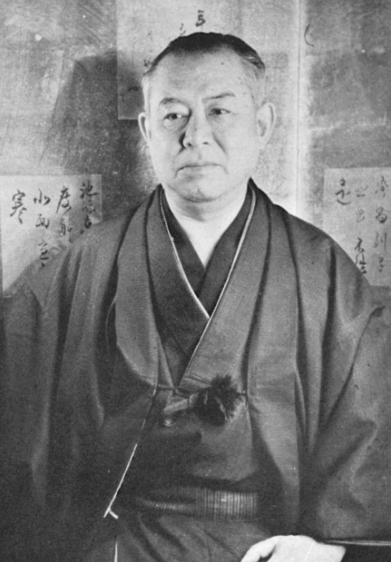
Jun’ichirō Tanizaki 

Jun’ichirō Tanizaki was a Japanese author considered to be one of the most prominent figures in modern Japanese literature, being indicated for a Nobel prize in 1964. Some of his works delve into the themes of destructive obsessions and sexuality exploration, while others portray subtly the dynamics of family life in the context of the rapid changes in the Japanese society at the time.  

Tanizaki played a pivotal role in Japanese literature during the Shinkankaku-ha movement of the early 20th century. This literary wave, defined by its emphasis on individualism, psychological exploration and the incorporation of innovative literary techniques, brought forth a transformation in storytelling. Alongside authors like Riichi Yokomitsu and Yasunari Kawabata, Tanizaki was committed to exploring the thoughts and emotions of his characters in a more direct and unfiltered manner. This approach allowed them to delve into the realms of desire, sexuality, and the intricate nuances of human relationships. This book is a prime example of the movement, as the characterizations and exploration of human desires align closely with its principles. 

Plot 

The book immediately draws you in, as it starts with an intimate conversation/confession between the main character and a friend, centered around an affair she had. The story is narrated by Sonoko Kakiuchi, a young woman trapped in a stifling marriage, who attends art classes at a women’s school. Rumors start spreading at the school of Sonoko’s alleged involvement in a romantic entanglement with another student, the beautiful Mitsuko. Despite barely knowing her, Sonoko feels inexplicably drawn toward Mitsuko, prompting her to initiate a friendship with the intriguing young woman. 

The sexual tension between the two starts building up until they eventually start an affair, making the rumors a “self-fulfilling prophecy”. As she starts to get increasingly involved into a complex web of lies, deceit and manipulation, both women are pitted against the social norms of marriage in a deadly game that will engulf them both, jointly with Mitsuko’s fiancé and Sonoko’s husband.  

The Japanese title, Manji, refers to the four-pronged Buddhist swastika, a symbol of the four lovers, in this case representing Sonoko, Mitsuko, Watanuki and Kotaro; the four main characters, three people that found themselves entangled as pawns in Mitsuko’s love game. 

Themes and Impact 

The characters within the narrative are multifaceted, with no clear demarcation between right and wrong. The whole book explores a murky sense of morality as it navigates through toxic relationships and dynamics. The narrative thoroughly delves into the concept of the anti-hero, compelling you to root for characters engaged in morally questionable acts.  

The story has a lot of unexpected plot twists that constantly challenge and reshape your perception of the characters. It is often that the seemingly naive character undergoes a transformation, becoming the antagonist. 

Tanizaki’s portrayal of women flourishing within a naturalistic social environment, where their lives are intricately intertwined with their inner selves, is both subtle and provoking. These women, restricted to domestic spheres and women-only schools, found themselves compelled into arranged marriages, navigating their inner thoughts and emotions alone. Frequently, they formed incredibly intimate, sometimes romantic, connections with their close female friends. The author depicts this hypersensitive inner world and relationships throughout the book, exploring its profound depths layered with a storm of emotions. 

The author’s innovative writing style and thematic explorations influenced generations of Japanese writers. Overall, Tanizaki’s contributions to Japanese literature lie in his ability to capture the complexities of human experience, his exploration of cultural shifts, and his innovative narrative techniques, all of which continue to inspire and influence the literary landscape. 

Style and Opinion 

The whole book has an aura of intimacy almost leaving you with the sensation of overhearing a conversation meant for a therapist’s ears, something you weren’t meant to witness, yet engaging from the first paragraph.  

This deeply personal narrative, shared in the first person, often conveys a nuanced portrayal of events, leaving room for interpretation. The reader has the feeling of an unreliable narrator, that can be totally blindsided by the unfolding events or their own feelings.  

The storyline is intricate and rich with unexpected turns, adding to the engagement without veering into implausibility or losing the thread of the intricate love affair triangle, later evolving into a quadrangle. All of this unfolds against the backdrop of a traditional Japanese society on the cusp of modernity, enhancing the complexity of the tale. 

It begs for the reader to ponder about what it is to feel powerless and ridiculous for love; about the limits of the selfishness one can indulge in the vein hope of the retribution of such powerful affection. How the pretense to love and the need to cling onto it can lead us into a path of self-justification and rationalization of actions that are not moral.  

“(…) And even of if it was wrong to be secretly in love with another man, what was so bad about being in love with a woman, someone of my own sex? (…)” 

Feeling powerless because of the uncertainty of someone’s feelings and intentions; an illicit affair fueled by love and irrationality that is all consuming is a timeless and universal subject as it is appealing to a passion ingrained in the core of human nature.  

All these themes are taken to the extreme in this book, as the main character acknowledges her own impotence and inability to back off a relationship that makes her feel like a “fool”. 

“So I found myself sinking deeper and deeper into the quicksand, and although I said to myself I had to escape, by this time, I was helpless. I knew I was being used by Mitsuko and that all the while she was calling me her dear sister she was actually making a fool of me.” 

Conclusion 

This book masterfully explores themes of jealousy, betrayal, and obsession within the context of illicit and unpredictable love. The characters’ intense desires and struggles against societal constraints and against each other create a deeply relatable and immersive experience for readers. The story’s authenticity and unexpected plot twists kept me thoroughly engaged. The author skillfully balances intricate character development with a suspenseful narrative, creating a compelling and thought-provoking read. I highly recommend this book for readers seeking a thrilling and fast-paced narrative that seamlessly combines suspense, romance, and psychological depth. 


Maria Catarina Franco

INVESTING IN GOOD FAITH: THE ISLAMIC FINANCIAL SYSTEM 

Reading time: 8 minutes

 Have you ever looked at something, and imagined what it would be like if it were… different? Say, what would the education system look like without the written word, or arithmetic without the concept of zero? Or what would the financial system be without interest? Many centuries ago, in Europe and all the Christian world, collecting interest was forbidden by the Church on the grounds of immorality, being universally recognized as a sin – the sin of Usury.  

Nowadays, the official stance of most western nations with respect to interest is significantly different – not only is it not condemned, but is actually regarded as a vital part of our economies. And it definitely is. It is impossible to imagine how our current financial system would ever work without this tool. Interest is a crucial part of loan taking, house buying, and savings. Politicians talk about it, economists worry about it, investors use it to generate returns. The concept of interest is inseparable from the concept of money itself. In most of the world, at least. 

Like the Catholic Church once did, some still consider interest to be immoral, or simply impossible to reconcile with their religious beliefs. Such is the case of the Islamic Faith.  

THE ISLAMIC VIEW 

Before we look at how this financial system is different from the main one, it is worth spending some time understanding its foundations.

  Text Box

A member of the Islamic community is supposed to comply with certain rules and guidelines, living their lives according to the teachings of the Faith in order to lead a moral life. To this code of conduct, we call Sharia (or Shari’ah) Law. Sharia is a complex subject. It requires interpretation of the will of God, something that has divided humankind for millennia. We are not likely to solve it in 1400 words. It is not the purpose of this article to explore the religious and legal complexities of Muslim-majority countries. Sharia law exists, and millions of people in the world follow it. Our focus is on how Sharia, and by extension the individuals that try to guide their actions by it, think of financial transactions

The Institute of Islamic Banking and Insurance states the objectives of Islamic Financial Transactions (i.e. Sharia compliant financial transactions) as follows: 

  • To be true to the Sharia principles of equity and justice
  • Should be free from unjust enrichment
  • Must be based on true consent of all parties; 
  • Must be an integral part of a real trade or economic activity such as a sale, lease, manufacture or partnership. 

The first three points can be considered more or less subjective – what constitutes equity, injustice or true consent are open for debate. Interesting as that debate may be, it falls out of our scope today. Let us then look at the fourth point. 

Sale, lease, manufacture and partnerships are no strangers in the traditional financial system. The key is the one missing – can you spot it? That’s right – debt! Debt-based instruments, so common in traditional financing, don’t have the same centrality in its Sharia compliant counterpart. Why is that? Well, we’ve stated the reasoning before: the Islamic Financial System absolutely prohibits paying/receiving “any predetermined, guaranteed rate of return”, that is, interest.  

Text Box

But why does the Islam forbid someone to be compensated for departing from their capital for a period? Doesn’t it recognize the Time Value of Money (the notion that having money right now is more valuable than the promise of the having money in the future)? As a matter of fact, it does! The difference is in understanding what constitutes capital. Ask any non-Islamic banker, investor or economist, and they will almost surely tell you that money is capital – a production factor, something that can be used to create more wealth. Islamic thinking draws a line: money is only seen as potential capital. It is only considered actual capital when it is employed in an actual productive activity together with other resources. Simply put, money sitting still is not productive, so you are not entitled to any compensation for lending it to someone who will actually put it to use. 

PRINCIPLES AND INSTRUMENTS 

So, what can actually be done inside this system? Well, any activity that complies with some basic principles

As previously discussed, interest (riba) is forbidden. It is regarded as an “unjustifiable increase of capital whether in loans or sales”. This is the central principle ruling mutual dealings. Borrowers and lenders should equally share the profits and risks – profits are a symbol of a successful enterprise, while interest is a cost independent of success, only on the side of the borrower. A supplier of funds is not a creditor, but an investor. Since money has no purpose unless tied to a real asset, speculation and gambling (maysir) are forbidden. Uncertainty or asymmetrical information (when one of the intervenients possesses information that the other one has no access to) are also prohibited in any transaction – contracts are sacred, and agents have a duty to disclose all relevant information beforehand. Hoarding is also not permitted, as well as trade in forbidden commodities (pork, alcohol, dealings with casinos, etc.).  

Many instruments that are present in the traditional financial system are also used by the Islamic Financial System. The most basic ones, which can then be combined to create more complex products, are cost-plus financing, profit-sharing, leasing, partnership and forward sale

APPLICATIONS 

As you can see, Islamic Financing is no more than a selection of the financial instruments and products that comply with certain religious and, especially, moral principles. If you think about it, it is not so different from how a food restriction works – if you and your friends go to dinner, the vegan friend will order something with no meat, the one with a seafood allergy will probably not get the shrimp, and some may choose to get water instead of wine or other alcoholic drink. And, of course, you are perfectly free to order a salad if you’re not vegan, or to ask for no peanuts in your dessert even if you have no allergy. And you are equally free to partake in a Sharia-compliant financial transaction, whether you are a Muslim or not

People can invest in an Islamic Financial Product regardless of their faith 

Islamic finance has been growing, and not only inside the Muslim Community. Its principles appeal to many, and it does have some advantages over the traditional system: as interest is forbidden, predatory loans can’t happen at all; income and wealth are more equally distributed, as every intervenient receives a part of the profits, regardless of how much capital they had at the beginning of the enterprise; speculation is forbidden, meaning the system is not so exposed to market bubbles (goodbye, 2008-like financial crisis!); and it is significantly more transparent and accessible. Many argue that it can help lift many out of poverty, especially if combined with ideas like Microfinancing. These characteristics indicate that Islamic Finance may be better equipped for sustainable development, a point that may prove to be of great importance in the years to come.  

Of course, it has some significant disadvantages too: it does not provide funds for all businesses (religious prohibitions prevent it from dealing with pork, alcohol and gambling firms) and, for all its efficiency in allocating resources to businesses with a greater chance of success and encouraging money to be fueled into real and productive activities, it can be argued that it does not maximizes investment profits (as interest is not charged). 

There is another detail that is worth pointing out: Islamic Finance comes with a moral compass (or at least a baseline). Whether this is a positive thing or not will probably depend on the degree to which you agree with the moral principles it is rooted in, but it is, undoubtedly, a point of difference between this system and the traditional one. 

The islamic Financial System serves millions of people worldwide

It is easy for some to look at the presented characteristics and to regard this system as limiting. We cannot argue it may not be limiting, but it is so in order to provide an option that answers the needs of millions of people, who do not wish to compromise their faith in exchange for a piece of wealth. Different cultures have different approaches, and we live in a wonderfully differentiated world. Imagine how boring it would be otherwise. 


Sources: Institute of Islamic Banking and Insurance, Corporate Finance Institute, Investopedia, World Bank, Blossom Finance, Wikipedia 

Joana Brás

Leonor Cunha