In early 2025, the Trump administration implemented significant cuts to U.S. funding for HIV prevention programs, both domestically and internationally. These reductions have raised alarms among global health experts, who warn of potential setbacks in the fight against HIV/AIDS.
Impact on Global HIV Prevention
The U.S. President’s Emergency Plan for AIDS Relief (PEPFAR) has been a cornerstone in the global response to HIV/AIDS, providing two-thirds of international financing for HIV prevention in low- and middle-income countries. Since its inception in 2003, PEPFAR has saved over 26 million lives by investing in critical HIV prevention, treatment, care, and support programs across 55 countries.
However, a 90-day pause in U.S. foreign development assistance, initiated on January 20, 2025, disrupted these efforts. Although a waiver was issued to allow the continuation of life-saving humanitarian assistance, including HIV treatment, the pause created confusion and disrupted services at the community level. In Ethiopia, for instance, 5,000 public health worker contracts and 10,000 data clerk positions, crucial for HIV program implementation, were terminated.
The Global HIV Prevention Coalition warns that if U.S. funding is not restored, there could be an additional 8.7 million new HIV infections among adults, 350,000 among children, 6.3 million AIDS-related deaths, and 3.4 million additional AIDS orphans by the end of 2029.
Domestic Consequences
Domestically, the Centers for Disease Control and Prevention (CDC) has faced significant budget cuts, particularly in its Division of HIV Prevention. An analysis by amfAR indicates that increased funding to this division was associated with a nearly 20% reduction in new HIV infections across the U.S. between 2010 and 2022.
The proposed cuts threaten to reverse this progress. The CDC’s HIV prevention funding, which totaled about $1 billion in FY2024, supports state and local jurisdictions in conducting health surveillance and targeting communities effectively. Reductions in this funding could lead to increased HIV incidence, with negative implications for individual well-being, public health, and healthcare costs.
Organizational Restructuring and Layoffs
The administration’s broader restructuring efforts have also impacted HIV prevention. The CDC is undergoing a major reorganization, with several divisions, including those focused on HIV, set to become part of a new entity, the Administration for a Healthy America (AHA). This move follows significant downsizing, with the CDC workforce reduced by 3,500 to 4,000 through early retirements and layoffs.
Additionally, the Presidential Advisory Council on HIV/AIDS (PACHA) is being overhauled, with all members removed and no timeline provided for appointing new ones. These changes have raised concerns about the continuity and effectiveness of U.S. HIV policy.
Global Health Community’s Response
The global health community has expressed deep concern over these developments. UNAIDS Deputy Executive Director Christine Stegling emphasized that while treatment continuation is vital, prevention efforts are equally crucial to controlling the epidemic. She highlighted that the funding pause has led to the closure of many drop-in health centers and the termination of outreach workers’ contracts, depriving vulnerable groups of support.
The World Health Organization (WHO) also warned that prolonged funding cuts could reverse decades of progress, potentially taking the world back to the 1980s and 1990s when millions died of HIV each year globally.
Conclusion
The U.S. has played a pivotal role in global HIV prevention efforts. The recent funding cuts and organizational changes threaten to undermine years of progress, both domestically and internationally. Restoring and maintaining robust support for HIV prevention is essential to prevent a resurgence of the epidemic and to continue the global fight against HIV/AIDS.
Economic Interdependence and Geopolitical Tensions in Northeast Asia
Introduction
China’s economy exceeded expectations, growing 5.3 per cent in the first quarter compared to the preceding year. Chinese businesses keep growing, after a boom in the mainland, bubble tea chains are eyeing stock market listings as they aim to expand overseas. The pace of China’s post-pandemic development should be a wake-up call for western manufacturers, writes Thomas Hale in the Financial Times. As this economic momentum accelerates, different perspectives on the way to deal with them arise, prompting questions about the role of economic cooperation in fostering interstate peace, particularly in the case of China.
Does economic cooperation lead to interstate peace in the case of China? In the differing International Relations theories, there are different approaches to this question; while liberal thinkers argue that the growth of economic interdependence between states can create pressures and incentives for states to pursue peace, realist thinkers have a more cynical approach.
An intensive trade culture and strong investment relations often lead to the interdependence of the regions involved and a more peaceful and stable environment. This is the case of Northeast Asia. However, this interdependence may also bring negative effects, such as the trade disputes between China and Australia, which arose from security and geopolitical issues. There are two major developments that depict the dynamic of economic integration and geopolitics of this region: The rise of China and the proliferation of regional trade agreements (RTAs).
Differing Perspectives and Expectations
As stated before, different theories take different approaches when it comes to interdependence between states and, namely, different expectations and perspectives in the case of the rise of China.
Former president of the US, Bill Clinton, a liberal voice, thought that China had to be brought inside the WTO (World Trade Organization) and that it was in the US’ interest to promote building prosperity and partnership with Asia. In order to get the China relationship right, it was necessary to increase the interdependence between the two countries: a more interdependent China would be a more cooperative China.
“The world will be a better place over the next 50 years if we are partners, if we are working together.” – Former President of the US, Bill Clinton
The realist counterargument against this policy is that the changing power position of China and the US will matter more than economic interdependence and democratic government. According to this approach, China will seek to use its power to expand its influence and control over its region, and perhaps the wider world. The rise of China – and its likely desire to dominate East Asia – will pose a fundamental threat to the United States in the near future.
“The best way to survive in this system is to be the biggest and baddest dude on the block. . . Nobody fools around with Godzilla.” – Political scientist John Mearsheimer, (Quoted in Nathan Swire, ‘Mearsheimer explores threat of China’, The Dartmouth, November 14, 2008)
Unravelling of China’s rise
China’s prosperity acted as an effective boost for regional growth due to the country’s rapid economic and technological growth. Nonetheless, this event also changed the power balance of the region, as China gained competitive power over other countries, ultimately resulting in increasing tensions.
The trade between China and the Association of Southeast Asian Nations has been increasing steadily. Since all these countries manage their relationship with China cautiously, this growth stresses the idea that an increased interdependence is highly linked with a sense of peace. Hence, as trade with China is crucial to the economy of these countries, they would avoid engaging in conflicts and anti-China policies.
However, and as stated before, this interdependency may lead to increasing tensions between the parties involved. Still following this example, although no government in the Asian-Pacific region has adopted a clear anti-China policy, there have occurred some sporadic anti-China riots in Indonesia, Malaysia, and the Philippines.
Proliferation of regional trade agreements
The rise of trade agreements, which create rules for trade and investment relations, reduces these risks by providing platforms to solve disputes, ultimately separating economic issues from security ones. In this context, the ASEAN free trade agreement was the pioneer, followed by bilateral and regional agreements. However, since relations between major players, like China, Japan, and Korea did not exist, their economic relations were prone to tensions.
Political conflicts and the trade systems
Countries often fail toseparate their political conflicts from their already established trade systems. For instance, South Korea and Japan are still imposing trade barriers due to the Japanese invasion that occurred many years ago. In other words, limiting trade due to geopolitical issues.
A good example of this is the US vs China chip war. In a nutshell, this conflict arises from the US concern that the Chinese army could surpass the US’ (one) in terms of overall power if they have easy access to their chip production process. The chip production process was spread across the US and its allies. Although China has increasingly been settling production centers of its own, a key part of the chip had always to be imported from these countries. This resulted in a series of protectionist measures, in particular, Chinese businesses and individuals being unable to buy advanced chips without a specific license from the US government.
On the article “An agenda for regional economic and security cooperation” Yose Rizal Damuri comments that these countries “must do more”. He argues that the key is to address these problems under a regional framework, rather than bilaterally, with region-wide agreements such as the Regional Comprehensive Economic Partnership (RCEP). Meanwhile it is also crucial to address common regional and global challenges together, for example, energy transition. However, these should be complemented by covering emerging issues such as intellectual property and cross-border digital investment. As mentioned in the article, specific common projects increase trust, facilitating conversation on difficult issues and ASEAN may be a key driver of these initiatives.
ASEAN
ASEAN, which is the Association of Southeast Asian Nations, is an intergovernmental organization that aims to promote economic and security cooperation among its ten members: Brunei, Cambodia, Indonesia, Laos, Malaysia, Myanmar, the Philippines, Singapore, Thailand, and Vietnam. The group has played a central role in Asian economic integration, joining negotiations to form the world’s largest free trade agreement, and signing six free trade deals with other economies in the region.
Nevertheless, the group’s impact remains limited due to a lack of strategic vision, diverging priorities among member states, and weak leadership. Their biggest challenge is said to be the development of a unified approach to China, since ASEAN countries are strongly dependent on China, and benefit a lot from this relationship. However, this relationship also limits their growth, thus, a balance between the advantages of trading with China and the risks from overdependency should be achieved. The aim of this would be not only to maintain peace but also to pave out a more resilient and sustainable economic future for ASEAN countries.
Looking ahead
So, what can these countries do? Some argue that the answer is to enhance diversification efforts – They can start by diversifying their trading partners which would mitigate the risks of their excessive reliance on China and would also create a viable alternative for businesses relocating from China. Strengthen trade agreements – An additional way of doing this would be to prioritize the intra- ASEAN trade and integrating supply chains. This would lead to diminishing dependence on imports for components and materials, for example in the sectors of electronics and cars.
Besides this, strategic trade relationships with other countries should be considered. This measure would not only grant ASEAN countries a greater access to significant markets such as Canada (for which there are ongoing negotiations to sign an agreement) but also, once again, promote trade diversification. Aligning China’s Foreign Direct Investment with sustainability – Interdependence with China cannot be abruptly broken, and it is important in maintaining peace. Following this rationale, as China’s FDI is important, ASEAN countries should ensure that these investments align with their sustainable growth goals, for example, transparency and accountability.
Conclusion
In summary, as China tries to steer a manufacturing-led revival of the world’s second-largest economy, the data from Beijing heightens Western concerns about Chinese competition. The opinions on how to approach this rising economy diverge, and the effects of interdependence are bittersweet. While on one side it may lead to peace and stability, since conflict is costly, on the other hand, it also provides room for disputes to emerge.
The ultimate consequence of this is the incapability to separate political issues from economic trade. There are many suggestions to address these matters under regional frameworks rather than country-to-country. To effectively do so, these agreements should be comprehensive including emerging potential causes of conflict, like the ASEAN.
Sources: Damuri, Y. R. (2022). An agenda for regional economic and security cooperation – East Asia Forum. East Asia Forum Quarterly: Volume 14, Number 4, 2022, 14(4), 5–7, Hawkins, A. (2023, July 5). Chip wars: how semiconductors became a flashpoint in the US-China relationship. The Guardian. Maizland, L., Albert, E., Hong, L., & Galina, C. (2023, September 18). What Is ASEAN? Council on Foreign Relations, Wester, S. (2023, November). Balancing Act: Assessing China’s Growing Economic Influence in ASEAN. Asia Society, XIA, M. (2018). “China Threat” or a “Peaceful Rise of China”? – New York Times. Nytimes.com, Hale, T. (2024, April 4). Manufacturers need to face up to new wave of Chinese competition. – Financial Times, Joseph Grieco, G. John Ikenberry, Michael Mastanduno (2024). Introduction to International Relations- Enduring Questions and Contemporary Perspectives
So, what is a poverty trap? At first glance, we can perceive that it associates a notion of persistency or inevitability with poverty. Well, a trap is, in fact, a situation in which one gets into, and from which it is difficult or even impossible to escape. So, to put it in a simple manner, let us use the case of the “nutrition-based poverty trap,” originally portrayed in the Dasgupta and Ray paper.
The common person will need food to perform their daily tasks and earn money, which, in turn, allows them to sustain their own existence. Take the case of a person with no energy or nutrients left in their body; certainly, the first few calories they ingest are going to be consumed by their body just to survive: they will not make her strong! Once the person starts to eat enough to survive, the following calories ingested will give her strength and energy to perform other activities. Thus, someone in poverty may not have enough to eat to become very productive, but if she could eat more, she would.
This portrays exactly the notion of the poverty trap, understood as self-reinforcing mechanisms whereby poor individuals or countries remain poor. Departing from the observation that poverty begets poverty, in such ways that current poverty can itself be a direct cause of poverty in the future.
But, why care about poverty traps? Because being in the presence of a poverty trap opens the possibility for a “Big Push”: a single push that could have disproportionately big benefits. Some examples, that have materialized, are the distribution of free bed nets, which carry massive health benefits regarding disease spread, namely malaria prevention; And the increased productivity gains for a community that a single season of free fertilization of fields can bring. However, it is necessary to understand that if we are not in the presence of a poverty trap, then providing help to those in poverty in this way will become a form of redistribution, but it won’t produce efficiency gains.
As bluntly put by Aart Kraay and David McKenzie, the idea of a poverty trap is very compelling in terms of motivating policy, because it suggests that people and countries may not only be unable to climb out of poverty on their own. But also, that much poverty is needless in the sense that a different equilibrium is possible at a much higher level of income and that one-time policy efforts may have lasting effects.
Let’s move now to the concept of Foreign Aid. The Development Assistance Committee (DAC) of OECD defines Official Development Assistance (ODA) as: “The flows provided by official agencies, including state and local governments, or by their executive agencies, to countries and multilateral institutions, that are administered with the objective of promoting economic development and welfare of developing countries.”
The aid debate: Context
To better understand the debate around Aid, one should first examine its origins, or better yet, the context in which it occurred.
The Aid legitimacy crisis in the 90s emerged because of significant shifts in the international landscape. Following the end of the Cold War, the political foundation of bilateral aid underwent a profound transformation as the focus shifted towards aid’s economic effectiveness. Moreover, the 90s saw donor countries grappling with economic crises and strong budgetary constraints, particularly EU countries, which led to a sharp fall in aid flows. At the same time, recipient countries started to face increasing debt burdens and financial crises of their own. This sparked the broader debate over the need to reform the international aid architecture, particularly reshaping the role played by multilateral institutions in addressing the root causes of instability in recipient countries.
Positions: Is Aid Effective?
The 90s marked the beginning of a period where questions arose about the efficacy of the existing aid mechanisms and three main positions on the role of Aid emerged:
AID ENTHUSIAST
The first position, by the American economist Jeffrey Sachs, emphasizes how poverty stems from a lack of six crucial types of capital: Natural, Human, Infrastructure, Public institutional, and Knowledge capital. Sachs argues that governments should offer extensive Aid to these areas because of the existence of natural monopolies in essential services, like power and transportation, public goods that benefit everyone without depleting resources, externalities, such as disease prevention and education, that have widespread benefits and that societies worldwide aspire to ensure universal access to critical goods and services as a fundamental right.
One example of a successful large-scale policy was “The Green Revolution”: when the Rockefeller Foundation promoted high-yield varieties, of staple crops, fearing a massive hunger in more rural populations. Mexico went from a large net importer of grain to a large net exporter in just 20 years and India followed in its footsteps, going from 11m tons of wheat production in 1960 to 55m tons in 1990.
Sachs proposes the Millenium Development Goals as the solution. The programme establishes that poor countries have no guaranteed right to receive assistance from rich countries to meet the MDGs, with this right conditional on countries’ commitment to good governance. However, the biggest problem today is not that poorly governed countries get too much help, but that the well-governed ones get far too little.
THE DEATH OF AID
The second position, developed by the Zambian economist Dambisa Moyo, identifies aid dependency as the major obstacle to progress. She notes how, despite African countries having received over US$300 billion in development assistance since 1970, aid-dependent countries have experienced negative economic growth, and poverty rates have skyrocketed up to 60% in the same period, up until 1998. Moyo contends that aid inflows exacerbate problems in African nations by reducing government accountability to taxpayers, discouraging entrepreneurship and innovation, and fuelling corruption and conflict.
Figure 2- The impact of remittances.
Contrasting the African landscape with the success of Asian emerging markets, Moyo suggests as alternative strategies the access to international bond markets, and the attraction of large-scale direct investment in infrastructure, such as the Chinese investment policies. Moyo also advocates for genuine free trade in agricultural products, by ending farmer subsidies in major economies like the US, EU, and Japan and the promotion of financial intermediation, fostering the spread of microfinance institutions, granting legal titles to property for use as collateral, and facilitating remittances.
AID BACK IN THE POLICY MENU
The third and final perspective is presented by the British economist Paul Collier, who views aid as a fundamental part of a broader strategy for addressing global challenges. Directly advising policymakers on the issues concerning the “Bottom Billion”, Collier identifies 4 Traps that hinder development:
1. “The conflict trap”: Many of the world’s poorest countries are trapped in cycles of violence and conflict, which disrupt economic development and perpetuate poverty. “73% of people in the societies of the bottom billion have recently been through a civil war or are still in one”. 2. “The natural resource trap”: Countries rich in natural resources often suffer from commodity price volatility, political checks, and deteriorated balances as accountability deteriorates. 3. “The Landlocked trap”: countries that are landlocked face significant challenges in accessing global markets, which hinders their ability to trade and grow economically. “While in the World as a whole only 1% live in landlocked resource-scarce areas, in Africa, that same percentage goes up to 30%”. 4. The trap of bad governance in small countries, as in small countries, the government necessarily plays a larger role in guiding economic development.
To address these same challenges, Collier suggests four main tools:
1. Targeted aid programmes to help alleviate poverty and address the root causes of underdevelopment. 2. Military intervention, is necessary for maintaining peace in post-conflict situations and preventing coups. 3. International agreements and legal frameworks that can help address issues such as corruption, resource management, and governance. Examples include the Kimberley Process for diamond certification, aimed at curbing the trade in conflict diamonds. 4. Reforming trade policies in the West (“Rich countries’ trade policies” include agricultural subsidies to their own sectors and higher tariffs for processed materials) and Improving access to global markets.
Is Aid effectiveness supported by the data?
Although relevant, these three positions are simply the theories of their authors. Thus, to have a more comprehensive understanding of the issue around aid, one must observe what the real data reveals. Many studies have been developed regarding the effectiveness of Foreign Aid. In this article, only the Rajan and Subramanian paper on Aid and Growth will be referred to as its data gives comprehensive coverage of all variations of the aid-growth relationship.
One of the key findings of their analysis was that the relationship between aid and economic growth is complex and context-dependent: there is evidence that aid works better in better policy or geographical environments, and that certain forms of aid work better than others. This brings out the need to move away from one-size-fits-all approaches to foreign aid and instead tailor interventions to the specific context and needs of each country. Rajan and Subramanian also observe little robust evidence of a positive relationship between ODA inflows into a country and its economic growth. Thus, empirically, no conclusions can be made regarding the relationship between both variables.
Overall, diverging political views on the role of aid bring dynamism to the Foreign Aid debate. Although one position is yet to be selected as “the right one”, it is easy to see how they can be complementary to each other. They have inclusively been the root of many projects that have already improved people’s lives, with Sachs’s preferred example remaining “The Green Revolution”. So, before deciding whether Aid carries efficiency gains and other benefits for developing economies, keep in mind, as prize winner Esther Duflo once said: “Innovation often comes from unexpected sources; we should be open to diverse perspectives and ideas.”
Sources: Duflo, Esther, and Abhijit Banerjee. Poor economics. Vol. 619. New York: Public Affairs, 2011. Kraay, Aart, and David McKenzie. “Policy Research Working Paper 6835.” Policy (2014). Dasgupta, Partha, and Debraj Ray. “Inequality as a determinant of malnutrition and unemployment: Theory.” The Economic Journal 96, no. 384 (1986): 1011-1034. Collier, Paul. The bottom billion: Why the poorest countries are failing and what can be done about it. Oxford University Press, USA, 2008. Rajan, Raghuram G., and Arvind Subramanian. “Aid and growth: What does the cross-country evidence really show?” The Review of economics and Statistics 90, no. 4 (2008): 643-665. This article was built on slides by Victoire Girard.
Wouldn’t it be nice to live in a world with no poverty, no discrimination, clean energy, and peace for all mankind? Fear not, such a world is in the making! Well, at least in its planning stage…
In 2015, the UN adopted the SDGs, Sustainable Development Goals, as a “universal call to action to end poverty, protect the planet, and ensure that by 2030 all people enjoy peace and prosperity”. Together they represent 17 goals, 17 areas of action, each interconnected, all contributing to power-sustained social, economic, and environmental development, particularly for those who are furthest behind.
The 17 Sustainable Development Goals
We gave ourselves 15 years to accomplish all of this. Right now, we are roughly midway through this ambitious deadline. How are we doing so far?
Meeting the goals
The 17 SDGs are divided into 169 targets. Meet the targets, and we meet the Goal they belong to. Seems easy, right? Let’s take a look as to how much we have accomplished up until now…
Progress on each target, coloured by respective SDG
The question that now presents itself is whether or not we are currently up to date. Well, the truth is that when the goals were first agreed upon, no one thought of the possibility of a pandemic of the caliber of the Spanish Flu or the Plagues of many centuries ago imposing a worldwide lockdown and an almost total shutdown of the world economy. Oops. Or that one of the largest suppliers of grain in the world would be invaded by its neighbor with imperialistic tendencies, who happened to be the top energy supplier to several European countries. Double oops. Or that the Taliban would return, the USA would drop out of the Paris Agreement for a few years, or… You get the picture. The last few years have been filled with “once in a lifetime” and “unthinkable” events, that, due to their unpredictable nature which has made them unable to be accounted for in advanced, have hindered progress in an already superhuman task.
Every year, the UN releases a report reflecting the respective SDGs’ progress. Unfortunately, the 2022 report has some not-so-fantastic news…
Checking the numbers
Indicators by Goal
Progress on each Goal, and on each of its individual targets, is tracked by 232 unique indicators, whose new version was launched in 2018. If we want to know how far down the road we are, those are the numbers we should be looking at.
According to the previously mentioned Sustainable Development Goals Report of 2022, the COVID-19 pandemic was the event that had the greatest impact on the progress in all SDGs. And, of course, largely not in a positive way.
Take the 10th SDG – Reduced Inequalities, for example: The pandemic caused the first increase in between-country income inequality in a generation! Indeed, for the first time in this generation, the gap between rich and poor countries widened, instead of decreasing, as it had been the pattern in the past years. Between 2017 and 2021, inequality in country incomes rose by 1.2%, while the projection with no COVID would have been a 2.6% decrease. Another 4 years of progress were wiped out in the 1st SDG – No Poverty. 2020 marked the first time in the 21st century where the working poverty rate actually rose, from 6.7% to 7.2%. It may not seem like a big change, but those tiny 0.5 percentage points represent 8 million additional workers who crossed the line into poverty (close to the current total population of Portugal!). To add to the problem, widespread high inflation, coupled with the Ukraine War, are most definitely not helping the recovery, with many significantly sized economies having been affected due to a large dependency on Ukrainian grain and/or Russian energy. The Russian invasion threw Europe and its surrounding areas into disarray, sending waves of repercussion throughout the world.
An excerpt of the 2022 SDG report – SDG12
If poverty rates are not doing well, it should come as no surprise that world hunger is following in its path. Hunger is particularly troubling in young children. Have you ever heard of stunting? It is the impaired growth and development of children due to malnutrition, meaning that a child simply does not have enough food to adequately grow, bearing lasting consequences in health and cognition. In 2020, 149.2 million children under the age of 5 suffered from stunting. The SDG agenda aimed at a 50% reduction in this number by 2030 – that appears to be an impossible feat unless the rate of decline doubles, which, given rising food prices and inequalities, doesn’t seem likely. Think of how this impacts the future. World Health (SDG 3 – Good Health and Wellbeing) will surely suffer, adding to the setback we already saw during COVID (which, as a disease, primarily impacted health).
But let’s not be so gloomy! If the pandemic had such an impact, the solution should be as simple as directing all effort towards recovery, and reversal of the impact will follow, right? Unfortunately, it is not that easy. Efforts to recover economically imply a heavier reliance on cheap energy, resource exploration, and production, much of it highly polluting. In 2021, as the economy re-heated, so did the planet: energy-related CO2 emissions were the highest ever. SDG 13 – Climate Action progress is stumped. Countries are not contributing the yearly 100 billion they committed to for climate action (less than 80% of the goal is met). And just because the world is recovering, it doesn’t mean everyone is doing so at the same rate. Progress on the 9th SDG – Industry, Innovation and Infrastructure is mixed: total global manufacturing caught up with the setback from the crisis, but Least Developed Countries (LDC) still haven’t! The Sustainable Development Goals seem to have been left behind amidst recovery efforts.
UN COVID-19 Response and Recovery Fund
But not all is bad news. The 17th SDG – Partnerships for the Goals, has seen some progress, although not in all fronts. Official Development Aid reached an all-time high in 2021 (largely from COVID-related aid). Internet access and use also saw a significant increase during the pandemic. Pleas and efforts towards Global Peace grew as well, although the balance for the 16th SDG – Peace, Justice, and Strong Institutions is largely negative: we are seeing the largest number of violent conflicts since World War II, thus reflecting hardly any progress towards peaceful coexistence.
Is there still hope?
These news are definitely rough to hear. All the progress we were making, the difficult yet sure steps we were taking towards our ultimate goal of a better world, were wiped out in just a couple of years. So, one may start to wonder, is it still worth it?The SDGs were already immensely ambitious, and the setbacks of recent years seem to mean we will not be able to achieve them, and definitely not by 2030. Should we just give up?
Hey, not so fast! Just because we’re falling behind, doesn’t mean we can’t finish the race. Setting a high bar means incredible high results, even if you never reach the mark exactly. The SDGs are not just a wish, they’re the standard the members of the United Nations hold themselves to. Even if we fall short of perfection, we have an obligation to continue to strive towards it.
In 2015, countries committed themselves to improve the world. The task requires all citizens to embrace that mission, and the Sustainable Development Goals are the targets we should aim for to accomplish it. So go ahead. Spread the message. Act. Change the World.
You can find the 2022 Sustainable Development Goals Report here.
Sources: United Nations, United Nations Development Programme, OECD, Our World in Data, World Health Organization, SDG tracker.
Gross Domestic Product (GDP) is the standard measure for the value added generated by the production of goods and services in an economy over a specific time period – the total value of all goods and services produced in a country minus the value of the goods and services required for their production. But is it enough to measure a country’s development?
This measure can be divided by the country’s population, returning the amount of money that each individual gets in a particular country, known as GDP per capita, which provides a much better determination of living standards as compared to GDP alone, allowing comparisons between countries of different sizes.
GDP per capita per country in 2020
Since it is simpler to quantify the production of commodities and services rather than measure other welfare accomplishments using a multi-dimensional index, GDP is the most commonly used indicator to gauge economic growth. However, it is not asufficient indicator of development on its own. Development is a multifaceted idea, with not only an economic component but also a social and environmental one that should just as well be taken into account.
Economist view
Thomas Piketty, renown professor and French economist, states that future economic downturns brought on by technological or populational reductions would most likely result in enormous concentrations of economic and political poweras the richest individuals amass more capital (or wealth). In line with this, he claims that inequality is rooted in ideology and politics and argues that his beliefs explain the fundamental flaws in capitalism’s market system. Given this, Piketty says it cannot be expected that sustainable development would always result from an increasing GDP.
Thomas Piketty argues against using GDP growth as synonym for development
Other economists have also weighed in on the topic, as exemplified by Nobel Prize-winning economist Simon Kuznets´s view that GDP should not be used as a gauge for “the welfare of a nation”.
Moreover, Nancy Folbre, professor of economics at the University of Massachusetts Amherst, once said that “Time that you spend taking care of your kids is very valuable time, but it doesn’t get factored into GDP.” According to Folbre, about half of the time people spend working, on average, is unpaid work which is not accounted for in GDP. She thus states that the GDP measurement will only be able to provide an estimation of a portion of the overall economic picture that is regularly taken into account.
Alternate measures
As an alternative to GDP per capita, the United Nations Development Programme (UNDP), The World Bank, and the non-profit Social Progress Imperative, launched, respectively, the Human Development Index (HDI), the Human Capital Index (HCI) and the Social Progressive Index (SPI).
The Human Development Index
The Human Development Index (HDI), an indicator of the multi-dimensional aspect of development, incorporates the conventional approach to measuring growth in the economy while accounting as well for education and health, which are key factors in determining how developed a society is. This is determined by taking the geometric mean of the GDP per capita, the life expectancy at birth, and the average of the mean and expected school years.
Human Development Index per country in 2017
The Human Capital Index
The Human Capital Index (HCI)ranks 157 countries on a set of four health and education indicators. The main advantage is that, unlike GDP, it emphasizes output rather than input. For instance, the weighting of educational quality in relation to school years is better when it is determined by actual adjusted learning. The main criticism of the HCI is that it might overvalue the tangible advantages of health and education, commoditizing people instead of valuing their contributions to society and inherent status as fundamental human rights. However, it is anticipated that the HCI will be used primarily by developing countries to quantify the outcomes of social sector investments, leading to increased expenses on human development, which the World Bank claims has been overlooked in favor of infrastructure and institutional development.
The Social Progress Index
The SPI is arguably a more accurate metric for assessing societal development. Created by the non-profit organization Social Progress Imperative, the SPI is one of the main achievements of the Stiglitz-Sen-Fitoussi Commission on the Measurement of Economic Performance and Social Progress. The Commission’s main goal was to look into alternative metrics to the one-dimensional GDP measure for measuring a nation’s wealth and social development. Despite only having data for the past four years, this indicator is still relatively new and covers more than 130 nations.
The SPI is an improvement over the HDI because it increases the number of composite indicators from four to fifty-four in a variety of areas, including fundamental human needs, well-being pillars, and advancement opportunities. This index can therefore synthesize the most important factors that influence development. As an illustration, it considers the availability of water and sanitation, education and health outcomes, public crime, housing, information access, and communication, among others. Naturally, the SPI’s primary flaw is that it is comparatively complicated and impractical to use in informing policy decisions.
Social Progress Index per country in 2021
Weakness of GDP – Examples
The biggest weaknesses that are attributed to GDP target the fact that it solely considers average income, hence failing to reflect how most people actually live or who benefits from economic expansion. Many crucial elements that affect well-being are not included in how much consumable material things people produce, such as a healthy environment and good physical condition.
For instance, an oil spill can raise GDP because it costs money to clean it up, but it also has a negative impact on the environment. Besides this, GDP includes the value of the sugar-sweetened beverages we sell without deducting the health issues they cause. In a similar fashion, it counts the number of cars we make without accounting for the amount of emissions they produce, and adds up the cost of developing new cities without deducting the cost of replacing vital forests.
Moreover, there is concrete evidence, such as the data from The Office for National Statistics (ONS), which reports that the UK’s annual GDP growth averaged just under 2% from 2009 to 2019. In contrast, over that ten-year period, income inequality rose by 2.2%, and in the year ending March 2020, the ONS’s annual average ratings of life satisfaction, happiness and anxiety all declined. Despite GDP growth, the trend of rising income inequality shows that not everyone is benefiting from it or living a prosperous life, proving that GDP is a poor indicator of citizens’ well-being.
Conclusion
Although GDP is a rough indicator of a society’s standard of living, it does not directly consider leisure, health, education, environment, changes in income inequality, advances in technology or the importance that society may place on different types of output, be that positive or negative.
The World´s Happiest Countries (2015)
All aspects of the standards of living, whether they are purchased and sold on the open market or not, have an impact on people’s happiness, and that is why GDP is not a perfect measure for a country’s development. Given this, the HDI, the HCI and particularly the SPI, have come to try to solve some of the concerns raised over GDP´s accuracy, adding important information on a country´s development levels.
Sources: International Growth Centre, Scientific American, Our World in Data
With the global population growing and industrialization spreading in developing countries, humanity’s hunger for energy has reached unprecedented levels. Currently, energy is the largest source of greenhouse gas emissions from human activities, and developed countries are the main ones responsible for this crisis. The average person in these countries consumes 100 times more than the average person in some of the poorest countries.
With increasing awareness about the environmental effects of burning fossil fuels, the call for a more sustainable base has never been louder. All around the world, developed countries are powering towards a low-carbon future by embracing solar, wind, geothermal and other renewable energy sources. However, developing and emerging countries still face challenges regarding this new transition.
Making a distinction between these two types of countries, developing countries rely primarily on agriculture, having a low income per capita. On the other hand, emerging countries have already witnessed economic growth due to the development of the industrial and technological sectors.
Sustainable Energy in Developing Countries
Energy access is not equally distributed around the globe. In fact, many developing countries, like Kenya or Ethiopia, are just starting their process of industrialization, and electricity is still not available to everyone, as approximately 13% of the global population still lacks access to this primary need.
Energy poverty is not only a matter of sustainability, but also a major problem for human physical and mental health. It is estimated that, around the world, people spend a combined 200 million hours a day collecting water, a colossal waste of their valuable lifetime.
This crisis affects women disproportionately, making up nearly 75% of those affected by energy poverty. Women are the main consumers of electricity in households since social norms have (sadly) assigned them the responsibility of housing chores like cooking or washing, which require electricity, making them especially vulnerable to the effects of energy poverty.
Moreover, it affects health through different pathways. Exposure to cold temperatures due to the lack of energy is known to be associated with high blood pressure, heart attack and stroke risks, among other diseases. This impacts the day by day of every individual that lives under this circumstance, from the child that cannot have a properly cooked meal to the doctor that could not save a life due to the lack of electricity.
Doctors struggle to give their patients proper care without reliable electricity access
Insufficient energy also jeopardizes agriculture and manufacturing, thus keeping the poorest countries trapped in a vicious circle between energy poverty, air pollution and inequality; and they cannot afford the energy that can drive them out of this cycle. So, what is stopping countries to ensure worldwide energy access in an affordable, reliable, and sustainable way?
Developing nations are quite different within themselves, but they face similar challenges when it comes to energy sustainability. Let’s unwrap the idea a little more. One of the biggest constraints to attaining the previous goal is geographical, as the population in need is primarily concentrated in rural regions with no grid energy, and its extension is frequently financially and logistically impossible. In truth, fossil fuels were at the heart of industrial revolution, providing huge economic benefits to Western countries. Burning fossil fuels enabled an era of explosive growth for selected countries leading to extensive advances in productivity, income, wealth and living standards.
Energy grids don’t reach everyone
As developing countries now express the wish to industrialize and share those same benefits, they must find a way to do so sustainably. They cannot let themselves fall into the same fossil fuel dependency trap western economies did. Therefore, the future must be sustainable, and renewable energy should receive early attention in these high growth areas. Improving efficiency and reducing carbon dioxide is easier and less expensive to achieve at the time of the new construction for energy, rather than at later stages. So, it is indeed an initial investment worth making. Besides that, many of these initial costs are money that otherwise would have been spent on fossil fuel exploration, extraction and conversion to electricity.
In the long-run, sustainable energy alleviates a country´s balance of payments. The initial investment could be high, however, renewables, like solar or wind, are the cheapest source of power. Also, most developing countries have abundant renewable energy resources, which decreases manufacturing costs. Thus, this gives developing countries a competitive advantage when compared to emerging economies.
Countries have a choice between investing in fossil or renewable energy
This idea is not just as theoretical and utopical as it may seem. Sustainable energy is already making an impact in the developing world, with many developing countries using renewable energy sources, an idea considered science fiction only a few years ago. In the last few years, these nations invested more in these technologies than developed countries, accounting for 63% of global investment in renewable energy (when viewed on per gross domestic product basis). However, it is important to refer that the economic distress caused by COVID-19 may jeopardise future investments.
Power Africa
Two out of three people in sub-Saharan Africa lack access to electricity, being one of the most serious barriers to long-term economic growth and development in this region. Launched in 2013 by President Obama, Power Africa program’s goal is to install at least 30 000 megawatts of cleaner and sustainable energy by 2030, as well as 60 million new households and businesses. It is meaningful to select and prioritise efforts. Policymakers must continue to develop effective policies to secure a successful transition to sustainable renewable energy systems within the framework of sustainable development.
Sustainable Energy in Emerging Countries
The main problem regarding sustainable energy in emerging economies lies in the transition from fossil fuels to renewable energy sources for electricity generation. Part of the industrialization of emerging economies, like China or India, involved already non-sustainable energy, using fossil fuels, so there are already sunk costs when investing in sustainable energy. Countries such as Costa Rica and Brazil use renewable energy as their primary source of energy, accounting for 90% of Costa Rica’s and 85% of Brazil’s energy production.
Solar Energy International (SEI) opened its first International Solar Training Center in Costa Rica in 2018
In the last decade only, China has grown to become a renewable superpower, dwarfing all developed countries in terms of renewables. China is also making efforts to become an important environmental partner for African countries, providing financial and technical assistance to developing countries. Recently, it also announced two new Chinese funds totalling US$ 5.1 billion to help developing countries tackle climate change and development problems.
War Impact
The current Russia-Ukraine war is having an impact on how the world sees fossil fuel dependence. Many voices in Europe are now, more than ever, questioning the continent’s heavy dependence on Russian oil and gas for energy. The threat of official sanctions on Russian fuel is strengthening the argument for a shift towards endogenous, sustainable energy sources. Some countries turning to clean energy may just be what is needed to weaken the crude business for the transition towards sustainable sources to be recognized as inevitable.
Many question Europe’s dependence on Russian oil and gas
However, there is a danger that countries will not use this event as a chance to make deep, structural changes to their energy systems, but as an opportunity for quick profits. A European ban on Russian imports will leave large quantities of oil ready for the taking, which could be an incentive for other countries to do just that. India, for example, has already begun to heavily import Russian crude. If prices rise, they stand to gain a reasonable profit from refining Russian oil and selling it onwards, for example, to Europe.
Sources: Open Edition Journals, Our World Data, Science Direct, OCDE, Enel, Inspire Clean Energy, The Economic Times.
Mobile phones, clothes, flowers, or shoes. Many of the products we consume and use every day are produced by people trapped in what is called labor exploitation. First, what do we mean by labor exploitation and what are its principal forms and characteristics around the world? According to the International Labor Organization (ILO), labor exploitation involves workers who, against their will, accept miserable overworking conditions and receive low wages.
In other cases, such as that of forced labor situations, workers are coerced to work due to violence or intimidation. Truth is, it is a challenge to define such complex concepts since its definition varies across the globe. There can be a lengthy debate of when a worker is acting out of free will or under coercion. People in extreme poverty may be forced by economic reasons to accept unfair working conditions. Irregular migrants are particularly at risk, as without legal documents they may put up with anything rather than risk denunciation to the authorities followed by deportation.
According to the International Labor Organization, approximately 25 million people are estimated to be within situations of forced labor, seeing their rights taken away. This translates into 5,7 victims of forced labor for every 1000 humans.
Prevalence (per 1000 persons) of forced labor, by age and category
Although forced labor is more predominant in under-development countries, it can be found in every corner and industry of our globalized world.
Number and prevalence of persons in forced labor around the world
A Poverty cycle
Why would anyone willingly put themselves in a position so vulnerable to the exploitation by others? Shouldn’t they simply find a better job, perhaps pursuit higher levels of education? Surely, it should be easy…
Poverty creates vulnerability to these detrimental forms of work, which in turn contribute to perpetuate the poverty of the workers. It is not a cycle one easily escapes from. Just try and put yourself in such a worker’s shoes: to leave your exploited position (assuming you even have the option to walk away) will mean a significant reduction in income, which you may not be able to afford. Even if you managed to scrape up enough savings to put yourself and your family through a jobless period, there’s still the question of finding another job. Remember, you are a poor, likely uneducated, unskilled laborer. Do you think there are lots of opportunities available?
If the job doesn’t pay well, savings are likely to be scarce, and no company can compete for long with the low prices, achieved by those grossly underpaying for labor, leaving only the exploiters to provide work for the entire labor force.
Increasing qualifications is also not an option: education is costly and requires time, and long hours working for little time doesn’t leave much room for personal investment.
Forced Labor in Supply Chains
We all know we live in the age of globalization. The t-shirt you are wearing right now may have been to more countries in its short existence than you have in your entire life, one land per stage of production. And yet, it still manages to make its way to you so amazingly cheap! Ever wondered how? (1)
The truth is many companies exploit their workers to cut costs.
Most products go through a lengthy chain of producers, manufacturers, distributors, and retailers before they reach each consumer. Consequently, it is a challenge to control who is working where and under which conditions. Companies have a responsibility to ensure no forced labor is being used in the production of the goods they sell, playing a key role in building a sustainable economy and society.
Agriculture provides the raw materials for most finished products – the sector is packed with cases of forced labor
Some companies have taken measures proactively. However, decades of “voluntary corporate social responsibility” have failed to protect people. There is a need for a higher-scale improvement that is hard to achieve with voluntary action.
Fortunately, progressive steps have been made to combat forced labor, such as the development of modern forced labor legislation. The Introduction of the UK Modern Slavery Act required large corporations to report their efforts to tackle forced labor in their supply chains.
Additionally, at the beginning of 2022, the European Commission released its highly anticipated mandatory human rights and environmental due diligence directive to foster sustainable and responsible corporate behavior across global value chains. This is a notable moment in the history of human rights. This purpose would impose a large duty on EU and third-country companies to identify and address actual and potentially harmful impacts on human rights in the firm’s operations, as well in value chains.
Children
Children around the world are also routinely engaged in labor that is considered detrimental to their health and development. In the world’s poorest countries, slightly more than 1 in 5 children are engaged in child labor. Eastern and Southern Africa have the largest proportion of child laborers, having approximately 26 % of children aged 5-17 performing this type of activity.
The entire exploitation chain is particularly vile when with comes to kids. Children who are forced to work (either by someone or by their circumstances) are the ones who will have more trouble breaking the cycle.
Child workers are paid even less than adults and are often preferred by employers, as they are less likely to strike or have demands. Besides that, a large pool of child labor available hurts unskilled wages, worsening the poverty issue and delaying even more technological progress. This leads to harder conditions for families, who are more likely than ever to send their children to work.
Because it is children that we are talking about, the consequences spread even further along in time. Working children are more likely to underperform academically, as shown by data from 12 Latin American countries; they find that third and fourth graders who attend school and never conduct market or domestic work perform 28% better on mathematics tests and 19% better on language tests than children who both attend school and work. Besides that, they are also more likely to drop out of school, which has negative consequences on the child’s development and their future prospects, and on the country’s chances of social and economic development.
But surely, everyone agrees child labor is bad. Why isn’t it simply forbidden?
In most places, it is. But, again, it is not so simple as that. Even in some places where they technically can’t, children continue to work, mostly in agriculture or factories. And we must remember that many of these little workers are the sole providers, or at least a crucial part of their sustenance for their families (with their parents being unemployed or unable to work).
The ILO estimates that some 246 million children are currently involved in child labour
How to end
What if we just ended it? What would the actual impact be?
There are two major sides to consider when answering this question: these workers’ incomes and the impact on consumers of the products they contribute to.
We’ve discussed already the negative impact on these families of simply removing these exploitative jobs, namely their reduction in income. To prevent them from (further) descent into poverty, either robust welfare programs would have to be set up, were the job posts to simply disappear, or firms would keep the worker, now paying fair wages and not engaging in harmful practices for their employees.
Either way, production costs go up, which the manufacturers can either absorb (assuming they can afford it) or pass along the production chain to the consumer. So, consumers will likely be paying more. Remember your well-traveled t-shirt? Not so cheap anymore. The same goes for your coffee, your chocolate, or your electronics.
In more concrete figures, we are talking about a practice that annually generates 150 billion USD in profits, an ILO estimate. The same organization estimates ending child labor alone to cost around 760 billion USD worldwide (including the cost of adequate schooling for all 246 million kids now working) to achieve long-term benefits worth 5.1 trillion.
How about those augmented prices? Although it is hard to estimate what that would look like, we can use products now in the market which are branded Fairtrade (meaning, among other things, that they stay clear of labor exploitation in their production chain) as a proxy of how much more the average consumer would have to pay for everyday items. A quick search online shows, for example, chocolate with a fairtrade stamp priced at 2.70€, over twice what a similar chocolate costs. A t-shirt marketed as Fairtrade can cost as much as 30€ – the same as several packs of shirts in some stores.
Fairtrade products are often more expensive
Of course, some of the disparity comes from other practices in Fairtrade (environment-friendly, etc.) or simple lack of economies of scale, but the fact remains: breaking away from this cycle will be costly. Yet, it surely is a price worth paying.
(1) To find out more about this check out our article about Fast Fashion here.
Sources: Unicef, International Labour Organization, Delta Net, The Woodgrove Outlander, BIICL, White & Case, European Commission, EY.
Food crisis has been a reality in Africa for many years, and at this point images of malnourished African people, although still shocking, are no longer news. In 2020, due to the pandemic, we saw a tremendous worsening of world hunger. This calls for an urgent change in the primary sector, mainly to more sustainable practices.
If we don’t change the way we are operating in the agri-food systems we won’t be able to achieve the SDGs (sustainable development goals), and the goals for 2030
Food and Agriculture Organization of the United States Chief
Mother and child in Nigeria suffering from hunger and malnutrition
The primary sector still stands as the main driver of African economies. Modernization and research on this matter are, however, far from its potential, as most workers are still unqualified. Aligned with this is the lack of farmers commitment to change their practices and see the long-term results of overexploitation. Consequently, responsible and fact-based agriculture is rare, especially in rural areas. These damaging agricultural and pastoralist methods, alongside climate change and its resulting extreme weather conditions, will be unsustainable for African ecosystems. As consumers begin to value organic and chemical-free production, a greener approach could improve both the environmental and economic situation of African nations. Sustainable agriculture is an almost perfect fit with Africa’s current state.
But what is meant by sustainable agriculture?
This concept consists of managing renewable natural resources in such way that provides food, income and livelihood for present and future generations, while maintaining or improving the economic productivity and ecosystem services of these resources. This type of farming combines environmental safety with economic profitability and efficient use of non-renewable resources. Conserving water resources, reducing the use of chemicals, developing ecosystem and crop biodiversity are just some of the goals of sustainable agriculture.
Over the years, value and demand for organic products has increased, thus by adopting sustainable agricultural practices, Africa would distinguish itself from most of the developing world that, unfortunately, has been increasing its use of pesticides and synthetic fertilizers, as it is the case of Brazil and Bangladesh. In addition, to purchase those same pesticides and fertilizers, farmers need to request loans, limiting household budget as debt accumulates. Thus, unlike their counterparts, organic farmers have increased their earnings and food security.
Graph 1: Increase in pesticide use, from 1990 to latest data (2007-12)
The benefits of sustainable agriculture
An example that clearly illustrates the benefits of sustainable agriculture is Ethiopia. In the degraded region of Tigray, a 10-year experiment, starting in 1996, provided evidence that organic and sustainable agriculture does have benefits to poor farmers and communities. To do so, ecological agricultural practices were introduced, including composting, water and soil conservation activities, among others.
The impact of compost on crop yield was rapidly visible, and data collected from 2002-2004 indicated that, on average, composted fields gave higher yields, sometimes double, than those treated with chemical fertilisers. Moreover, the positive effects of compost can remain up to 4 years, opposite to the latter that must be applied every year. With this, farmers have not only been able to cease debt resulting from fertilizers purchases, but also, since they are obtaining higher yields, it leads to economic returns. All this just by changing from fertilizers to compost.
Furthermore, since organic production focuses on smaller and more diverse crops, communities have access to a wider variety of nutrients and vitamins that help fight hunger and malnutrition. This also has a positive impact on HIV/AIDS patients that when malnourished, develop the full symptoms of the disease at a faster pace. Other health benefits include the reduction of illnesses and deaths due to agrochemical exposure.
A more independent continent
Nevertheless, as we all know, foreign aid is a very present reality for Africa, which contributes for it to be overshadowed by other nations. Thereby, offering local people work-for-food opportunities allows them to take care of their immediate food needs, while ensuring that they feel ownership of a project they have built themselves. This type of model encourages long-term participation for a truly sustainable system, and it improves physical capital, since market accessibility becomes a requirement. By building a network between farmers, NGOs and the government, many infrastructures would improve, as the agriculture industry tends to move forward in these African nations.
An indirect benefit would be African communities’ view on education, as their traditional knowledge builds up with new information. Educational programs on agriculture have been proven effective in other regions. In China, for example, farmer field schools helped reduce pesticide usage while raising crop yields. By seeing their educational and technological improvements literally bear fruit, governments can value sustainable agriculture differently and ensure children attendance at school. An increase in productivity can benefit the latter, since selling production surpluses will help paying for school fees. Similarly, an increase in labor demand for related activities could increase women’s participation in the economy and generate different sources of income for households.
However, it is not that easy…
Some challenges arise for African countries when seizing opportunities regarding the adoption of sustainable agricultural practices, especially in terms of market access difficulties and building productive capacities. This happens mainly due to the absence of economic incentives from the African Governments and their decision to implement policies, such as agrochemical subsidies, which makes the transition even less appealing.
UN calls for more funding for organic farming in Africa
A further constraint is the lack of awareness, not only at the farm level but in the whole society. The fact that this type of agriculture is completely absent from its agricultural education and R&D leads to massive misinformation barriers that inhibit its implementation. Related to this is the fact that no system can become operational if it is not institutionalized: in many African countries, research and development in agriculture are inadequate and suffer from lack of trained personnel, facilities, and motivation, making it difficult to build satisfactory research traditions and local expertise.
Additionally, there are three conditions that are crucial to analyze when studying the possible implementation of sustainable agriculture in a country: reasons for non-sustainability must be known, there must be sufficient information on the resource base to target activities that will foster sustainability, and the resource base can be monitored to evaluate sustainability. The problem is that these are uncertain in almost every African country. Another relevant restriction is the fact that developing countries do not have the appropriate research methodology to implement sustainable agriculture. Fundamental questions, such as what treatments to implement, what measurements to consider, how the data can be analyzed and how long the experiments should be conducted, are yet to be answered.
African farmer using pesticides
The challenges are worth surpassing
All in all, sustainable agriculture is assured to have a positive impact in Africa, but it requires appropriate incentives and intensified financial and technical assistance to ensure food security and social stability. It is essential for African governments to create awareness on the subject so that private organizations can contribute to the implementation of sustainable agricultural practices.
In a time where the world population does not seem to cease increasing, additional land will have to be cultivated, which gives even more importance to this issue: since all the major causes of land degradation are the result of poor land management, sustainable agriculture will do a great job preventing it.
Sources: The Borgen Project, Vox, African Wildlife Foundation, Stein T. Holden, Regional Office for Africa, African Business, Rainbow for the Future, Science Direct, Taylor & Francis Online, UNDP, Agence Française de Développement (AFD), The African Exponent, African News, Africa Center, United Nations Conference on Trade and Development, Third World Network.
On the 25th of February 2021, President Xi Jinping of the People’s Republic of China (PRC) announced that China had achieved an outright victory in eliminating absolute poverty in the country by lifting 770 million people out of poverty in the past 40 years. It was also stated that over 70 percent of the total global reduction in absolute poverty was attributed to Chinese efforts, for the same time frame.
Nevertheless, there has been plenty of scepticism from western media regarding these achievements, especially concerning potential differences between what the World Bank and the PRC consider to be absolute poverty. With this article, our aim will be to analyse the veracity of these claims by examining the statistics concerning China’s poverty alleviation efforts, while also assessing what policy measures were adopted to reduce abject poverty.
What does the PRC consider to be poverty? Concerning China’s poverty line, there have been three different standards employed by the Chinese government to characterise poverty: the 1978, the 2008 and the 2010 ones, the latter being 2300 yuan per person per year, meaning 6,3 yuan ($0,94) per day. For the World Bank, the most recent standard for poverty sits at $1,90 per day (at 2011 Purchasing Power Parity (PPP)). Unfortunately, for the untrained eye and sensational media, this glaring 1 dollar difference implies that it exists a discrepancy in criteria between the two institutions. However, this thought process has a crucial failure: it fails to put China’s poverty line value in 2011 PPP prices.
Figure 1 – China’s 2010 poverty line at constant prices
From the graph above, it can be observed that China’s poverty line value is not a constant 2300 yuan for each year, but rather one that has adapted to price changes, with a poverty value of 2536 yuan per year, equivalent to 6,95 yuan per day, for 2011. According to the 2011 PPP, 1$ would be equivalent to 3,52 yuan, meaning that China’s poverty line would be approximately 2,00$ day (2011 PPP), which is in fact a higher value than the World Bank’s.
Figure 2 – China’s Population living in poverty throughout the years (2010 standard)
Regarding the second claim made, the data indicates that it was in fact in China where most poverty alleviation occurred: in the 1980–2018 timeframe, the 750 million Chinese who were lifted out of poverty represent approximately 63% of the total change in the poverty population, which went from 1926 million people in 1980 to 698,4 in 2010 (at the $1,90 Standard).
One might still think that the 1,90$ standard is still too unambitious for a person to be considered lifted out of absolute poverty, because even if an individual does earn this minimum amount of money, he/she might still not have access to clean water or proper medical care. In fact, while the World Bank claims that in 2018 there were around 700 million people living in extreme poverty, the UN reported a whopping 1,5 billion people as being food insecure and unable to conduct normal human activity.
Two assurances and three guarantees
Consequently, the Chinese government, when establishing the 2010 poverty line, deemed essential to include in the poverty alleviation objectives the “two assurances and three guarantees”: the two assurances, also called the two no worries, being adequate access to proper food and clothing, which would be assured if the 1,90$ benchmark was to be achieved, whereas the three guarantees are the following ones:
The access to compulsory education, which was boosted by investing in new public-school facilities in poorer regions, especially for pre-school children who lack the independence to go to distant schools on their own. In addition, the PRC government established a subsidy program where families only gained access to extra income if their children attended compulsory schooling.
The access to basic medical care, which, once again, was boosted by investing in new health care facilities and in the number of medical personnel employed by the state. For remote impoverished villages, a program was created where poor families were ensured at least a visit from a state physician each month.
Figure 3 – Chinese Government’s investment in Poverty alleviation measures
Finally, the access to secure housing, as most of the previously impoverished counties, in this past decade, were in mountainous regions, such as the Sichuan or Yunnan provinces, which have limited potential for economic growth. These citizens’ decrepit homes, which lacked access to essential amenities, combined with their low incomes derived from old-fashioned agricultural practices, possessed a significant challenge to their lives’ improvement. Thus, the Chinese government subsidised the construction of new houses where the access to clean water and electricity was assured in areas with less arduous conditions, allowing these citizens to relocate to them for free.
Figure 4 – Newly built relocation homes for Sichuan’s impoverished families
The Job-Placement
Evidently, when establishing these new communities, the necessity to create new job opportunities for the relocated citizens arose. For those that were re-established in different rural areas, they were able to maintain their agricultural practices, albeit with renewed tools and machinery funded by local governments. For those that were moved into urban areas, most were able to find new jobs in the secondary sector, many of which were propelled by the e-commerce sector.
The prevalence of e-commerce in China means that it has never been so easy for local firms to ship their products to other parts of China, which increases their potential consumer pool and allows for remote regions to have more profitable firms. As such, local governments were able to cooperate with the private sector in establishing new factories to employ these relocated citizens.
This job-placement example demonstrates what has been a continuous process in Chinese society for the past 40 years: the organised cooperation between the government/public sector and private enterprises. As a market-socialist nation, China’s economy is organized in a considerably different way than Western Countries’: if not for the prevalence of Public State Enterprises in the economy, then the regulatory hand of the Chinese government vastly outweighs the West’s, who more often adopts a laisse-faire style approach to solving economic problems.
Nonetheless, despite running these government projects, China’s debt-to-GDP ratio has remained at relatively low levels, although it has recently risen, mainly due to COVID19. Likewise, its GDP growth rate has remained positive throughout this period, meaning that these types of projects are not some sort of far-fetched utopian idea, but rather they are feasible projects that tackle poverty problems at their core.
Figure 5 – China’s real GDP per capita (at 2017 dollars PPP)
China as an example to follow
In conclusion, it is vital for policymakers, especially those working in the field of development economics, to understand how China’s implemented policies could be adopted in other parts of the world, because, as it stands, it was in China where most progress has occurred. Furthermore, as the UN 2030 goal is to eliminate absolute poverty, the effective way to achieve it will surely involve getting a better grasp on past data and policy decisions guiding the world towards a better future.
Sources: The World Bank, National Bureau of Statistics of China, The Guardian, Beijing Review, BBC, CGTN, Council Pacific Affairs, Xinhua News Agency
Palm oil is a silent presence in most of our daily lives. It can be found from bread to ice cream, from toothpaste to chips and from soap to fuel, but do we really know the truth about it?
Palm oil is an edible vegetable oil original of a palm tree named Elaeis guineensis, native from Africa, even though most plantations nowadays are in south-east Asia, with Indonesia and Malaysia representing 85% of global production. Due to its characteristics, such as high saturation, oxidation resistance, stability at high temperatures, low cost and versatility, it is widely adopted on a globe scale.
It can be found in more than a half of packaged products consumed in the US, in 70% of personal care items and it can be used as animal feed, as a biofuel or as cooking oil, and it is estimated that we consume, in a global average, 8kg of palm oil per year, making it the most used and demanded vegetable oil in the world.
On the one hand, this crop is the most efficient when compared with others, such as soy, coconut or sunflower. Also, its costs of production are lower than every other animal or vegetable oil, making it very cheap and accessible to the consumer, allowing it to be the used widely as a cooking oil in Asia, where the economic and demographic growth would lead to the increase in demand in the future (today India, China and Indonesia account for 40% of the world’s consumption). In the west, it was adopted in some diets, because it is healthier than other fats, and its use as a biofuel corresponds to more than half of its importation into Europe.
To supply all the palm oil demand with alternative vegetable oil, it would take almost five times more land than coconut, sunflower and rapeseed, and more than eight times soy. Due to this, palm oil supplies 35% of the world’s vegetable oil, on just 10% of the land. Thus, the suppliers were encouraged to increase production, and, for that purpose, they counted with the support of private funds, bank loans and the IMF (International Monetary Fund).
This industry has a considerable impact on the economies of its producers, accounting for 13,7% of Malaysia’s gross national income, and it is the product more exported by Indonesia, the world’s top producer, accounting for nearly 40% of the worldwide production, providing employment to over two million Indonesians directly.
Between 1995 and 2015, its annual production quadrupled, from 15.2m tonnes to 62.6m tonnes and by 2050, it is expected to quadruple again, reaching 240m tonnes, which lead the production to spread through Africa and Latin America. This production expansion promoted an increase in employment in this sector and, consequently, could lead to a decrease in poverty. However, this is not what has been happening.
The workers in Malaysia and Indonesia complain about gender inequality: “The women on the plantations have no rights, not even the right to a salary in many cases” says Herwin Nasution, president of SERBUNDO, a trade union alliance representing mainly agricultural workers in Indonesia. The inexistence of an official employment contract makes these workers vulnerable to illegal conditions, turning the plantations into a place where labour exploitation and human rights abuse are a reality, and where, sometimes, child labour is found.
In fact, the working conditions are very poor, with long shifts, limited access to clean water and use of toxic chemicals without adequate protective equipment, and the workers receive no support from their employees regarding health insurance, maternity license or school facilities.
Additionally, palm oil production has a devastating impact on the environment. In order to produce the palm trees, tropical forests were burned and cut down, in one of the regions of the globe with more biodiversity and making it responsible for about 8% of the world’s deforestation between 1990 and 2008 (only in Indonesia there was recorded a loss of 25.6 million hectares of tree cover, during the period from 2001 to 2018). By burning these forests, greenhouse gas is released, namely CO2, having a severe contribution to global warming, and it is the main reason why Indonesia is the third country in the world with more gas emissions. Moreover, the intensive cultivation method without planning or care for the environment could lead to soil erosion and water pollution.
Furthermore, it destroys the habitat of hundreds of species, even when it is considered illegal, as it happened in Riau, Indonesia, one of the most affected regions, where 84% of elephants living there died after losing 65% of its forest, in the last quarter a century. But Bornean Pygmy elephants weren’t the only ones affected by the deforestation. More than 100,000 Bornean orangutans, a critically endangered species, died between 1999 and 2015, and almost 75% of Tesso Nilo National Park in Sumatra, that secured the habitat for the endangered Sumatran tiger is now covered with illegal palm oil plantations.
You could think that a way to solve this would be if we stopped producing or consuming it, and instead started buying other vegetable oils, such as soy. However, the problem would remain, because the need to make way to the plantation would stay the same. Also, these other plantations would need more land than palm oil, making these alternatives possibly worse, and, besides that, none of them would be a perfect substitute since none of them has the same versatility, utility or functionality as palm oil.
Despite this, the palm oil problem could still be lessened. The solution to this problem could be to change the way it is produced to a more sustainable one, that respects the rights of workers, recognizes the responsibility with the environment and uses the effluents and waste to other activities, along with the increase of inspections in order to close all the illegal plantations. The consumer could distinguish the products produced in a sustainable way through the RSPO (Roundtable on Sustainable Palm Oil) certificate (around 20% of the world’s production), that forbids deforestation and promotes the conservation of these highly diverse habitats.
The awareness regarding this topic has increased and, as a consequence, several companies and countries demand the production of this vegetable oil to have a certification of sustainability or are applying measures against it. In Norway, all importations of this oil as biofuel were banned, and in the UK, the supermarket chain Iceland started a campaign[1] to ban palm oil from their label products until it is proven to be of sustainable origin. In some cases, we can already see the results, such as in the UK, where 75% of the total palm oil imported was sustainable, by 2016.
With development economies pursuing an exponential growth in palm oil production, such as Colombia, where fields that were formerly used to coca plantation or to raise cattle are converted to palm trees plantations, making it more sustainable, a new tomorrow to palm oil production arises.





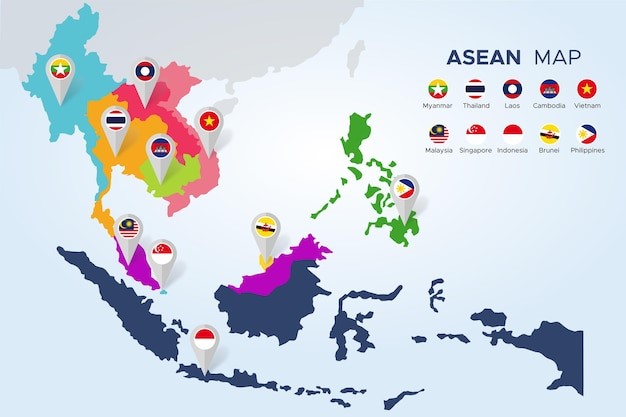


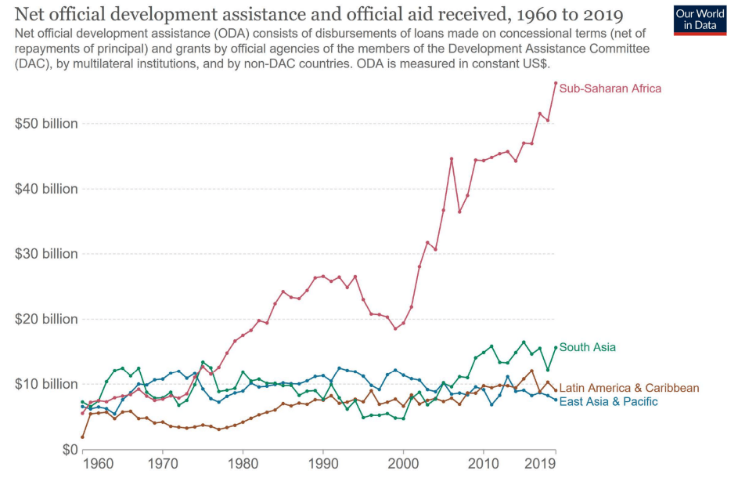


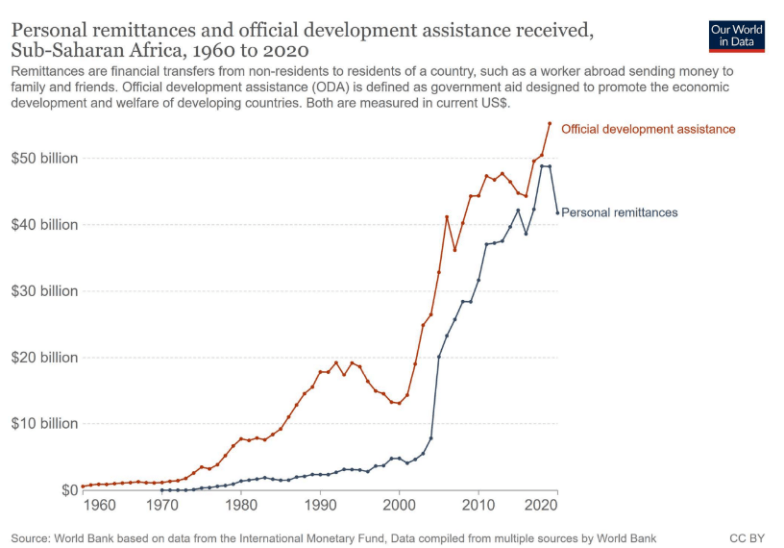
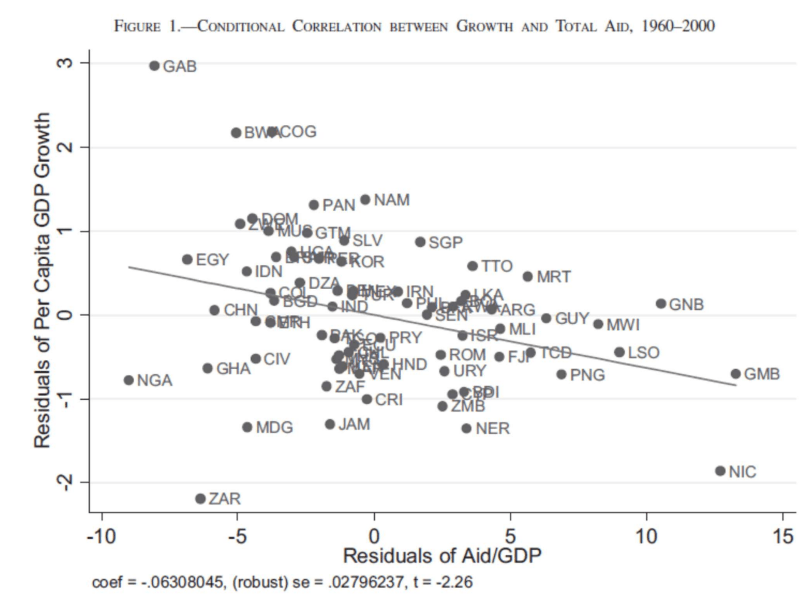

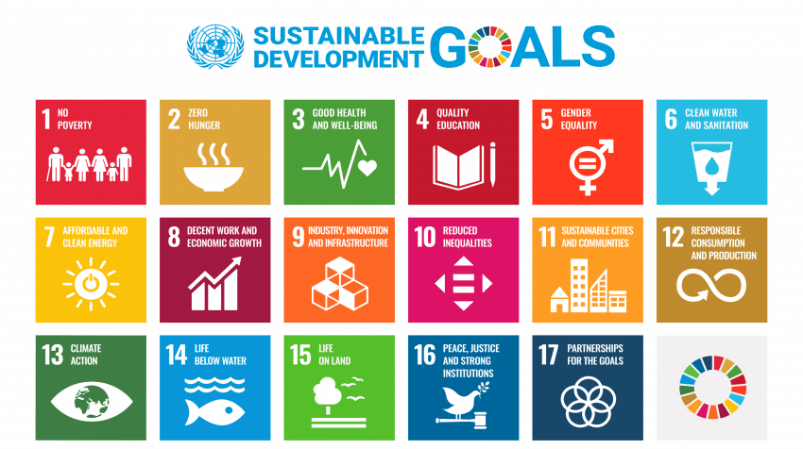
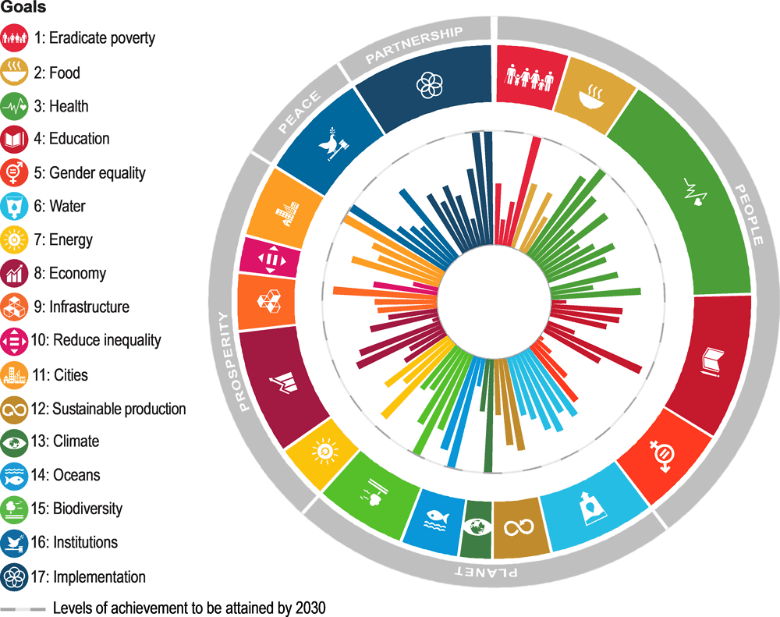
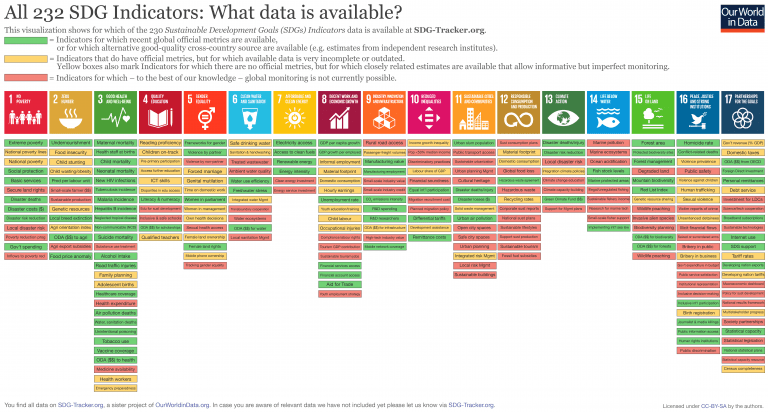
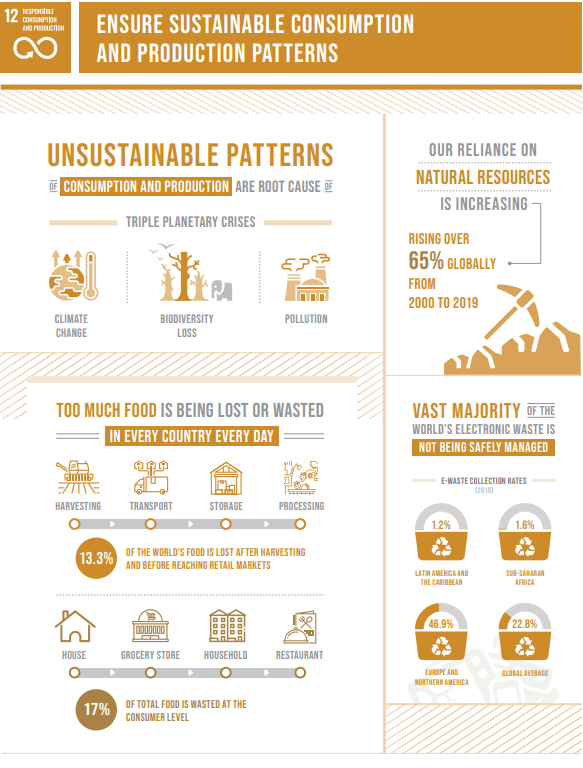




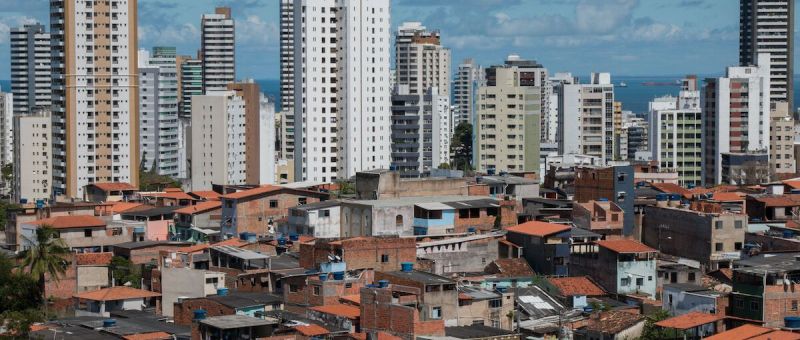
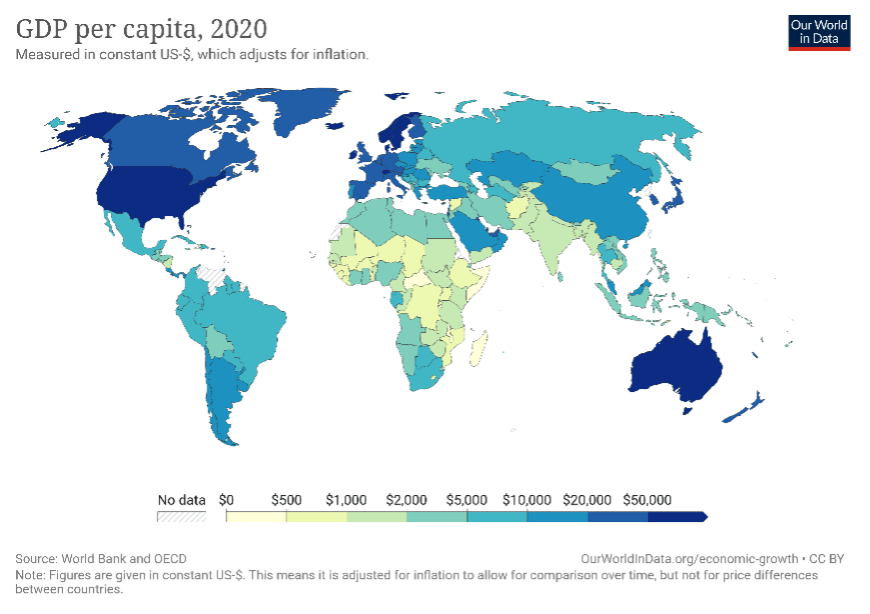

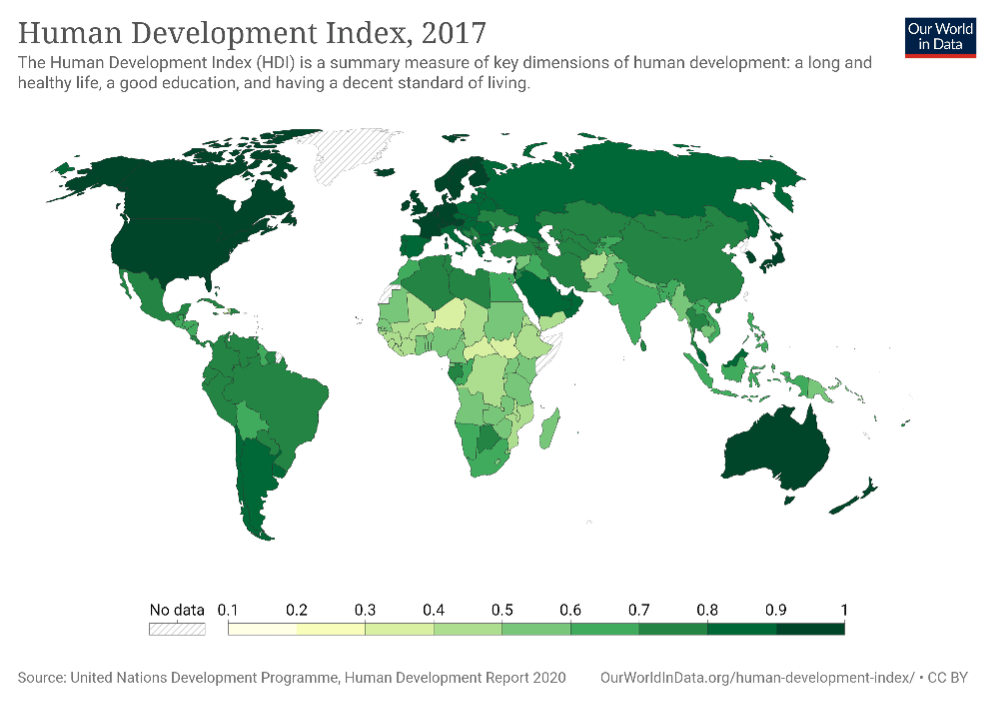
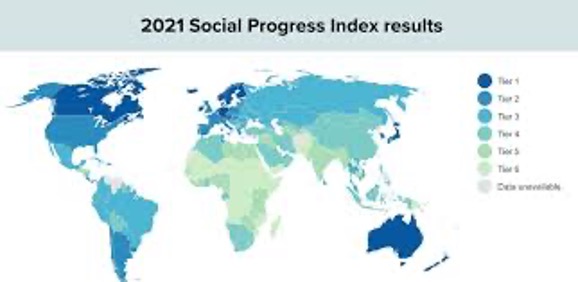
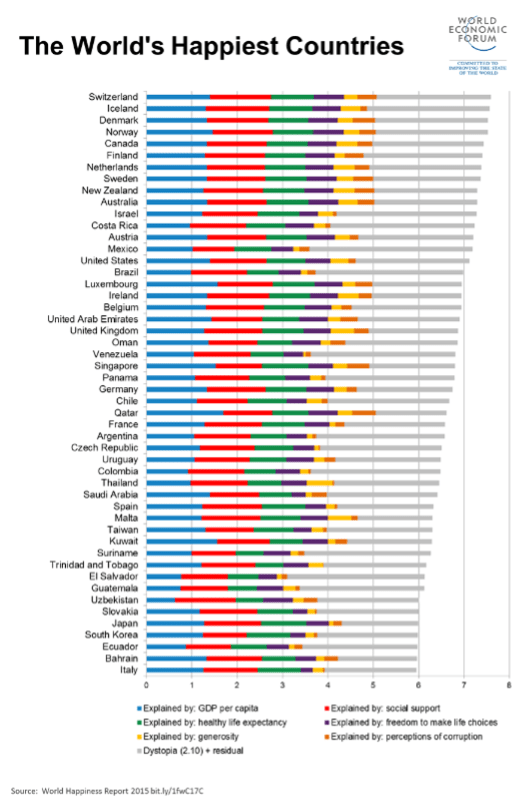


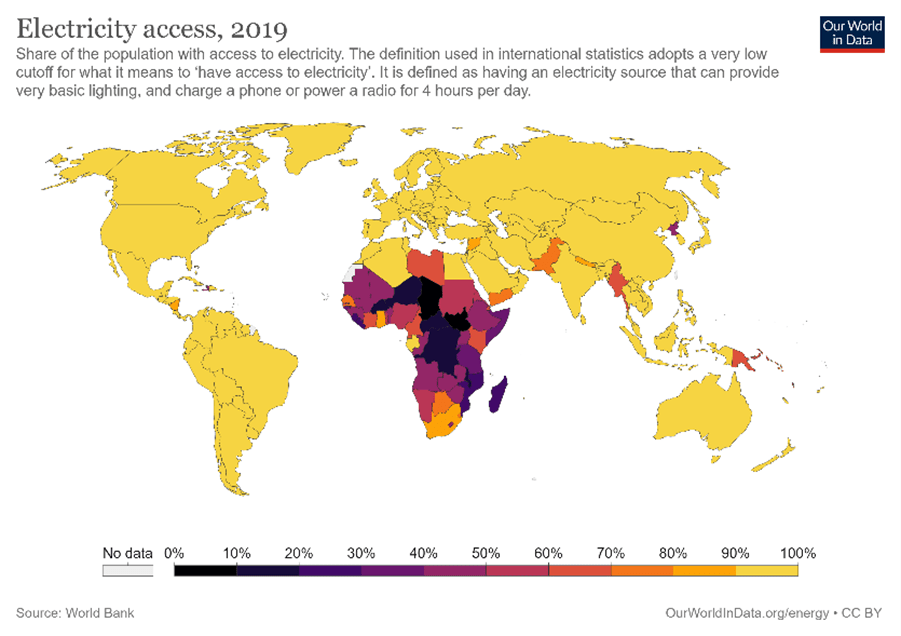
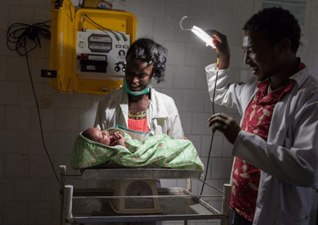

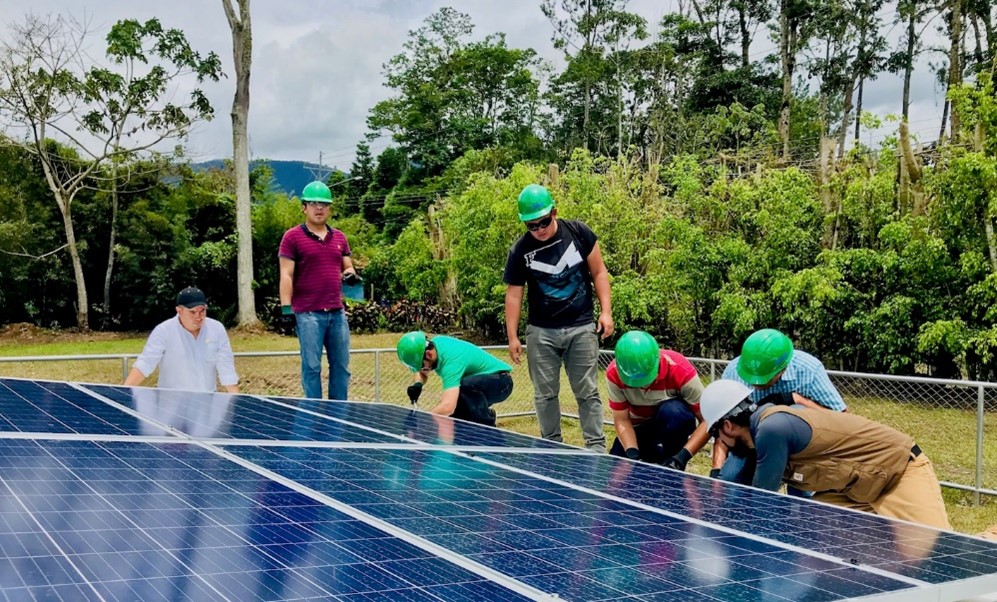
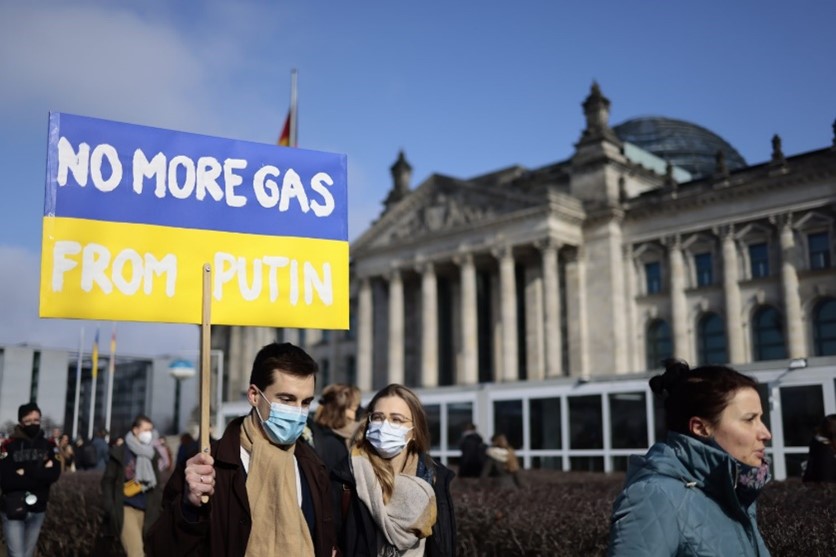


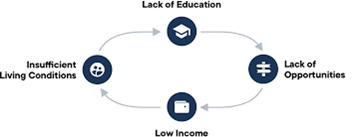
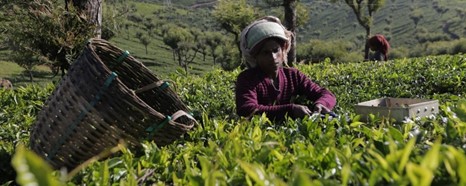




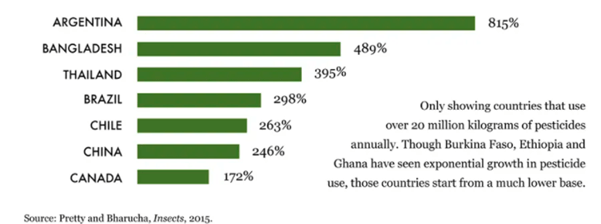
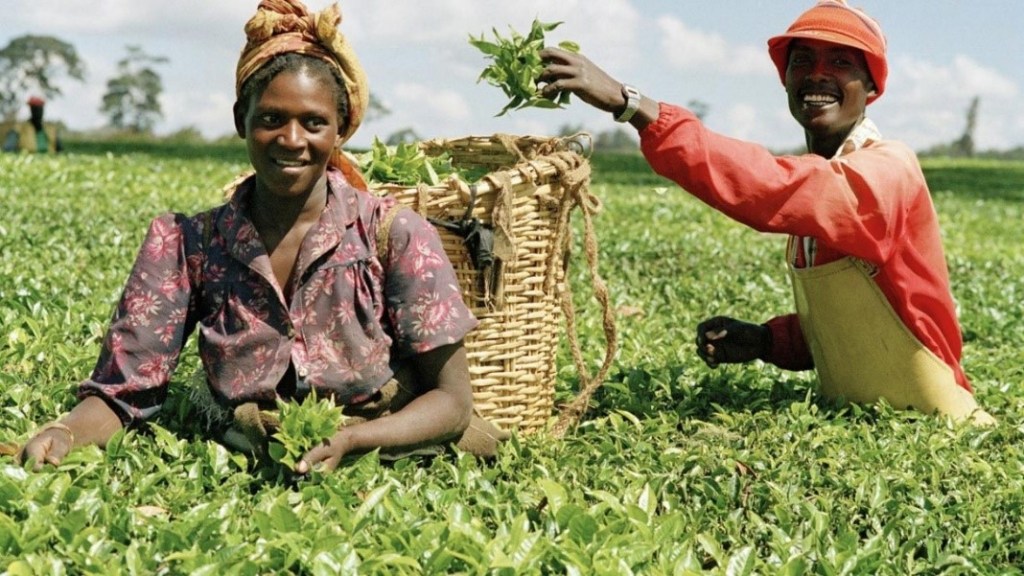


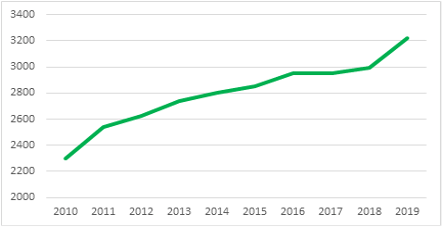
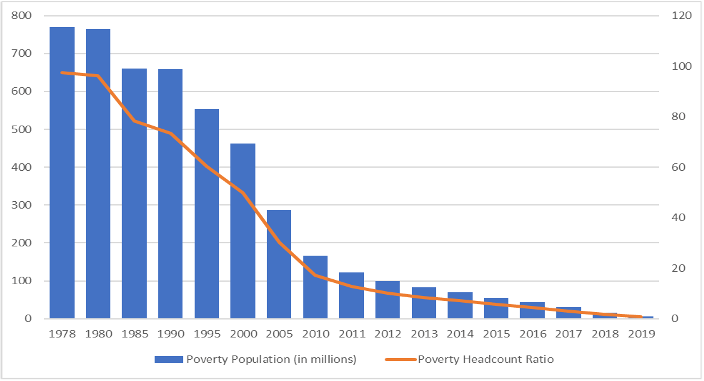
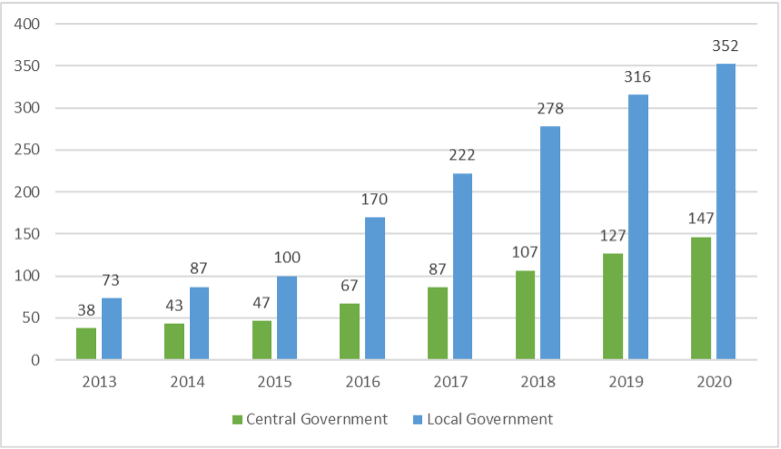
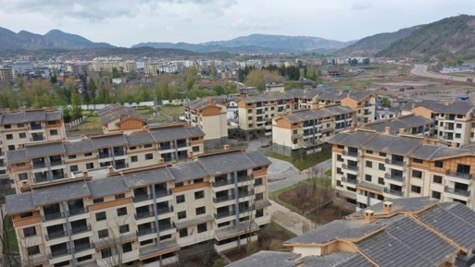
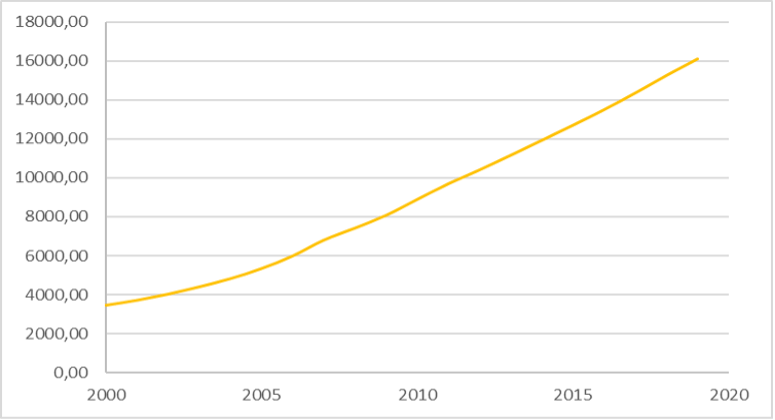


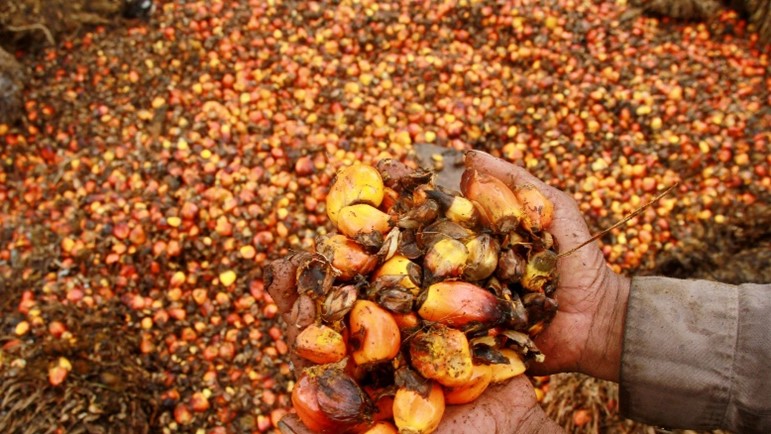


 theawarenessnews.com