Abe’s Lasting Legacy

Shinzo Abe was born in 1954 in Tokyo. He grew surrounded by political affairs as he was the son of a former member of the House of Representatives and minister of foreign affairs (1982-1986) and grandson of a wartime cabinet minister who became prime-minister of Japan (1957-1961).

Political Ascendence

In the early 1980s, Mr. Abe joined the right-wing Liberal Democratic Party (LDP) and is currently a member of the Mori Faction of the latter, one of the most influential and conservative party’s factions.

Mr. Abe was first elected to the House of Representatives in 1993 and integrated the government for the first time in 2005 as Chief Cabinet Secretary.  He is also a member of the Nippon Kaigi (“The Japan Conference”) organization, Japan’s largest ultra-conservative and far-right organization whose foundational aims are revising the Japanese constitution, promoting patriotic education, and incentivizing official visits to Yasukuni Shrine, a temple that pays tribute to Japanese citizens who lost their lives fighting for Japan in major wars, including WWII.

Mr. Abe also led the Japanese Society for History Textbook Reform that brought highly controversial changes to history textbooks, namely by trying to devalue the atrocities committed by Japanese forces in the Korean peninsula and China during the 20th century. Mr. Abe’s stances on Japan’s history damaged multiple times his popularity near its electorate.

Mr. Abe’s first term as prime-minister occurred between 2006 and 2007. He replaced the existing prime-minister Junichiro Koizumi as leader of the LDP and became, at the age of 52, the youngest post-war Japanese prime-minister. In his first term as prime-minister, his popularity reached rock bottom not only for having to deal with corruption scandals involving two of his government ministers but also for opposing the possibility of a Japanese female monarch ascension to the throne. Following the high rates of disapproval, Abe resigned in 2007 as head of government and president of LDP alleging health issues.

However, in 2012, he reappeared as a candidate for LDP’s presidency and was re-elected. For his run, he used the motto “Take back Japan” to show his approach to the economic, demographic, and sovereignty constraints.

During the following 8 years as head of government, Mr. Abe was able to produce dramatic changes at all levels in Japan. He amended almost all the 103 articles of the heavily American written Japanese constitution, weakening the protection of individual rights, reinforcing the importance of public order, and conceding great power to the army. In 2013, he announced a five-year plan of military expansion described as “proactive pacifism”. A year later, Abe took the initiative to reinterpret Japan’s constitution to grant the right for “collective self-defense”, which allows the Japanese Armed Forces to aid allies under attack, whereas the previous interpretation of the constitution only allowed the use of force for self-defense purposes.

In 2014, to reverse Japan’s decreasing tendency of birth rate, Mr. Abe unsuccessfully allocated millions of dollars to the “marriage support program” that helped single individuals find potential mates.

By the end of 2014, the government was able to pass a bill in the House of Representatives that established which information constituted a state secret and increased penalties for those who leak such information. The approval of such law turned out to be highly controversial, making the Cabinet Office’s approval rating fall below 50% for the first time.

In 2018, his public image suffered another hit after he held a drinking party with LDP lawmakers while disastrous floods were affecting western Japan. Also in 2019, controversy grew around the cherry-blossom-viewing party, an official government event, given accusations of growing extravagance. When confronted by the opposition about the party’s list of attendees, the Cabinet Office shredded the documents.

This year, following the high disapproval rates on the government’s management towards the Coronavirus crisis, Mr. Abe announced his resignation as prime-minister and president of LDP, alleging, again, health issues.

Foreign Policy

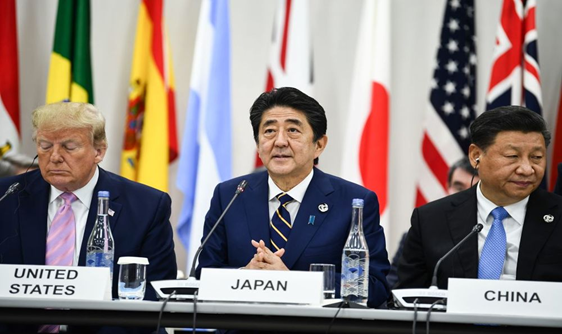
Concerning foreign policy, Mr. Abe followed a “proactive search for peace” approach. With the American withdrawal from the Trans-Pacific Partnership, Japan took a leadership position to save the agreement, strengthening Japan’s alliance with Donald Trump. Diverging from the protectionist policies that were common in the Japanese economy, Mr. Abe created an 11-nations’ free-trade zone.

Shinzo Abe also made an effort to expand Japan’s relationship with China, holding a historic phone call with Xi Jinping, the Chinese leader, in 2018. The reinforcement of the Trans-Pacific Partnership, also settled financial and developed agreements with China.

Strategic alliances with rising powers such as Australia and India were also celebrated by Abe, specifically in military collaboration.

Source:  Bloomberg

Source: Bloomberg

Some critics suggest that Abe failed by deteriorating relations with the Japanese neighbors, South Korea – a relationship that experienced its peak in 2012, just before his mandate. Beside supporting right-wing nationalists who defended Japan’s colonial legacy in the peninsula, in October 2018, Abe declared a trade war with South Korea when the Japanese companies that used slave labor from Korea, during World War II, were sentenced to indemnify the harmed. This led the Japanese-South Korean relationship to reach rock bottom.

Economic Policy

In 1992, the Japanese economy suffered the burst of an economic bubble, which led the country into the Lost Decade – ten years of economic stagnation. The Japanese government attempted to revive the economy with extensive public works programs, which failed to stimulate growth and greatly increased public debt. In the early 2000s, the Bank of Japan started using quantitative easing to spur economic growth, with success, but these policies failed to generate healthy levels of inflation.

Therefore, when Shinzo Abe entered office in 2012, he faced a deflation problem that threatened to stagnate the economy again and high levels of public debt. Mr. Abe thus developed an economic policy strategy that became known as Abenomics, consisting of “three arrows” (a reference to an old Japanese story where three arrows separately could be broken, but together were strong).

The first arrow consisted of monetary policy, aimed at reaching 2% inflation. The plan was to intensify the Bank of Japan’s quantitative easing program to increase the money supply and thus spur inflation.

The second arrow consisted of fiscal policy, namely several stimulus packages implemented over the years. These were mostly composed of public works and various forms of incentives for private investment. Several of Mr. Abe’s budgets have also included increases in military spending and cuts on foreign aid, according to his economic as well as foreign policy objectives.

The third arrow was broadly defined as a strategy for economic growth. In 2013, Abe announced the first measures in the third arrow, which consisted of cuts in economic regulation, particularly around the country’s largest cities. These measures disappointed analysts and the stock market, who were hoping for structural reforms, namely in the labor market and business law. In 2014, Abe announced more comprehensive reforms, including corporate governance reform, more openness to immigration, liberalization of the health sector, and a cut in corporate taxes to under 30%.

Abenomics have achieved moderate success. Since Mr. Abe entered office, Japan has seen modest GDP growth – between 0,5% and 2,5% per year. But the 2% yearly inflation target was only achieved in 2014, averaging around 0,5% over Mr. Abe’s term. Also, the Japanese public debt remained very high – 237,6% of GDP, in 2017.


Successor’s Challenges

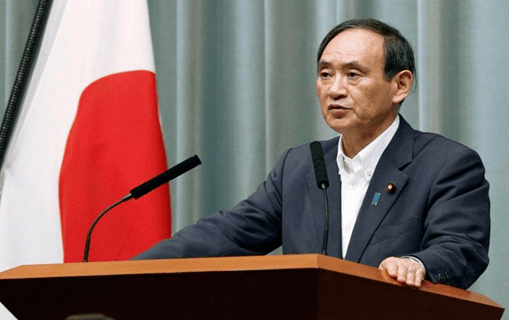
Yoshihide Suga was chosen on September 14th as the new prime-minister, and now faces the economic and demographic challenges Abe’s administration failed to tackle. At present, Japan’s birth rate is one of the lowest in the world with the country’s population shrinking by 400.000 people per year, which threatens the sustainability of future pensions and public health care systems. The Fitch Ratings have also predicted the Japanese public debt will surpass 240% of GDP by 2021, due to the current pandemics.

Mr. Shinzo Abe leaves behind an important legacy, but certainly not an easy one.

Source:  Inside Asian Gaming

Source: Inside Asian Gaming


Sources: BBC, CNN, Financial Times, Foreign Policy, NewStatesman, New York Times, The Economist


Manuel Barbosa - Manuel Barbosa Raquel Novo - Raquel Novo


Afonso Botelho - Afonso Botelho
Populism: Will it stay in lockdown?

In periods of economic distress, politicians who find scapegoats for the current situation are usually acclaimed by citizens that once might have felt discouraged to vote. However, the rhetoric used works as an attempt of dividing the population in native members and non-native members and minorities (cultural populism); honest members of the working class and big business owners (socio-economic populism) and victims of corruption and politicians (anti-establishment populism). Given that these arguments exploit societal concerns, they may pose a threat to democracy, by claiming that their opponents do not have people’s best interests in consideration and by excluding from “the people” each and every person whose support is not guaranteed.

In the past three decades, this trend has risen exponentially, even in countries with the most solid economies. According to Tony Blair’s global institute, in 2018, there were 20 countries with presidents or prime ministers that were considered populists, as shown in the graph below. Besides this, 40% of Asia’s population is governed by Populists.


Source: Tony Blair Institute for Global Change

Source: Tony Blair Institute for Global Change


Will populism thrive in the pandemic?

Before the global health crisis, the forecasts for 2020 were the continuous bet in dealing with inequalities and environmental issues. Although companies are increasingly investing in Environment, Social and Governance (ESG), that is not governments’ main concern anymore. The world leaders are trying to prevent the spread of the virus while attempting to reduce the economic implications that will arise. It is difficult to measure populists’ responses to this crisis as each country is adopting different policies and their role depends on whether they are in the office or in the opposition.

The graph presented above illustrates the idea that the rise in populism was hastened by the 2008 financial crisis. Research conveys that there is a significant correlation between the level of unemployment and the popularity of these parties. The virus has also helped uncover structural problems, such as an inefficient health care system or a dysfunctional government, which are likely to sustain populists’ arguments.

Hungary’s Prime Minister, Viktor Orban, is an example of a politician that is availing the pandemic to reinforce its position. After declaring a state of emergency, the government started to attribute the blame to illegal migration and eventually arrested students that were legally studying in the country, just for protesting. By taking immediate measures, Mr. Orban gained trust from the population, which allowed him to extend his mandate to an indefinite period to deal with the current crisis.

Another politician who has climbed in polls is Angela Merkel, for imposing mass testing and effective lockdown restrictions, thus controlling the death toll. Jair Bolsonaro, on the other hand, has made declarations underestimating the threat of the virus, just like Donald Trump, and has not taken any protective measures to ensure its civilian’s health, making him lose supporters.

In times of uncertainty, people look for the answers in their leaders. They prefer someone that actually deals with the situations and takes action from the beginning, whether he is populist or not, given that both populist (Victor Orban) and non-populist (Angela Merkel) politicians have surged in approval ratings.

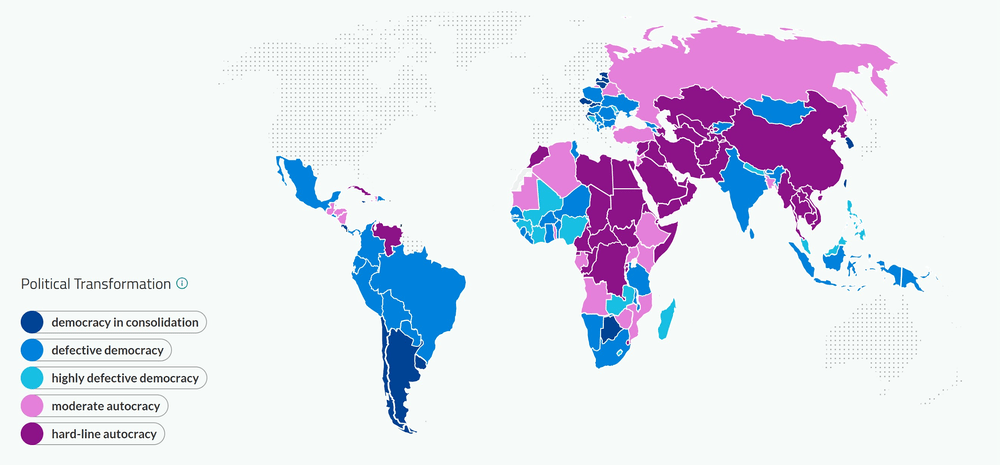
Another factor that might influence the polls is data manipulation that misrepresents the hard times that the country is facing, or even the control of media pluralism. Besides the fact that populists’ arguments dismantle their opponents with ad hominem fallacies, some of these politicians live in countries with a low level of democracy, allowing them to promote their ideals even further, as it is depicted in the graph below.

Source: BTI Transformation Index

Source: BTI Transformation Index


Will populism stay in lockdown?

Despite the ability that populism has of growing and marching to brand new territories during economic and political setbacks, there are also some particularities in the pandemic that may constrain it.

Firstly, the strategy that most non-populists are using is the inclusion of messages of union in their speeches. The virus affects all social classes, races, ethnicities and orientations and there is no benefit in exclusion as everyone is working towards the same goal.

Secondly, the only way of tackling a problem is by not ignoring its existence. It comes as no surprise that the electorate demands experienced leadership with concrete goals and actions instead of mere comments, when faced with a recession. The anti-intellectualism promoted by some populists may also be in danger as it is not that appreciated when the entire world is waiting for the creation of a new vaccine and relying on doctors and governments to reduce the potential aftermath.

Lastly, with the increase in the level of unemployment and the decrease in aggregate demand, countries will not be able to survive by themselves. In the case of EU members, they will need financial aid from the European Union to combat this crisis, trying to fight the economic fallout. Thus, the nationalism nurtured by populists may no longer be welcome.


What can we expect?

There could be a significant decrease in populism in Europe if European citizens recognize EU’s assistance and realize the importance of inclusion and union, disregarding the priorly felt nationalist sentiments.

There is also the possibility of a second wave of infections. The sudden increase in cases would prove that the previously taken measures were inefficient and would decrease population’s support of their leaders. As the majority of the politicians haven’t got a secure spot in the office, some current populists might lose its power. However, they usually last longer in the government than the rest of the people and this might be an opportunity for a new brand of populists to arrive with an improved rhetoric that meets the new economic challenges.

The German clash with the EU

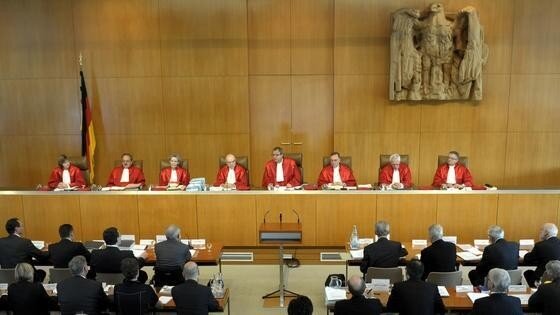
In 2015 the German Constitutional Court received a request from a group of 1750 german citizens, raising some doubts about the public debt purchase program undertaken by the ECB near its member states, claiming this to violate article 123 of the Treaty on the Functioning of the European Union. The article states that the ECB does not have the power to directly finance its member states, either through credit concessions or direct purchase of public debt. At the time, the ECB argued the validity of their operations given the legal support from the European Court of Justice.

On the 5th of May of the present year, the German Constitutional Court analyzed once more the 2018 response from the Court of Justice of the European Union in relation to the doubts raised in 2015 by a group of German citizens, and demanded that the ECB deliver, within a 3 months deadline, an analysis of the proportionality of its monetary policies. That is, the German Court does not question whether the monetary policy undertaken by the ECB violates article 123 of the TFUE, it rather wants to infer whether the public debt buy program complies with the principle of proportionality to which the ECB is obliged to stick. The German judges consider that the monetary policies led by the ECB are followed with disregard towards the consequences that those policies may have, and that this approach constitutes a violation of the principle of proportionality. Until the report is delivered, the German Constitutional Court  has used its power to prohibit the Bundesbank (the German central bank) from buying any more foreign debt and it has even allowed the Bundesbank to sell the securities it is holding, if it wishes to do so.

Germany being the strongest economy of the European Union, the decision taken by the German Constitutional Court represents a serious drawback in the monetary goals established by the ECB. The decision gets even more preoccupying given that currently all Europe is combining efforts in trying to tackle the major economic crisis striking European economies.

While the German Constitutional Court claims to have power over national institutions, the CJUE already condemned the Court`s decision claiming this to seriously affect the European monetary policy strategy and the latter not to have the right to jeopardize or to contradict ECB measures that are backed by the CJUE, given that the principle of proportionality was always taken into account. CJUE also claims precedence in matters that involve the European Union and, therefore, does not acknowledge the legitimacy of the decision taken by the German Constitutional Court. Isabel Schnabel, member of the executive committee of the ECB, said that the public debt buy program will continue to happen, “regardless of the decision of the German Constitutional Court, given that CJUE has exclusive jurisdiction over BCE and its actions”. The fact that European legislation is above national legislations was not a part of treaties, it merely came into play in 1964 when the European Court of Justice (ECJ) decided so.

3.jpg

Is this the first time that a member state clashes with EU justice?

This is not the first time there is a clash between national courts and European law. A few countries have sought to mitigate this by enshrining the primacy of EU law in their constitutions. And most national constitutional courts have, at some point, declared that, based on article 6(3) of the Treaty on European Union, EU law takes primacy over national law as long as it doesn’t violate the human rights protected by their national constitutions. Constitutional courts have addressed these conflicts in different ways.

One alternative is to interpret constitutional law more broadly, so as to accommodate European law. For example, in 2011, the Greek Council of State recalibrated its interpretation of article 14(9) of the Greek Constitution. This article had previously been understood to prohibit owners of media corporations from applying for government contracts in other areas. But the Council of State decided that, according to the European principle of proportionality, this interpretation was doing more than what was necessary to ensure the objective of the law: transparency in public contracts.

The second alternative national judges have is to interpret European law in accordance with their national constitutional law, assuming the former cannot contradict the latter. This is based on the idea that the national constitution protects certain rights and freedoms that cannot be violated by any law, local, national or European. Few cases like this have appeared so far, but several national supreme courts, namely in Germany, Italy and Spain, have asserted that they have the power to review European law in this way and check if it complies with their constitutions.

A third possible alternative is for national judges to convince the Court of Justice of the European Union to change its interpretation of European law, so that the new interpretation is compatible with their national constitution. For example, in Taricco I, the CJEU held that the statutes of limitations in the Italian penal code violated European law, because they harmed EU financial interests (1). The Italian Constitutional Court then asked the CJEU for an opinion, arguing that complying with their decision would force the Italian penal code to contradict the Italian constitution. The CJEU granted their point and clarified their decision in Taricco I in a more relaxed way.

The fourth alternative national judges have is disobedience, or non-compliance with European law as the CJEU interprets it. This is, of course, an option of last resort. It occurred, for example, when the CJEU declared that a Social Security rule in the Czech Republic that gave an old age benefit only to Czech nationals in Czech territory violated the rights of EU nationals from other member states living there. The Czech Constitutional Court decided it would not apply the CJEU decision and would allow the rule to remain unchanged. The arguments were that the CJEU had exceeded its powers and that the CJEU had failed to take into account the historical fact that that rule was related with the dissolution of Czechoslovakia.


2.jpg

While in many cases national and European justice reach a consensus, it is unavoidable that other cases, like the German Constitutional Court one, will continue to happen. Some consider that these persistent challenges towards European Law from national courts undermine the strength and credibility of the European institutions. Others say that the preference from European Law over National one was a severe and non-democratic imposition over its member states. Nonetheless, this is an important question that urges to be answered in order to better define the future of the European Union: What are the limits, if any, that Europe wants to impose over National Courts in their interference on European policies?


(1) The European Union is partly financed by a share of member states’ VAT. The statutes of limitations for fiscal fraud in the Italian penal code, in the CJEU’s opinion, did not give people enough incentives to not commit fiscal fraud, and therefore harmed the EU’s financial interests.

Sources: Euronews, Expresso, Observador, Renascença, EUR-LEX

Taiwan’s Search for Status

Taiwan in the Past

The island of Taiwan was first settled by the Chinese in the 7th century AC. Its early history is intertwined with that of mainland China. The Portuguese reached the island in 1590 and named it Formosa, “beautiful”, it was then known by this name in the West for the following centuries. Taiwan was once a colony of the Netherlands and Spain, until mainland China regained control in 1683, under the Qing Dynasty.

In 1895, after the Sino-Japanese War, the island was ceded to Japan, who retained it until the end of the Second World War. After Japan’s defeat, the Allies conferred Taiwan to the Republic of China (ROC), a democratic republic that had replaced the Qing Dynasty in 1912.

However, at the time the ROC was fighting a civil war against Communist rebels in the mainland. Even Though the Nationalists, or Kuomintang, led by General Chiang Kai-shek, and the Communist Party of China, led by Mao Zedong, had made a truce during WWII to fight the Japanese invasion, after the war, hostilities resumed. In 1949, after losing four successive capitals in the mainland, General Chiang took refuge in Taiwan and declared Taipei the temporary capital of the Republic of China. He was followed there by two million people – mostly soldiers, members of the Kuomintang intellectual and business elites – and brought with him many Chinese national treasures and much of China’s gold reserves.

Henceforth, Taiwan was ruled as a single-party autocracy under martial law.

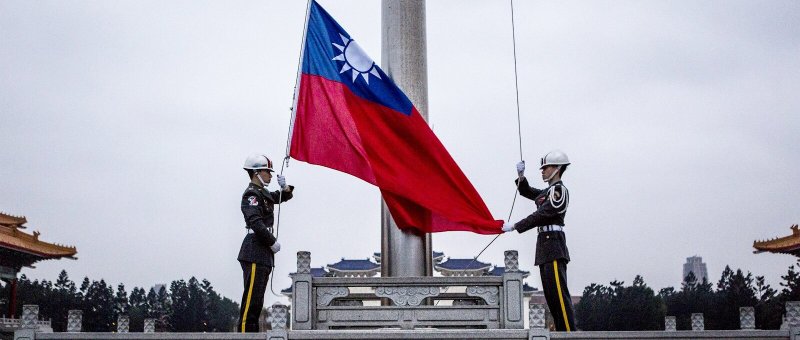
General Chiang regarded himself as the legitimate ruler of China, promising to one-day reconquest the mainland. His government retained China’s seat in the UN General Assembly and on the Security Council until October 1971, when both were transferred to the People’s Republic of China. Along with Richard Nixon’s 1972 visit to Beijing recognizing the PRC, this marked the end of the ROC’s plans to reconquer the mainland.

In 1987, martial law in Taiwan was lifted, opening the doors to democracy. In 1988, Lee Teng-hui became the first Taiwan-born president. Lee continued democratic reforms and replaced many mainland-born high officials with ones born in Taiwan. He promoted Taiwanese culture and held the first legislative elections in four decades. The old Parliament, elected in 1947, still had representatives of mainland China; the new Parliament only represented Taiwan, acknowledging it had no control over the mainland.

Throughout the 1990’s, Taiwan continued to move towards democracy and away from its territorial pretensions. A constitutional amendment in 1991 designated Taiwan as the “Free Area”, the only area under the government’s jurisdiction.

Taiwan Currently

Despite operating independently since 1949, China still regards Taiwan as a rebel region that they urge to recapture.  Plus, due to Chinese pressure, merely 15 countries have official diplomatic ties with Taiwan, and though the US is not among them, they provide Taiwan with military support, serving as their grand ally and protector. Therefore, the China-Taiwan relationship is somewhat combative. However, it has been improving: transport, trade and communications were restored between the countries in 2008.

Though initially deep-seated in Chinese tradition, Taiwan has been able to move far enough from the Chinese core ideals for them to be differentiated. For instance, even though their official language is Mandarin, they have also developed their own dialect, Min Nan Chinese. Moreover, they have their own currency, and their political system is visibly disparate from the mainland´s.

The current Taiwanese president, Tsai Ing-wen, became Taiwan’s first female president, after winning the 2016 elections with 56% of the votes in favour of her traditional, Democratic Progressive Party (DPP), 16 years after the party’s first presidential victory. Tsai’s vision has always empowered the idea of an independent, Taiwanese identity, while putting democracy at the country’s steering wheel. 

While Tsai devotes her political involvement to Taiwanese sovereignty, she must mind the consequences of her actions, in order to prevent estranging China, and throwing to waste the 8 years of friendly ties, under the former President, President Ma Ying-jeou.

In defiance of China’s oppression, Taiwan ranks among the world’s leading computer technology producers, with Foxconn Technology Group as its leading firm, netting an income of 4.24 Billion US Dollars in 2018, making it a major economic player in Asia. In addition to that, it has marked its presence globally, as one of the freest places to live, despite the uncertainty surrounding it being an independent nation.

Freedom, according to data, is correlated with the political system – democracies seem to provide freer living standards. In a report done by the Cato Institute, the Fraser Institute and the Liberales Institut at the Friedrich Naumann Foundation for Freedom, the Human Freedom Index (HFI) represents the state of human freedom globally, to what pertains personal, civil and economic freedom. It is estimated that Taiwan has an HFI of 8.4, ranking closely to Nordic countries in terms of freedom; while China merely has an HFI of 6.17, which ranks closer to less developed countries, such as Libya (4.64) and Iraq (4.34). This could be rooted in their different political systems, though other factors contribute too.


democracy index 2019 graphdemocracy index 2019 graph

Taiwan in the future

Taiwan’s future remains uncertain. The last elections were the result of Taiwan’s will to remain detached from China. Tsai Ing-Wen, the re-elected president from the democratic progressive party, had an expressive victory, in the 2020 presidential elections, over the second favourite pro-China candidate. He is the only hope, for many citizens, to maintain and reaffirm Taiwan’s sovereignty.

China, however, doesn’t seem to give up on Taiwan that easily. President Xi Jinping has already clearly stated that Taiwan’s issue “should not be passed down generation after generation”. China’s plan to finally solve Taiwan’s question seems to be near. Many doubts arise from this desire. How will China accomplish the so-called Chinese reunification, after already having retrieved Macau and Hong Kong territories?

Many say that Taiwan will not be able to manage China’s growing diplomatic and military pressure. Others argue that Taiwan is willing to fight for their recognized independence, at whatever costs. The truth is that military investment from both countries has been growing during the past years: In 2020 Taiwan announced that military expenses would amount to 11.9 billion dollars, roughly 2% of their nominal GDP. China’s army, on the other hand, will have a budget of 180 billion dollars, corresponding to 1,3% of their GDP.


chinese military superiority taiwanchinese military superiority taiwan

An obvious interrogation arises:

Can we be witnessing the escalation of an unavoidable war?

Sources: BBC, Statista, Taiwan Government Website, CATO Institute, Economist Intelligence Unit, Financial Times, Council on Foreign Relations

State of emergency: What now?

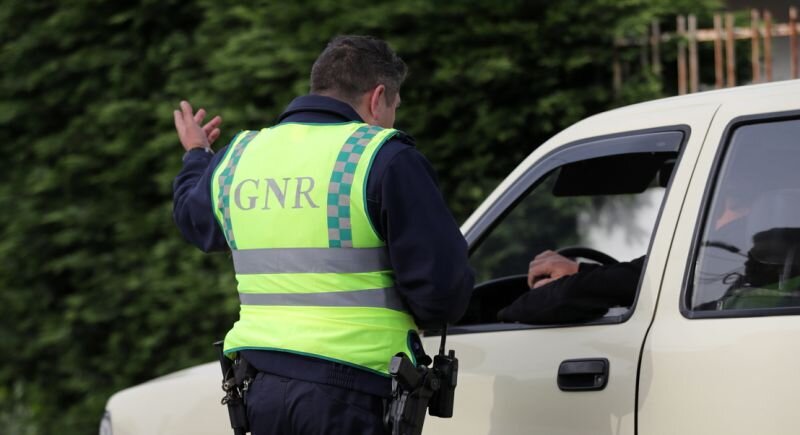
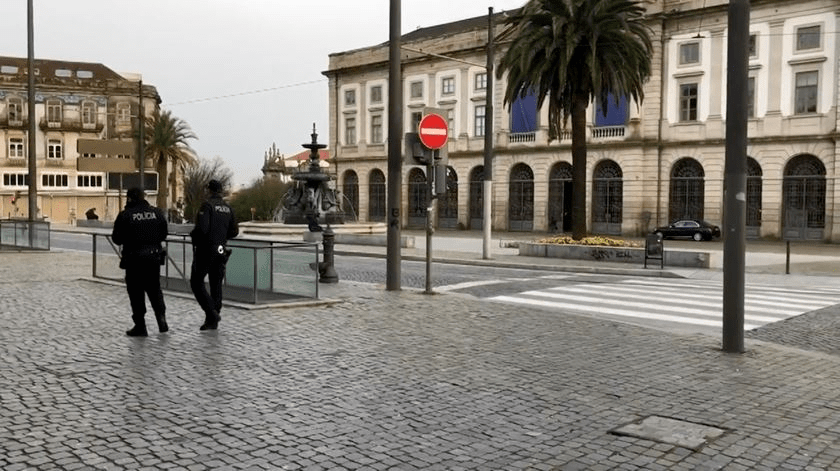
On the 18th of March of this year, Portugal’s President Marcelo Rebelo de Sousa declared the state of emergency, immediately, to the extent of all Portuguese territory, following other European countries that also opted to declare it, such as Spain, France, Italy and Germany (to name a few from the total of 25 countries that already announced it worldwide).

Since November 1975, after a revolutionary attempt from communist forces to implement a far-left dictatorship, the State of Emergency hasn’t been declared in Portugal. 45 years elapsed and due to the COVID-19 pandemic, Portugal was forced to announce the State of Emergency, in order to restrict the spread of the virus.


What measures can Portugal take to face national catastrophes?

There are 4 mechanisms, consecrated in the Portuguese Law, in order to deal with national catastrophes. From the least to the most severe, we have the state of alert, last used in the summer of 2019 during the protests of truck drivers of hazardous content, which only means that national civil protection and national security forces are ready to attain any request from the government. The state of public calamity, announced two weeks ago by the municipality of Ovar, implies a reduction of economic activity, limitations to the number of inhabitants in public places and the establishment of a safety perimeter. Lastly, the two most severe mechanisms, the state of emergency and the state of siege.

After all, what does the state of emergency imply? What’s the constitutional interpretation? What are the boundaries that define it and that distinguishes it from the state of siege?

What is the state of emergency?

The state of emergency allows the government to suspend certain rights, freedoms and guarantees in order to deal with an exceptional situation. In Portugal, the state of emergency is declared by the President, initially requiring permission from Parliament and then approval from the Council of Ministers. According to the Constitution, it cannot last more than 15 days (although it can be renovated) and it cannot suspend certain rights, such as the right to life or the right to defend oneself in court.

transferir.jpg

In this particular emergency – an epidemic – there are two particular rights whose suspension could be useful: The right to free movement and the right to private initiative. Suspending the right to free movement allows the government to impose quarantine and curfews, to forbid people from leaving their houses for non-essential trips (or to forbid elderly people from leaving their houses for any reason), and to limit entry and exit in Portugal, by cancelling flights to and from critical countries and controlling the border. Suspending the right to private initiative allows the government, among other things, to forbid non-essential commercial establishments from opening, to force essential ones (such as pharmacies, supermarkets or medical supplies factories) to stay open, and to take control of private companies (for example, to temporarily integrate private hospitals in the public healthcare system). The state of emergency declared in Portugal also suspends the freedom of assembly, allowing the government to forbid large public gatherings such as protests, concerts or religious ceremonies.

gvb n.png

Criticism

Some have opposed the declaration of the state of emergency, fearing that the President is opening a dangerous precedent for the suspension of rights and freedoms. These worries are not unwarranted: historically, there are many incidents in several different countries of the state of emergency being abused. For example, in Germany between the two world wars, the state of emergency was declared quite often, usually by governments who didn’t have a majority in Parliament and used the state of emergency to legislate without democratic control. This culminated when, after a fire destroyed the German Parliament, Adolf Hitler blamed the fire on communist rebels and used it as an excuse to declare the state of emergency, imposing the dictatorial regime that lasted until the end of WWII. This is only one of many historical examples of the state of emergency being the start of a dictatorship. While it is difficult to argue that Portugal is currently facing any risk of that nature, these historical examples are the reason why many people are very cautious about supporting the declaration of the state of emergency.

State of siege

On the opposite end of the spectrum, some have claimed that, in Portugal’s current situation, a state of emergency is not enough, and a state of siege should be declared. The state of siege is one degree of severity above the state of emergency. According to Portuguese Law, the state of emergency can be declared due to any public calamity or threat of public calamity, while the state of siege can only be declared in the event of acts of force (such as military invasions) or rebellions. In a state of emergency, rights and freedoms can only be partially suspended, while in a state of siege they can be completely suspended – for example, the current state of emergency suspends the right to strike only for workers in healthcare and vital sectors of the economy; in a state of siege, all strikes could be forbidden. In a state of emergency, the powers of civil authorities can be reinforced, and the armed forces can be tasked with supporting those authorities; in a state of siege, all police forces are put under the authority of the Chief of the General Staff of the Armed Forces, and all civil administrations must provide the armed forces any information they request.

cng.png

Portugal is facing one of the moments of greatest uncertainty in its modern history.

Fighting an unknown enemy poses difficult challenges and raises important questions. Only in the end will the country be capable of scrutinising the choices made and to discuss a future approach towards a similar crisis. Until then, we shall stand as one.


Sources: Observador,Jornal Sol, ECO

Portuguese Law (in Portuguese):

Constituição da República Portuguesa (Portuguese Constitution), namely articles 19 and 138 

Regime do Estado de Sítio e do Estado de Emergência – Lei n.º 44/86, de 30 de setembro 

Decreto do Presidente da República n.º 14-A/2020 


Afonso Botelho - Afonso Botelho Manuel Barbosa - Manuel Barbosa
Nuno Sampayo - Nuno Sampayo

Where will Portugal’s next airport land?

Humberto Delgado Airport is an international airport serving the Portuguese capital of Lisbon. However, it has reached its maximum capacity, and the country must now consider the construction of a new airfield.

This is not a new discussion. Humberto Delgado Airport (Lisbon’s Airport) was first opened in 1942. In 1969, when Portugal wasn’t yet a democracy, the discussion surrounding the possibility of a new airport in Lisbon was first officially launched, when the Prime Minister at the time, Marcello Caetano, established a committee to develop an expansion project. However, reaching a solution was a lengthy procedure.

In 2008, the Sócrates government presented a project for an airport in Alcochete. This airport would cost approximately 4.9 billion euros and would entirely replace the existing Humberto Delgado Airport, in response to complaints of how this airport was too close to the city and causing excessive noise pollution. However, the project was suspended in 2010 due to the financial crisis.

The next government then started looking for a cheaper alternative: a smaller airport that would complement, not replace, the existing one. Thus, in 2011, the Montijo idea was born.

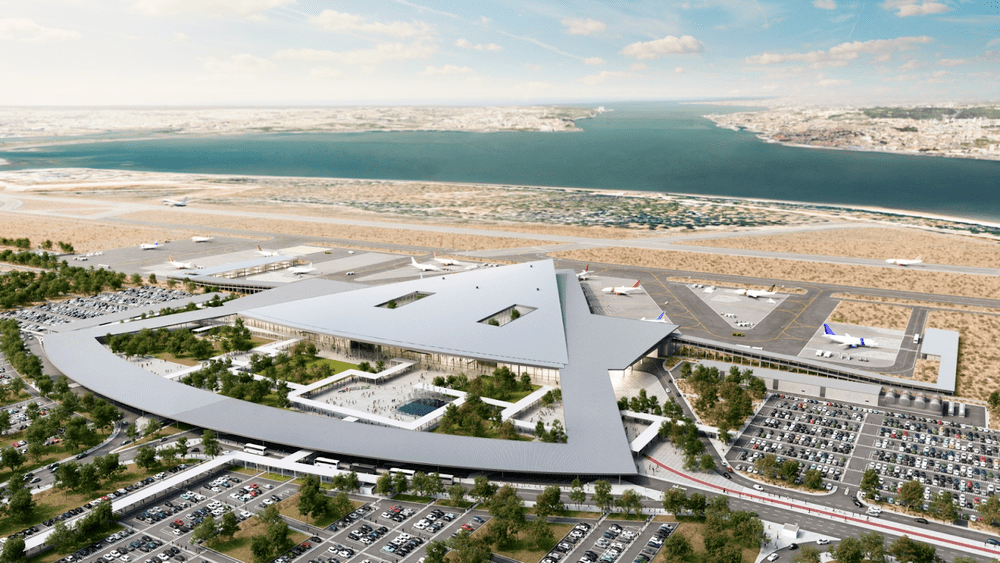
In January 2017, the current Socialist government introduced a project for the airport in Montijo. The new airfield would increase the number of aircraft movements per hour from 48, solely supported by the Lisbon airport, to 72 movements, taking both airports into account. It will also be able to draw 8 million passengers each year, providing the Portuguese capital with the capacity to annually receive roughly 40 million air travellers.

Image 1: The Montijo Airport Project

Image 1: The Montijo Airport Project

A study of environmental impact presented by ANA – the Portuguese authority responsible for managing the country’s airports – concluded that the establishment of an airport in Montijo would not have a large environmental impact, although it would induce some territorial changes in the future urban expansion of the area the planes will fly over. APA – the Portuguese Environmental Agency, involved in the elaboration of the study – concluded that a new airport does not constitute a serious threat to birdlife in the surrounding area and acknowledges that future actions may be undertaken in order to minimize those impacts. Also, the study states that birdstrikes (collisions between birds and aeroplanes) are not likely to happen.

For the 94,000 citizens living near the future airport, the study points out that the noise can induce severe exasperation to 12% of the citizens, 17% of them can suffer from moderate exasperation and it can cause sleeping disorders to 3% of the community.

The conclusions of the report didn’t seem to please all specialists. 11 of them presented a study which reveals that in 50 years-time, a significant portion of the landing track will be flooded due to rising sea levels. This study further states that greenhouse gas emissions have been underestimated by the former report. The environmental association ZERO also poses serious doubts in regard to the real impact that the new airport will have in the area’s wildlife, therefore demanding a new environmental evaluation using different techniques in order to better grasp the consequences that the project will have on those natural habitats.

Image 2: How rising sea levels are expected to affect the new airport

Image 2: How rising sea levels are expected to affect the new airport

In 2019, the government tried to sign a contract to start construction in Montijo in 2020, but it ran into some legal problems. A government decree from 2007 regarding the construction of airports in Portugal established, among other things, that no airport could be built without the consent of all municipalities affected by it – the ones where the airport was located, the ones the airspace of which would be affected and any others that would suffer environmental impacts.

This raised a problem when several city councils in the south bank refused to give permission to the construction of the airport, citing environmental reasons. The mayors of Moita and Seixal have since headed the campaign against the new airport in Montijo and in favour of the Alcochete solution. The mayors, both members of the Portuguese Communist Party (PCP), have been accused of rejecting the project for partisan reasons – the Communist Party has long defended the Alcochete alternative, instead of Montijo.


The Minister of Infrastructure, Pedro Nuno Santos, has already stated that the decree could be altered by the government to remove this impediment, but that change could be brought to a vote in Parliament if any party requests it – and the Communist Party is likely to.

Then, the government would have to find a majority in Parliament that would change the decree. The Communist Party, as mentioned above, is opposed to the Montijo solution, and so is the Left Bloc, which also favours Alcochete. The government would then need the support (or at least the abstention) of PSD, the main opposition party. But Rui Rio, leader of PSD, has already stated that his party will not change the law for a specific situation and that the government should follow the law, negotiating with the city councils that raised objections to the airport in Montijo.

Amidst this deadlock, many people have looked for alternatives to the airport in Montijo. Former Prime Minister José Sócrates, in an opinion article in Expresso, argued again for the Alcochete solution developed by his government. He points out that, according to European Union noise and nature conservation regulations, an international airport should not be built too close to a city or next to a protected environmental area. Sócrates further points out that, unlike Montijo, the Alcochete project is already prepared, the environmental impact has been studied, and permission from all city councils affected has been obtained.

In response to the main argument favouring Montijo over Alcochete – the idea that Alcochete is more expensive – Sócrates states that the initial phase of the Alcochete project (which would allow it to complement, not replace, the existing airport) is not significantly more expensive than Montijo. However, he bases these statements about costs on articles written by engineer Matias Ramos, which have never been refuted or confirmed by other sources.


Image 3: The Beja Airport

Image 3: The Beja Airport

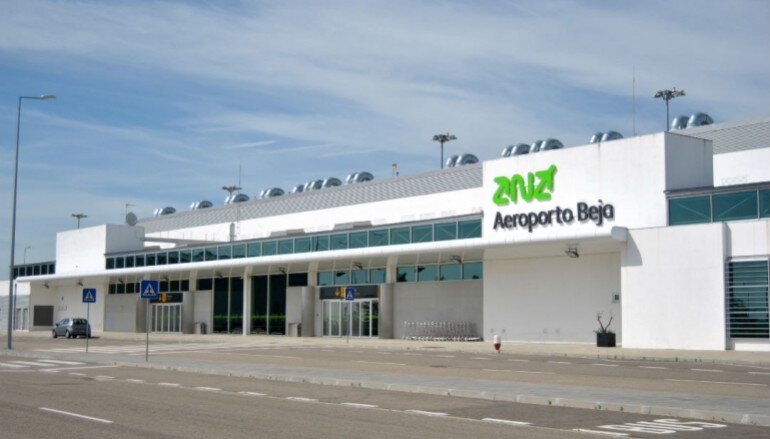
Another airport alternative defended by some, would be to capacitate Beja Airport to serve Lisbon. Beja Airport has no regularly scheduled flights and is mostly used by the Maltese airline Hi Fi to store airplanes, so it is free to receive more flights to Lisbon. It is already fully built, and there are plans to connect it to Lisbon by highway, a car trip that would take around two hours.

Modernising the existing train line between Beja and Lisbon to allow the fastest trains operating in Portugal, the Alfa Pendular, to use it would require a significant investment, but it still wouldn’t be able to make the trip between Lisbon and Beja Airport in less than 85 minutes. This can be compared to the 50-minute train trip from the centre of London to Stansted Airport, for example.

Besides, critics point out that Beja Airport was built with the intention of attracting low cost airlines serving Lisbon and the Algarve, but it never succeeded, and it never had any regularly scheduled services.

Another proposed alternative would be to build an airport in Alverca, in a military aerodrome. This aerodrome served as Portugal’s first airport in the 1930’s, before Humberto Delgado Airport was built. However, adapting it to receive modern airplanes has never been studied, in terms of costs or environmental impact.

So, there seem to be several alternatives to solve the saturation of Lisbon Airport. Their costs, their environmental impact and political circumstances will determine where the new airport in Lisbon will be built, changing the face of the city and the region for decades to come.


Sources:

  • Público, Observador, RTP, Jornal de Negócios, Expresso, Diário de Notícias


Manuel Barbosa - Manuel Barbosa Nuno Teixeira de Sampayo - Nuno de Sampayo
Afonso Silveira Botelho - Afonso Silveira Botelho
Franco’s Exhumation: Long-buried past or revived ghost?

In 2007, the Spanish parliament approved the “Law of historical memory”, the final goal of which was to mitigate the symbolic presence and memory of the period in which Francisco Franco governed Spain. The proposal was presented by PSOE (Spanish socialist party), at the time when Zapatero was Spain’s Prime Minister. The law had some consequences in the following years, with the most recent one manifesting itself just a few months ago. In light of the law approved in 2007, some measures were applied: in 2008, the last Francisco Franco statue within  Spanish ground was removed from the community of Cantábria; in 2012, the children and grandchildren of people who had to flee from the Spanish dictatorship were conceded the right to claim Spanish citizenship (resulting in 442,000 new Spanish citizens); and, on the 24th of October  2019, the Spanish Dictator’s body was removed from its original gravesite.


xd.jpg

In June 2018, after PSOE’s victory in the general elections, the recently elected Prime Minister, Pedro Sánchez, promised the Spanish People to accomplish one of the most essential consequences of the Law of Historical Memory: to resurrect Franco’s body from Valle de los Caídos, making it one of the greatest goals of his governance. Francisco Franco’s body has been buried at the Valle de los Caídos memorial ever since his death in November 1975.

What is Valle de los Caídos, after all?


gvy.jpg

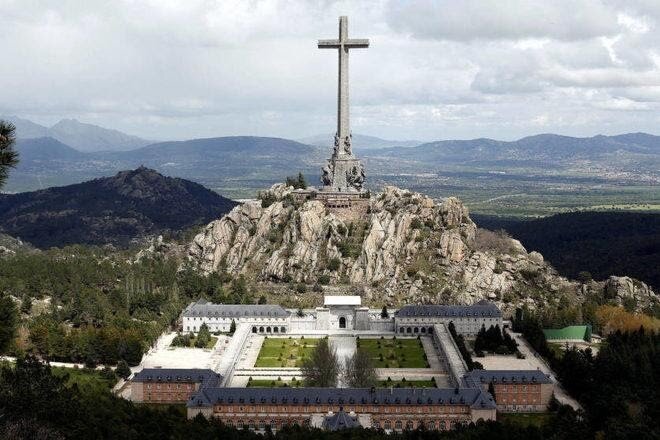
Valle de los Caídos is a monument located near the city of Madrid. It was erected in 1959 at Franco’s demand in order to pay tribute and to bury nationalist fighters that died during the 3 year-long Spanish Civil War.  Nearly 34,000 bodies rest at this site. In 1975, in accordance with his  wishes, Franco’s body was also buried in the same place. Many criticized this deed, since Francisco Franco was not a victim of the Civil War and, therefore, his burial would contradict and distort the monument’s original purpose.


Why did it take so long since the 2007 law approval?

Only in September 2018 was the law of historical memory modified in such a way that made Franco’s body removal from Valle de los Caídos possible. The proposal, presented by Pedro Sánchez’s PSOE, was approved in the Spanish Parliament with 172 favourable votes and 164 votes against. In June 2019, the Government decided to unfold the parliament’s will, decision which was once again delayed due to a judicial fight that broke out between Francisco Franco’s family and the Spanish Government. In September, the Spanish Supreme Court of Justice decided in favour of the Spanish Government.


Where do other dictators lie?


dxf.jpg

Many argue that no dictator should be buried in a prestigious place that promotes regime nostalgia. But where are other dictator’s tombs located? In Russia, for instance, Joseph Stalin’s tomb is located in the country’s most famous square, The Red Square, in a cemetery destined to the most influential and recognized Russian personalities. In Cuba, Fidel Castro’s mausoleum contains the dictator’s ashes. The mausoleum is located at Santa Ifigenia cemetery, a resting place for a few notable Cuban personalities. Mao Tse Tung had a building made just to accommodate his embalmed body and it is located precisely at the centre of the Tiananmen Square.


How was Franco’s exhumation perceived in Spain?

Both VOX and PP contested Franco’s exhumation, accusing PSOE of performing political campaign with a highly sensitive subject. Both parties also accused the government of trying to mask the severe problems affecting Spain, such as the separatist movements striking Catalonia. VOX went even further, accusing the government of “digging up hatreds”. The left parties, in contrast, hailed the government’s initiative.

“a very important step to fix a scandal that had been carried for 40 years of Spanish democracy”

— Pablo Iglesias, Podemos’ party leader

The fact is that Francisco Franco was the first dictator in world history to see a change to their burial place. While some support this for the sake of democracy and to respect the memory of those who were killed and oppressed during Spain’s dictatorship, many others also argue that no government has the power to decide upon one man’s body, independently of the circumstances and, especially, when it goes against the deceased’s family’s will. Critics also pose the following question: doesn’t this resemble an attempt to erase an indisputably important period of Spain’s History?


Sources:

  • Público

  • El País

  • Expresso

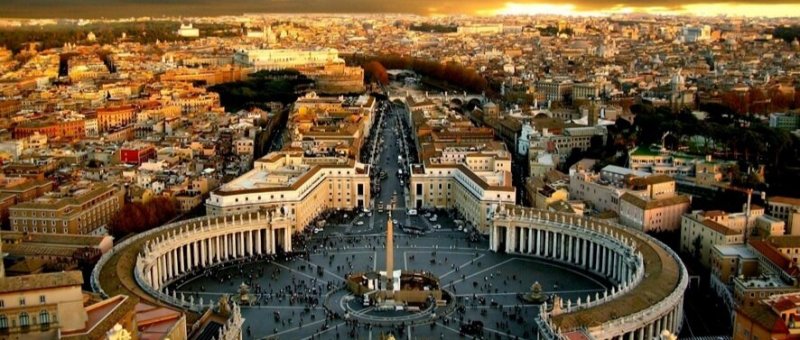
What Priests Should Confess: the financial schemes behind the Vatican doors

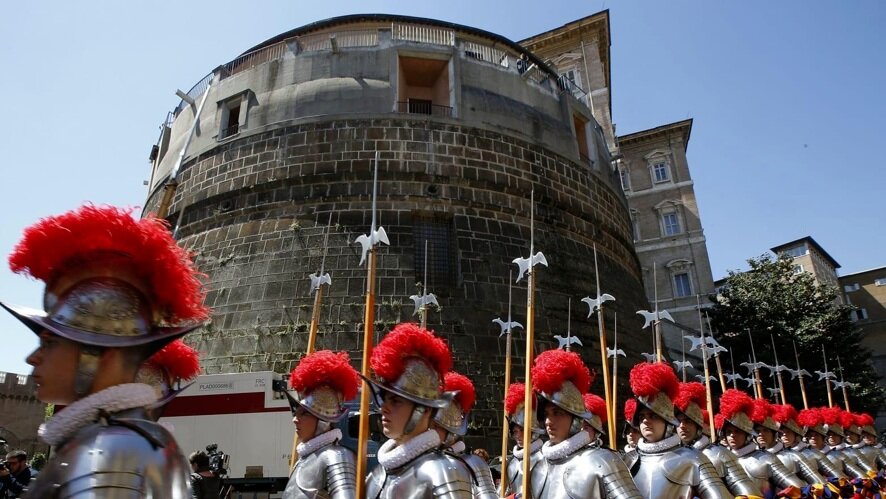
The Vatican, the world’s most powerful religious organization, has been known to spread its political influence across the globe throughout the centuries. As of recently, its involvement in several financial activities has been at the source of many fracturing scandals.

Their home in the Holy See is the Institute for the Works of Religion (IOR), commonly known as Vatican Bank. By involving many different church officials and mobilizing hefty amounts of money, its analysis has become of increasing difficulty and controversy, causing many clashes with the Italian press to arise.

For the past years, the press has been adamant on bringing the Catholic Church into the confessionary. Despite their well-known soft spot for conspiracy theories, it is undeniable that the Italian press has become a key player in the disclosure of many of the Vatican’s scams. Their involvement in the Mafia’s money laundry schemes, the misuse of funds and donations and the embezzlement of the IOR’s money are among the most relevant situations of financial misconduct.

More specifically, in 2012, the Vatican spent $200 million to convert a former Harrods warehouse into luxury apartments.

This bizarre investment came out as a substitute for another peculiar project – the injection of those same funds in an Angolan offshore oil rig, then classified as unsafe. Given that 75% of the investment was sourced from a loan from the Vatican Bank itself, its Supervisory Board ended up noticing it and launched an internal investigation to clarify the situation. Despite dating back to 2012, this irregularity was only discovered in mid-October of this year. Since then, many have been wondering what led the Vatican to explore a project which deviated immensely from its institutional purpose, questioning the IOR’s legitimacy to undertake profit-making activities.

Picture1.jpg

This was one of the most striking financial scandals hitting the Holy See since the 1970s and 1980s, when the Archbishop Paul Marcinkus, as President of the Vatican Bank, engaged in perverse relationships with mobsters. Another bank, Banco Ambrosiano, was also involved in the scandal. Its mission statement claimed the goal of serving moral organizations, pious works and religious bodies set up for charitable aims. It’s main shareholder? The Vatican Bank.

Roberto Calvi, known by many as the “God’s Banker”, was chairman of the Banco Ambrosiano and had close ties with the Church. The Vatican, instrumentalizing its position as a sovereign state, was able to withhold transaction information from regulators and authorities.

This was deeply exploited by Calvi in the 1980s, who was responsible for moving the bank’s (and consequently, the Vatican’s) funds into offshore accounts, enabling Banco Ambrosiano and, therefore, the IOR to make a profit.

Ambrosiano ended up collapsing in 1982, after the authorities found a hole of around $3 billion in the bank’s finances. Roberto Calvi died hanging in London. Prosecutors believe this to have been a Mafia killing, linked to his money laundering activities via the bank.


In 2012, Father Ninni Treppiedi, priest in Alcamo, near Trapani, in the Mafia’s island stronghold of Sicily, was suspended after a series of questionable transactions of church funds and of vast sums of money passing through his personal bank accounts. Prosecutors highly suspected that this was the result of money laundering operations run by the Mafia Godfather, Matteo Messina Denaro. They investigated financial transactions that occurred between 2007 and 2009, amounting to around $1 million. Nevertheless, paperwork regarding the source of the money was said to be missing and the Vatican Bank did not want to release the records of the Father’s accounts. Ultimately, Treppiedi’s case was filed by the order of the Court of Trapani, but most people kept the suspicion about the connections with the Mafia.

The liaison between the Church and the mobsters remains until today, albeit the Vatican’s efforts to trail a path of cleaning and rebranding, focusing on increasing transparency.

Indeed, in the last decade, the Holy See has been trying to put an end to corruption in the management of the bank’s funds, through concrete reforms.

“These are scandals and they do harm.”

— Pope Francis

Thus, they need to be handled with. Accordingly, the first step towards more transparency was given with the establishment of the Financial Intelligence Authority (AIF) and with the implementation of the first anti-money laundering rules, in compliance with the European Union’s standards. These actions took place in 2009, during the Papacy of Pope Benedict XVI.

Despite some progress being made in the end of the last decade, the greatest improvements have been achieved under the control of Pope Francis, who took charge in 2013. In that same year, following a scandal of money laundering, in the value of $20 million, by Nunzio Scarano, referred to as “Monsignor Cinquecento”, the responsible for overviewing Vatican’s property holdings and investments, a Pontification Commission was established in order to review the activities of the bank. As a result, later in that year, more than 1000 customer accounts were closed.


Afterwards, in 2014, Pope Francis delivered a blunt message – the IOR would only be allowed to continue its operations as long as it committed to self-reform. In this regard, as the Holy See’s ministries, the discateries, were not controlled by the AIF (despite managing plenty of money) the Pope created the Secretariat for the Economy to keep an eye on their activity. Further policies included the transition from an internal auditing system to an external one and the requirement that the employees at the Vatican Bank worked exclusively for that institution, avoiding potentially harmful situations, such as the one involving Marcinkus in the 1970s and 1980s.

In terms of international assessment, Moneyval, a monitoring body of the Council of Europe that aims at countering money laundering practices, has praised the Vatican for its course of action in recent years in this regard.

All in all, the Holy See seems committed to carve out a new image for the Catholic Church, closer to its founding principles. Nonetheless, the Italian press argues that the increasing disclosure of scandals is instead a proof of the inefficiency of the adopted measures. Only time will tell which side the truth is on. 


Sources:

  • Crux Now

  • European CEO

  • la Reppublica

  • Organized Crime and Corruption Report Project

  • Religion News Service

  • Reuters

  • The Economist

  • The Telegraph

  • U.S. Catholic

  • Wikipedia

Article Written By:


Ana Mota - Ana Mota Gonçalo Silva - Gonçalo Silva

A New Stage of Saudi-Iranian Confrontation

Ever since the Saddam Hussein regime fell in Iraq in 2003, Iran been slowly expanding its sphere of influence, which now encompasses much of what it is called Middle-East. In Lebanon, the Iranians have the proxy group Hezbollah, which functions as a party/parallel administrative entity/military group. In Syria, the Assad regime relies heavily on Iranian support, a help which has allowed the government to remain in power despite the civil war, and even allow them to recover lost ground. In Iraq, the Americans ousted Saddam, only for the shias (a sect of islam), which had been persecuted by him, to take power and begin their own authoritarian like rule. Finally, we have Yemen in which the Iranians are covertly funding and supplying weapons the Houthis rebels.

All these proxy groups rely heavily on Iran, which is seen as the Defensor of all the shias and uses that image as well as its resources to support such groups. This, in turn, gives Iran a tremendous amount of influence in the countries in which these proxies operate.

However, most of the sunni (the most popular sect of islam) countries in the region don’t see this growing Iranian influence with good eyes, as it jeopardizes their own influence and security (some of these countries have large shia minorities that would like to oust their sunni overlords).

As such, a coalition has been created to counter this growing Iranian influence, which is being spearheaded by Saudi Arabia. All this clash of interests and hostilities have effectively turned the Middle East for the ground of a Saudi-Iranian style cold war, in which the two sides never use direct confrontation, using instead proxy groups.

One big example of this is Yemen (where this article will be focused). In Yemen, the Saudis have been supporting the Yemeni government, and the Iranians, the shia affiliated Houthis rebels, which has resulted in a brutal civil war which has largely been overshadowed in the media. The civil war started in 2015. Divisions in the country had existed for decades, if not hundreds of years (Yemen, due to its mountainous configuration, has never been a very unified country, lacking the social cohesion and sense of national identity; people identify themselves more with the tribe or community rather than the country).

In very brief overview, the Houthis took over Sana’a, the capital, and large parts of the country, meaning the Yemeni government only controls the southern coastlines making Aden its new capital. Not even Saudi direct intervention with airstrikes, tanks and combat unites has pushed back the Houthis.

However, in the mist of this growing Iranian power, the greatest adversary to Iran is actually the US, which does not want a hegemonic power in the Middle East that could challenge its influence. Because of this, the Americans have mounted a coalition of countries that, even though they don’t see eye to eye, have the same objective: push back against Iran (it’s important to be noted that these countries don’t have any public affiliation nor official agreement).

In Syria and Southern Lebanon, the Israelis are countering Hezbollah and striking Iranian military assets, and in Yemen, the Saudis and the UAE are directly involved. Thus, the Iranian sphere of influence is not yet secure and has been attacked on all sides, which means Iran may seek alternative ways to beat back the coalition, and has identified the weakest link in it: Saudi Arabia. The kingdom is experiencing internal divisions following the reforms and actions of crown prince Salman. Moreover, the country has come rely almost exclusively on oil revenues to maintain the different factions content, and needs the expected funds of the Saudi Aramco (believed by many to be the most valuable not public company) projected IPO to  finance the economic reforms in the kingdom, which will completely restructure the society, and are absolutely necessary to ensure the survival of the Saudis in a post-oil economy.

With this in mind, in the 19th of September a drone strike or missile strike (no one really is sure of the used instruments) occurred against two separate crude oil refineries belonging to Saudi Aramco. The nature of the attacks means that no one can tell where the projectiles came from (giving large plausible deniability to the author). In the aftermath of the attacks, the Houthis rebels took credit for them, however, the strikes where carefully planned with exact precision and advanced weapons, capabilities not demonstrated in the past from the Houthis, which are not known to even possess projectiles capable of breaching Saudi air defences.

A more plausible author is Iran, which possesses all the required tools to conduct such an attack, and the obscure nature of these provide the necessary deniability.

The attacks have made the Saudis delay the IPO, in order to recover the damaged assets, as well as restore the investor confidence. Nonetheless, some loss of the last is inevitable, meaning the value of the IPO will decrease, as it has been exposed to just how vulnerable the assets are. With these attacks, the Iranians have damaged Saudi Arabia and exposed the biggest weakness in the American led coalition, and cornered the Trump administration. Trump cannot seat heddle, risking emboldening Iran and its proxys to carry out more of such attacks. However, Trump cannot risk a direct military confrontation in the mist of the election cycle either. A confrontation that could lead to a costly war where many lives would be taken, and risk the world’s oil supply, which could trigger the next recession.

So, the Americans are cornered, and are expected to resort to more economic sanctions and cyber-attacks, however, these will likely not have the necessary deterring effect. This all means that we are likely to see more of such attacks in the future, which will surely weaken Saudi Arabia and thereby allowing Iran to strengthen their sphere of influence.

All in all, these attacks mark a new strategy of countering its foes by Iran, and mean a new stage for the Saudi-Iran cold war where the Saudis continue to come short to their rival, which now smells blood and will likely take advantage of Saudis’ weaknesses, thereby ensuring the survival of its sphere of influence allowing Iran to be closer to their hegemonic desire.

Xi Jinping’s China or George Orwell’s 1984?

Since 1949, the Chinese Communist Party has been leading the fate of the Chinese Population. The Republic of China was firstly led by one of the bloodiest dictators the world has ever known, Mao Zedong, and it is currently under the power of President Xi Jinping. Many things have changed during 70 years of communist govern, but many argue that government undemocratic, oppressive and intrusive actions still take place. But how does the government manage to keep its influence near the population? What strategy has the government adopted to watch its inhabitants?

In 2010 the Chinese government started developing a nationwide social credit system that allowed the regime to closely monitor every move its community made. The System was first piloted in 2014.

“According to the government’s document, Planning Outline for the Construction of a Social Credit System (2014-2020), all of the social credit scores for its 1.4 billion citizens will be publicly available by 2020”

— Bernard Marr, for Forbes

How does it work?

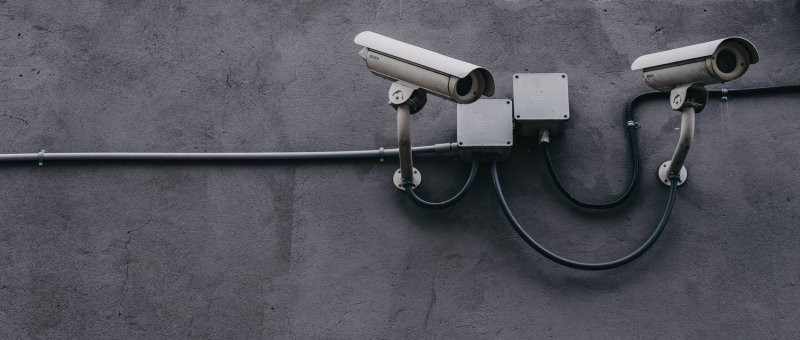
Each citizen is initially assigned a total of 1000 points. The social credit score then varies according to the behaviour of the individual. Behaviour is monitored by government employees specifically hired to report the community members’ actions to local institutions. Monitoring is compounded by highly complex data analysis technology that, through street cameras, drones, AI – and even rumoured robotic birds – that aids in identifying not only each citizen, but instantly track, rate and record his or her actions. All of the technology required for the system has either been developed for it or was previously being used in private corporations to monitor its workers, despite there being no doubt the Chinese are still developing more capable supporting technologies. 

A big portion of government surveillance is performed through collecting data on Wechat, an app largely used in China. It somewhat resembles a combination of Instagram, Facebook and Whatsapp (since all of these are forbidden by the Chinese Government). Tencent Holdings, the founding and developer company of Wechat, operates under the Chinese Law, which means they apply strong censorship and they augur interception protocols. Wechat has the right to access and expose contact books, text messages and the location of its users. 

In 2016, Tencent was awarded a score of zero out of 100 in an Amnesty International report ranking of technological companies. International Amnesty reported the absence of end-to-end encryption, a system that only allows the communicating users to read the messages. It also reported Tencent’s disclosure towards Government data request.

Foul conduct, extending from speeding tickets, to internal family arguments, to playing too many video games, even to recycling incorrectly, and criticizing national politics, either publicly or via Wechat, translates to credits deducted from the citizens’ scores. 

Positive actions, such as donating money to charities, or buying diapers for an infant, correspond to an increase in scores. It is expected of every citizen, young or old, that they gain at least 2 points per year.


How has the System been received?

The legitimacy of the Chinese Social Credit System is divisive. A study led by Genia Kostka (Professor of Chinese politics at Freie Universität Berlin) concluded that “80 per cent of respondents either somewhat or strongly approve social credit systems, 19 per cent perceive the social credit systems in value-neutral terms (don’t disapprove or approve) while merely 1 per cent reported moderate to strong disapproval.” Respondents perceive the social credit system as an instrument that closes institutional and regulatory gaps, promoting honesty and law-abiding behaviours in society, and not strikingly as an instrument of surveillance. For instance, 72 per cent of survey respondents stated that their purchasing decisions were affected by the social credit assessment of the company offering the products or services. Hence, social credit systems are seen as a helpful means to making things work and improving quality of life.

The international community, nevertheless, does not recognize this Chinese program as a way of improving social habits, but rather as the greatest social experiment ever carried out. For many, it is a clear violation of human rights, with unconsented personal data being collected, and, thus, a serious threat to Chinese citizens.

China’s stance on undemocratic actions and its support for undemocratic regimes, such as the North Korean, reveals the existence of a still very weak democracy in the most populous and, certainly, in one of the most influential nations in the world. Might China be approaching a level of privacy invasion and mass control similar to that in Orwell’s dystopian 1984 novel?