Neurodiversity in the Workplace: Towards Inclusive and Fair Employment

Reading time: 5 minutes

The Brain – a Masterpiece of Variability 

In recent years, organisations have increasingly recognised the value of neurodiverse employees, leading to the implementation of inclusive hiring and workplace practices. The term refers to the recognition that neurological differences such as autism, ADHD, dyslexia, and other cognitive variations are natural variations of the human brain rather than deficits. Despite the recognition of neurodiversity, challenges remain, containing biases in recruitment, workplace adaptation, and the reliance on the idea that neurodiversity should primarily be considered from a business perspective. This form of ‘framing’ displays neurodiversity in terms of economic advantage, which can be problematic as it does not acknowledge the need for equity and inclusion in the workplace.

 The Business Case for Neurodiversity: Strengths and Limitations 

One of the primary motivations for organisations to embrace neurodiversity is its potential to enhance business outcomes. Research suggests that neurodiverse employees can bring unique problem-solving skills, enhanced pattern recognition, and creativity to organisations. Large corporations such as SAP, Microsoft, and JPMorgan Chase have implemented neurodiverse hiring programs with success, specifically in fields requiring attention to detail and logical problem-solving. These programs have improved productivity, innovation, and workplace diversity. 

Despite these advantages, relying only on the business case for neurodiversity presents significant risks. When inclusion is framed solely in terms of economic gain, it reinforces the idea that employment is justified only if measurable performance benefits are demonstrated. This approach can contribute to the commercialisation of neurodiverse employees, characterising them as extraordinary talents while ignoring other needs and rights. Rather than focusing solely on business benefits, neurodiversity should be approached as a fundamental aspect of workplace equity and inclusion.

Common Barriers to Employment for Neurodiverse Individuals

Although awareness of neurodiversity has grown, neurodivergent individuals continue to face significant barriers to employment. One of the most common obstacles is the recruitment and hiring process, which is often not adapted to neurodiverse candidates. Traditional hiring methods, such as structured interviews, frequently disadvantage individuals with neurological differences. For instance, many individuals with autism may struggle with social interaction and eye contact, which can be mistakenly perceived as a lack of competence or enthusiasm. Some companies have recognised this issue and have implemented alternative recruitment methods, such as work trials and skills-based assessments, to ensure fairer evaluations of neurodivergent candidates.

Another significant hurdle is the difficulty neurodivergent employees face when adapting to traditional workplace environments. Many workplaces are designed with neurotypical employees in mind, which can create challenges for individuals with sensory sensitivities. Common issues include excessive noise, bright lighting, constrained work schedules, and communication styles that do not align with the needs of neurodivergent individuals. Facing these challenges requires specific workplace adjustments, such as providing flexible workspaces, implementing quiet rooms, and offering alternative communication tools to ensure an inclusive and supportive environment. 

Apart from structural issues, stigma and a lack of awareness remain challenges. Many neurodivergent employees experience discrimination or misunderstanding in the workplace, often due to stereotypes and misconceptions about their abilities. Workplace cultures that prioritise social conformity can exclude neurodiverse individuals, leading to underemployment and dissatisfaction. To create a more inclusive work environment, it is essential to build greater awareness and understanding among all employees.

Universal Design: Creating an Inclusive Workplace

To build a truly inclusive workplace, organizations must go beyond individual accommodations and adopt a universal design approach. Universal design refers to the practice of creating workplaces that are accessible and beneficial to all employees, regardless of neurological differences. A key component of universal design is the implementation of flexible workspaces that consider diverse sensory needs. This can include the provision of quiet areas, adjustable lighting, and noise-canceling options to help employees who may struggle with sensory overload.

Another important aspect of universal design is the embedding of alternative communication methods. Many neurodivergent employees benefit from written instructions, visual cues, and assistive technology that help them process information more effectively. Providing multiple communication formats allows employees to engage in ways that align with their strengths. Additionally, offering flexible work schedules can accommodate different working rhythms, ensuring that all employees have the opportunity to contribute in a way that suits their needs. To make these changes effective, managerial training is crucial. Educating supervisors about neurodiversity helps promote inclusive leadership and reduces biases in performance evaluations, ultimately leading to a more supportive work environment.

Success Stories in Neurodiverse Hiring

Several companies have successfully implemented neurodiverse hiring initiatives. SAP, through its Autism at Work Program, has successfully integrated neurodiverse employees into various roles, leading to enhanced problem-solving and innovation. Microsoft’s Neurodiversity Hiring Program focuses on strengths-based hiring, providing specialized training and mentorship to support neurodivergent employees in their professional growth. Similarly, JP Morgan Chase’s Autism at Work Initiative has demonstrated significant improvements in employee retention and job satisfaction by implementing structured support systems tailored to neurodiverse employees’ strengths and challenges. 

These initiatives highlight the importance of structured support, mentorship, and suitable adjustments to create a more inclusive workplace. They also demonstrate that when properly implemented, neurodiverse hiring strategies can lead to beneficial outcomes for both employees and organizations.

A Chance to be Taken Seriously

Embracing neurodiversity in the workplace should not be seen only as a mean to achieve economic gains but as a crucial step towards creating equitable and inclusive employment environments. While the business case argument may serve as an attractive tool for organizations to adopt inclusive practices, it is essential to focus on universal design principles that benefit all employees. Addressing biases in hiring, implementing meaningful workplace adjustments, and enhancing inclusive organisational cultures will not only unlock the full potential of neurodiverse employees but also contribute to a more diverse and innovative workforce. As research and practice continue to evolve, companies must shift from isolated to systemic changes ensuring equity and dignity for all workers including neurodivergent individuals that have equal opportunities to thrive in the workplace.


Mara Blanz

Sources

Austin, R. D., & Sonne, T. (2014). Neurodiversity as a competitive advantage. Harvard Business Review, 92(5), 96-103.

Khan, M. H., Grabarski, M. K., Ali, M., & Buckmaster, S. (2022). Insights into creating and managing an inclusive neurodiverse workplace for positive outcomes: A multistage theoretical framework. Group & Organisation Management, 48(5), 1339–1386. https://doi.org/10.1177/10596011221133583

Krzeminska, A., Austin, R. D., Gergen, E., & Mortensen, M. (2019). The advantages and challenges of neurodiversity employment in organisations. Journal of Management & Organization, 25(4), 453-469.

Silver, J., Pilkington, S., & Kerr, M. (2023). Beyond the business case: Universally designing the workplace for neurodiversity and inclusion. Journal of Workplace Inclusion, 12(2), 78-102.

Weber, M., Thompson, C., & Allen, J. (2022). Physical workplace adjustments to support neurodivergent workers: A systematic review. Applied Psychology, 71(4), 890-912.Volpone, S. D., Thomas, K. M., & Avery, D. R. (2022). Addressing stigma and fostering inclusion in neurodiverse workplaces. Diversity & Inclusion Journal, 15(3), 67-89

The Neuroscience of Art Therapy: How It Heals Differently from Talk Therapy

Reading time: 6 minutes

“Art is my therapy,” many say, as they lose themselves in the rhythm of creation. But what if art was more than a refuge—what if it was a science, a structured pathway to healing, sculpted by trained hands and studied minds? Beneath every brushstroke, every swirl of ink, lies a neurological symphony, a dance of colors and cognition that soothes, reveals, and transforms. Why does the mind surrender so effortlessly to creation? And why do some find solace in pigments and texture rather than in spoken words? Step closer—let’s unravel the alchemy of art and its profound dialogue with the brain.

Introduction

In order to have some background on this topic is important to understand that art therapy is a form of psychotherapythat uses art media to improve well-being. It was first described by Adrian Hill (British artist, writer, art therapist, educatorand broadcaster) in the 1940s as a way to engage patients and address emotional conflict. Also, it’s crucial to know thatclinical appointments are split into two parts: the art as therapy (the creative process itself is therapeutic) and theanalytical art psychotherapy (in which therapists use psychoanalytic theory to explore the unconscious through artwork). So, it’s not simply defined by the creative process itself, there’s also psychoanalysis along with it.

Although theoretical at this point, these tenets propose mechanisms of change through art therapy based on observations of clinical sessions:

  • The art-making process and the artwork itself are integral components of treatment that help to understand and elicit verbal and non-verbal communication within an attuned therapeutic relationship;
  • Creative expression is healing and life enhancing;
  • The materials and methods utilized affect self-expression, assist in emotional self-regulation, and are applied in specialized ways.

Neuroscience

Neuroscience offers insights into how art therapy works, especially in understanding traumatic memories, stress, emotions, and the brain’s response during art making. This helps explain why people are drawn to art and the effects of it on the brain and body.

Let’s start by learning the brain mechanisms linked to this. First of all: art leverages neuroplasticity (the brain’s ability to form new neural connections), promoting cognitive flexibility and resilience, particularly in trauma recovery and neurological injury. It is also connected to emotional regulation and the limbic system (a group of interconnected brain structures that help regulate your emotions and behavior). This happens because there’s influence on brain areas like the amygdala and hippocampus, helping to process traumatic memories and regulate emotions. Studies have shown reduced amygdala activity during this process, leading to reduced anxiety. Also, it engages multiple sensory modalities,enhancing sensory integration and processing, which is beneficial for conditions like autism spectrum disorder and sensory processing disorders.

Due to all this factors, it can be great at: helping patients suffering from PTSD, as it aids in processing traumatic memories and improve emotional regulation; or during neurorehabilitation, when it comes to recovery in stroke survivors and traumatic brain injury patients because it engages brain regions involved in motor control and visual-spatialprocessing.

Now that some foundational concepts have been discussed I believe it’s also relevant to present some studies and models that improve our perception of this subject.

Giacomo Rizzolatti’s (Italian neurophysiologist) study on mirror neurons explains how observing someone create art activates similar neural pathways in the observer. This process causes subtle neural changes that mirror the emotions of the creator, fostering an empathic exchange between artist and viewer. This neurological response enhances communication and emotional connection, showing how art therapy can deepen interpersonal understanding.

Carole McNamee (art therapist, 2003, 2006) studied how bilateral stimulation in art making (using both hands) activates both hemispheres of the brain and facilitates memory retrieval and integration. This aligns with Eye Movement Desensitization and Reprocessing (EMDR), an evidence-based trauma therapy developed by Francine Shapiro(American psychologist, 2001).

McNamee suggested that using both hands to create art can invoke memories stored in the left and right hemispheres, promoting systemic reprocessing and emotional healing.

To expand on Shapiro’s EMDR model, Tally Tripp (Licensed Clinical Social Worker, Board- Certified Art Therapist, and Certified Trauma Therapist, 2007, 2016) created a model by incorporating art making into trauma therapy. He proposed that creating artwork allows clients to visually transform traumatic memories, turning them into a tangible representation that helps process and integrate the experience.

Similarly, Linda Chapman (art therapist and educator) Diane Morabito, Chris Ladakakos, Herbert Schreier, and M. Margaret Knudson (2001) researched how bilateral hand use in art therapy could optimize brain function in pediatric trauma patients.

They developed the Chapman Art Therapy Treatment Intervention (CATTI), which follows these steps:

  1. Bilateral scribble drawing – Activates the emotion-centered limbic system.
  2. Cognitive processing – The child describes the artwork, shifting brain activity to the prefrontal cortex and encouraging logical storytelling.

This intervention helps children process trauma by engaging both emotional and cognitive brain functions.

Later, Linda Chapman (2014) also created a four-phase neurodevelopmental model of art therapy that aligns with brain development and trauma processing:

  1. Self Phase (Brainstem Activation) – Focuses on basic survival responses, body awareness, and sensory regulation.
  2. Problem Phase (Limbic System Activation) – Involves processing emotions, fight-or- flight responses, and traumatic memories.
  3. Transformation Phase (Cerebrum Activation) – Uses higher-order thinking to reframe traumatic experiences.
  4. Integration Phase (Prefrontal Cortex Activation) – Helps clients gain insight, process experiences, and integrate them into their self-concept.

Chapman’s model incorporates sensory-motor art techniques and therapeutic games to promote neural development, particularly in:

  • Right-brain functions (creative and emotional processing).
  • Visual and tactile perception (enhancing sensory awareness).
  • Gross and fine motor skills (improving movement coordination).
  • Auditory, vestibular, and proprioceptive development (enhancing balance, spatial awareness, and sensory integration).

These techniques create relational exchanges between the child and therapist or caregiver, mimicking early parent-child interactions to support emotional and neurological healing.

Art-therapy vs. Talk-Therapy and their benefits

Art Therapy

A form of psychotherapy that uses creative processes like drawing, painting, and sculpting to explore emotions and enhance self-awareness. It’s a non-verbal way of expressing thoughts and emotions.

Benefits:

  • Effective for individuals who struggle to articulate emotions verbally, such as children, trauma survivors, or those with developmental disabilities.
  • Provides a safe, supportive space for self-expression without judgment.
  • It can be beneficial for trauma survivors, as it allows exploration of sensitive topics indirectly, reducing the risk of re-traumatization.

Traditional Therapy

Includes approaches like cognitive-behavioral therapy (CBT), psychodynamic therapy, and humanistic therapy, which relies on verbal communication to explore thoughts, feelings, and behaviors.

Benefits:

  • Focuses on cognitive restructuring and problem-solving skills to help clients challenge negative thought patterns and improve coping strategies.
  • It promotes insight into behavior and emotions, facilitating lasting behavior change.
  • Well-suited for individuals seeking a structured, directive approach to therapy.

So, to make a final comparison, art therapy is particularly helpful for those who prefer a more creative, indirect way to express their feelings, especially when verbal communication is difficult. It’s a strong choice for individuals dealing with trauma, developmental issues, or difficulty with direct verbal communication. On the other hand, traditional therapy provides structured frameworks for addressing specific symptoms and is well-suited for those looking for a more directive approach with a focus on cognitive and behavioral changes.

Conclusion

Art therapy is more than a creative practice, it is a pathway to healing that speaks in colors, shapes, and movement whenwords fall short. Neuroscience reveals its power, showing how the creative process activates neuroplasticity, helping the brain rewire itself after trauma, regulate emotions, and restore balance. By engaging areas like the amygdala and hippocampus, art therapy soothes anxiety, processes memories, and strengthens cognitive function. Studies on mirrorneurons and bilateral stimulation further highlight how creating art can foster deeper self- awareness and emotional integration.

While traditional talk therapy relies on verbal expression and structured cognitive techniques, art therapy offers a moreintuitive and sensory-driven approach. It is especially valuable for those who struggle to articulate their emotions,providing a safe and transformative space for healing. Whether through words or images, both therapies offer meaningful ways to navigate the mind— but for many, the silent language of art reaches where words cannot.

Teresa Catita

Research Member & Editor

Sources

Blog – Art Therapy neuroscience. (n.d.). Retrieved February 19, 2025, from https://www.artstherapies.org/blog/art-therapy-neuroscience

Art therapy through a neuroscience lens. (n.d.). Ebrary. Retrieved 19 February 2025, from https://ebrary.net/39567/health/therapy_through_neuroscience_lens

Davenport, E. (2024, March 11). Art therapy vs. Traditional therapy. Davenport Creative Arts Therapy, PLLC. https://www.davenportcreativeartstherapy.com/blog/art-therapy-vs-traditional-therapy?.com

Cheng, C., Elamin, M. E., May, H., & Kennedy, M. (2023). Drawing on emotions: the evolving role of art therapy. Irish Journal of Psychological Medicine, 40(3), 500–502.

King, J. L., & Kaimal, G. (2019). Approaches to research in art therapy using imaging technologies. Frontiers in Human Neuroscience, 13, 159.

Kendra Cherry, M. (2009, May 16). How art therapy works. Verywell Mind. https://www.verywellmind.com/what-is-art-therapy-2795755

What is art therapy? (2023, May 13). American Art Therapy Association. https://arttherapy.org/what-is-art-therapy/

AI, The Good, The Bad and The Ugly 

Reading time: 12 minutes

The Intellectual and Environmental Ethics of Artificial Intelligence 

For the past years, artificial intelligence (AI) has had a rather prevalent impact on our lives: from assembling cars to determining which ads one is exposed to on social media. However, the emergence of generative AI, as a new category of technological resources, has taken the world by storm, with OpenAI’s ChatGPT alone reaching 300 million weekly active users in December 2024 (Singh, 2025) and, thus, having major implications not only on the environment but also on the unique human ability to envision and create. According to Gartner, AI-driven data analysis is set to account for more than 50% of all business analytics by 2025, while Forbes reports that AI-powered advertising tools can increase ROI by up to 30% compared to traditional methods.  

In fact, as you read this sentence, generative AI programs may already be developing email prompts, debugging your code, and even preparing your dinner’s recipe simultaneously.  

With the of AI usage re-shaping the way one works and interacts, as well as the possible rise of DeepSeek, which is projected to surpass ChatGPT’s performance, (Wiggers, 2025) clear benefits are defined, as studies predict 40% productivity improvements (MIT Sloan, 2023). Nevertheless, its groundbreaking promise to improve performance has been tempered, as of late, with growing concerns that these intricate and mystifying systems may do more societal harm than economic good, namely regarding creative outlooks and academic integrity (UNESCO, n.d). 

As people progressively feel the immense rush of having more and more automated activities in their lives while companies hurry to improve efficiency, one should stop to think and ask: 

What are the trade-offs for such benefits?

Intellectual Property

And your novel?” 
“Oh, I put in my hand and rummage in the bran pie.” 
“That’s so wonderful. And it’s all different.” 
“Yes, I’m 20 people.” 

– Virginia Woolf and Lytton Strachey

 Retrieved from In the Margins: On the Pleasures of Reading and Writing 

Creation is a complex and often unappreciated place, where the creative must give shape to wild, wanderer, unstructured ideas – many times, rummaging in the bran pie to see what comes out – to form a cohesive original piece. The realization that this type of work must be protected, so as to justify its high stakes, gave birth to the concept of intellectual property.  

According to the World Intellectual Property Organization (WIPO), intellectual property (IP) refers to “creations of the mind, such as inventions; literary and artistic works; designs; and symbols, names and images used in commerce”. IP is protected by law: the Intellectual Property Rights (IPR), which encompass the right to be credited for their own work; to uphold their integrity; for others not to use the artists’ work without permission… Generative AI comes to challenge those pre-established rules.  

By giving birth to unseen imagery with the utilization of prompts, creating adapted screenplays set up on the scenery of your favorite novels, and even developing catchy songs about the dean of your school – always surprisingly fast –, AI is increasingly taking its place at the creatives’ desk. But there is a catch: GenAI does not materialize exactly original elements. Rather, the tools are based on massive amounts of data, which are used to train them into recovering patterns that then enable the response to the prompt (MIT Sloan 2021).  

This can become problematic when one starts to ask if there is ownership of the content that is provided to train Generative AI. This matter has already been brough up in the courtrooms. For example, Andersen v. Stability AI et al., in 2022. Various artists filed a class-action copyright infringement lawsuit against several AI organizations, claiming unauthorized use of their work for AI training (Harvard Business Review 2023). Ultimately, the courts’ decisions are going to add to the interpretation of the fair use doctrine.   

Artists around the world are also starting to take the matter into their own hands. One of the most impactful cases of such traces back to the Writers Guild of America strike, that marked 2023. The culmination of this event consisted of an agreement which, among other things, laid ground for the establishment of artificial intelligence use. Although artists may use AI tools in their work, companies are prohibited from forcing them to do so – which would probably result in the drafting of lower paying contracts. More importantly, now “the WGA reserves the right to assert that exploitation of writers’ material to train AI is prohibited by MBA or other law” (Vox 2023). 

AI’s Role in Academic Integrity 

One has to be honest in one’s work, acknowledge others’ work properly, and give credit where one has used other people’s ideas or data.”  

– Campbell & Waddington, 2024 

Academic integrity is a critical component in education and research work within today’s rapidly evolving academic landscape as it reflects the value of the qualifications offered by an institute, as well as the ethical conduct of students. It regards the collective activity of students and teachers to demonstrate courtesy toward intellectual property and uphold moral and ethical standards in academic works. According to the European Network for Academic Integrity (ENAI), this concept includes “compliance with ethical and professional principles, standards, practices and consistent system of values that serves as guidance for making decisions and taking action in education, research, and scholarship.”. 

With the growing presence of generative AI, students and academic researchers are supported in various aspects, including data analysis, decision-making and writing. AI has, in this sense, revolutionized the academic world, offering unmatched assistance. Nevertheless, its rapid integration into the sector, as well as its inability to understand and produce authentic scholarly work, raises concerns on students’ critical thinking capacities, plagiarism and overall academic integrity.   

In fact, a study conducted with a sample of 5894 students across Swedish universities highlights a growing dependency on AI tools, with over 50% of positive responses to the use of chatbots, and over a third of students affirming the regular reliance on Large Language Models (LLM), such as ChatGPT in education (Malmström et al. 2023). As AI tools are becoming progressively user-friendly, barriers to its wide adoption are significantly reduced. Namely, ChatGPT and similar AI applications can serve as self-learning tools, assisting students in acquiring information, answering questions and resolving problems instantaneously, thereby enriching learning experiences and offering personalized support.  

However, despite its potential to enhance academic work, people’s perceptions around its misuse for academic shortcuts still indicate mixed responses (Schei et al. 2024). The debate further extends to ethical territory, as AI-facilitated plagiarism and academic misconduct becomes increasingly prevalent and possibly encourages a culture of intellectual laziness and plagiarism practices, such as Mosaic Plagiarism: which involves taking phrases from a source without crediting them or copying another person’s ideas and replacing these with synonymic phrase structures but for proper crediting (Farazouli et al. 2023). 

Data sets used by LLMs often rely on information collected through data scraping from third-party websites and published work. While this practice is not necessarily considered misconduct, it may be obtained without explicit consent from the sources, meaning that it is possible for one’s AI-generated work or writing material to contain non-credited phrases and ideas. One example of such occurrence lies within the lawsuit infringed upon Open AI by the New York Times for copyright issues and unauthorized use of published content to train AI models (The New York Times 2023). Furthermore, critics also point out generative AI’s technical limitations and existing bias dependent on its training data, as it may create incorrect or outdated information, leading to extended reliability concerns.  
As AI becomes more deeply integrated in academia, without proper education, its misuse and over-reliance are a prominent motive for concern. 

Environmental Impact and Water Consumption  

Another factor to account for when addressing AI usage and reliance is its environmental impact, which is not often considered by end-users.  

As worldwide corporate AI investments experienced exponential growth in the past years, from $12.75B in 2015 to $91.9B in 2022 (Statista 2024), so does its impact on water consumption since AI models (especially GPT-4) require significant energy and water resources to its function. 

Global total corporate AI investment from 2015 to 2022 – Statista 

When assessing water consumption in data centers, one should account for both its “onsite” direct use to cool servers, and its indirect use as an energy generator.  (OECD.AI n.d.) 

Furthermore, the data centers require the use of fresh water for refrigeration through cooling towers, liquid cooling, or air conditioning, while power plants supplying electricity also need large amounts of water. Thus, training and running AI models can consume millions of liters with even small AI questioning using significant amounts, as these consume 1.8 to 12 liters of water per kWh of energy.  

AI’s water usage is, thereby, a growing concern, its growing water demands outpacing energy efficiency and being projected to reach up to 6.6B cubic meters (approximately 6 times of Denmark’s annual water withdrawal) (Li et al. 2025). 

The hazard that AI imposes on the environment goes far beyond the hydrological issue discussed. 

In a study carried out by Strubell et al. (2020), it was demonstrated that the carbon dioxide emissions associated with the training of a single type of common natural language processing (NLP) model greatly surpassed the values that are attributed to familiar consumption. Namely, the training of an AI model under such conditions yields approximately 600,000 lb of carbon dioxide emissions, whereas using a car for a lifetime produces one fifth of the same amount. 

Of course, there is also a concern with the amount of energy used by artificial intelligence facilities. In such regard, Alex De Vries (2023) found out in a study that, by 2027, the AI industry could be consuming between 85 to 134 terawatt hours (Twh) annually, which compares to the amount of energy used by a small country such as the Netherlands. Additionally, GenAI tools may use nearly 33 times more energy to carry out a task than task-specific software would (World Economic Forum 2024). What is more, the extraction of natural resources that integrate the components of AI hardware can constitute a source of worry. In an interview, Yale’s Associate Professor Yuan Yao explains that the supply chain of these parts requires partaking in activities such as mining and metal production, that may lead to soil erosion and pollution.  

Interestingly, Wang et al. (2024) suggest that the amount of e-waste (discarded electrical or electronic devices) generated could end up comprising a total of 1.2–5.0 million tons until 2030, depending on the pace of the industry’s growth. According to the World Health Organization, if e-waste is unreliably recycled, it can release up to a thousand different chemical substances, including known neurotoxicants such as lead.  

As one becomes aware of the ethical concerns that come with AI development, and therefore its use, we can start to address these issues: by both reflecting on policies that can be implemented to mitigate the harm of such outbreaking technology and aiming to make more considerate and sustainable use of GenAI.  


Madalena Martinho do Rosário

External VP

Mª Francisca Pereira

President

Sources:

Ferrante, Elena. 2022. In the Margins: On the Pleasures of Reading and Writing. UK: Europa Editions. 

Appel, Gila, Juliana Neelbauer, and David A. Schweidel. 2023. “Generative AI Has an Intellectual Property Problem”. Harvard Business Review. Accessed January 30, 2025. https://hbr.org/2023/04/generative-ai-has-an-intellectual-property-problem  

Brown, Sara. 2021. “Machine learning, explained”. MIT Sloan. Accessed January 31, 2025. https://mitsloan.mit.edu/ideas-made-to-matter/machine-learning-explained  

Wilkinson, Alissa, and Emily Stewart. “The Hollywood writers’ strike is over — and they won big”. VOX. Accessed January 30, 2025. https://www.vox.com/culture/2023/9/24/23888673/wga-strike-end-sag-aftra-contract  

Kanungo, Alokya. 2023. “The Green Dilemma: Can AI Fulfil Its Potential With”. Earth.org. Accessed January 31, 2025. https://earth.org/the-green-dilemma-can-ai-fulfil-its-potential-without-harming-the-environment/  

Strubell, Emma, Ananya Ganesh, and Andrew McCallum. 2020. Energy and Policy Considerations for Deep Learning in NLP. Annual Meeting of the Association for Computational Linguistics. https://doi.org/10.48550/arXiv.1906.02243 

Kemene, Eleni, Bart Valkhof, and Thapelo Tladi. 2024. “AI and energy: Will AI help reduce emissions or increase demand? Here’s what to know”. World Economic Forum. Accessed February 1, 2025. https://www.weforum.org/stories/2024/07/generative-ai-energy-emissions/  

De Vries, Alex. 2023. “The growing energy footprint of artificial intelligence.” Joule 7(10): 2191-2194. https://doi.org/10.1016/j.joule.2023.09.004 

YSE News. 2024. “Can We Mitigate AI’s Environmental Impacts?”. Accessed January 30, 2025. https://environment.yale.edu/news/article/can-we-mitigate-ais-environmental-impacts  

Peng Wang, Ling-Yu Zhang, Asaf Tzachor & Wei-Qiang Chen. 2024. “E-waste challenges of generative artificial intelligence”. Nature Computational Science 4: 818–823 https://doi.org/10.1038/s43588-024-00712-6  

World Health Organization. 2024. “Electronic waste (e-waste)”. WHO. Accessed February 1, 2025. https://www.who.int/news-room/fact-sheets/detail/electronic-waste-(e-waste)  

———. 2025b. “Number of ChatGPT Users (February 2025).” DemandSage. January 31, 2025. https://www.demandsage.com/chatgpt-statistics/

———. 2025c. “DeepSeek: Everything You Need to Know About the AI Chatbot App.” TechCrunch, January 31, 2025. https://techcrunch.com/2025/01/28/deepseek-everything-you-need-to-know-about-the-ai-chatbot-app/

“How Generative AI Can Boost Highly Skilled Workers’ Productivity | MIT Sloan.” 2023. MIT Sloan. October 19, 2023. https://mitsloan.mit.edu/ideas-made-to-matter/how-generative-ai-can-boost-highly-skilled-workers-productivity

UNESCO. n.d. Artificial Intelligence Recommendation Ethics | UNESCO. UNESCO. https://www.unesco.org/en/artificial-intelligence/recommendation-ethics 

Campbell, Caroline, and Lorna Waddington. 2024. “Academic Integrity Strategies: Student Insights.” Journal of Academic Ethics 22 (1): 33–50. https://doi.org/10.1007/s10805-024-09510-1.Glossary – ENAI. (n.d.). https://www.academicintegrity.eu/wp/glossary/ 

Malmström, H., Stöhr, C., & Ou, A. W. (2023). Chatbots and other AI for learning: A survey of use and views among university students in Sweden. (Chalmers Studies in Communication and Learning in Higher Education 2023:1) https://doi.org/10.17196/cls.csclhe/2023/01 

———. 2024b. “Perceptions and Use of AI Chatbots Among Students in Higher Education: A Scoping Review of Empirical Studies.” Education Sciences 14 (8): 922. https://doi.org/10.3390/educsci14080922

Farazouli, Alexandra, Teresa Cerratto-Pargman, Klara Bolander-Laksov, and Cormac McGrath. 2023. “Hello GPT! Goodbye Home Examination? An Exploratory Study of AI Chatbots Impact on University Teachers’ Assessment Practices.” Assessment & Evaluation in Higher Education 49 (3): 363–75. https://doi.org/10.1080/02602938.2023.2241676

The New York Times. 2023. The Times Sues Open AI And Microsoft Over AI Use Of Copyrighted Work. December 27, 2023. The New York Times. https://www.nytimes.com/2023/12/27/business/media/new-york-times-open-ai-microsoft-lawsuit.html 

“Total Global AI Investment 2015-2022 | Statista.” 2024. Statista. August 12, 2024. https://www.statista.com/statistics/941137/ai-investment-and-funding-worldwide/. 

“How Much Water Does AI Consume? The Public Deserves to Know – OECD.AI.” n.d. https://oecd.ai/en/wonk/how-much-water-does-ai-consume. 

Li, Yang, Islam, Ren. Making AI Less “Thirsty”: Uncovering and Addressing the Secret Water Footprint of AI Models. (2025). https://arxiv.org/pdf/2304.03271 

The miracle on the Han River

Reading time: 7 minutes

Miracles do not only arise in nature but can also be witnessed in economic contexts. Similarly, they evoke fascination and amazement, however, experiencing wonders can also heighten awareness of their fragility and develop a stronger sense of responsibility, making it even more thrilling to analyze their origins, synergies and lessons. 

The “Miracle on the Han River” describes South Korea’s economic transformation from one of the poorest nations in the world to a global industrial and economic powerhouse within a few decades. Following the Korean War from 1950 to 1953, South Korea faced immense challenges, containing widespread poverty, devastated infrastructure, and reliance on foreign aid, primarily from the United States. Its gross national product (GNP) per capita in 1962 made up barely $87, reflecting its fatal economic state. 

However, beginning in the 1960s, South Korea started a journey of rapid industrialization and economic development – a transformation being so significant and unparalleled that it was characterized as the “Miracle on the Han River.” The latter arised and simultaneously indicated how a nation, through visionary leadership, economic planning, and societal mobilization, can overcome substantial challenges and achieve sustained growth. Today, South Korea serves as a model for developing nations aiming to replicate its success​. 

Background 

South Korea’s economic transformation was initiated under the leadership of President Park Chung-hee in the 1960s. His government adopted a developmental state model that prioritized economic growth through export-oriented industrialization and infrastructure development. This approach included significant government intervention, incentives for private sector growth, and a focus on creating global competitiveness.  

Figure 1– Park Chung Hee 

Park aimed to make South Korea self-reliant and less dependent on foreign aid, especially from the United States, while also competing with North Korea’s growing industries. For him, economic growth was not just about improving the economy but also about building national security and pride.  

Though his leadership was authoritarian and often criticized for limiting human rights, Park played a key role in South Korea’s economic progress. His idea of “treating employees like family” helped increase productivity among workers. 

A key element of the economic transformation was the establishment of Five-Year Economic Development Plans, which outlined ambitious goals and focused resources on priority sectors. The state also invested heavily in education and technology, creating a skilled workforce capable of supporting industrial growth. As a result, South Korea experienced an average annual GDP growth rate of over 7% for several decades, becoming one of the world’s largest economies by the late 20th century​. 

Figure 2– Gross domestic product (GDP) in current prices from 1987 to 2029 (in billion U.S. dollars) 

The chaebŏls has a key to success  

After 1961, the South Korean government worked closely with business leaders to achieve its development goals. These businesses, known as chaebols, were family-run corporate groups that exercise monopolistic or oligopolistic control over certain products and industries. 

The chaebols received various advantages, such as reduced import duties on capital goods and lower rates for utilities. The state closely monitored the chaebols to ensure they used government support effectively. If a chaebol failed to meet economic targets or compete in local and global markets, it risked losing state support. 

The chaebol system proved highly successful, with the top ten conglomerates growing at more than three times the rate of the country’s GDP. Among these conglomerates we find our todays Samsung, LG, and Hyundai. 

The change in the 70s  

As the United States became less reliable as a military and political ally, particularly after establishing relations with the People’s Republic of China, South Korea felt an increased urgency to become autonomous. This included manufacturing its own weapons, producing capital goods, and competing with North Korea’s advancements in heavy industry. 

To address this, South Korea shifted its focus to heavy industry and capital goods production while increasing restrictions on foreign direct investment. 

Although many foreign experts doubted South Korea’s ability to sustain a heavy industrial base due to its size and level of development, the plan succeeded. The economy grew at double-digit rates even during the challenging global conditions of the 1970s. Industries like steel and shipbuilding grow. Steel production increased and by the 1980s, South Korea had become the world’s second-largest shipbuilder, known for completing orders quickly and reliably. 

From Military Leadership to Democratization  

On October 26, 1979, President Park Chung Hee was assassinated. After this, Chun Doo Hwan, a military leader, became president and ruled from 1980 to 1988. He continued many of Park’s economic policies, but during the 1980s and 1990s, South Korea’s economy started to change. Exports shifted to more advanced products, such as consumer electronics, computers, and semiconductors, while textiles became less important. Industries became more focused on machines and technology rather than human labor. 

In 1987, South Korea began to democratize, which affected economic development. The days of strong, authoritarian governments ended, and a politically active middle class and stronger labor unions started to influence policies. Wages increased quickly during the late 1980s and early 1990s, partly because labor unions had gained more power. 

After 1996  

In 1996, South Korea joined the Organization of Economic Cooperation and Development (OECD), a group of 30 developed nations. This marked South Korea’s transition from a developing country to being recognized as a wealthy, developed nation. However, the country still faced challenges. South Koreans worked some of the longest hours among OECD countries, and the quality of life was not yet equal to other developed nations. 

In 1997, the Asian financial crisis struck, exposing serious problems in the economy. Corporate debt had grown to dangerous levels, leading to the need for an international rescue package. To recover, South Korea forced large business groups, called chaebǒls, to focus on their main businesses and reduce their debts. The government also introduced reforms to make the labor market more flexible. These efforts paid off, with the economy experiencing rapid growth in 1999–2000. South Korea went from being a debtor nation to a creditor nation within a few years. 

By 2017, South Korea was known globally for its technological innovation. Its GDP per capita had risen slightly above the European Union average, and the country ranked among the best in the world for health standards and education. 

Challenges  

Despite these successes, the Miracle on the Han River also came with challenges. Rapid industrialization intensified income inequality and environmental degradation.  

While South Korea became a major exporter of entertainment, other parts of its service economy failed behind. The dominance of chaebǒls also created problems for smaller startups, limiting their growth and influence. These large corporations held significant power over public policy, raising concerns about fairness in the economy

Additionally, South Korea faced demographic and environmental challenges. It had one of the lowest birth rates in the world and a population that was living longer than ever, which put pressure on social systems. There were also significant issues with air and water pollution, as well as other environmental costs of rapid development. These challenges reflected South Korea’s transition into a prosperous and technologically advanced country by the 21st century. 

Conclusion 

The “Miracle on the Han River” demonstrates how visionary leadership, strategic planning, and societal mobilization can transform a nation from the brink of collapse into a global economic powerhouse. South Korea’s journey from post-war devastation to technological and industrial excellence offers valuable lessons for developing nations striving for similar growth. 

However, this remarkable success came with significant challenges. Rapid industrialization aggravated income inequality, environmental degradation, and demographic pressures. The dominance of chaebŏls, while instrumental in driving growth, prevented innovation from smaller startups and raised concerns about economic fairness. 

Drawing a bigger picture, South Korea’s story is not just about growth but also about resilience and adaptation. From overcoming financial crises to transitioning into a democratic society, South Korea has shown the importance of evolving in response to opportunities as well as challenges. Since the country continues to address issues like an aging population and environmental sustainability, it demonstrates a testament of the power of determination and strategic vision for shaping the destiny of a nation. 


Sources: Journal of Education, Humanities and Social Sciences; Asian Affairs: An American Review;  Situations; International Journal of Multimedia and Ubiquitous Engineering.

Beatriz Gomes

Mara Blanz

The Rise of Artificial Intelligence: Opportunities and Ethical Challenges 

Artificial intelligence (AI) has emerged as one of the most transformative forces of the 21st century. The proliferation of AI technologies across industries is reshaping the way we work, live, and interact with the world. From revolutionizing healthcare and finance to automating everyday tasks, AI’s potential is immense. However, as AI continues to advance, it raises profound ethical questions that need urgent attention. In this article, we will explore both the opportunities AI offers and the ethical dilemmas it presents. 

The Evolution of Artificial Intelligence: From Science Fiction to Reality 

AI is no longer a concept confined to science fiction. Over the last few decades, it has evolved from simple automation tools to highly sophisticated systems capable of learning and adapting to complex scenarios. AI systems, powered by machine learning algorithms, can now analyze vast amounts of data, detect patterns, and make decisions faster and more accurately than humans. This progress has made AI an indispensable tool in various sectors, and its influence continues to grow. 

The first significant leap for AI occurred with the development of machine learning (ML), a subfield of AI that allows computers to “learn” from data without being explicitly programmed. By feeding AI systems with large datasets, they can improve their accuracy over time, making predictions and automating tasks with increasing efficiency. In recent years, deep learning, a subset of ML, has emerged as a powerful method of training neural networks that simulate the human brain’s structure. This has propelled the development of AI applications that seem almost sentient — capable of recognizing images, understanding natural language, and even driving autonomous vehicles. 

AI in Key Sectors: Transforming Industries 

The practical applications of AI are vast and rapidly expanding. In healthcare, AI is making significant strides in diagnostic accuracy. AI-powered tools like IBM Watson Health and Google Health are helping doctors analyze medical images and diagnose diseases like cancer with remarkable precision. In fact, a study in the journal Nature found that an AI system was able to detect breast cancer in mammograms with an accuracy rate surpassing human radiologists. AI’s ability to analyze enormous datasets and find patterns hidden to the human eye is also revolutionizing personalized medicine. By analyzing patient records, AI can identify the best treatment options for individuals based on their unique genetic makeup. 

In finance, AI is transforming investment strategies, risk assessment, and fraud detection. AI algorithms are now capable of analyzing market trends and making trades at speeds far beyond human capacity. Robo-advisors like Betterment and Wealthfront use AI to create personalized investment portfolios, making wealth management more accessible to the average consumer. Similarly, AI-powered fraud detection systems are becoming integral in the financial sector, using sophisticated algorithms to monitor transactions for signs of fraudulent activity. 

In the manufacturing sector, AI is enhancing efficiency through automation. The concept of Industry 4.0, which integrates AI with the Internet of Things (IoT) and data analytics, is reshaping factories. AI systems can monitor production lines, predict maintenance needs, and even adjust operations in real-time to maximize efficiency. As a result, businesses can achieve higher levels of productivity and reduce operational costs. 

AI is also making waves in transportation. Autonomous vehicles, powered by AI, are set to revolutionize the way people and goods move. Companies like Tesla and Waymo are pioneering self-driving car technology, which promises to reduce traffic accidents, lower transportation costs, and improve mobility for people who are unable to drive. 

The Ethical Implications of AI: Privacy, Bias, and Job Displacement 

While the potential benefits of AI are staggering, its rapid development also raises serious ethical concerns. As AI systems become more integrated into our lives, questions about privacy, bias, and job displacement loom large. 

Privacy: The Dilemma of Data Collection 

One of the most pressing ethical issues with AI is privacy. Many AI systems rely on vast amounts of data to function, often drawing from personal information, such as browsing habits, location data, or even medical records. This raises concerns about how this data is collected, stored, and used. In recent years, data breaches and misuse have highlighted the risks of collecting such sensitive information. 

A notable example is the Facebook-Cambridge Analytica scandal, where data harvested from millions of users was misused to influence political elections. AI-powered systems that track online behavior, such as targeted advertising, rely on analyzing this data to deliver personalized content. While this can improve user experience, it also exposes individuals to the risk of manipulation and exploitation. This issue has led to calls for more robust privacy regulations, such as the General Data Protection Regulation (GDPR) in Europe, which aims to give individuals more control over their personal data. 

Bias: The Risk of Reinforcing Inequality 

Another significant concern with AI is bias. AI systems are only as good as the data they are trained on. If the data reflects societal inequalities or biases, the AI system can perpetuate and even amplify these biases. For instance, an AI algorithm trained on historical hiring data may inherit biases against women or minority groups, leading to discriminatory hiring practices. 

In one high-profile example, a recruitment tool developed by Amazon was found to favor male candidates over female candidates due to bias in the training data. Similarly, in the criminal justice system, AI algorithms used for risk assessment have been shown to disproportionately target people of color, exacerbating existing racial inequalities. 

The risks of AI bias have prompted calls for greater transparency in the development of AI systems, as well as initiatives to ensure diversity in the teams designing and implementing these technologies. Experts are urging developers to adopt ethical frameworks that prioritize fairness and accountability. 

Job Displacement: The Impact on Employment 

AI’s potential to automate jobs raises concerns about mass job displacement. As AI technologies continue to improve, there is a growing fear that machines will replace human workers in a wide range of industries. According to a 2021 McKinsey report, automation could displace 375 million workers globally by 2030, particularly in sectors like manufacturing, retail, and transportation. 

While AI will undoubtedly create new job opportunities, particularly in fields related to data science, machine learning, and AI development, it is unlikely that displaced workers will easily transition into these roles. The World Economic Forum predicts that 85 million jobs could be displaced by AI by 2025, but it also forecasts the creation of 97 million new jobs that require skills in emerging technologies. The challenge lies in reskilling the workforce to meet these demands and mitigate the social and economic impact of job losses. 

Balancing Innovation with Ethics: The Path Forward 

As AI continues to evolve, it is critical that society finds a balance between harnessing its transformative power and addressing the ethical challenges it presents. There are several ways to navigate this delicate balance. 

One key strategy is regulation. Governments and international organizations must implement clear and comprehensive regulations that govern AI development and use. In the European Union, the AI Act, which was proposed in April 2021, aims to regulate high-risk AI systems and ensure that AI is used in a manner that is transparent, accountable, and respectful of fundamental rights. These regulations are designed to ensure that AI systems are tested for fairness and accuracy before being deployed. 

Transparency is also crucial. Developers need to make AI systems more understandable and explainable, especially when they are making high-stakes decisions, such as in healthcare or criminal justice. This can help build trust in AI systems and ensure that they are used responsibly. 

Another important approach is to prioritize ethical AI design. As AI technologies become more integrated into our daily lives, it is essential that they are developed with fairness, accountability, and inclusivity in mind. This includes addressing issues like bias in training data and ensuring that AI systems are accessible to everyone, regardless of background or socio-economic status. 

The Future of AI: Optimism with Caution 

AI has the potential to improve our lives in ways we are only beginning to understand. From curing diseases to solving global challenges like climate change, AI offers immense opportunities. However, these benefits will only be realized if we are vigilant in addressing the ethical concerns that come with their rise. 

By establishing strong ethical guidelines, promoting transparency, and ensuring that AI development benefits all of society, we can navigate the challenges and opportunities that lie ahead. As we continue to develop AI, it is crucial to remember that technology should serve humanity, not the other way around. 

As AI continues to shape the future, it’s up to us to ensure that it evolves in a way that is ethical, inclusive, and ultimately beneficial for all. 


Sources: 

Financial Times. 2024. “Future of AI,” November 14, 2024. https://www.ft.com/reports/future-ai

Staton, Bethan. 2024. “Employers Look to AI Tools to Plug Skills Gap and Retain Staff.” Financial Times, November 7, 2024. https://www.ft.com/content/9cf58a76-5245-4cdf-9449-239e90077eb5

Hill, Kashmir, and Hang Do Thi Duc. 2024. “Generative A.I. Made All My Decisions for a Week. Here’s What Happened.” The New York Times, November 15, 2024. https://www.nytimes.com/interactive/2024/11/01/technology/generative-ai-decisions-experiment.html

Afonso Nunes Freitas

Alegra Maza 

German Government’s Collapse: A Political and Economic Turmoil 

Reading time: 10 minutos

On November 6th, German Chancellor Olaf Scholz announced in a speech to the media having dismissed Finance Minister Christian Lindner. This was followed by a wave of demissions in one of the three parties forming the ruling coalition, essentially making the government collapse. To understand this crisis, it is important to go back in time.  

Indeed, Germany’s current political instability is deeply rooted in the nation’s economic challenges over the past decade, shaped by both internal policy decisions and global economic forces. To understand the collapse of the coalition government (a government formed jointly by more than one political party) and the broader political crisis, it is essential to explore the economic context that led to this pivotal moment. 

Wirtschaftswunder – “Economic Miracle” 

After World War II much of the country was in ruins. Allied Forces had attacked or bombed large parts of its infrastructure. The city of Dresden was completely destroyed, the population of Cologne had dropped from 750,000 to 32,00 inhabitants, Germany was a ruined state facing an incredibly bleak future. Nevertheless, by 1989, when the Berlin Wall fell and Germany was once again reunited, it was the envy and surprise of most of the world. 

Germany had the third-biggest economy in the world, trailing only Japan and the United States in terms of GDP. Its post-World War II “economic miracle” was built on industrial excellence, a strong export sector, and a model of social capitalism that balanced growth with social welfare. 

By the early 2000s, Germany had established itself as the world’s fourth-largest economy, heavily reliant on the automotive, mechanical engineering, chemical and electronic industries alongside having the most open economy of the G7 states. 

Economic Challenges and Impact of Global Events  

Even though the country’s growth was exponential and undeniable, flaws in the economic model began to arise. One of them lies with demographic pressures, given the fact that this country´s ageing population has strained its workforce and social welfare systems, particularly pensions and healthcare aligned with an increase in immigration that reduced innovative minds, falling behind in sectors like digital technology and artificial intelligence, sparkling political debates and polarisation. 

Additionally, the overreliance on exports, particularly to China and the United States, left the economy vulnerable to external shocks, such as trade wars and global demand slowdowns. Proof and enhancement of this was the disruption of global supply chains due to Covid-19 Pandemic, that reduced demand for German exports, and forced the government to implement costly stimulus packages, increasing public debt. 

Also, because this is a country moved and known for its industrial production, heavily relying on Russian energy, became a direct liability of when the 2022 invasion of Ukraine and subsequent sanctions. This energy crisis had severe industrial impacts on this country’s competitiveness. This conflict exacerbated Germany’s energy crisis, as Russia cut off gas supplies in retaliation for European sanctions, leading to skyrocketing energy costs, prompting a turn towards renewable energy (turn that has faced criticism for its slow implementation and high costs, intensifying debates over the viability of the transaction amid soaring energy prices and industrial pushback), and alternative suppliers but also driving inflation and recession fears. 

The Economic Fallout: A Path to Political Crisis 

Germany officially entered a period of recession in 2023, marking two quarters of negative GDP growth (-0.1% in Q2 2023 and -0.4% in Q4 2023). Along with high inflation (ranging from 8.7% to 3.7% in 2023), eroding consumer purchasing power, shrank the economy. 

German industry leaders expressed frustration over rising taxes and regulatory hurdles, particularly regarding environmental policies, fuelling demands for more pro-business reforms. 

This inability of the government to reconcile competing economic philosophies (fiscal austerity, backed by the FDP) with an increased public spending (supported by the SPD and the greens) has been a persistent source of pressure on Germany’s coalition government, reaching a breaking point in November of 2024. 

Current crisis  

Germany, which had already been facing a strenuous economic downturn as mentioned above, saw its government collapse on November 7th, after Chancellor Olaf Scholz dismissed Finance Minister Christian Lindner over budget disagreements, causing the breakup of the country’s ruling coalition. Since 2021, Germany had been governed by a three-party coalition, commonly referred to as the “traffic light” after the parties’ traditional colours, consisting of the Social Democratic Party of Germany (SPD), The Free Democratic Party of Germany (FDP), and The Greens. When Chancelor Scholz, leader of the SPD, fired Minister Lindner, leader of the FDP, a wave of resignations from the FDP and the party’s withdrawal from the coalition ensued, leaving the government without a majority and prompting a snap election to be scheduled for February of next year. Indeed, Scholz initially announced he would continue working with The Greens in a minority government and call a confidence vote for January 15th which, if lost, could allow elections to be held in March of 2025 instead of September when they would have happened without the turmoil. However, under pressure from the opposition party, the Christian Democratic Union of Germany (CDU), the vote of confidence was pushed to December 11th and, since the government is expected to lose the backing of the parliament, elections have been set for February 23rd according to statements lawmakers and officials from three major parties gave POLITICO. Scholz’s decision to fire Lindner came after months of tensions, mainly regarding the country’s budget policy, since Scholz and the SPD’s left-wing tendencies for government spending on social and environmental policies clash with Lindner and the FDP’s neoliberal advocacy for a free market and a conservative fiscal approach. The governance was therefore certainly not smooth. Last year, for instance, the country found itself in a fiscal scandal when it was discovered that the government had been unlawfully using “special funds” to spend outside the main budget and circumvent the constitutional “debt brake” put in place, which restricts the federal deficit at 35% of GDP, preventing the government from borrowing excessively and amassing debt. After this scandal, the relationships within the coalition kept worsening, as well as public opinion of the government. This year, a week before the events, in the midst of debate on ways to prevent a 10-billion-dollar gap in next year’s budget, a paper written by Lindner listing financial and economic proposals that had not been agreed upon with other parties, including cutting welfare payments, reducing climate protection measures and implementing tax cuts for companies, was made public. Lindner then rejected Scholz proposals for the 2025 budget, which included taking out additional debt to bring down energy prices, offer tax benefits to increase investment and increase support for Ukraine. When he addressed the media on the 6th of November, Scholz stated having dismissed Lindner for blocking his economic policies, telling reporters he “showed no willingness to implement any of our proposals” and highlighting the lack of “trust basis for any future cooperation” as he argued that Lindner’s “egoism is totally incomprehensible”. On his side, Lindner reproached Scholz for having demanded a pause on the debt brake. 

This political crisis was kickstarted just hours after Donald Trump’s victory in the US elections was announced, an event which not only largely overshadowed the German crisis in the media but could also have even further implications for Germany and the rest of Europe.  

Consequences on a national and international scale 

Scholz’s government has grown increasingly unpopular in Germany, with Scholz being one of the least popular chancellors ever, according to a CNN opinion poll. In fact, in the European Parliament elections back in June, the traffic light coalition took a blow with Scholz SPD’s recording their worst result in a national vote in over a century, with less than 14% of votes for a party that has been central in the German political landscape for so long. The Greens and the FDP also saw bleak results with 12% and 5% of votes respectively, while the center-right Christian Democrats (CDU), former Chancellor Angela Merkel’s party, were clearly in the lead with more than 30% of the votes. The far-right Alternative for Germany (AfD) also emerged with strong results, finishing second with 16%, a gain of 5 percentage points compared to the 2019 EU election, even though the party’s top two candidates for the election were involved in a series of allegations of misconduct involving suspected espionage and potential Russian influence, and the party’s lead candidate, Maximilian Krah, was forced to stop campaigning after he defended members of Hitler’s Waffen-SS as not “automatically” criminals. Far-right AfD, as well as the recently formed and controversial populist far-left BSW, have increasingly captivated voters disappointed with the main parties. 

Friedrich Merz, the leader of the opposition right-wing conservative CDU, was the one to pressure Scholz into holding his vote of confidence sooner. Merz is expected to win in the snap election, according to polls where CDU is leading with 32% of support. In contrast with his predecessor Angela Merkel, Merz has highlighted the need to close the country’s borders to asylum seekers and has used his X account to show his dislike for criminal immigrants as well as gender-inclusive vocabulary. The latter clearly benefits from an earlier election considering his party’s current popularity, while the SPD would need more time to improve its standing. In polls, the SPD stands at just 16 percent, behind the far-right AfD. However, because the CDU has vowed not to form a coalition with the AfD, it could be forced to turn to the SPD despite their different ideologies and views on issues like the financial support for the unemployed put in place by the center-left party or their spending on environmental protection, frowned upon by the CDU. Moreover, based on current fragmentation and polls, they will probably need a third party with which to rule with two main contestants being The Greens, who are not at all politically aligned with the CDU, and the FDP, who are a better fit for the latter with their free-market stance, but seemingly not for the SPD. Furthermore, the FDP is at risk as it stands below the threshold they need to make it into the parliament.  

To sum all this up, Germany’s political turmoil seems to be set to last even past the election, which may lead to another bumpy coalition

All the while this has been happening, Ukraine’s situation has worsened with the beginning of the winter months. Its main allies in the EU, France and Germany, are both dealing with political instability. Furthermore, Trump’s win in the US elections has also left Ukraine in a delicate position as the future president threatened to cut US aid to Ukraine and encouraged Russia to “do whatever the hell they want” to any NATO member that fails to pay its defence bills as part of the Western military alliance. Given these circumstances, Germany, who is the second biggest contributor of military aid to Ukraine after the US, is expected to increase its support as well as strengthen its own defence and influence other European nations to do the same. This seems a rather difficult task with the country’s recent political crisis and unpassed budget for 2025 despite both the CDU and the SPD sharing the same stance on increasing support for Ukraine, with the CDU being even more decisive on the matter.  

Trump’s victory also has further implications for Germany as the politician has promised to increase tariffs on imported goods, including German cars, which would certainly worsen the already precarious economic situation. 

Conclusion 

Reflecting on Germany’s journey, makes evident that the nation has skilfully navigated a path from devastation to resilience, emerging as a powerhouse within Europe. However, its current political and economic state reflects the complexities of trying to maintain this status amidst evolving challenges. From shifts in global markets and energy policies to addressing societal issues like integration and climate change, this country finds itself in a difficult situation to get out of. The choices it makes now, grounded in its historical lessons and forward-thinking policies, will not only shape its domestic stability but also influence the broader European and global order.  


Sources: “The Economy in Germany.” 2024.; “The German Economic Miracle Post WWII.” Thomasbeard; “Germany’s Economic Growth Challenges – Economist Intelligence Unit.” Economist Intelligence Unit; VisualEconomik; TRADING ECONOMICS; Fair Observer; “Germany Engulfed; The Guardian; IPS; ZDFheute Nachrichten; Dw.Com; POLITICO

Laura Casanova

Marta Nascimento

The national and international consequences of Donald Trump winning the US elections 

Reading time:8 minutes

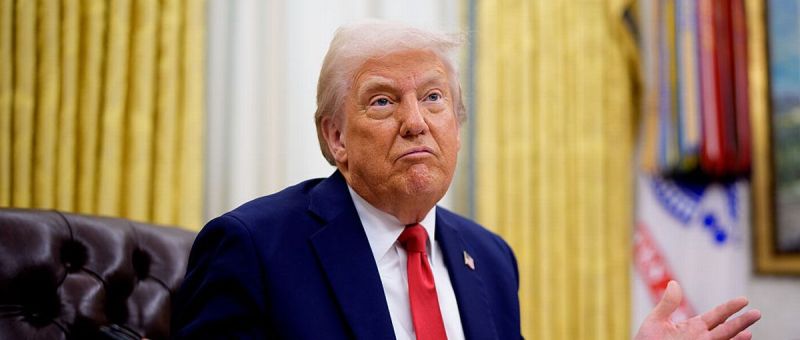
As you might have read, Donald Trump has been elected President of the U.S. for the second time. This was a very impactful decision not only in the country but also around the world. What are exactly the changes expected to happen once he is in charge and how are they going to affect us? 

At a national level, these are the main affected sectors: 

Economic and Financial Policies 

Trump is expected to push for additional tax cuts, including reducing corporate taxes from the current 21% to possibly 15%, and lowering individual income tax rates for high earners. This could lead to larger deficits, impacting long-term funding for social programs like Medicare and Social Security. 

Likely areas of deregulation include banking, where Trump could roll back Dodd-Frank reforms, allowing banks to take on more risk. In agriculture and industry, Trump might also remove environmental or labor regulations, potentially lowering costs for businesses but at the risk of worker protections and environmental quality. 

His strategy might involve tariffs on Chinese goods, impacting electronics, textiles, and machinery imported from China. This could increase prices for American consumers and lead to retaliatory tariffs on U.S. exports, affecting farmers and manufacturers reliant on Chinese markets. 

Domestic Governance and Judicial Appointments 

Conservative judges would be appointed to the Supreme Court and there would be lower federal courts, creating a judiciary inclined to uphold conservative stances on abortion restrictions, gun rights, and states’ rights. 

More agency staff would possibly be under direct presidential control, a move that could result in the firing or replacement of career civil servants in agencies like the DOJ, FBI, and EPA. This restructuring would likely favor agency heads and employees loyal to his administration’s goals, reducing independence within federal agencies. 

Lastly, stricter voting regulations might lead to new laws requiring voter IDs and limiting mail-in ballots. These changes could affect voter turnout, particularly among minority and low-income communities, impacting election outcomes at state and federal levels. 

Social Issues and Civil Rights 

Trump suggested supporting a national abortion ban after 15 weeks, which would limit access to reproductive healthcare for millions, particularly in conservative states. Also, his administration previously used family separation as a deterrent. His re-election could see a return to this policy, potentially leading to increased numbers of families and children held in detention centers. Moreover, he consistently opposed Deferred Action for Childhood Arrivals (DACA) and may seek to end protections for “Dreamers,” potentially impacting the legal status of around 600,000 young immigrants

Past policies included banning transgender people from military service. A return could see attempts to allow businesses to deny services to LGBTQ+ individuals based on religious beliefs, affecting areas like employment, housing, and healthcare access. 

Environmental and Energy Policies 

As previously, the US might be withdrawn from the Paris Agreement, weakening international climate commitments. His administration could also cut funding for renewable energy programs, including solar and wind, in favor of expanding oil drilling and fracking. 

Energy dominance” might be achieved by expanding drilling in federal lands and waters, including the Arctic. This could result in rising carbon emissions, negatively impacting U.S. air and water quality, and exacerbating climate change effects. 

Healthcare and Public Health 

Trump has called for replacing the Affordable Care Act but has not provided a specific replacement plan. If he succeeds in dismantling it, around 20 million Americans could lose health insurance, leading to higher rates of uninsured individuals and increased pressure on emergency services and hospitals. 

Trump’s criticism of agencies like the CDC could lead to reduced funding and influence for public health experts, impacting future responses to health crises and making the U.S. less prepared for pandemics

Technology, Media, and Cybersecurity 

Section 230 of the Communications Decency Act protects tech platforms from liability for user content. Changes to this law may perhaps force social media companies to alter how they moderate content, leading to more limited or more regulated user expression online. 

Furthermore, his support for conservative media outlets can shift public reliance away from traditional news sources. This would increase the influence of platforms like Truth Social or OANN, impacting how Americans access and interpret news and information. 

National Unity and Social Polarization 

Trump’s rhetoric often appeals to a specific base, which may lead to heightened polarization among urban vs. rural, conservative vs. liberal, and racial or ethnic groups; more protests, counter-protests, and confrontations between political factions, possibly heading to public safety challenges. 

Claims about “fake news” and “election fraud” have reduced trust in the electoral system and media. A second term could deepen this mistrust, with Americans increasingly questioning the legitimacy of elections, judiciary decisions, and federal agencies, which could destabilize democratic norms. 

Education and Curriculum Standards 

Trump has been vocal about removing what he calls “wokeideologies from schools. His administration could push for more conservative curriculum standards, potentially restricting lessons on systemic racism, gender identity, and LGBTQ+ history. This could lead to lawsuits and increased politicization of educational content. 

School choice initiatives might be expanded, pushing for vouchers that allow students to attend private or charter schools with public funding. While this could provide more educational options, it may divert resources from public schools, impacting their quality and equity, especially in low-income areas. 

What are the possible consequences for international politics and economics? 

Turning to the consequences of Trump’s second term for international politics and economics, some drastic changes can be anticipated based on Trump’s announcements and promises during his election campaign. 

Tariffs and a return to protectionism 

During his campaign, Donald Trump promised to increase U. S. tariffs on all goods imported from China to 60% and from all other countries to 10%. Once, he even threatened Mexico with 100% tariffs. These protectionist measures are aimed at domestic companies outsourcing parts of their business to other countries or foreign firms with a key market in the United States, in hopes of “bringing back” manufacturing to the country and growing the economy through a strong industrial landscape. International companies such as car manufacturers from other countries now worry about losing the U. S. as a crucial market in their segment and might need to fundamentally adjust their strategic plans for the future. Trump tariffs could spark trade wars with other industrial nations and raise consumer prices around the world, lowering the living standard for the middle and lower class in industrial market economies. 

NATO-Skepticism and “stop the wars” 

Governments and citizens around the globe are watching with chattering teeth what Trump’s exact plans are for NATO and its members. Some are even worried the United States will exit NATO altogether. Trump has previously stated he wouldn’t protect a NATO member against a Russian invasion if they don’t pay at least 2% of their GDP on defense, which jeopardizes the fundamental purpose and integrity of the alliance. Also, he has pledged to negotiate and settle the conflicts in Ukraine and Israel to stop the wars and achieve peace. Many fear this strategy will lead to advantageous outcomes for Russia and a detrimental result for Gaza and the Muslim population in and around Israel. Conversely, Trump has vowed to establish a military defense shield around the U. S. to protect it, should a third world war begin to escalate. This blatant approach to foreign policy could strengthen Russia in its imperialist undertakings, essentially showing how an invasion in contravention of international law can be pursued without punishment. 

Immigrants facing discrimination and deportations 

President-elect Trump has said he will pursue mass deportation during his presidency to counteract President Biden’s alleged laissez-faire immigration policy, that has led to millions of criminals from insane asylums storming the country, according to Donald Trump. Despite the refutation of these claims, a surge in deportations is projected to impact the construction, housing and agriculture industry negatively, which all depend on migrant workforce. Trump has also stated he would reinstate a travel ban that used to ban people from mostly Muslim countries from visiting the U. S. and extend it by refugees from Gaza. This could foster the global conflict between religions and islamophobia. 

Conclusion 

It has become evident how Donald Trump seeks to fundamentally reshape U. S. politics to provide more influence on himself and his allies, while embedding republican values and beliefs into law and everyday life. With his economic policy, Trump wants to reinstate the United States as the manufacturing powerhouse it once was, and abolish all factors inhibiting that dream, including social benefits or climate protection efforts. The same holds for foreign economic policy, where he resorts to pre-war mercantilism by applying heavy tariffs on foreign goods and exporting as much as possible. Regarding diplomacy, he outlines short-term resolutions to ongoing battles, likely to the delight of his voters, but might risk destabilizing global international politics altogether along the way. It is ultimately left to the individual to decide on whether the changes in tone in U. S. politics will have positive or negative consequences for one’s personal life, but it is safe to assume the second Trump presidency will test core democratic values and shake up the current global political agenda. 

Disclaimer: It is important to note that Donald Trump has previously not delivered or changed his stance on numerous election campaign promises, signaling that the implications stated in this article might not come into effect in the very form Trump sketched them out during his rallies. 


Sources: Brookings, Reuters, Cato Institute, The Heritage Foundation, Pew Research Center, The Atlantic, Council on Foreign Relations, The New York Times, The Washington Post, The Verge, Forbes, The Economist

Teresa Catita

Bent N. Eisheuer

EC 25th of October – Morning sessions

Reading time: 10 minutes

The second day of the Conferences was dedicated mainly to the themes of environment and health, with opening remarks given by Helena Canhão, the Dean at Nova Medical School, who introduced the day highlighting the need of reshaping the essence of medical education: students need to be not only skilled but also open to diversity, compassionate and equipped with a leadership capacity. Furthermore, Helena brought up the relevant issue of longevity as a challenge and opportunity for future doctors, recognizing the urgency of this issue, which is currently being explored by the Nova Longevity Institute. This collaboration between Nova Medical School, Nova School of Business and Economics and Sir Richard Roberts is a pioneering center of research and implementation of measures for longevity accessible to all.

Fernando Alexandre, Minister of Education, Science and Innovation, also took part in this first segment, focusing the increasing complexity of the world and challenges it poses to democracies. As many shocks, such as epidemics, wars and climate change, have made the world progressively volatile, education and innovation have become instrumental pillars to foster trust in democracies and fight populist ideas, which simplify solutions for complex problems. Thus, to find the best suited policies and make informed decisions about a country’s future, everyone should be guaranteed equal opportunities to access education.

Innovation, as result of human capital and science investment, naturally leads to solutions for global problems.

Peace Talk

The first panel debate delved into the peace thematic, and was between former Presidents, Dalia Grybauskaite (Lithuania) and Elbegdorj Tsakhia (Mongolia), accompanied by former Prime Minister, Mehdi Jomaa (Tunisia), and moderated by Rebecca Abecassis, Editor, Expert, Author & Producer of European News Programs with RTP Portugal. The debate was centred around multilateralism and whether it could still be a powerful peace promoting tool.

Dalia Grybauskaite introduced the proposed theme tracing back to 2014, when she warned world leaders that Russia was a terrorist state with a dangerous President. After meeting with Putin in 2010, she realized that Lithuania could not depend on Russia for energy, as the latter was using it to make countries dependent on it for a future expansion. This prompted the ultimate decision for Lithuania to become energetically independent from Russia. Grybauskaite concluded her statement further inferring that negative leadership and dictatorship is growing and promoting its brutal power, mentioning that Putin has already presented himself as an “Informal leader of the World”. This argument was supported by Mongolia’s former President, who adds that change starts now:

“It always seems impossible until it’s done.”

As the debate progressed, Mehdi Jomaa advanced a different perspective, as he is not in the first line of fire of the discussed conflict between Russia and Ukraine. Accordingly, society is leaving a world order (post WW2), in favour of arising disturbance and conflict, with injustice feeding the current global issues. He then mentions that Tunisia is a part of the Non-Aligned movement, so it has neutral position. But it is a part of the new global south: There is an emergence of new powers, the global south is an expression of the will to reorganize the world and be connected to what is happening but also the need for negotiation around the tables and not with weapons.

He further expanded on the conflict and political instability in Palestine, emphasizing that it should be given equivalent support as Ukraine but is not.

We are living a double standard. When it’s about global powers we show interest, but otherwise we don’t. Where is the UN and its Security Council? Palestinians have the right to be self-determined and peace needs to emerge through respect of international law.

The recent death of Hamas leaders is not enough, the support of the US and EU is crucial to assure Palestinians right to live and kick start peace talks. Medhi concludes by highlighting the need to work towards justice and the respect of international law.

The debate ends with Tsakhia’s last statement, noting that there is still a good global trend in a want for a better future, with more than 140 countries having voted for the Pact for the Future. He believes in a brighter and more prosperous future for the world.

Health & Longevity

The conferences then moved on to Health & Longevity, with a Nobel Talk given by Sir Richard Roberts, Chief Scientific Officer at New England Biolabs. The 1993 Nobel Prize in Physiology or Medicine Laureate argued that bacteria are not always the villain, as it titles the speech “Why we should love bacteria”.

Sir Richard contextualizes the audience by stating that every human has 10 to 14 bacterial cells in their body keeping them alive:  help with digestion and keep the skin in good condition, for instance. Despite its visible strengths, bacteria still have a bad name to them due to the perceived notion that these are at the root of most diseases.

“There is so much we don’t know about them and yet they are essential.”

The concept of Genetically Modified Organisms (GMOs) is then introduced, as more than 700 million people face hunger, and 60 million children’s growth is stunted because they do not have access to the proper nutrients and food. Thanks to the biotech revolution, scientists know how to breed plants in better ways, make them more nutrient dense.

However, Greenpeace has been advertising against GMOs without evidence of their danger, leading the European parliament to ban them. To reverse such decision 172 Nobel Laureates have supported an open letter to Greenpeace and every UN Ambassador urging an acknowledgement that GMO technology is safe and should be supported for the sake of the developing world, who desperately need improved yielding crops with added nutritional value.

Moreover, climate change is devastating life as we know it and greenhouse gas emissions are a major problem. Bioengineered crops can help the food supply, to mitigate climate change, by making crops consume more CO2 out of the atmosphere.

The next talk explores the theme of longevity, introduced in the beginning of morning, as the two guest speakers answer the question: Is the obsession with health turning ageing into a medical condition?

For the past decades, the growing aging population has been perceived as a burden, due to more need of assistance, which has led to the concepts of successful ageing versus bad ageing. Thus, people are turning common experiences of ageing into diseases and starting to diagnose too early, which is the issue tackled by speakers Alexandra Brandt Jonsson, medical anthropologist and associate professor of health and society at Roskilde University in Denmark, and John Brandt Brodersen, general practitioner and professor at the Centre of General Practice University of Copenhagen and the Research Unit for General Practice.

Overdiagnosis can have three types: Over-detection, over-definition and disease mongering, which regards the widening of diagnostic boundaries to expand treatment market. Moreover, experiencing a decrease in physical and cognitive abilities is seen as a danger, not part of the idea of “successful ageing”, contributing to an overdiagnosis of natural challenges that come along with age.

To further explore the matter and its impact on the environment, the guest speakers brought empirical data: 80% of carbon footprint of healthcare comes from clinical activity, with 60% of which being evidence-based care, 30% being of low value, and 10% being harmful care, directly aligned with overdiagnosis. By reducing the 40%, the carbon footprint can be reduced by 1/3, and resources allocation improves in efficiency. However, the growing tendency to progressively medicalize foments the need for macro action.

Planet Talks

The Planet Talks of the morning are introduced by Elizabeth Kite’s inspirational talk on what could be learnt from the world’s most vulnerable nations in order to lead better. Kite dedicated the talk to sharing her insights on how resilience and leadership in Tonga, the world’s third most vulnerable nation to natural disasters and rising sea levels, can guide society toward creating a more sustainable and inclusive future. This line of thought is further explored in the next talk, with guest speaker Rui Diogo, Multi-awarded researcher and writer, who debated how critical global issues can be addressed through the convergence of ancient wisdom and modern science.

Food systems and biodiversity are also focal points when addressing the climate and environmental sustainability. Professor Carlos Gonçalo das Neves and Meghan Sapp discuss how regenerative agriculture and practices are essential for a successful systemic transformation, in an insightful conversation moderated by Gabriela Ribeiro.

The former talks paved the way for the next panel debate about energy and climate change management, powered by EDP. Guest speakers Jorge Moreira da Silva, executive Director of UNOPS (United Nations Office for Project Services), and Michael Liebreich, chairman and CEO of Liebreich Associates and Co-Managing Partner of EcoPragma Capital, join moderator Vera Pinto Pereira, to address inclusive strategies to drive energy transitions in today’s world. The audience is given context on the shared goal of the Paris Agreement to limit warming to 1.5ºC above pre-industrial levels, implying a net zero CO2 emissions globally by 2050, and Jorge Moreira da Silva opens the debate by arguing that the issue has trespassed climate, including now inequality and an overall sustainability crisis.

Both speakers agree that there is a need for generosity and solidarity, from developed countries, towards the countries who don’t have the means for an energetic transition.

The energy transition is about more than going green and the climate, it is about social impact.

Policies and investments play, thereby, a crucial role, however, these need to be backed by an actual capacity of implementation, especially in the less developed countries. It was also noted that innovation plays a vital role, even more so if it is present in all the intertwined sectors mentioned: not just science, but also political and financial. Engineers and scientists are essential, but would need the support of business professionals, to help scaling up and take the technologies forward, as well as that of politicians, to raise ambition and implement the policies needed to spread the technologies

The speakers did have diverging opinions in terms of optimism of reaching the 1.5ºC goal: Jorge Moreira da Silva takes an optimist stand, arguing that the developed countries can surely reach this goal but need to help the rest of the world to do so as well, whereas Liebreich was more pessimistic about the threshold being reached in time. 

Policy Talk

Before the lunch break, the audience is presented a brief talk with Sarah Aswhin, head of department at LSE, and Francisco Veloso, dean at INSEAD, moderated by Graham Miller, about education’s role in the turbulent global landscape.

The past years have marked a substantially turbulent time for education, relating to challenges of sustainability, the emergence of AI, and an instable political climate. Historically, Universities have the delicate role of creating safe and respectful spaces that foster debate, experimentation, freedom of speech and access to facts while existing within a political framework.

Within this talk, speakers agree that it is crucial to create and uphold a space where students feel safe to express themselves and learn in whichever way adapts best to them which is still immensely complex to accomplish. There is still a lot of work to be done.

Closing Remarks

As this enriching morning comes to an end, the audience is reminded of the pivotal insights shared across the various domains, from health and longevity to peace and climate action. These discussions have underscored not only the complexity of today’s challenges, but also the collective strengths required to address and combat them.

NAC thanks all the speakers for all the invaluable contributions as we look forward to building upon this momentum in the days to come.


Marta Nascimento

Madalena Martinho do Rosário

EC 25th of October – Afternoon Talks

Reading time: 7 minutes

AI & Tech

After the lunch break, the afternoon began with a talk on AI’s potential in augmenting one’s everyday life, given by Ethan Mollick, Associate Professor at the Wharton School of the University of Pennsylvania & Author of “Co-Intelligence”. Mollick focused his speech on the practical aspects of how new technological tools can transform the world and explores the many strengths around collaboration between businesses and AI.

Health and Longevity

Health and Longevity is once more the star of the day, with the many talks around health beginning with Dr. Andre Kalil, Professor in the University of Nebraska Medical Center Division of Infectious Diseases, discussing how global health security can be strengthened by through innovative strategies and collaborative approaches.

Daniel Solomon, a Rheumatologist, Epidemiologist, and Professor of Medicine at Harvard Medical School also provides some insight on the alliance between health and technology, introducing the audience to the most recent developments in digital health technology, particularly shedding some light on personalized health medicine and population health management.

He brings forward the idea that a tool with patient and provider input may be able to improve health administration. For example, with an app in which patients introduce daily information regarding the evolution of their condition, doctors may be able to follow the development of the patients’ condition and accordingly establish the next appointments, ultimately potentiating reduced waiting periods. The app that Doctor Solomon described included features such as reminders for taking medicine or reliable information regarding the condition so that patients do not use other sources, such as the well-known “Doctor Google”.

This kind of idea not only can be tested for more specializations, as it also can help to broaden societies’ horizon regarding the potential of developing technologies appliance in health management issues.

Still on the topic of health, we move for the type of health that has been gaining more and more momentum: mental health, and particularly mental illness. Jacqueline De Montaigne, a contemporary painter and muralist delves into the deconstruction of the stigma surrounding mental illness through art. The artist starts by opening up on her own problems with mental illness, followed by some statistics: Did you know that it is estimated that than one in five U.S. adults live with a mental illness? Obviously, this is a common issue, so why isn’t it talked about more often?

De Montaigne explains the importance that canalizing her feelings towards painting and drawing had on her condition. Small things such as the movement of the brush when drawing a feather filled her with increased ease. And there are many celebrities that talked publicly about other ways of processing mental conditions: Lewis Hamilton meditated, for example. In this sense, not only art can create a trigger for discussion of these issues in society, but it can also be used as a tool to deal with them. Before, she too could not believe she was to be where she is now. So, on a final note, the artist reminds the public that anything is possible.

The next talk also takes part in the mental health space, more specifically dealing with the issue of coercion in dealing with mental healthcare.

Deborah Aluh, a Global Mental Health Researcher at Lisbon Institute of Global Mental Health invites us to question the use of coercive or restrictive measures (for example, mechanical restraint or isolation) to deal with certain mental conditions, and instead proposes a community-based care approach. To reduce coercion, she proposes a mental health system reform, a proper training of mental health professionals and the revising of mental health laws. Aluh cited a study that advances that stigma is related to the approval of coercive measures, and, in that sense, challenging stigma also could pose as a way to fight coercion.

Andreas Heddini, Vice President Medical Affairs of AstraZeneca, then proceeds to deliver a speech on the ability that improved healthcare delivery may have on decarbonization of health systems.

“Healthcare is responsible for approximately 5% of carbon dioxide emissions.”

From this premise, the vice president of medical affairs of AstraZeneca proceeds to explain the commitment that the company has been carrying out with healthcare systems in order to drive action in climate, equity and resilience.

Heddini highlights some ways of achieving decarbonization, such as decarbonizing facilities, preventing disease onset, promoting early diagnosis, optimizing disease management, guaranteeing remote care when appropriate and using lower emission treatments.

Afterwhile, it was time for the announcement of the NOVA Hackathon 2024, in partnership with AstraZeneca, Nova Medical School and Nowace. This prize aims to address the necessity to lower CO2 emissions without compromising patient care. The first price was attributed to Team Number 3, to a project that was based on “personalized ecofriendly medication packaging with AI support, to improve patient understanding, adherence and to reduce waste and carbon emissions.”

In a break from the health thematic, we are presented to the NGO developed by the musician Dino D’Santiago: Mundu Nôbo. The singer and songwriter explain how he prepared a speech in English, but decided to deliver it in Portuguese, the language of his heart.

According to their website, Mundu Nôbo aims to empower and inspire children from less represented communities, such that they´re able to achieve their full potential through education, civic participation and cultural celebration. They do so by establishing contact with artists, athletes and successful professionals, organizing visits to colleges and companies, trying to provide internships and shows, as well as having monitors 24/7 hours available.

In the end, Dino D’Santiago leaves the audience with a song.

Returning to the topic of health, we are introduced to a panel discussion between Leonardo Lotto and Lorraine Ansell, both CEMS alumni. Additionally, Lorraine published a book in which she narrates her pain and respective coping mechanisms. Moderated by Miguel Viana Batista, they enter in a discussion on how chronic pain affected their lives and professional ambitions.

The panel discusses the differences between their conditions, specifically addressing the fact that Lorraine endures an invisible and dynamic condition. Being a woman in such a position also comes with challenges: Particularly often feeling overlooked and having her pain ignored. Lorraine confesses the difficulty in trying to convince doctors of her pain. They then address the importance of accessibility and technology in society.

Close to the end, there is the attribution of the awards for the 6th Patient Innovation Awards Ceremony.

The concept behind the ceremony is introduced by Nova SBE’s Dean, Pedro Oliveira.

In the category of “Patient – Caregiver Innovator”, there is an award attributed by Sir Richard Roberts, 1993 Nobel Prize in Physiology or Medicine Laureate to the alumna Beatriz Batista and her caregiver Adília Oliveira. Beatriz shares an impactful speech in which she explains the development of her disease and how she was able to adapt through difficulty.

The award for the category “Caregiver Innovator” was attributed by Maria Antónia Almeida Santos, President of the Faculty Council at NOVA Medical School to Reality Telling.

For the category “Collaborator Innovator”, João Sáagua, Rector of the Nova University of Lisbon delivered the award to the CEO & Founder of Janitri Innovations.

Lastly, Hans Jørgen Wiberg, the founder of Be My Eyes won in the category for “Patient Innovator”. He developed an app in which people with visual disabilities can request assistance from volunteers, such that, for a few seconds, they become their eyes. For example, if one needs accessing whether the milk as expired or not, they had the possibility to ask a volunteer to read the date through the app.

The session ended with the closing remarks of Nuno Piteira Lopes, Vice-President of the Municipality of Cascais and Ana Paula Martins, the Minister of Health. To say goodbye to this 9th edition of the Estoril Conferences, the fado singer Teresinha Landeiro, a Nova SBE alumna, performed.


M Francisca Pereira

Estoril Conferences 24th of October – Afternoon Sessions 

Reading time: 9 minutes

Policies Talks

What if businesses can be part of the solution? 

Introduced by Nova SBE’s own Miguel Ferreira, LSE’s professor Alex Edmans delivers a speech in which he explores the bewitching idea that companies that incorporate in their objectives both purpose and profits perform better in the long run. The alure of this keynote goes beyond our desire for that premise to be truth, as the academic work of Professor Edmans greatly focuses on this relationship between profit and purpose. In this sense, companies may now have the chance not only to achieve financial success, but to contribute directly to improve society. This debate is particularly interesting in the context of our university, that every year certifies thousands of students that will come to take part in the next most successful businesses.  

Artificial Intelligence and Technology Talks

Soon after, the audience had the delight of following the launch of the newest Digital Data and Design Institute, founded by Nova SBE in partnership with Nova Medical School and Harvard Digital Data Design Institute (D^3). The presentation included an amusing theatre in which Nova SBE’s dean Pedro Oliveira participated and a video message from the Chair and Co-Founder of Digital, Data, & Design Institute at Harvard, Karim Lakhani.  

This institute aims at helping companies navigate this environment in which new technologies are promptly emerging, while integrating them in their business practices, by integrating both academic research and practical applications.  

And in case you are wondering where the facilities of this institute will be located, they will encompass the previous televisions and sofa’s area near Pingo Doce and the space right above them, in the KMPG galleries.  

So, what can we expect of this brand-new AI driven world?

To enter this discussion, we were presented with the pop star entrance of Derek Ali, a mixing engineer that worked with Kendrick Lamar, Childish Gambino, Cardi B, SZA, Brockhampton, amongst many others. Ali discussed with Jen Stave the inevitable question of what the place of AI in the landscape of creative work will be. Should creatives be worried about losing their job? Should parents impose the learning of the craft before the use of AI? How will the industry change in 5 years? 

As a means to showcase the key role that AI may be able to play in music production, Derek Ali created 100% AI generated music demos using prompts. The audience ended up enjoying a fado song about Portugal’s President Marcelo Rebelo de Sousa “Canto ao Nosso Presidente” and a catchy pop song about Nova SBE’s dean, Pedro Oliveira. AI might be able to unveil new realms of creation by allowing artists to access inspiration more easily. 

The late afternoon’s panel discussion “AI and the Future of Talent” moderated by Nikolaj Malchow-Moller, focused on the implications of artificial intelligence for the future of talent, labor markets, and industry and society organizational structures. Panelists included Francisco Veloso, Rembrand M. Koning, and Matthew Prince. The key issue highlighted was the displacement and possible unemployment for experienced workers. As such, it was highlighted how, historically, technological advancements did not eliminate jobs, but rather created them. For example, contrary to fears, the introduction of ATMs did not reduce employment. In fact, the number of workers in banks increased, as bank workers simply transitioned to higher-level, more specialized roles. This suggests that although AI, like previous emerging past technologies, may make certain jobs obsolete, it will create new, more specialized and perhaps higher paying jobs. Matthew Prince further sought to deconstruct the fear surrounding AI, highlighting how it is often fabricated and introduced by the very people who are developing and implementing the technology in the hope of dissuading new entrants into the industry, and possibly encourage regulatory barriers, so as to keep their competitive advantage.

Gender differences in AI adoption was also explored, as women, in general, are less likely to engage with AI. Some argued that this might allow women to continue developing valuable skills like rational and logical thinking, while others worried that men may gain a competitive edge due to their greater familiarity with AI. Furthermore, AI can assist with the education sector, by facilitating roles traditionally filled by teaching assistants (TAs), such as class notes and assignments. This could reshape the structure of academic institutions, particularly the responsibilities of faculty and support staff. Rather than replacing human workers entirely, AI may enable them to focus on other areas, such as developing soft skills. In fact, AI should be viewed as a tool to complement human labor, not as a replacement for critical thinking or decision-making. While AI can streamline technical analysis, it cannot substitute for judgment. The growing presence of AI will put more pressure on managers to develop skills in critical thinking, judgment, and interpretation—capabilities that cannot yet be automated. Business schools and organizations need to focus on developing these skillsets to ensure that workers can effectively navigate AI-integrated environments.

The debate also touched on other topics: Will AI accelerate inequality? How is global competition on AI development being handled? It was largely emphasized how allowing the USA or China to create AI monopolies might erode diverse cultural perspectives, creating a more homogenized global landscape, as the American or Chinese way of thinking prevails. The panel further called for the development of European AI, which encompassed “European sensitivity”, so as to adapt these tools to the European reality and way of thinking.

The nest guest on the theme of AI was Robert Seamans, professor at NYU, who discussed the expected transformative impact of Artificial Intelligence, emphasizing how technological advancements drive economic growth. He drew parallels between these emerging innovations and earlier technologies such as railways, steel production, telephones, and motor vehicles, all of which played a significant role in economic expansion. However, Seamans was careful to note that new technologies are not simply “plug and play.” They require time to become productive and for widespread adoption to occur. The importance of complementary assets—those additional resources and capabilities needed to fully leverage new technologies—was highlighted as a critical factor in this process.

Seamans provided an example from Cleveland, Ohio, where robots are used to manufacture and sell metal parts to larger firms. He pointed out that the effectiveness of these robots depends heavily on specific complementary assets. For instance, the grip at the end of a robotic arm must be precisely designed for the task at hand. Seamans explained that while a robotic arm might cost $30,000, the necessary complementary assets, like specialized grips, can require an additional investment of $60,000. Furthermore, achieving maximum productivity involves trial and error, as it takes time to determine the best combination of complementary assets. He argued that this investment in time and resources is also true for artificial intelligence technologies. In this sense, human capital also plays a particularly crucial role when it comes to AI adoption: workers who understand both their industry and the technical aspects of AI are best positioned to leverage AI effectively. The speaker referenced research on AI occupational exposure scores, which measure how different jobs are impacted by AI. These scores showed clear correlations with demographic factors such as salary, education, and creativity. Higher salaries tend to be associated with greater exposure to generative AI, as do higher levels of education and creativity. So, he also strongly encouraged firms to invest in their workers: the long-term success of AI and other big innovations will depend not just on the technologies themselves, but on the people who understand how to apply them.

Next, Michael Sheldrick, author of Ideas to Impact, delivered a thought-provoking speech on how to foster active citizenship and drive social change in the age of AI. He began by discussing ways to build engaged global citizenship, highlighting initiatives he took part in like the Global Citizen app: the app encourages users to take meaningful actions to support communities, fostering projects in Africa and a notable 2021 initiative in inland Brazil. Sheldrick drew an interesting comparison between social media’s role in the past and the influence of generative AI today. Just as social media transformed communication and engagement, AI is expected to revolutionize industries and reshape societal structures.

Shifting his focus to the music industry, Sheldrick noted its rapid growth, particularly in Africa, where a flowering music scene is creating numerous job opportunities. One practical example of such is Kendrick Lamar’s possible first tour in Africa, emphasizing the broader cultural and economic impact of such events. He then pushed forth the belief that everyone can do something, that everyone has a role to play, that we need to work together to achieve meaningful results. This approach is referred to as “policy entrepreneurship,” where leaders across sectors must collaborate to create policies that harness AI’s potential while addressing its challenges.

Pedro Gardete, President of the Scientific Council of Nova SBE, closed the AI section of the event, expressing gratitude to everyone involved. He shared a story about a strategic vision exercise he conducted with students in a focus group, where he asked them what they wanted most from university. Many replied they wanted to learn about what companies wanted from them, that is, a real-world application of the academic knowledge they acquire at university. Pedro Gardete highlighted how discussing and introducing AI in the academic environment sets NOVA apart, as a leading pioneer in new technology application. The speaker proposed an exercise to the audience, who were asked to share a story with their neighbors about a time they felt supported. He then asked the audience to ask themselves whether AI could have replaced that same support, sparking reflection on the irreplaceable nature of empathy and human connection, even in an increasingly automated world.

Closing session

In the closing section of the event, renowned football player Pepe took center stage to discuss his life and career. While originally planned as a traditional panel session with Executive Director of Estoril Conferences Laurinda Alves, the format shifted into something more spontaneous: Pepe and the moderator invited the children attending the conference onto the stage, giving them the opportunity to ask their idol questions directly.

The children’s questions covered key moments in Pepe’s career and personal life, asking about his early years, including his arrival in Portugal and his experiences playing for top clubs, such as his triumph in the Champions League, which the athlete recalled with pride and joy. Throughout the unconventional interview, Pepe also opened up about his mistakes and lessons learned throughout his career, sharing with the children that success is not just about winning, but also about resilience, personal growth, and learning from failure.On a final note, the star was asked what he plans for his future, now that he is retiring from the football playing field. While he did not give specific details, Pepe spoke about his desire to stay connected to football in some capacity, whether through coaching, mentoring young players, or other endeavors. His message to the young audience was clear: no matter what comes next, it’s important to stay passionate, keep learning, and remain humble in the pursuit of one’s goals.


M Francisca Pereira

Mafalda Carvalho