Black Gold in Flames: How the Iran War Is Reshaping Global Oil Markets 

On February 28, 2026, U.S. and Israeli forces launched strikes on Iran, triggering a conflict that sent shockwaves far beyond the Middle East. Within days, one of the world’s most critical energy arteries,  the Strait of Hormuz, was declared closed by Iranianforces, causing what the International Energy Agency (IEA) has defined as the “largest supply disruption in the history of the global oil market.”  

Oil prices have reached levels not seen in years and inflationary pressures are mounting globally. To understand how bad this crisis actually is, one must first understand the centrality of the Strait of Hormuz to the global energy system. 

The Strait of Hormuz: The World’s Most Critical Chokepoint 

The Strait of Hormuz is a narrow waterway, barely 33 kilometres wide at its narrowest point, separating Iran from Oman. Yet through this sliver of ocean flows roughly 27-30% of the world’s maritime crude oil and petroleum trade, along with significant volumes of liquefied natural gas (LNG). Any disruption here is felt almost immediately in markets from Tokyo to London. 

Starting on March 4, 2026, Iranian forces declared the Strait “closed,” threatening and attacking on vessels attempting transit. Oil-producing nations of the Gulf (Kuwait, Iraq, Saudi Arabia, and the UAE) saw their collective output drop by at least 10 million barrels per day by mid-March. QatarEnergy, the world’s largest LNG exporter, declared force majeure on all its contracts as tankers could not leave the Gulf.  

To notice is that Asian economies together receive around 84% of crude oil and 83% of LNG transiting the Strait, hence being the ones most exposed. 
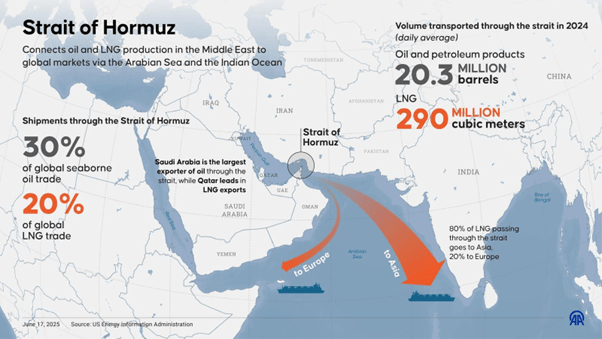
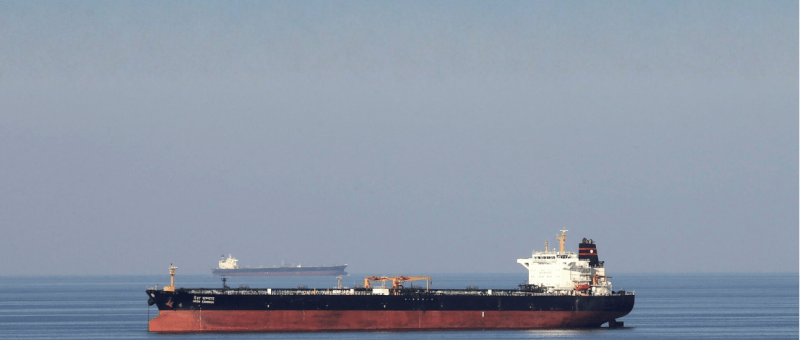
Figure 1: The Strait of Hormuz, through which roughly 30% of the world’s seaborne oil trade passes. Source: Forbes. 

A Shock Without Precedent: Price Surges and Market Volatility 

Oil markets have not been a stranger to geopolitical shocks.  

When Russia invaded Ukraine in February 2022, Brent crude surged past $100 per barrel as markets priced in the risk of supply disruptions from one of the world’s largest energy producers. That spike, dramatic as it was, didn’t last long. 

The 2026 Iran war, instead, has produced a shock of an entirely different magnitude. As the chart below illustrates, the current price surge has already eclipsed the Russia-Ukraine spike in both speed and scale. 

As the Strait closed and Gulf output collapsed, prices climbed relentlessly. March 2026 saw one of the largest single-month oil price jumps ever recorded: Brent gained 51% in a single month, peaking at nearly $120 per barrel. By late April, with peace negotiations stalled and the Strait still functionally closed, Brent briefly touched $126, a four-year high not seen since the most acute phase of the Russia-Ukraine energy crisis. 
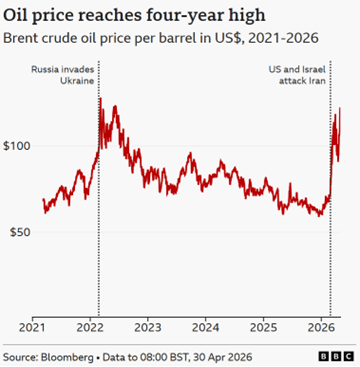
Figure 2: Brent crude oil price per barrel (US$), 2021–2026. The chart highlights two defining shocks: the 2022 Russia-Ukraine spike and the steeper, faster surge following the US and Israel attack on Iran in February 2026. Source: Bloomberg / BBC News, data to 30 Apr 2026. 

But it is not only price levels that make these two events different. The 2022 shock was driven by fears of reduced Russian supply, which the market eventually adapted to through rerouted trade flows. The 2026 crisis saw the physical closure of a chokepointthrough which there is no realistic alternative route for most Gulf producers

“The market hasn’t seen the full impact of that yet. There’s more to come if the strait remains closed.”  

Darren Woods (CEO of Exxon Mobil, May 1, 2026) 

Ripple Effects: The Global Economy Under Pressure 

The impact of this supply shock extends well beyond gasoline prices. Inflation and stagflation risk have moved to the top of the agenda for central banks. Analysts have forecast that if disruptions persist, global inflation could rise by up to 0.8 percentagepoints, with the risk of stagflation, a combination of slow growth and rising prices, for major economies. The United Nations Secretary-General warned that if the war continues throughout 2026, the world will “confront the specter of a global recession,” addingthat “the consequences are not cumulative – they are exponential.” 

The Gulf Cooperation Council (GCC) states themselves have not been spared. Over 80% of the region’s caloric intake is imported via the Strait, and by mid-March roughly 70% of food imports were disrupted, creating a concurrent grocery supply emergency. This adds a wider humanitarian dimension to what began as an energy crisis. 
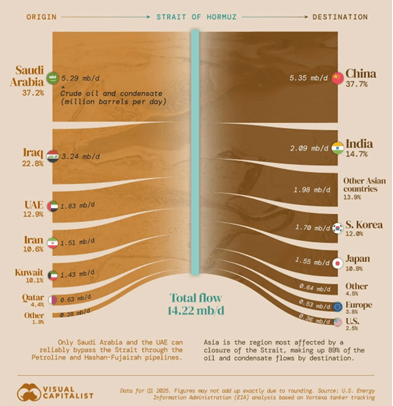
Figure 3: Crude oil and condensate exports through the Strait of Hormuz by destination country (Q1 2025). China alone accounts for 37.7% of total flows, followed by India (14.7%), South Korea (12.0%), and Japan (10.9%) Source: Visual Capitalist / U.S. Energy InformationAdministration (EIA). 

The Philippines became the first country to declare a national energy emergency on March 24, 2026, importing 98% of its oil from the Middle East. Nepal restricted gas cylinder refills. Myanmar imposed alternate-day driving rules. Aviation has beenseverely disrupted across flight corridors linking Africa, Asia, and Europe.  

Meanwhile, the crisis has created stark divides: the United States, as the world’s largest oil producer, saw crude and petroleum exports surge to nearly 12.9 million barrels per day in April 2026, while oil-importing nations in Asia and Africa bore the heaviest burden. 

Looking Ahead: What Comes Next? 

As of early May 2026, the situation remains deeply uncertain. Brent crude is trading around $108–$112 per barrel, lurching with every twist in diplomatic negotiations conducted through Pakistani mediators. Commodity Context founder Rory Johnston has cautioned that even a sustained reopening of the Strait would trigger only a temporary price relief, as supply chain bottlenecks, infrastructure damage, and production outages would likely anchor Brent in the $80–$90 range, well above pre-crisis levels, for the foreseeable future. 

The damage to LNG infrastructure compounds the problem. Qatar’s Ras Laffan complex, struck by Iranian missiles on March 18, faces an estimated 3 to 5 years of repair work, sending LNG spot prices in Asia up by over 140%. With strategic petroleumreserves being drawn down and commercial inventories depleted, Exxon’s Woods has warned that prices may need to rise further to curb demand once those buffers run out. 

The crisis has also injected new urgency into the debate around energy security and the green transition.  

As the chart above makes clear, oil markets remain acutely vulnerable to geopolitical disruption. Whether the lesson is finally taken seriously may prove to be one of the most consequential legacies of the 2026 Iran war. 

Sources 

CNBC; Bloomberg; Forbes; CBS News; Congressional Research Service; BBC News; Reuters; Visual Capitalist; U.S. Energy Information Administration (EIA)

Rebecca Fratello 

Writer
Portugal’s Pride or Saudi Arabia’s Asset? The New Identity of Cristiano Ronaldo 

Reading time: 8 minutes

Cristiano Ronaldo is indisputably the most recognized Portuguese person in the world. Thanks to his abilities and performances in football, as well as the global brands he and his name have created, owning more than five companies, from clothing to hotel chains, he is an influential personality who makes an impact wherever he appears, whether on the pitch or at the White House, as he did last week. Since 2002, when he joined Sporting, he began stepping onto the world stage, carrying Portugal’s name to all corners of the globe. But can Ronaldo be considered a Portuguese ambassador, or is he a brand that can be bought and owned by others? 

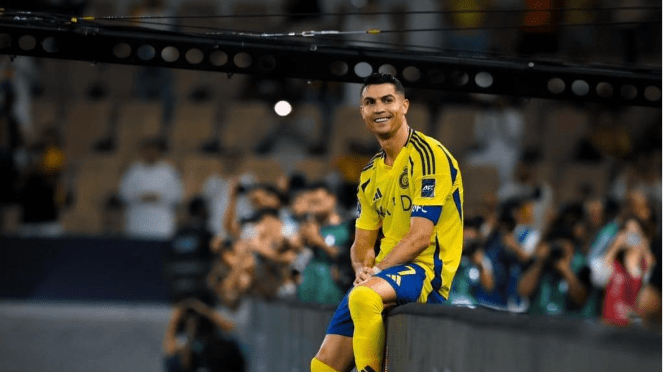
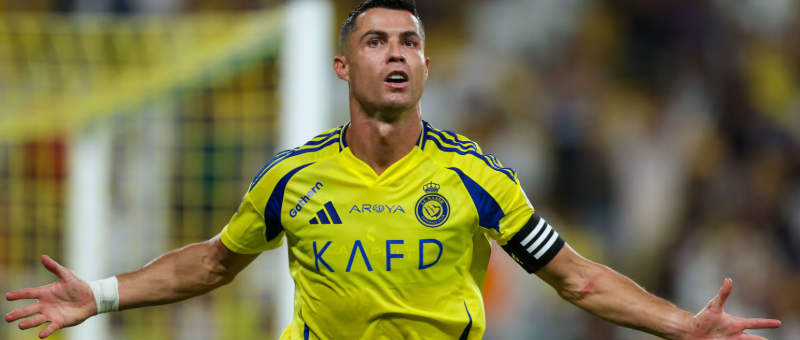
Image 1- CR7 in an Al-Nassar game 

Ronaldo’s impact extends far beyond the football pitch, he has become an unofficial ambassador for Portugal, shaping how the world perceives the country. His success brought unprecedented visibility to Portuguese culture, language, and identity, often sparking global curiosity about his origins and upbringing. Tourism campaigns have leveraged his image, and Madeira, his birthplace, has experienced a noticeable increase in international visitors partly due to the global popularity he helped generate. This was evident in a study published in 2021 by the researchers in the Centre for the Study of Geography and Spatial Planning of the Faculty of Arts of the University of Coimbra (FLUC), the study emphasizes that Madeira Island “was consecutively elected” as “Best destination Island in Europe” between 2013 and 2021 (only with the exception of 2015) and, cumulatively, “Best Island Destination in the World” between 2015 and 2020. Adding that “the notoriety of Cristiano Ronaldo influences a whole chain of attitudes, reactions and personal and social behaviours with a positive impact on tourism in Madeira”. The study conclusion was that Ronaldo contribution was important for the island and that he should be used as a role model for other known Portuguese figures to promote their Portuguese home cities and regions. Even in moments of tragedy, Ronaldo image was spotted and helped to raise awareness to the cause. This is the example of “Martunis” an Indonesian boy that was found alone and malnourished in a beach in Indonesia, after the 2004 tsunami that hit Indonesian. The boy was spotted using a Portuguese jersey with the name Ronaldo in the back, the story gains immense media coverage and raise a lot of attention to Indonesia, even leading to CR7 to visit the country and becoming “godfather” of the little boy “Martunis”, sponsoring his studies and career.  

Image 2- Ronaldo meeting Martunis

However, in recent years, Ronaldo’s move to Al Nassr also placed him at the centre of Saudi Arabia’s ambitious global rebranding efforts. Beyond playing football, he has become one of the country’s most visible cultural promoters, appearing in campaigns that encourage tourism and international investment. While this is part of his contractual obligations as a global athlete, it inevitably raises questions about how far a personal brand can be integrated into the strategic interests of a nation. The scale of his salary and commercial responsibilities suggests that Saudi Arabia did not just sign an athlete, they acquired a symbolic asset capable of shifting global narratives. These suggestions came since Saudi Arabia has been attempting to reshape its global image amid international criticism of certain policies, such as restrictions on civil liberties, the treatment of dissidents, and human rights concerns frequently raised by global organizations. These issues have at times overshadowed the Kingdom’s efforts to present itself as a modern, forward-looking nation. Ronaldo’s visibility, charisma, and global following provide Saudi Arabia with a powerful cultural tool that can redirect attention toward tourism campaigns, entertainment initiatives, and economic reforms presented under Vision 2030. While Ronaldo himself is primarily fulfilling the professional and promotional obligations of his contract, his presence inevitably becomes part of a wider attempt to soften international criticism and project a more positive image. 

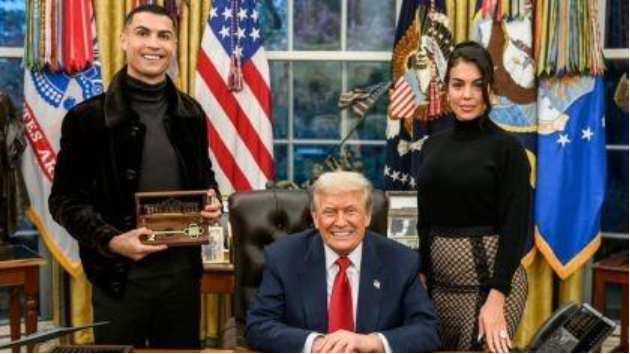
Although, joining Al-Nassar in 2023, the past week Cristiano Ronaldo made headlines by visiting the White House alongside Saudi Arabia prince Mohammad bin Salman and his delegation. The visit aimed to formalize the trade deal between the U.S. and Saudi Arabia of 300 U.S. made tanks and the 1 trillion investment guarantees from the Saudi’s. Nevertheless, what was most reported from the meeting between the two countries was the dinner, that featured Cristiano Ronaldo as an ambassador of Saudi Arabia. Ronaldo’s presence blurs the line between being an ambassador by choice and being a figure whose image has been strategically “purchased” to serve broader political and economic objectives. In Portugal, a heated debate arises. For some Portuguese, like the President of the Regional Government of Madeira, Ronaldo´s trip brought pride to Madeira, since he represented the region and Portugal near the most powerful men of the free world. Nonetheless, some political commentators wrote and openly stated that the visit was an “embarrassment” for them as Portuguese people, with Elma Aveiro, Ronaldo’s sister, responding to the criticism from commentators like João Maria Jonet that said live in “SIC Notícias” that he was “shocked” with Ronaldo visit. Even Ricardo Araujo Pereira ironically commented on the situation, saying in his Sunday show: “What would D. Afonso Henriques, founder of Portugal, that fight the moors to gain independence, say seeing Portugal biggest personality in the white house representing Saudi Arabia, home of the founder of Islam”.  

Image 3- Ronaldo receiving the White House Key 

To conclude, Cristiano Ronaldo’s trajectory from global sports icon to a figure intertwined with Saudi Arabia’s political and economic ambitions illustrates the increasingly complex relationship between celebrity, national identity, and international power. His presence at events of geopolitical significance shows how his image now functions far beyond the boundaries of sport, becoming a tool capable of lending visibility and legitimacy to the agendas of states. This dual role has intensified debate within Portugal, where admiration for Ronaldo’s achievements coexists with discomfort over the symbolic weight his endorsements carry. Ultimately, Ronaldo’s case exposes the delicate line between personal success and political appropriation, raising broader questions about how much control public figures retain over their own narratives once they become global brands embedded in international strategies. 

Sources :

Guilherme Mendonça  

Writer