The Economics of Mindfulness: Why Wellbeing Is a Business Case

Reading Time: 5 minutes

Reframing Wellbeing in the Modern Workplace 

As the nature of work becomes increasingly complex, digital, and fast-paced, employee wellbeing has emerged as a critical driver of organizational success. Far from being a peripheral HR topic, psychological wellbeing directly impacts core business outcomes – from productivity and innovation to turnover and engagement. The notion that investing in wellbeing is costly or optional is increasingly contradicted by empirical evidence showing that it is, in fact, a smart economic decision. 

Workplaces where employees report higher levels of subjective wellbeing – particularly job satisfaction – demonstrate significantly better performance outcomes, including labor productivity, output quality, and profitability. These relationships persist even when controlling for other HR policies, highlighting wellbeing as a distinct and measurable source of competitive advantage. 

Moving Beyond Perks: Systemic Approaches to Wellbeing 

Workplace wellness initiatives often focus on individual-level solutions like meditation apps, fitness memberships, or lunchtime yoga. While these efforts may reduce short-term stress, they fail to address the structural conditions that give rise to chronic strain, disengagement, and mental health risks. 

Interventions are more effective at the organizational or group level. Changes to work schedules, job roles, or team dynamics – especially those that increase employees’ control and participation – have demonstrated a broader and more sustainable impact on wellbeing. Employees who have autonomy in their tasks and a voice in how work is structured consistently report higher levels of job satisfaction, lower stress, and improved work–life balance. These outcomes are amplified in environments that support open communication and shared decision-making. 

Such systemic approaches suggest that wellbeing is not the result of individual resilience, but of healthy, empowering work environments that are intentionally designed. 

Technology and the New Frontier of Workplace Wellbeing 

In response to hybrid and remote work environments, organizations are increasingly turning to digital tools to support mental health and wellbeing. From immersive virtual reality (VR) environments that simulate calming nature scenes to AI-based tools that monitor emotional states via facial expressions, biometric data, or tone of voice, technology now plays a growing role in the design of workplace wellbeing strategies. 

Virtual reality programs have shown promising results in reducing stress and promoting relaxation in various workplace settings. Even short VR interventions with nature-based visuals or guided breathing exercises have been associated with measurable improvements in employee wellbeing. These technologies can serve as accessible and time-efficient micro-breaks, particularly in demanding or high-pressure environments. 

At the same time, the use of emotional AI raises critical ethical concerns. While emotion-recognition systems promise to enhance management decisions and detect early signs of burnout, they also risk turning the workplace into a zone of surveillance. Monitoring affective states without transparent consent or context can undermine psychological safety rather than support it. If technologies are used to control rather than empower employees, they may backfire – reducing trust and increasing stress. 

The key lies in intentional design and ethical implementation. When used responsibly and transparently, digital wellbeing tools can extend access to support and complement systemic approaches to workplace culture. However, technology must remain a tool – not a substitute – for genuine human connection, autonomy, and care. 

Wellbeing as a Catalyst for Innovation 

Wellbeing not only prevents burnout – it enables innovation. Employees who perceive their work as meaningful and values-aligned are more likely to engage in creative thinking, share new ideas, and take initiative. When employees experience purpose and psychological safety, their engagement spills over into behaviors that benefit the organization as a whole. 

Studies indicate that this effect is strengthened when organizational values align with employees’ own spiritual or ethical beliefs. A sense of authenticity and shared purpose in the workplace fosters emotional connection, which in turn drives proactive contributions and innovative work behavior. 

Resilience as a Buffer to Emotional Strain 

In emotionally intense or high-stakes sectors, such as healthcare, workplace resilience plays a critical role in protecting psychological wellbeing. Employees working under high stress, such as nurses in mental health services, report substantially better wellbeing when they experience resilience-supportive conditions like strong team relationships, opportunities for growth, and autonomy in clinical decisions. Higher resilience levels are associated with lower levels of anxiety, depression, and mental distress – even when job demands remain high. 

These findings affirm multidimensional models of wellbeing, which emphasize not just happiness or the absence of illness, but the capacity to grow, feel connected, and exercise agency in the face of adversity. 

From Support Programs to Cultural Shift 

Employee Assistance Programs (EAPs) remain widely used and often valued as accessible tools for short-term counselling and support. However, their long-term effectiveness depends on integration with broader workplace strategies. EAPs that operate in isolation, without addressing organizational culture or workload issues, may offer limited benefits. When combined with systemic measures – such as leadership development, trauma-informed management, or inclusive policy changes – EAPs can serve as effective pillars within a comprehensive wellbeing strategy. 

Designing for Sustainable Human Performance 

The research is clear: organizations that invest in structural wellbeing – not just individual coping – unlock higher engagement, greater innovation, and stronger business outcomes. Mindfulness, autonomy, psychological safety, and meaningful work are not luxury goods; they are essential design principles for the future of work. 

The economics of mindfulness lies in creating environments where people can thrive – not just survive. In doing so, companies don’t just promote wellbeing – they build better, more adaptive organizations for the long term. 

Sources

Bryson, A., Forth, J., & Stokes, L. (2017). Does employees’ subjective well-being affect workplace performance? Human Relations, 70(8), 1017–1037. 

Delgado, C., Roche, M., Fethney, J., & Foster, K. (2021). Mental health nurses’ psychological well-being, mental distress, and workplace resilience. International Journal of Mental Health Nursing, 30, 1234–1247. 

Fox, K. E., Johnson, S. T., Berkman, L. F., Sianoja, M., Soh, Y., Kubzansky, L. D., & Kelly, E. L. (2022). Organisational- and group-level workplace interventions and their effect on multiple domains of worker well-being: A systematic review.Work & Stress, 36(1), 30–59. 

Kirk, A. K., & Brown, D. F. (2003). Employee assistance programs: A review of the management of stress and wellbeing through workplace counselling and consulting. Australian Psychologist, 38(2), 138–143. 

Riches, S., Taylor, L., Jeyarajaguru, P., Veling, W., & Valmaggia, L. (2024). Virtual reality and immersive technologies to promote workplace wellbeing: A systematic review. Journal of Mental Health, 33(2), 253–273. https://doi.org/10.1080/09638237.2023.2182428 

Mantello, P., & Ho, M. T. (2024). Emotional AI and the future of wellbeing in the post-pandemic workplace. AI & Society, 39, 1883–1889. https://doi.org/10.1007/s00146-023-01639-8 

Salem, N. H., Ishaq, M. I., Yaqoob, S., Raza, A., & Zia, H. (2022). Employee engagement, innovative work behaviour, and employee wellbeing: Do workplace spirituality and individual spirituality matter? Business Ethics, Environment & Responsibility, 32(3), 657–669.

Mara Blanz

Research Editor & Editor
The Impact of Donald Trump’s Tariffs on Markets and International Trade 

Reading Time: 5 minutes

Tariffs have always been a contentious tool in global economic policy, and former President Donald Trump’s administration relied heavily on them to reshape America’s trade relationships. Trump’s approach to tariffs was characterized by the belief that they would protect American industries, reduce the trade deficit, and pressure foreign partners into negotiating more favorable deals for the United States. However, the actual effects of these tariffs have been complex and far-reaching, influencing everything from global supply chains to consumer prices. This article explores the potential and actual impacts of Trump’s tariffs on markets and international trade, offering examples, economic analysis, and perspectives from multiple sources. 

What Are Tariffs and Why Did Donald Trump Use Them? 

Tariffs are taxes imposed on imported goods. By making foreign goods more expensive, tariffs are intended to encourage consumers to buy domestic alternatives. Trump saw tariffs as a tool to reduce America’s trade deficit, particularly with China, and to protect domestic industries like steel, aluminum, and technology manufacturing. 

Key Examples of Trump’s Tariffs: 

  • In 2018, Trump imposed a 25% tariff on steel imports and a 10% tariff on aluminum. 
  • In the same year, the administration slapped tariffs on $250 billion worth of Chinese goods, leading China to retaliate with tariffs on American products like soybeans, cars, and airplanes. 
  • In 2020, Trump threatened additional tariffs on European Union exports such as wine, cheese, and aircraft parts in retaliation for EU subsidies to Airbus. 

How Tariffs Affect Domestic Markets 

1. Higher Costs for Consumers 

While tariffs target foreign producers, the actual cost burden often falls on domestic consumers. Importers pass higher costs onto consumers, making everything from cars to electronics more expensive. A study by the Federal Reserve Bank of New York estimated that by the end of 2019, Trump’s tariffs cost the average American household about $831 per year due to higher prices.  

Example: When tariffs were imposed on washing machines in 2018, prices jumped nearly 12% within months, according to research published by economists at the University of Chicago and the Federal Reserve.  

2. Disruption of Supply Chains 

Many U.S. industries depend on imported components and raw materials. Tariffs on Chinese technology parts, for instance, disrupted the electronics and automotive sectors, which rely heavily on Chinese factories for affordable parts. This forced companies to either raise prices or absorb losses, weakening profit margins and investment. In the long run, some firms moved production out of China, but this led to higher transition costs and inefficiencies.  

Impact on International Trade 

1. Retaliatory Tariffs and Trade Wars 

When the U.S. imposed tariffs, trading partners retaliated with their own tariffs. China targeted American agricultural exports, including soybeans, corn, and pork, hurting U.S. farmers who relied on the Chinese market. By mid-2019, U.S. agricultural exports to China had fallen by 53% compared to 2017. 

Example: The American soybean industry suffered particularly harsh consequences. Before tariffs, China imported about $12 billion worth of U.S. soybeans annually. By 2019, that number dropped to under $3 billion. The U.S. government ended up subsidizing farmers to offset their losses, costing taxpayers billions. (Source: Bloomberg, 2019) 

2. Erosion of Trade Alliances 

Trump’s unilateral use of tariffs alienated key allies, including the European Union, Canada, and Mexico. When Trump imposed steel and aluminum tariffs, both Canada and the EU retaliated with tariffs on iconic American products, from Harley-Davidson motorcycles to bourbon whiskey. This strained long-standing trade relationships, particularly within the World Trade Organization (WTO) framework, which is built on predictable, rules-based trade.  

Effects on Financial Markets 

1. Market Volatility 

Trump’s tariff announcements often led to immediate stock market swings. When tariffs on China were announced in March 2018, the Dow Jones Industrial Average plunged 724 points in a single day, reflecting investor fears of a full-blown trade war disrupting global economic growth.  

2. Sectoral Winners and Losers 

Some sectors benefited from protectionism, particularly domestic steel producers. However, industries reliant on steel (like automotive and construction) faced rising costs, eroding their competitiveness. Agricultural stocks, particularly in soybeans and pork, plummeted due to lost export markets.  

Long-Term Economic Impacts 

1. Reshoring vs. Offshoring Diversification 

One goal of the tariffs was to bring manufacturing back to the U.S., a process called reshoring. Some companies did shift production, but many opted to diversify away from China to other low-cost countries like Vietnam, Mexico, and Thailand instead. This resulted in a fragmentation of global supply chains, increasing overall uncertainty.  

2. Reduced Global Trade Growth 

The uncertainty surrounding U.S. trade policy under Trump contributed to slower global trade growth. According to the World Bank, global trade growth fell from 5.4% in 2017 to just 1.1% in 2019, with tariffs playing a significant role.  

Case Study: The U.S.-China Trade War 

The most high-profile example of Trump’s tariff policy was the U.S.-China Trade War, which began in 2018. It involved escalating tariffs on hundreds of billions of dollars in goods on both sides. The conflict led to: 

  • Higher costs for American businesses and consumers. 
  • Reduced Chinese investment in the U.S.. 
  • A reshaping of Asian supply chains, with companies shifting production to Southeast Asia. 

Ironically, despite Trump’s goals, the U.S. trade deficit with China actually increased in some sectors, as American companies stockpiled Chinese goods before tariffs took full effect.  

Trump’s tariffs were a bold attempt to reset global trade dynamics, but the unintended consequences were significant. While they did pressure China into signing Phase One of a trade deal in 2020, they also: 

  • Raised prices for American consumers 
  • Hurt American exporters through retaliation 
  • Increased market volatility 
  • Weakened global trade growth 
  • Undermined trust in the international trade system 

As the world moves with the Trump era, policymakers face the challenge of rebuilding stable trade relationships while addressing the legitimate grievances about unfair trade practices, especially concerning China’s industrial subsidies and intellectual property violations. Whether tariffs were the right tool for this job remains hotly debated, but their lasting impact on markets and international trade is undeniable. 

Sources

BBC, 2018; Peterson Institute for International Economics, 2020; Federal Reserve Bank of New York, 2019; Flaaen et al., 2019; Harvard Business Review, 2020; Congressional Research Service, 2020; CNBC, 2018; Reuters, 2018; Brookings Institution, 2020; Bloomberg, 2019; World Bank, 2020; Peterson Institute for International Economics, 2020.

Afonso Freitas

Research Editor & Writer

Artificial Intelligence and Ethics: A Necessary Debate 

Time to read: 6 minutes

Artificial Intelligence (AI) is no longer a futuristic concept but an integral part of modern society. It shapes decisions in finance, healthcare, law enforcement, and social media, influencing how people interact with technology and each other. The rapid integration of AI, however, brings with it a host of ethical concerns. Questions about fairness, accountability, and transparency challenge the assumption that technological progress is inherently beneficial. AI does not exist in a vacuum—it reflects the values and biases of those who create and deploy it. While ethical AI has become a widely discussed concept, turning principles into action remains a significant challenge. 

Between Innovation and Responsibility 

The potential benefits of AI are vast. Automated systems can improve efficiency, analyze massive datasets, and assist in complex decision-making processes. In industries such as healthcare, AI-driven models can detect diseases early, optimize treatment plans, and personalize medical recommendations. In business, predictive analytics can enhance supply chain management and customer experiences. Despite these promising applications, the ethical risks of AI cannot be ignored. 

A key issue lies in the tension between innovation and responsibility. Companies and developers push for solutions, often prioritizing speed and market dominance over careful ethical consideration. AI ethics frameworks have been introduced to address this, but they frequently lack enforceability, leaving ethical concerns in the hands of the very entities that stand to profit from AI’s widespread adoption. 

Challenges of Ethical Implementation 

Ethical AI is easier to discuss than to implement. One of the greatest barriers is the lack of transparency of AI systems. Many machine learning models operate as “black boxes,” meaning their decision-making processes are difficult to interpret, even by their creators. This lack of transparency complicates accountability, making it unclear who should be held responsible when AI systems make biased or harmful decisions. 

Another persistent challenge is bias in AI models. AI systems are trained on historical data, which often contains existing biases related to race, gender, and socioeconomic status. Rather than eliminating human prejudice, AI has the potential to reinforce and amplify systemic inequalities. Addressing these biases requires a combination of diverse training datasets, algorithmic audits, and ongoing oversight—none of which are currently standard practices across industries. 

Additionally, economic incentives often clash with ethical considerations. The AI industry is dominated by tech giants that compete for market share, patents, and financial gains. Ethical concerns, such as privacy and fairness, are often secondary to profit-driven objectives. Without clear regulatory frameworks, companies can claim adherence to ethical principles while continuing practices that favor commercial success over social responsibility. 

Bridging the Gap Between Theory and Practice 

For AI ethics to move beyond discussion and into action, structural changes are necessary. Regulatory enforcement is one crucial step. Governments and international organizations must establish clear legal guidelines that define ethical AI development and deployment. Without binding regulations, AI ethics remains largely voluntary, dependent on corporate goodwill rather than enforceable standards. 

Another important approach is enhancing AI explainability. Researchers and developers need to prioritize the creation of AI systems that are interpretable and understandable. This includes designing models with built-in transparency measures, providing clear documentation on decision-making processes, and ensuring that AI-driven recommendations can be challenged when necessary. 

Additionally, inclusive AI development is crucial. Many AI development teams lack diversity not only in terms of gender and ethnicity, but also regarding socioeconomic background, cultural perspective, and disciplinary expertise, which limits their ability to recognize and mitigate biases in their models. A broader range of perspectives—spanning gender, ethnicity, socioeconomic backgrounds, and disciplines—must be included in AI research and implementation. Ethical AI requires collaboration between technologists, ethicists, policymakers, and affected communities to ensure that AI serves a wider spectrum of societal needs. 

Case Study: IBM’s Ethical AI Approach 

IBM (International Business Machines Corporation) has positioned itself as a leader in ethical AI by actively addressing issues of fairness, transparency, and accountability. Unlike many companies that focus solely on AI innovation, IBM has taken significant steps to integrate ethics into AI development through its AI Ethics Board, which oversees responsible AI deployment. 

A key contribution to ethical AI is its focus on explainability. The company has developed the AI Fairness 360 toolkit, an open-source library designed to help developers detect and mitigate biases in machine learning models. By making these tools publicly available, greater transparency and accountability across the AI industry is encouraged. 

The company has also taken a strong stance on regulatory engagement, advocating for clear legal frameworks to govern AI systems. Unlike some competitors that resist regulation, the company supports AI governance standards that ensure responsible development and deployment. 

A notable example of the firm’s commitment to ethical AI is its decision to exit the facial recognition market in 2020. Concerns over racial bias and mass surveillance led IBM to discontinue its facial recognition services, citing the technology’s potential for misuse in law enforcement and violations of civil rights. This decision demonstrated that companies could prioritize ethics over profitability, setting a precedent for responsible AI business practices. 

IBM’s approach to ethical AI implementation offers several key lessons. The company has demonstrated the importance of proactive governance by establishing an internal AI Ethics Board, ensuring that ethical considerations are embedded throughout the AI development process. To enhance transparency and mitigate bias, it has developed open-source tools such as AI Fairness 360, which help detect and reduce discriminatory patterns in machine learning models. Additionally, the corporation has been a strong advocate for regulatory frameworks, collaborating with policymakers to create enforceable standards that promote responsible AI governance. While the initiatives are not without challenges, they provide a blueprint for other organizations seeking to balance AI innovation with ethical responsibility. 

A Call for Collective Responsibility 

The ethical challenges posed by AI are not solely the responsibility of developers or policymakers—society as a whole must engage in shaping the future of AI. Consumers should be informed about how AI affects their lives, researchers must prioritize ethical considerations in innovation, and governments must create legal structures that uphold fairness, transparency, and accountability. 

The debate around AI ethics is not simply about mitigating harm; it is about ensuring that technological progress aligns with human values. AI should not be left to develop unchecked under the assumption that efficiency outweighs ethical concerns. A proactive approach—one that prioritizes responsible AI practices over damage control—will be essential in defining how AI serves humanity in the years to come. 

Sources

  • Arbelaez Ossa, L., Lorenzini, G., Milford, S. R., Shaw, D., Elger, B. S., & Rost, M. (2024). Integrating ethics in AI development: A qualitative study. BMC Medical Ethics, 25(10). https://doi.org/10.1186/s12910-023-01000-0 
  • IBM. (2020). IBM CEO’s letter to Congress on facial recognition and responsible AI policy. IBM Newsroom. https://newsroom.ibm.com/2020-06-08-IBM-CEO-Arvind-Krishna-Issues-Letter-to-Congress-on-Racial-Justice-Reforms

Mara Blanz

Research Editor & Writer
The Evolution of Black Friday: from its Financial Roots to being Global Retail Phenomenon 

Introduction  

Black Friday is a significant event in the retail calendar, traditionally occurring, in the United States, on the Friday following Thanksgiving. Marking the beginning of the holiday shopping season,  it is renowned for its substantial discounts, which attract a massive influx of shoppers both in physical and online stores, making it the busiest shopping day of the year.  

Often strategizing for Black Friday months in advance, retailers plan their inventory, marketing campaigns, and logistical operations to handle the surge in demand, taking into account consumer behaviour as the shopping landscape has evolved to include not just the physical rush to stores but also the increasing emphasis on online sales. E-commerce has become a crucial component of Black Friday, with many clients preferring the convenience of shopping from home rather than braving the crowds in brick-and-mortar stores. 

The Story Behind The Term “Black Friday” 

In 1869, the term “Black Friday” found its origins in one of the most significant financial scandals of the time. On September 24, 1869, in the heart of Wall Street, two enterprising financiers, Jay Gould and James Fisk, conceived a scheme that would go down in history. Their audacious plan was to manipulate the gold market on the New York Stock Exchange by buying vast quantities of gold and then selling it at incredibly inflated prices, promising astronomical profits. However, their ambitions came crashing down on a fateful Friday when the U.S. government intervened, leading to a market collapse and the bankruptcy of numerous millionaires. This calamitous event marked the birth of the term “Black Friday”, associating it with financial disaster for a large period of time. 

In fact, it would only be in 1950s that the term “Black Friday” began to take on different meanings, thanks to both the Philadelphia police force and retailers. On the one hand, the police force used it to describe the pandemonium that ensued on the day after Thanksgiving, as suburban tourists would flood into the city, in anticipation of the annual Army-Navy football game. On the other hand, around the same time, Philadelphia’s city merchants started to use “Black Friday” in reference to the long lines and shopping frenzy at their stores on the day after Thanksgiving due to the same abundance of people. However, upset that the name “Black Friday” had a negative connotation, retailers made efforts to change it to “Big Friday” instead, but the term “Black Friday” had already taken hold and continued to spread. So, venders, refusing to be deterred by the negative connotations of the term, changed the narrative, associating it to the financial term of being “in the black”, which refers to when a business is profitable and prosperous – perfectly reflecting and encapsulating what “Black Friday” would come to symbolize later on –, in contrast to being “in the red”, signifying a financial deficit. 

Over time, Black Friday became a global phenomenon, extending well beyond a single day of wild shopping. Today, it encompasses an entire shopping season, with retailers offering deals not only on the specific Friday but also during the days leading up to it, turning it into a multi-day extravaganza. The term, once tied to financial scandal and chaos for the police force, has evolved into a symbol of consumerism and commerce that transcends its historical origins. 

Consumer Behaviour & Spending Patterns 

The Black Friday cultural phenomenon offers a unique window into distinctive consumer behaviours and spending trends, during which product categories and items experience a surge in popularity. Electronics, such as televisions, smartphones, and laptops, consistently top the list of sought-after items. Additionally, home appliances, clothing, beauty products, toys, and gaming consoles also witness increased demand during this shopping extravaganza. 

Consumer research reveals that the appeal of Black Friday deals isn’t fundamentally based on need, but on the emotional satisfaction that comes with getting a fantastic deal. It’s about the thrill of buying something at a price lower than the standard one. As a result, consumers actively organize their shopping schedules around these deals, diligently seeking out the best bargains to maximize their savings. Moreover, the “Fear Of Missing Out” (FOMO) stands as a prominent driving force behind Black Friday’s shopping intensity. Companies adeptly employ the “scarcity principle” to create artificial exclusivity by imposing arbitrary limitations on stock, creating the illusion of limited supply. This tactic generates a compelling sense of urgency, propelling consumers to act swiftly to seize the perceived savings. Truly, FOMO can be intensified by various environmental factors, including heightened media attention in the run-up to Black Friday, increased social media usage, and the event’s timing, as it often coincides with payday for many individuals. 

Black Friday Shopping (CNN) 

Sales & Revenue Analysis 

The sales and revenues generated on Black Friday are usually monumental for many businesses and they can significantly impact a company’s bottom line. Often serving as a barometer for the overall health of the retail industry, the success of this shopping event can indicate consumer purchasing power and the general direction of retail trends.  

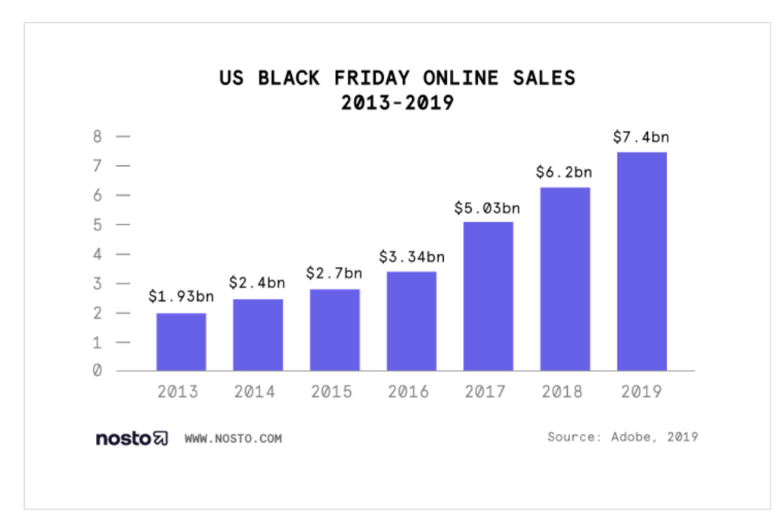
Over the span of six years, online sales during the US Black Friday event experienced substantial growth, rising from $1.93 billion, in 2013, to a noteworthy $7.4 billion, in 2019. In 2022, according to Adobe Analytics, it reached a record-breaking $9.12 billion, kicking off a solid start to the holiday shopping season despite the rise in inflation and other economic concerns. The 2023 forecasts indicate that the sales generated on Black Friday are expected to cross $9.8 billion. 

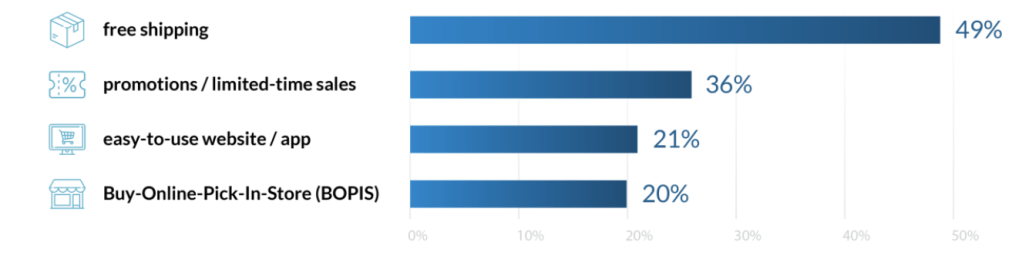
According to the National Retail Federation, amongst the primary drivers behind this substantial surge in online sales and revenues observed during Black Friday, free shipping emerges as the top influencer, closely followed by promotions. On average, discounts hover around 25%, with a majority of stores offering significant discounts ranging between 70% to 80%. 

Factors influencing buyers’ online shopping decisions during Black Friday 

Conclusion 

Although originally celebrated in the United States, the global outreach of Black Friday is poised to expand further, transcending geographical boundaries as more countries adopt this retail trend. Among these, is the United Kingdom, where sales have continued to grow in recent years with shoppers spending more than 8.7 billion sterling pounds during last year’s Black Friday. The event’s success in various regions, coupled with the widespread appeal of significant discounts and exclusive deals, will likely lead to its continued international proliferation. Businesses and customers alike should expect an ever more expansive, technologically integrated, and protracted shopping fiesta in the years to come as Black Friday continues to evolve and adapt to market conditions and consumer demands. 

Sources 

Statista, Forbes, CNBC, McKinsey, NBC News, NY Times, Fabric Academy 


Pedro Teixeira

Beatriz Gomes

The never-ending discussion on CEO compensation 

Reading time: 7 minutes

CEO compensations are again a motive of discussion, as inequality rises: 

Chief Executive Officers’ (CEO) compensations are once again the topic of the moment, with several news coverages reporting increases in the earnings of the ultimate day-to-day firm managers, in the last year of 2022.  

For example, Dara Khosrowshahi, Uber Technologies Inc.’s CEO saw a total increase in compensation of 22% in the last year alone, culminating in a total payment of $24.3 million. According to the report issued by the Securities and Exchange Commission, his payment was composed of a $1 million base salary, stock awards of around $14.3 million, $5.9 million in options, a $2.9 million bonus and a “symbolic” $170 thousand compensation for personal travel and security costs. James Gorman’s salary, CEO of Morgan Stanley, rose 13% to $39.4 million, of which $1.5 million in base salary, $7.5 million in a cash bonus and stock awards of $30.4 million. According to Reuters, these numbers reflect a ratio of 274 to 1 when comparing Gorman’s pay to the median pay of an employee in 2022, an increase from the previous year’s ratio of 255 to 1. American CEOs of oil companies experienced a large growth in their pay checks as well, as their record profits were driven by the increase in energy prices, with ExxonMobil’s CEO, Darren Woods, having a 52% raise in his payment of $35.9 million. However, the same cannot be said for the median oil company worker, who saw a decline in the average salary, with those of Exxon seeing a decrease of 9% to a total yearly salary of $171,582. Moreover, just this week, Alphabet and Google’s CEO, Sundar Pichai, was reported to earn $226 million, which included stock awards of $218 million. This represents more than 800 times the annual pay of a median employee and it is subject to controversy and outrage as the company has been cost-cutting with their employees through layoffs that have already started, following Google´s plan to cut 12,000 jobs, representing around 6% of its total workforce. 

These numbers express a growing concern in today’s society, with the rising disparity between CEO’s average salary and the median worker. In fact, in June 2022, the Institute for Policy Studies released a study including the top 300 publicly traded US firms, in which it was concluded that the average pay gap between CEO and median worker jumped to 670 to 1, an increase of 31%, from 2020’s 604 to 1. In total, 49 firms had ratios higher than 1,000 to 1, signalling that, for each dollar the median employee received, the company’s CEO would earn more than $1,000. Furthermore, in more than a third of surveyed companies, the median worker salary did not keep up with inflation

Figure 1: Aggregated CEO-to-worker compensation ratio for the 350 largest publicly owned companies in the U.S. from 1995 to 2021

Figure 2: Ratio between CEO and average worker pay in 2018, by country

However, such large differences in pay do not occur in every country. There are cross-national differences which relate to the culture of the country in question. Indeed, the average US executive compensation is significantly higher than that experienced in Europe or Asia. This relates to the fact that Asian countries, like Japan, favour group rewards while others, such as China, value other aspects more highly, namely promotions or potential political careers. Nevertheless, for the sake of exemplification, in this article, the US will be used as a case study. 

The agency problem as a potential explanation: 

To truly comprehend where these differences arise from, one must start by understanding what an agency is.  An agency is a contract by which one party, the principal, grants authority to another party, the agent, to act on his behalf in a particular matter. Consequently, the agent – which may be a CEO – is expected to act in the best interests of the principal – in this case, the shareholders – and, normally, is not held liable for his actions as long as he acts under his fiduciary duty. However, an agency problem occurs due to the separation that exists between the management and shareholders, such that both parties’ interests are not aligned, with CEOs potentially acting in their self-interest due to several reasons, like imperfect contractability or the fact that actions are not perfectly observable. In order to mitigate this problem, many times CEOs are attributed compensation that is related to their firm’s performance, such as stock options or golden parachutes to align incentives. 

The medium-class lifestyle seems more and more distant: 

To say that things are not going well in the United States and many other advanced countries is an understatement. Discontent is widespread in these parts of the world, namely in the US, displaying the world’s most severe corporate inequality, in which the gap between a company’s highest and median pay – known as its pay ratio – should not be as sky high. 

Income inequality has resulted in a substantial gap in society, making it more challenging for individuals to attain a middle-class standard of living. This divide not only demoralizes the workforce but also shrinks the chances for billions of people to earn a liveable wage. Moreover, income inequality is a deterrent to economic growth, as it is estimated to reduce demand by 2-4%. Adding to that, the accelerated inflation rate, which will have the most significant impact on low-wage earners, emphasizes the necessity for businesses to prioritize policies that elevate the average worker.  

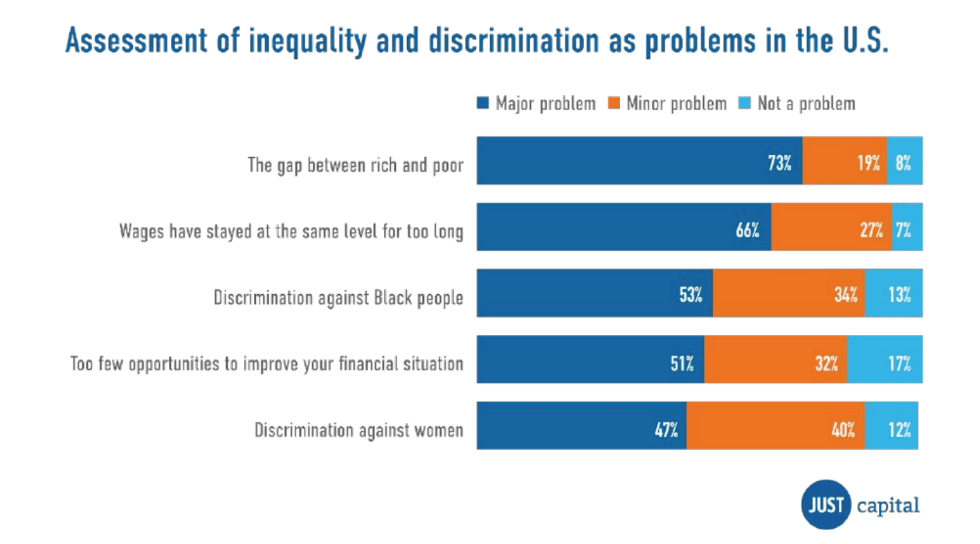
A significant majority of Americans (close to 75%) view the economic disparity between the wealthy and the less affluent as a critical issue, and their concerns are well-founded: income inequality ratios between the highest and lowest percentiles have been steadily rising over the past five decades. Americans have thus an informed sense that there is a misalignment in the proportion of exorbitant CEO pay vis-à-vis lower-wage workers. Relatedly, a majority of Americans (66%) recognize wage stagnation as a significant issue, and slightly over half (51%) feel that there are not sufficient prospects to improve their financial status. Roughly half of Americans also recognize wage discrimination against Black individuals and women as significant problems.  

Figure 3: Assessment of the inequality and discrimination as problems in the U.S.

What can be done?: 

The CEO compensation issue needs to be addressed, and companies should consider limiting the pay of their top executives to prevent it from growing excessively. Such a cap could have positive effects on the workforce if the excess compensation is redistributed among them. A recent study by the Financial Times revealed that capping CEO pay could help alleviate financial insecurity among low-wage workers. For instance, if the top 110 publicly traded US companies were to set a $1 million limit on their CEO pay, workers in these companies could potentially receive an additional $400 per month

Lawmakers in seven US States are collaborating to propose higher taxes for wealthy individuals and corporations in their respective state legislatures. Many of the new proposals suggest taxing the overall wealth of the rich, not just their annual income. In 2021, ProPublica released a report based on leaked tax documents from wealthy individuals, revealing how they evade paying income tax. The report showed that, in some instances, the wealthiest billionaires avoid income tax altogether by accumulating wealth through stock and property ownership, which are taxed at lower rates than income. As part of his budget proposal last spring, US president Joe Biden introduced a 20% “wealth tax” at the federal level, which would apply to an individual’s total income, including growth in assets, such as stocks.  

According to Sarah Anderson of the Institute for Policy Studies, companies should not view measures to reduce income inequality as punitive, but rather as potentially beneficial for them. Anderson believes that narrowing income gaps can actually improve a company’s bottom line by motivating employees and ensuring they feel fairly rewarded. She suggests a fair ratio of 25:1, where the median pay at a company should be $200,000 if the CEO earns $5 million. Companies have the option to reduce CEO pay, increase worker pay, or pay higher taxes, which can then be used to address inequality in other ways. 

All in all: 

The message from the public is clear: corporate leaders, including CEOs, have a responsibility to address income inequality in America by prioritizing worker wages and financial sustainability. Nobel prize winner Joseph E. Stiglitz emphasizes that paying taxes is the first element of corporate social responsibility. 

To build fairer economies, it is crucial to ensure that the lowest-paid workers can meet their basic living costs. Americans believe that companies can contribute to this by raising their minimum wages to a decent pay. 


Sources: MarketWatch, Reuters, The West Australian, The Guardian, CNN Business, BBC, Financial Times, Institute for Policy Studies, ProPublica, Grenness, Tor; “The Impact of National Culture on CEO Compensation and Salary Gaps Between CEOs and Manufacturing Workers” in ResearchGate 

Hannah Ribeiro

Pedro Teixeira

B-Corporations: The New Tomorrow

Reading time: 5 minutes

Consumer Activism Nowadays 

In a progressively connected world with access to more information and data than ever before, consumer demands are becoming ever greater and more ambitious. Consumers’ choices are based on their tastes and values and, therefore, it is expected that they would want to buy and use companies’ products that are aligned with said values. With companies operating on an increasingly public stage, we have witnessed the advent of mainstream media and social platforms that accelerate consumer movements, which in turn has culminated in the concept of Consumer Activism – consisting, in simple terms, on taking an action in favor of a company (BUYcott) or against it (BOYcott).  

Consumers´ Impact 

The wake of a more demanding and aware consumer, with a larger desire to see their consumption habits produce as little environmental impact in the world as possible (or at least in some way improve upon it), has led companies on an ongoing journey towards sustainability and corporate social responsibility. This change in the outlook of firms has as main goals not only the satisfaction of customer needs and demands but also an improvement on customer loyalty, that is translated through repeated purchases, word of mouth, increased revenues, and a more positive reputation

This change of path is being clearly reflected in the actions that many large corporations have taken recently, in the form of pledges and initiatives towards a more sustainable world. For example, Google is aiming to become carbon free by 2030, being already carbon neutral since 2007. The firm announced in October 2022 that it has restored over 15 acres of native habitats with oak and willows in Silicon Valley. Amazon has also pledged to become net-zero carbon by 2040. In 2019, it created the Right Now Climate Fund, a $100 million fund to restore and preserve forests, wetlands and grasslands globally, currently supporting programs in Italy, Germany, Brazil and the United States. In 2021, 85% renewable energy was used in its operations, with the plan being to exclusively rely on this type of energy by 2025.

Questionable Decisions

However, this road towards sustainability has not always been smooth, with clients becoming increasingly more skeptical of the claims enterprises make in this department to justify some of their controversial actions. An example of this was seen when in 2020, with the announcement of the iPhone 12, Apple made the decision to no longer provide its customers with a wall charger or earphones included in the box when purchasing an iPhone, claiming that it was it could “fit up to 70% more products on a shipping pallet, removing carbon emissions in their global logistics chain” due to a “smaller and lighter iPhone box” leading to lower shipping emissions and the reduction of e-waste. Nevertheless, the removal of these items created knock-on effects as clients needed to buy a separate charger as older chargers are less efficient and are susceptible to breaking. Consequently, this requires more packaging to be utilized and even more fossil fuels to be burnt due to its shipping. This decision led Apple to be able to reduce costs and diversify its revenue streams by increasing the likelihood of selling either its chargers or earphones to its clients and, ultimately, improving its financials, with environmental concerns ultimately pushed to the background and essentially used as an excuse.   

B-Corporations

Nowadays, it is possible to characterize a company in as many ways as the consumer sees fit: “sustainable”, “environmentally friendly”, “polluting”, among many others. A point has been reached in which, with the aim of standardizing the classifications given to companies and ensuring clients of the truthfulness of the claims said enterprises make, the creation of non-profit organizations becomes essential. 

With this motto in mind, the B-Corp Movement was built to change the economic system and to “Make Business a Force For Good”. This movement has its starting point on the slogan “There’s no Planet B”, in a way to create an international network of organizations that all together will lead economic systems towards change in order to support an inclusiveequitable, and regenerative economy. Moreover, the B-Corp movement is responsible for analyzing and certifying companies according to rigorous standards to ensure that B-Corps and Non-B-Corps jointly plan a more resilient future. 

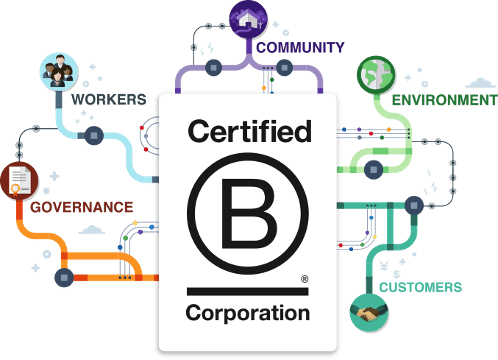
B-Corp Movement

Therefore, certified B-Corporations are companies verified by B Lab to meet high standards of social and environmental performance, transparency, and accountability.

ECOALF’s Case

The number of B-corporations has grown immensely over the past few years around the world, currently accounting for 5,981 firms spanning 158 industries. A successful case is ECOALF – combination of “ECOLOGY” and “ALFRED” – a Spanish company, founded in 2009, operating in the apparel industry, manufacturing its products with fabrics made from 100% recycledplastic, cotton, wood, coffee, fishnet, and tires. In 2018, the company obtained the B-Corporation certification, recognizing its core business as being an environmentally responsible business while still seeking to make profit at the same time. In this same year, ECOALF was already a case of success with a product portfolio with high quality garments, footwear, and accessories featuring in various global media outlets (i.e., The economist; Bloomberg; etc.), essentially becoming an icon of the sustainable fashion industry. 

ECOALF´s logo

All this success is greatly due to several and heavy investments that the company made in research and development to create a unique and unparalleled production process and input fabrics, as well as cooperating with well-known brands and personalities, creating alliances and partnerships to increase brand awareness.

Conclusion

All in all, ECOALF is a success story among many others that is able to showcase that, with help and having the right direction and goals in mind, there is a growing market directed towards sustainability yet to be fully explored by companies, challenging them to attract investors and entrepreneurs through impact investments for an area that benefits everyone.

However, at the end of the day, there is still a long path to forge before a fully sustainable, greener, and circular economy is reached. Nevertheless, efforts by various entities, authorities and companies trying to channel the effort of society towards that end are remarkable and seem promising.


Sources: Forbes, Google, Amazon, The Verge, B Lab, Pasquini, Martina; Kolk, Berend van der. (2019). “Because There Is No Planet B: El Caso de ECOALF”. In IE Publishing

João Correia

Hannah Ribeiro

Patagonia: The owners that don’t own

Reading Time: 6 minutes

The debate about the true role of a firm in society is a longstanding and recurring one. Since Milton Friedman publishing, in 1970, that managers bear the responsibility of conducting the business according to shareholders’ wants and requirements – generally achieved by maximizing shareholder value – the concept has evolved over time. Now, a broader definition comes into play, with many perceiving a company as being an entity that has a responsibility towards the environment and the society it is inserted in, which has subsequently led to the creation and adoption of concepts such as Corporate Social Responsibility (CSR). This extension of a firm’s responsibility towards other stakeholders and society more broadly has paved the way for companies that test the limits of the definition of for-profits, such as the American clothing company Patagonia, Inc.   

Patagonia’s Foundation  

Yvon Chouinard, an American rock climber since his 14 years old, founded Patagonia, Inc in 1973, having always shown an entrepreneurial spirit throughout his earlier life: from making his own rock-climbing tools to teaching himself blacksmithing, and later moving on to selling rock-climbing tools and clothing.   

Patagonia has made significant strides in distinguishing itself from other brands, offering a wide range of products in its portfolio, from food to hiking clothing, while assuring a commitment to the environment and its causes. This fact stems a lot from its founder Chouinard, who has always sought to do more for the planet, pledging the word “activism” as a motto for the brand. 


Consumer Activism Nowadays 

In an increasingly connected world with access to more information and data than ever before, consumer demands are becoming ever greater and more ambitious. Consumers’ choices are based on their tastes and values and, therefore, they want to buy and use companies’ products that are aligned with their values. Nowadays, companies operate on an increasingly public stage, with mainstream media and social platforms accelerating consumer movements, leading to Consumer Activism, consisting of taking an action for (BUYcott) or against a company (BOYcott).  

Indeed, according to a study conducted by Weber Shandwick, 60% of US and UK consumers have reported some form of activism, as of August 2017. Here, any activism action can range from something simple like stop watching a show that a brand is advertised on or recommending a brand to friends, to larger scale events such as taking part in demonstrations or protests against or in support of a brand. 

Differentiating through environmental concerns  

Patagonia has been able to create a competitive advantage in comparison to its peers by continuously differentiating itself in its environmental sustainability efforts, which are entirely aligned with the previously mentioned consumer activism. Patagonia’s stance and values can be comprehended through several examples of marketing practices which actually tend to be considered by many “anti-marketing” campaigns. A well-known example of this marketing strategy is Patagonia´s “Don’t Buy This Jacket” campaign that was launched in the middle of the Great Recession in which they demonstrated the impact that the production of one of their best-selling garments had on the environment.  

Also, Patagonia is known for putting in practice the messages it preaches as it promotes used wear on its website, through the platform Worn Wear. There, customers can find second-hand items that have been cleaned and/or repaired, contradicting the fast-fashion trend and consumerism issue, which tends to be associated with higher profits for companies due to increased sales, but also a higher impact on the environment. Moreover, currently, Patagonia is pledging 1% of sales to the environment’s preservation and restoration. 

The results of these actions and core values have not only led Patagonia to grow its business and brand recognition but also to occupy a distinct position in the customer’s portfolio, as it has become intrinsically associated with environmental consciousness, especially targeting consumers that are preoccupied with sustainability and climate change. 

Patagonia’s Activism 

In September 2022, Chouinard donated his family’s ownership of the company, with a US$ 3 billion estimated valuation, stating that “Earth is now our only shareholder”.   

Back then, before the donation, various paths presented themselves for Patagonia´s future, including those most referred to as “common route” ones, such as the possibility of selling the company to the highest bidder, and then proceeding with the donation of that amount, or quoting the firm in the stock market through an IPO. However, after analyzing the various available options on the table, Chouinard reached the conclusion that neither would be totally aligned with Patagonia´s (and his own) values, as made clear in his open letter posted on Patagonia’s official website. There, he states that they “ couldn’t be sure a new owner would maintain [their] values or keep [their] team of people around the world employed” or how quoting the firm in the stock market through an IPO wouldn´t also work because “even public companies with good intentions are under too much pressure to create short-term gain at the expense of long-term vitality and responsibility”, considering that the company managers would become myopic and succumb to short-run pressures to provide a return on the new stockholders’ investment.  

So, faced with this situation, Chouinard and his team decided to tailor make a solution that would go in line with what the company represents, creating checks and balances to ensure that its mission and values remain unharmed. This solution, in which Patagonia will continue to operate as a private enterprise but the Chouinard family will not continue to have control over it was put into operation in two stages.   

To begin with, back in August 2022, the family transferred irreversibly 2% of Patagonia to a newly created entity called Patagonia Purpose Trust. This trust will continue to be supervised by members of the family and their advisors and has voting stock, having as its main goal safeguarding that Patagonia remains independent and its average profits of US$ 100 million would be used to combat climate change and protect the forests. Due to the portion of voting stock, the family will have to pay US$ 17.5 million in taxes for the donation. Secondly, this September, the family proceeded to donate the remaining 98% to Holdfast Collective, a non-governmental organization that will use the profits to fight climate change, with this part of the donation consisting of non-voting stock.   

Conclusion 

The decision to donate the shares has an incalculable social impact attached to Patagonia, stakeholders and society. With this action, Patagonia, Inc. opens a new possibility in the markets, creating the potential of donating shares for the benefit of society instead of the unbridled pursuit of profits. 

One thing is certain, this decision will be a subject of debate and study in the future in order to analyze if this solution will be the one that is able to yield the best results in the trade-off between cash flow maximization, including profit maximization towards these charitable causes, and ensuring that Patagonia remains the B-Corp corporation that continues true to its values for which their clients have come recognize it for.  


Sources: Financial Times, Observador, Público, McKinsey, “Battle of the Wallets: The Changing Landscape of Consumer Activism” (2018), in Weber Shandwick

João Correia

Hannah Ribeiro

Supply Chains Constraints: Can the solution be delivered on time?

Reading time: 6 minutes

The Covid-19 pandemic has disrupted global supply chains. These are still facing huge challenges and struggling to bounce back in a period where demand has surged. This is leading to increases in the prices of products, shortages, and delays in deliveries. With Christmas around the corner, a season with above average consumption, the situation is only expected to worsen as the problems in the supply chain don’t seem to have an end near.

But what exactly are global supply chains? What led to the problems that we are observing worldwide? What have governments done to ease the situation?

What are the Global Supply chains?

Nowadays, a desire for something can be fulfilled with a simple click, but it was not always easy as today. In fact, a dramatic change occurred in the markets around the 80’s with the globalization, and liberalization of world’s markets, lower transports costs, advances in information and communication technology, and innovations in logistics. From that moment forward, low cost, high quality and satisfied customers became the buzz words, and with this new reality in global markets a new concept was implemented: Global Chain.

Global chains are networks that can span across multiple continents and countries with the purpose of sourcing and supplying goods and services. It also involves flow of information, processes and resources across the globe enhancing its efficiency. With this new concept, firms and organizations could now have its production broken into different parts in different countries to achieve high quality while lowering costs. The importance of the global chain is so notable that since 1995 intermediate manufacturers represent more than half of manufactured exports and imports at a global level.

Different geographical regions have a different net effect in the global chain. Africa and Oceania export more intermediate goods as a share of their manufactured exports than others. In Europe there is a balanced intermediate imports and exports. Meanwhile in Asia imports exceed exports as a share of their intermediate imports and exports.

However, the pandemic disrupted the normal functioning of the global supply chain. These difficulties showed up at the beginning of the pandemic with countries like China, South Korea, Germany, and Southeast Asian countries, being forced to reduce their production since workers were sick or in lockdown, leading to an overall decline in global supply with shortages in food, toys, chips, etc., driving prices up. 

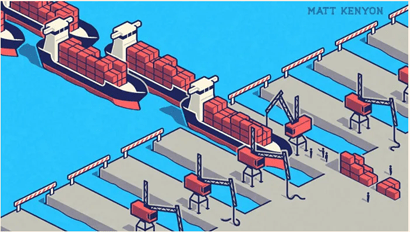
Figure 1 – Supply Chain Problems by Matt Kenyon.
Source: Financial Times

The causes behind the disruption in Global Supply Chains

Many factors lie behind the explanation for the supply chain crisis that the world has been facing. Overall, it is a culmination of lingering Covid-19 disruptions and a sudden surge in demand, with the supply side not being able to adapt quickly enough to demand´s rapid pace. Indeed, on the demand side, in the past few months, with many restrictions being lifted, the economy has been experiencing an unparalleled boom in demand. However, on the supply side of the issue, we face a still slowly recovering productive industry from the hardships imposed by the past year’s Covid-19 restrictions.

Many factories were forced to shut down, some have had to cut back on the number of workers and as such production still falls quite behind pre-pandemic levels, being unable to keep up with this increase in demand. Moreover, general labour issues across the globe, particularly a shortage of workers, have also greatly contributed to a clogging up of transportation networks. The lack of sufficient truck drivers has been a troubling concern in multiple countries, particularly in the UK as recent months have shown, with Brexit having greatly contributed to it. In the US, significant labour shortages have been felt in warehouses companies and major ports. This reality, combined with inadequate infrastructures and a shortage of the proper space and equipment to deal with the surging demand have resulted in warehouses running out of space and ports working under full capacity, leading in turn to port congestions and blockages in multiple cities.

Adding to all of these, the punctual raw material shortages as well as a scarceness of key components (such as the case of the microchip crisis), have also compromised timely deliveries of final products. Indeed, one of the biggest issues with the supply chain crisis is that the way the productive and distributive chain of a large deal of activities is organized, with numerous intermediaries and bottlenecks along the route from the assembly line to the final consumer, it makes it so that as one supplier depends upon another´s delivery, and the delays end up feeding on each other, amplifying the effects of the disruptions. 

Figure 2 – Number of vessels sitting in the main ports.
Source: Refinitiv Eikon
Figure 3 – US active truck utilisation. Source: Bloomberg

What has been done to ease the situation?

In the U.S., the Biden administration has been increasing its dialogue with the corporate sector to try to ease some of the ways that supply chain issues could affect consumers. Namely, the U.S. Gov. has secured pledges from retailers such as Walmart and from shipping companies UPS and FedEx to increase their working hours in an effort to ease some potential difficulties that could arise during the hectic holiday shopping season that is expected to be strong this year due to the fiscal stimulus pursued by the Biden administration. They are also urging rail and trucking companies to increase their transportation capacity, but labor shortages in these areas have made this difficult, which has contributed to worsening the bottlenecks. Moreover, the FTC (Federal Trade Commission) has requested information from big retailers to monitor whether they engage in dishonest business practices which might amplify the damages form the supply chain problem.

In September, in the U.K., to help with problems in the supply of fuel, the government resorted to the military to help deliver fuel to gas stations. A shortage of fuel would be even more devastating to other supply chains as it wouldn’t allow transportation of goods by truckers. Also in the U.K., the Treasury introduced measures to freeze taxes on the trucking sector, to attempt to ease supply chain pressures there. However, logistics companies say that this does not address the truck driver shortage that is bottlenecking many of their operations.

The U.K had also previously implemented 25 measures to try to tackle the chronic shortage of HGV (heavy goods vehicle) drivers, including increasing capacity for testing new drivers by the Driver and Vehicle Standards Agency (during the pandemic these tests had been severely decreased) and, generally, making it easier for new drivers to enter the truck-driving labor force. The U.S. new infrastructure bill would also allow drivers as young as 18 to drive trucks across states (currently the minimum is 21).

Conclusion

Economies all over the world have been struggling with a global crisis in supply chains in result of the pandemic. Even though governments have put forward legislation to help ease these problems, the issue is still very present. Higher prices, shortages and delays in delivery are just some of the problems that consumers and businesses have been dealing with. These problems won’t last forever but they are likely to get worse before they get better.


Source: CNDC, Bloomberg, BusinessInsider.

Diogo Almeida

João Baptista

Inês Lindoso

João Correia

European Football | Cash is king in the king of sports

Reading time: 7 minutes

Football is king in Europe; it is a sport that moves millions of die-hard fans as well as billions of euros every year, 28.9 in 2019 to be precise. Despite the fact that the COVID-19 pandemic took a major hit on the finances of most football clubs, the revenue of the big five leagues (England, Germany, Spain, Italy and France) is expected to reach a new record of 18.2 billion euros in 2021.

Even tough business seems prosperous, there are a number of problems to be addressed, and the Super League, the international competition announced earlier this year that quickly fell apart, suggests that the elite of football wants to solve only their own problems. It is, however, important not to forget that this competition points to a huge problem in modern football – the growing asymmetries within the sport.  

How did we get here?

Disregarding the health-driven financial crisis lived today, Football’s health has been struggling for a while now, as there has been an overall overspending by teams, mainly from larger clubs, either on the acquisition fees or payroll. Moreover, most domestic leagues have become uncompetitive and monotonous and, there has been a lack of commercial interest in most of the “smaller” confronts.

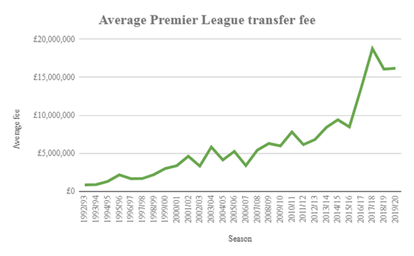
The importance of the competitions and broadcasting’s income for the clubs and their rapid growth have led to major “financial confronts” outside the pitch, with every club looking for the best talent out there. This has been transformed into skyrocketing wages and transfer fees between clubs, with the average Premier League transfer fee having more than tripled since 2007, to an average of more than £16 million. 

Figure 2 – Average Premier League Transfer Fee
Source: Chronicle Live

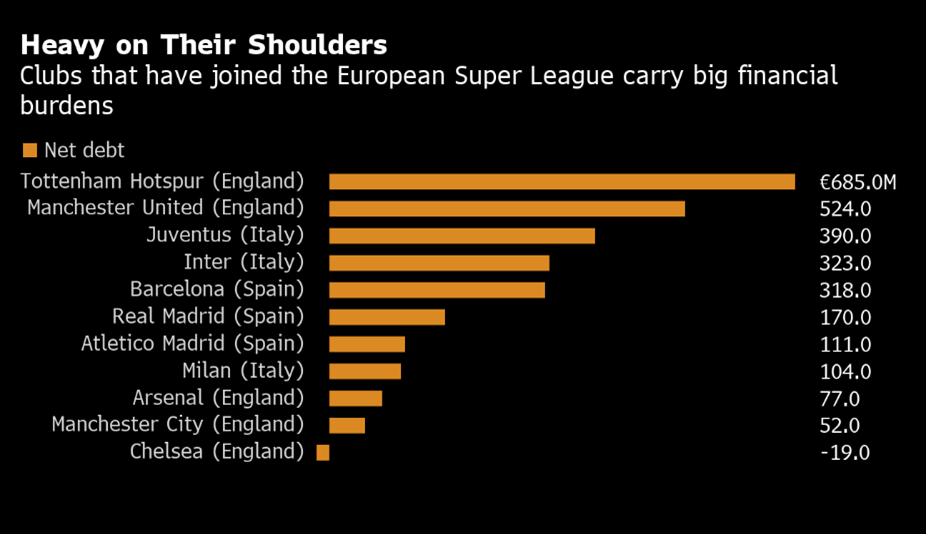
This has been made possible by overleveraging clubs, through debt or the help of wealthy owners, who can invest large sums of money in hope titles. In fact, only one of the 12 initial clubs in the Super League is free of debt, with several of them having a large net debt as of 2021, which, by not being accompanied by positive profits, keeps increasing from season to season. This has led to enormous asymmetries between those who can sustain said debts, or have wealthy owners who can bail them, and those who rely solely on their revenues from more conventional sources.

Figure 3 – Net Debt of Super League Founding Member
Source: Bloomberg

On the other hand, leagues have been struggling with commercial interest on some of their games, especially those between smaller teams. TV broadcasting rights and sponsorships, which play an important role on clubs’ revenues, also help perpetuate the differences between teams, with some in leagues where there is no “unified type” of TV rights selloff seeing a larger disparity, whereas in the Premier League or Bundesliga there is a more centralized and organized revenue sharing.

This reality leads to the final problem Football is facing: most domestic leagues are becoming uncompetitive. Looking at Top-5 leagues, only the Premier League has constantly 6 teams fighting for the title, whereas the others either have 2 main competitors (La Liga and Bundesliga), or even a single competitor that stands immensely (Serie A and Ligue 1). This era has become more and more polarized between title candidates, and the others, with the second group playing on an unleveled playing ground, and only in some rare occasions being able to surprise the recurrent candidates. This diminishes the spectacle of football, and only helps perpetuate the problems in Football, the inequalities and the surviving difficulties small teams suffer recurrently.

Figure 4  – Market Size of Professional Football Leagues in Europe from 2017 to 2019, by league type (in billion euros)
Source: Statista

How did COVID-19 put the Super League on the table again?

The COVID-19 pandemic affected our lives in every possible dimension, with football not being an exception. According to KPMG, the pandemic had a $5 billion impact on the sport, with the biggest clubs alone having $1 billion losses in revenues.

Figure 5 – Aggregate revenue in European top divisions (in EUR million)
Source: KPMG and UEFA

With the major European clubs taking major hits to their finances because of COVID-19, the plan of a European Super League (ESL) came abruptly to the foreground this April, in an attempt to ramp up revenues.
What is the plan, then?

According to the official ESL plan put out in mid-April, 12 major European clubs (+3 that would be announced) would join as Founding Clubs and the competition would consist of a closed tournament between those teams and 5 other teams in rotating slots that would be chosen each season.

This plan has major implications for the economics of European football:

Firstly, each founding member would have received around $400 million for the founding of the ESL. Secondly, revenues coming from broadcasting and advertising would be much more concentrated on the ESL founding member-clubs, because such a league would siphon off much of the attention from the Champions League and other competitions in Europe. Furthermore, as an essentially walled-off competition, the ESL would hurt revenues of smaller clubs which would be left out of the ESL’s elite roster, thus losing access to the millions of the European stage.

Finally, it could have large impacts on the wages paid to players and on the clubs’ finances, as many large clubs spend considerable percentages of their revenues on players’ wages to attract the best players in the world, and ultimately win titles.

Figure 6 – Wage burden of clubs looking to join the new Super League
Source: FT

The new ESL founding clubs would commit to spending limits of 55% on wages. This would reduce competitive behaviour between these large clubs, leading to lower wages for players and more profits for clubs.

The potential negative effects on smaller clubs and the fact that the 15 founding clubs would have their place in the ESL guaranteed, no matter what, led to outrage from both football fans and football confederations, who claimed that this would further increase the inequality between clubs and would hurt the spirit of the sport. The UEFA went further threatening sanctions against the clubs who would undertake the project, namely barring clubs from all its competitions and preventing their players from representing their national teams.

Eventually, as pressures from the backlash increased against the large clubs, even from politicians, English clubs began to pull out from the ESL project and the ESL put out a statement saying that the project was “suspended”.

What does the future hold for European Football?

Though the Super League was killed off earlier this year, it does not mean that European Football will stay the same, as a new format of the Champions League is to come into effect in 2024. Moreover, an all-new tournament is coming in 2021, the UEFA Europa Conference League, a third-tier competition. The new Champions League will adopt a swiss-style model instead of the traditional group stage, and there will be a single league in which teams play 10 games each against “teams of their level” to qualify for the knock-out stage. This new format addresses some complaints of the biggest clubs regarding the quality of the matches, as the best teams will face each other more frequently. Furthermore, the addition of 4 more teams to the competition serves the same purpose as the Conference League, that is allowing for more teams to have a chance in the European stage, hopefully making the sport more competitive, which is what fans look for. The problems that football faces today are not exclusive to the sport. We have witnessed sports introducing significant changes in order to remain relevant. Formula 1 is a great example, as the sport has changed itself over the years, managing to attract a new generation of fans in return. F1, perhaps the most expensive sport in the world in which money means titles, recently announced budget caps, as well as sliding scale for car development, which intends to create a level playing field for teams and ultimately make the sport more interesting for fans.

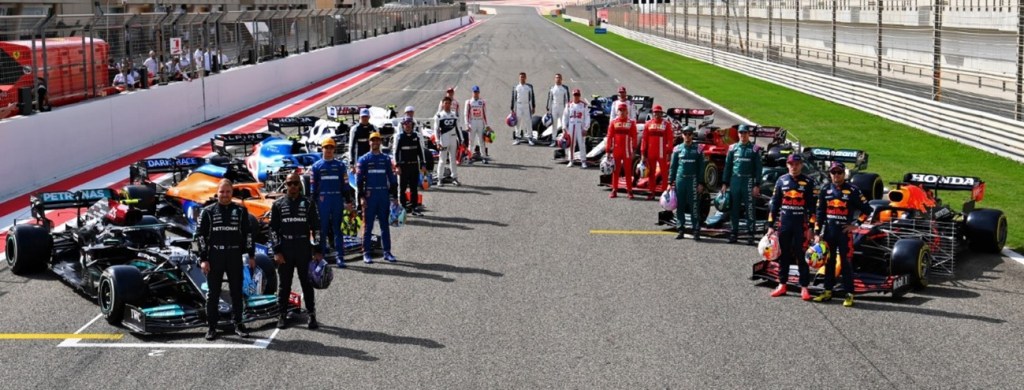
Figure 7 – F1 rebranded itself in 2017 to attract new fans
Source: F1

Football faces the same challenges as F1 in terms of competitiveness and the difficulty to resonate with a new generation of fans that, due to social media, is more interested in the accomplishments of players such as Ronaldo or Messi than in their teams’. Consequently, football must constantly reinvent itself too, without losing the essence that made it what it is today.

Football is at a crosswalk; the sport must remain relevant in the modern era of entertainment and social media, while still being a profitable business. The innovations brought by UEFA show that the sport is evolving. However, that alone will not make it. Certainly, the smaller teams will get a bigger pie of the money and the elite better matches, though that will be verified only in the short run.


Sources: Bloomberg, Chronicle Live, FiveThirtyEight, Financial Times, KPMG, The New York Times, Statista, UEFA

Tiago Rebelo

João Baptista

Jorge Lousada

Red Bull: Behind the Notorious Blue Can

Reading Time: 6 minutes

Red Bull is an energetic drink sold by the Austrian Red Bull GmbH in over 170 countries. It was introduced in the market in 1987 and, since then, it has achieved the selling landmark of 7.5 billion cans in a year, achieving market leader status with a market share of 43% in the energy drink market. You have probably heard “Red Bull gives you wings”, which has become one of the world’s most recognizable slogans.  

The brand was created by the Austrian entrepreneur Dietrich Mateschitz with Chaleo Yoovidhya, a Thai businessman who created the original Thailand Red Bull drink. With a slight modification to westernize the original energy drink, Dietrich led the company to worldwide success.  

In the more than 30 years since its inception, Red Bull has kept its essence as an energy drink, selling the same idea which sold in the beginning, despite some variations in taste and special editions. In fact, Red Bull remained very loyal to its strategy, only amplifying to a greater audience. It is a very loyal brand, associated with radical sports, such as Formula 1, Surf and Snowboarding. Furthermore, it also sponsors a lot of athletes and YouTube personalities. It is a brand associated with a healthy and active lifestyle and aims to portray these aspects in every marketing campaign. 

Global Energy Drinks Market Share 
Source: T4 Data 

The Business Model 

The Austrian energy drink has been the dominant brand in the industry, despite fierce competition from copy-cats. It can easily be argued that Red Bull’s unique business model is what gives the company an edge over the competition

An important aspect of the business model has been little to no diversification whatsoever. When it comes to the variety of products, Red Bull produces the very same product, although with some differences geographically. It has introduced special editions from time-to-time and, in total, 20 different variants, including a sugar-free version. Red Bull’s decision not to move to other segments in the food and beverage industry relates to their intent to preserve the values and principles of the firm. This strategy contrasts with what has been the golden rule in the industry of expanding to other segments to gain market power and benefit from synergies, exemplified by Coca-Cola’s rule in the beverage market, from sodas to tea and bottled water. Pepsi has followed Coca-Cola’s lead too, also producing energy drinks and even entering the food industry with Lays, Cheetos and Sun Chips, besides having the regular soda. 

Another peculiarity of the energy drink lies in the company’s operations, or lack thereof. The majority of consumer goods companies, especially in the food and beverages industry, such as the Coca-Cola Company, have a strict control of their operations for a quality guarantee standpoint, as well as to keep their formulas secret. Red Bull, on the other hand, is not in charge of its own production, which is outsourced to two companies licensed under the Thai Red Bull. In fact, Red Bull GmbH is not even directly responsible for the entirety of its distribution, relying on already established distributors to bring the famous blue can to some parts of the world.  

Outsourcing operations is not too uncommon in the corporate world. It is actually a way of bringing value to the value-chain that the company could not bring on its own. Nevertheless, it is uncommon for a brand the size of Red Bull to have so little control over its operations. This is not a result of poor resources or capabilities; it is part of a greater strategy to focus on what the company does best – marketing – which has been a winning formula so far. 

The famous blue Red Bull can 
Source: Red Bull 

Marketing as Core Activity  

Red Bull’s success was determined not only by the quality of its product, but also by its marketing strategy. Red Bull has the highest market share of any energy drink in the world, with approximate revenue of €6.07bn in 2019, a third of which was re-invested into marketing, which proves the importance of that department to the company.  

“In terms of attracting new customers and enhancing consumer loyalty, Red Bull has a more effective branding campaign than Coke or Pepsi”, says Koehn, professor of business administration at HBS. 

Rather than following a traditional approach to mass marketing, Red Bull has generated awareness and created a seductive “brand myth”. Their strategy has not focused on promoting the popular product, but rather to create a brand that embodies a distinct lifestyle and audience. 

Their advertisement objectives were to create a brand preference as their primary source of income within Generation Y’s young active males, but also to attract and maintain a secondary target market of older males needing energy to maintain their heavy workloads. 

To increase awareness among their most likely consumers, 18- to 34-year-old-males, Red Bull followed a marketing strategy with the aim of making the drink just edgy enough to grab the interest of this public (“Wing 1 of the Dragonfly Effect Model”). The focus was subtle branding that grabs attention, while having high production quality without an overproduced look. In addition, to start engaging with both its original and second target demographics, Red Bull began sponsoring “breath taking” stunts. Big doing so, RB subtly invites people both to take action and fulfil their biggest dreams. Besides sponsoring and participating in multiple sports, Red Bull also owns Red Bull TV Online, Red Bull Radio, and Red Bull Media House.  

Other revenue streams  

In 2019, Red Bull sold 7.5bn cans of their energy drink, for a revenue of over US$6bn. Despite the impressive numbers, this is not the only revenue stream that Red Bull is capitalizing on, especially given the decreased growth that they have observed since 2012, triggered by their one-product only strategy. Many of the marketing initiatives to promote the energy drink got a life on their own as businesses, in addition to serving as a support activity to the drink: 

  1. Media Production: They own Red Bull Media House, a globally distributed multi-platform media company that seeks to “inspire with ‘beyond the ordinary’ stories”, both direct-to-consumer and through partnerships. 
  1. Team ownership: Some of the Football teams owned include RB Leipzig, FC Red Bull Salzburg, Red Bull Brazil and New York Red Bulls, allowing them to take advantage of synergy. They also own teams in Hockey, EC Red Bull Salzburg, in Formula 1, Red Bull Racing, and other sports, such as MotoGP and Skateboarding. 
  1. Broadcasting: Inserted in their media house, they own Red Bull TV Online, where they share the exclusive images from the events they organise. This platform also includes radio, magazine, and digital platforms.

4. Contract Management: Red Bull established contracts with professional athletes that aim for the top brackets in their areas, adopting this as a way of promoting their brand.

Sebastien Vettel, F1 World Champion for Red Bull Racing
Source: Formula 1

Conclusion 

Red Bull is no ordinary company, with no ordinary business model. The Austrian company has taken advantage of industry best practices to create a brand bigger than its blue can, becoming the biggest player in the energy drinks industry in the way, with a market share of over 40% of the energy drinks market. Despite competition from industry giants, such as Coca-Cola, through Monster, and Pepsi’s Rockstar, Red Bull did what no other drink achieved – successfully marketing itself to a new customer base.  

What is more, the company created a media and advertising ecosystem to project the energy drink, which cemented its brand image as seductive ‘myth’, that is still the company’s biggest asset. As a result, that same media ecosystem that once started as a marketing campaign became a business of its own rather than an annual expense.   


Sources: Banknotes, Forbes, Inside Beer, Investopedia, MarketLine, Medium, Red Bull, Statista, The Economist, T4, Whide Group

Tiago Rebelo

Alexandre Bentes

Diogo Almeida