
Where will Portugal’s next airport land?

Humberto Delgado Airport is an international airport serving the Portuguese capital of Lisbon. However, it has reached its maximum capacity, and the country must now consider the construction of a new airfield.

This is not a new discussion. Humberto Delgado Airport (Lisbon’s Airport) was first opened in 1942. In 1969, when Portugal wasn’t yet a democracy, the discussion surrounding the possibility of a new airport in Lisbon was first officially launched, when the Prime Minister at the time, Marcello Caetano, established a committee to develop an expansion project. However, reaching a solution was a lengthy procedure.

In 2008, the Sócrates government presented a project for an airport in Alcochete. This airport would cost approximately 4.9 billion euros and would entirely replace the existing Humberto Delgado Airport, in response to complaints of how this airport was too close to the city and causing excessive noise pollution. However, the project was suspended in 2010 due to the financial crisis.

The next government then started looking for a cheaper alternative: a smaller airport that would complement, not replace, the existing one. Thus, in 2011, the Montijo idea was born.

In January 2017, the current Socialist government introduced a project for the airport in Montijo. The new airfield would increase the number of aircraft movements per hour from 48, solely supported by the Lisbon airport, to 72 movements, taking both airports into account. It will also be able to draw 8 million passengers each year, providing the Portuguese capital with the capacity to annually receive roughly 40 million air travellers.
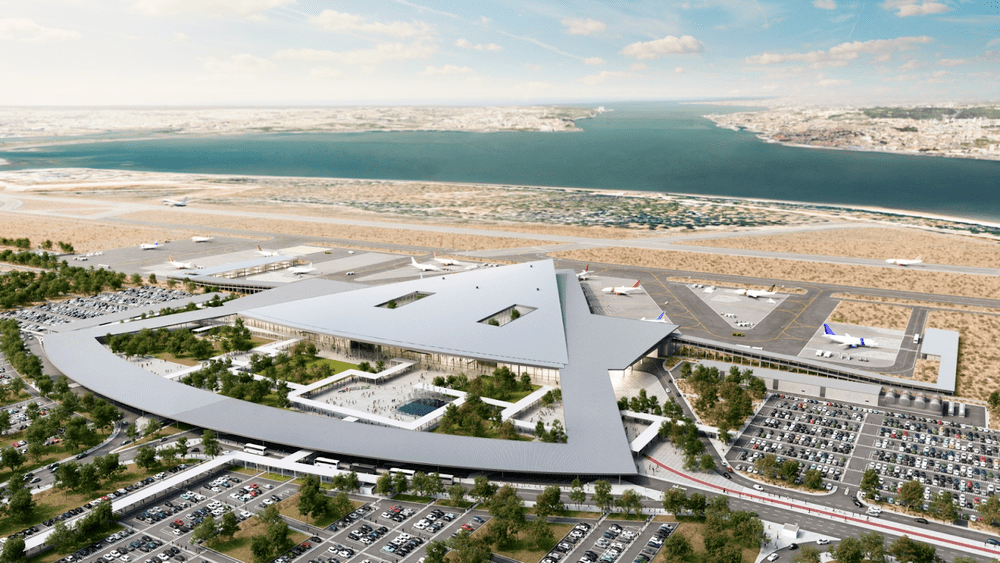
Image 1: The Montijo Airport Project

Image 1: The Montijo Airport Project

A study of environmental impact presented by ANA – the Portuguese authority responsible for managing the country’s airports – concluded that the establishment of an airport in Montijo would not have a large environmental impact, although it would induce some territorial changes in the future urban expansion of the area the planes will fly over. APA – the Portuguese Environmental Agency, involved in the elaboration of the study – concluded that a new airport does not constitute a serious threat to birdlife in the surrounding area and acknowledges that future actions may be undertaken in order to minimize those impacts. Also, the study states that birdstrikes (collisions between birds and aeroplanes) are not likely to happen.

For the 94,000 citizens living near the future airport, the study points out that the noise can induce severe exasperation to 12% of the citizens, 17% of them can suffer from moderate exasperation and it can cause sleeping disorders to 3% of the community.

The conclusions of the report didn’t seem to please all specialists. 11 of them presented a study which reveals that in 50 years-time, a significant portion of the landing track will be flooded due to rising sea levels. This study further states that greenhouse gas emissions have been underestimated by the former report. The environmental association ZERO also poses serious doubts in regard to the real impact that the new airport will have in the area’s wildlife, therefore demanding a new environmental evaluation using different techniques in order to better grasp the consequences that the project will have on those natural habitats.

Image 2: How rising sea levels are expected to affect the new airport

Image 2: How rising sea levels are expected to affect the new airport

In 2019, the government tried to sign a contract to start construction in Montijo in 2020, but it ran into some legal problems. A government decree from 2007 regarding the construction of airports in Portugal established, among other things, that no airport could be built without the consent of all municipalities affected by it – the ones where the airport was located, the ones the airspace of which would be affected and any others that would suffer environmental impacts.

This raised a problem when several city councils in the south bank refused to give permission to the construction of the airport, citing environmental reasons. The mayors of Moita and Seixal have since headed the campaign against the new airport in Montijo and in favour of the Alcochete solution. The mayors, both members of the Portuguese Communist Party (PCP), have been accused of rejecting the project for partisan reasons – the Communist Party has long defended the Alcochete alternative, instead of Montijo.


The Minister of Infrastructure, Pedro Nuno Santos, has already stated that the decree could be altered by the government to remove this impediment, but that change could be brought to a vote in Parliament if any party requests it – and the Communist Party is likely to.

Then, the government would have to find a majority in Parliament that would change the decree. The Communist Party, as mentioned above, is opposed to the Montijo solution, and so is the Left Bloc, which also favours Alcochete. The government would then need the support (or at least the abstention) of PSD, the main opposition party. But Rui Rio, leader of PSD, has already stated that his party will not change the law for a specific situation and that the government should follow the law, negotiating with the city councils that raised objections to the airport in Montijo.

Amidst this deadlock, many people have looked for alternatives to the airport in Montijo. Former Prime Minister José Sócrates, in an opinion article in Expresso, argued again for the Alcochete solution developed by his government. He points out that, according to European Union noise and nature conservation regulations, an international airport should not be built too close to a city or next to a protected environmental area. Sócrates further points out that, unlike Montijo, the Alcochete project is already prepared, the environmental impact has been studied, and permission from all city councils affected has been obtained.

In response to the main argument favouring Montijo over Alcochete – the idea that Alcochete is more expensive – Sócrates states that the initial phase of the Alcochete project (which would allow it to complement, not replace, the existing airport) is not significantly more expensive than Montijo. However, he bases these statements about costs on articles written by engineer Matias Ramos, which have never been refuted or confirmed by other sources.
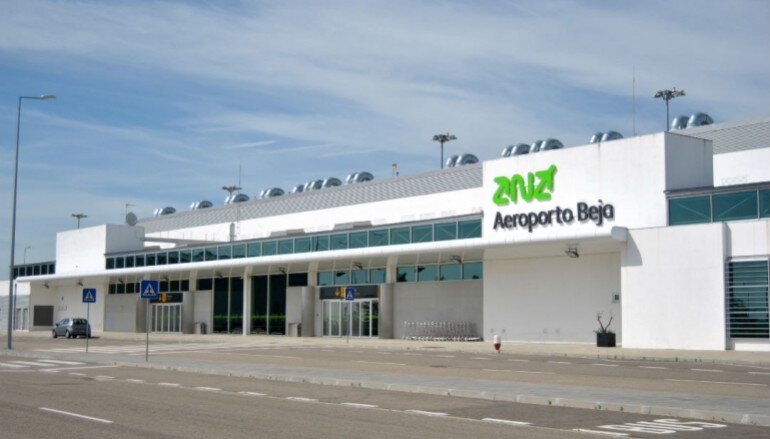

Image 3: The Beja Airport

Image 3: The Beja Airport

Another airport alternative defended by some, would be to capacitate Beja Airport to serve Lisbon. Beja Airport has no regularly scheduled flights and is mostly used by the Maltese airline Hi Fi to store airplanes, so it is free to receive more flights to Lisbon. It is already fully built, and there are plans to connect it to Lisbon by highway, a car trip that would take around two hours.

Modernising the existing train line between Beja and Lisbon to allow the fastest trains operating in Portugal, the Alfa Pendular, to use it would require a significant investment, but it still wouldn’t be able to make the trip between Lisbon and Beja Airport in less than 85 minutes. This can be compared to the 50-minute train trip from the centre of London to Stansted Airport, for example.

Besides, critics point out that Beja Airport was built with the intention of attracting low cost airlines serving Lisbon and the Algarve, but it never succeeded, and it never had any regularly scheduled services.

Another proposed alternative would be to build an airport in Alverca, in a military aerodrome. This aerodrome served as Portugal’s first airport in the 1930’s, before Humberto Delgado Airport was built. However, adapting it to receive modern airplanes has never been studied, in terms of costs or environmental impact.

So, there seem to be several alternatives to solve the saturation of Lisbon Airport. Their costs, their environmental impact and political circumstances will determine where the new airport in Lisbon will be built, changing the face of the city and the region for decades to come.


Sources:

  • Público, Observador, RTP, Jornal de Negócios, Expresso, Diário de Notícias


Manuel Barbosa - Manuel Barbosa Nuno Teixeira de Sampayo - Nuno de Sampayo
Afonso Silveira Botelho - Afonso Silveira Botelho

From Hero to Zero: the Spitzenkandidat System

In late January, MEP Nigel Farage, leader of the Brexit Party, bid farewell to the European Parliament (EP), with a speech in which he accused the EU of being “anti-democratic” and giving “people power without accountability”. His speech is just the latest to add voice to the chorus of criticism pointing fingers at the EU’s democratic deficit. Critics condemn the lack of transparency in the dubious process by which top posts in the EU are chosen, which is decided behind closed doors and backroom deals, and compromises the democratic legitimacy of the EU’s governing bodies. As a result, many have been the appeals to reform the current electoral system of the Union. One of the most daring attempts came in 2014.

For years, as long as a candidate was acceptable by Parliament, the Council could pick anyone they wished for the post of Commission President, without ever presenting that candidate to the electorate prior to the elections. In the 2014 European elections, Martin Schulz, leader of the European Socialists, challenged this idea. His suggestion was that, similarly to any national parliamentary election, each European parliamentary group would pick a Spitzenkandidat (German for lead candidate) prior to the elections, and if the parliamentary group with most seats was able to secure a majority, then the corresponding Spitzenkandidat would be nominated Commission President. This meant that nominees for Commission presidency were picked a priori, rather than a posteriori to the elections, allowing the electorate to get to know the candidates for Europe’s top post and vote accordingly.

This idea gained huge support from Parliament. A broad coalition of the Communists, Socialists, Greens, Liberals and the centre-right EPP all nominated their Spitzenkandidat for the 2014 elections, firmly stating that they would reject any nomination by EU national leaders that wasn’t one of these lead candidates.

The five 2014 Spitzenkandidaten. From left to right: Alexis Tsipras (Communists), Ska Keller (Greens), Martin Schulz (Socialists), Jean-Claude Juncker (EPP) and Guy Verhofstadt (Liberals)

The five 2014 Spitzenkandidaten. From left to right: Alexis Tsipras (Communists), Ska Keller (Greens), Martin Schulz (Socialists), Jean-Claude Juncker (EPP) and Guy Verhofstadt (Liberals)

The scheme was a great success. The EPP emerged victorious with 29% of votes and, with the backing of the Socialists and the Liberals, guaranteed a majority supporting their lead candidate, Jean-Claude Juncker. The Council was caught off-guard, having no choice but to nominate Juncker. For the first time since European elections began in 1979, the electorate’s vote influenced the composition of Europe’s executive branch.

Manfred Weber, the fallen Spitzenkandidat

Manfred Weber, the fallen Spitzenkandidat

However, the euphoria surrounding this apparent victory for European democracy was short-lived. Five years later, in 2019, the Council refused to nominate Manfred Weber as Commission President, the lead candidate for the once-more-victorious EPP. Instead, it picked Ursula von der Leyen, someone relatively unknown to voters and who had not stood in the elections, marking the death of Spitzenkandidat.


So, what caused this demise?

Despite Juncker’s election being regarded as a success for Parliament, there was a general consensus that the system needed improvement in preparation for the 2019 elections. Critics of Spitzenkandidat pointed to the fact that turnout had reached an all-time low of 43%, while a survey revealed that only 5% of people voted to influence the Commission presidency. This effectively meant that only 2% of eligible voters adhered to the Spitzenkandidat system, and solely 0.6% of the voting-age population consciously voted to give the presidency to Juncker, obviously raising doubts on whether the system did indeed increase the Commission’s democratic legitimacy.
Furthermore, as constituencies for European elections respect national borders, this meant that Juncker only appeared on the ballot paper for the 260 thousand Luxembourger registered voters, and the remaining electorate could only vote for him indirectly. To solve this, in 2018 the EP proposed the creation of a transnational European constituency, which would give each voter two votes: one for their national representatives and one direct vote for their preferred Spitzenkandidat. The rejection of this proposal ultimately led some EP groups to retract their support for the system, meaning that, unlike in 2014, the EP wasn’t united behind Spitzenkandidat in the build-up to the 2019 elections.

Simultaneously, EU national leaders, still bitter over being upstaged in 2014, also warned that they refused to relinquish control over choosing who would lead the Commission in 2019. This resulted in an institutional power struggle between Council and Parliament, undermining the entire system.

Ironically enough, non-Spitzenkandidat Ursula von der Leyen has come out in support of the system and has vowed to reform and reinstate it within her mandate.

Truth be told, as flawed as it was, Spitzenkandidat was a boost to European democracy. In a Eurobarometer survey performed in 2018, 57% of respondents stated that they were more likely to go to the polls in the upcoming elections because of the Spitzenkandidat system. Coincidence or not, in 2019 turnout for the European elections increased for the first time in history, from 43% to 51%.

However, for a similar system to be re-established in the future, the electorate must be aware of who they can choose from to steer Europe’s future. Even when it was still intact, very few voters were conscious of the magnitude with which the Spitzenkandidat system amplified their voice in choosing the Commission President (a mere 8% in 2019). In 2019, when Germany was home to two Spitzenkandidaten, Manfred Weber for the EPP and Ska Keller for the European Greens, their media coverage was so low, that only 26% and 7% of Germans knew who these two lead candidates were, respectively.

Furthermore, a survey exposed that 77% of people believe that the lead candidate system “only makes sense if it is accompanied by a real debate about European issues”. Currently, it’s tremendously unclear whether European elections truly exist, or whether instead we have 28 simultaneous national elections. Pre-elections campaigns are typically dominated by national issues rather than European ones, where political opportunism from national parties who want to promote their domestic agenda is abundant. In 2019, Prime Minister António Costa stated that the European elections were to be treated as a confidence vote on his party’s domestic governance. In Germany, in the 2014 EP elections, the CDU’s billboards featured Angela Merkel, rather than her party’s candidate to the European Parliament. Since lead candidates represent EP groups rather than national parties, awareness of the European allegiances of national parties is also crucial for Spitzenkandidat to ever work again, as the electorate must be conscious of how their vote influences the composition of the Commission.

CDU’s billboards for the 2014 European elections featured Angela Merkel, rather than their candidate David McAllister

CDU’s billboards for the 2014 European elections featured Angela Merkel, rather than their candidate David McAllister

There are many hurdles that must be cleared before von der Leyen succeeds in guaranteeing that your vote matters in the choice of who steers Europe’s ship in 2024. The first step should, however, be to increase the number of people aware of the Spitzenkandidat system. As Thomas Jefferson stated, one of the prerequisites for democracy is an informed electorate.

Sources: Politico Europe, European Parliament, Eurobarometer, European Commission, Vote Watch, Euractiv, CDU

What lies behind Singapore’s economic success?

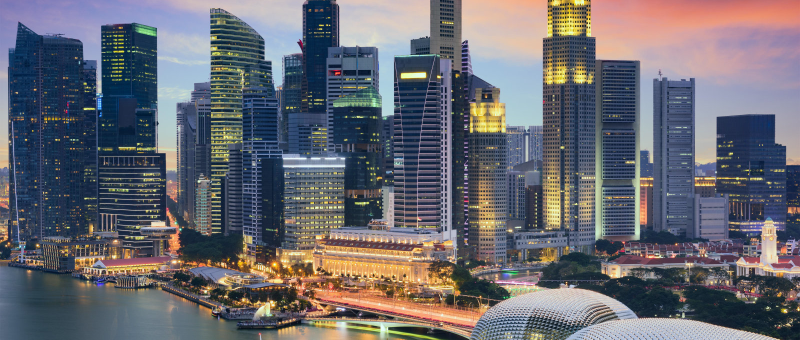
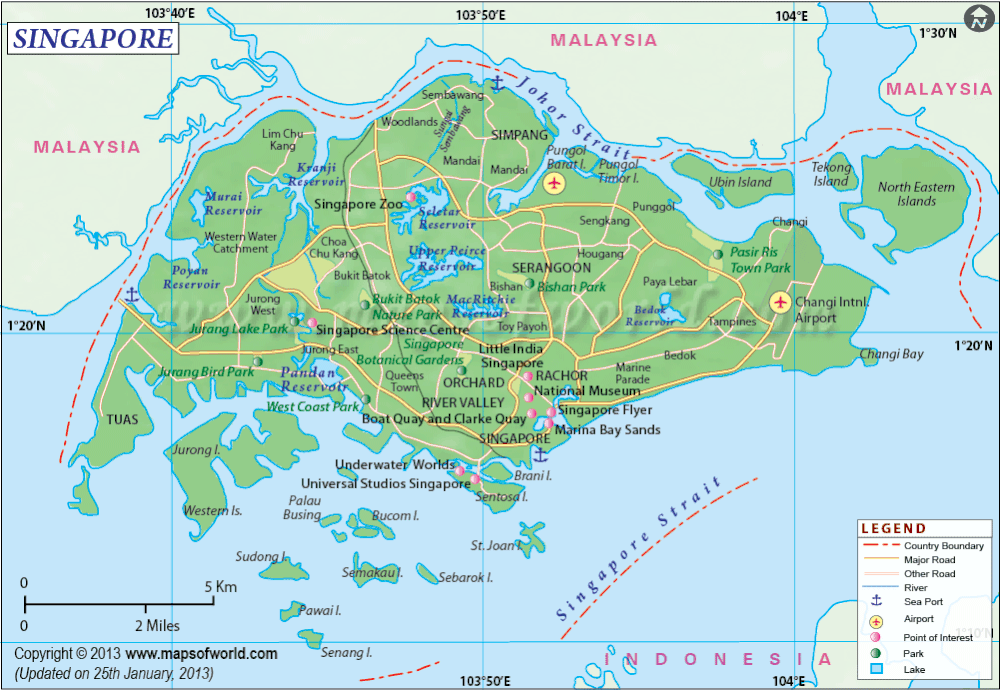
On the tip of the Malaysian Peninsula, lies a string of islands that sit on the cross-roads of one of the most important choke points in international trade, through which more than 750 billion dollars-worth of trade pass yearly. However, as astounding as this tropical wonderland may seem, it is also a dangerous place. To the north looms the oil-rich Malaysia; to the south, the demographic behemoth of Indonesia. Even further north, lies the great dragon of the People’s Republic of China. In the midst of this blessed location, yet where so many powers intersect, is Singapore. How was this tiny city-state, of just around 5.8 million people, able to succeed in becoming one of the richest countries in the world and a beacon of stability in the region?

singapore-map.gif

In order to understand the path that led to Singapore’s success, we first have to go back to its foundation. Its strategic geographic position for trade made it ideal for the British to found a colony in 1819. However, the location is not the sole reason behind its success. Afterall, many countries such as Thailand or Indonesia also benefit from a similar position, yet they were not able to follow such a successful path. The fact that Singapore belonged to the British Empire contributed to develop it into an important hub for connections between the colonies of the far east and Europe. Nonetheless, when the country became independent from Malaysia in 1965, it was considered to be far behind the so-called industrialized world.


Lee Kuan Yew

Lee Kuan Yew

Much of the success of Singapore is owed to one man: Lee Kuan Yew, a British-educated from the Singaporean-Chinese community. Lee is considered by many, such as Robert Kaplan (an influential geo-strategist), to have been an enlightened despot. This is because he ruled with a somewhat authoritarian-like style, but largely assured the rights and liberties of his citizens. Moreover, he was the mastermind behind Singapore’s strategy to foment foreign direct investment and open the economy to globalization, a very innovative idea for its time. Adding to the influx of foreign capital, was the heavy involvement of a large state in the economy. In its early days, Singapore had been plagued by a chronic housing shortage and a lack of access to education, leading the state to prioritise the building of public housing and investing in a good schooling system. This led Singapore to become a very attractive place for investors, as it was largely seen to possess a more orderly society than its neighbours.

This was the key for Singapore’s success: strong institutions that provided for the assurance of the rule of law.

These institutions give investors the confidence to make long term investments, since they do not need to worry about a sudden regime change or an oppressive and corrupt elite. All these factors combined provided for great stability, which soon paid off.


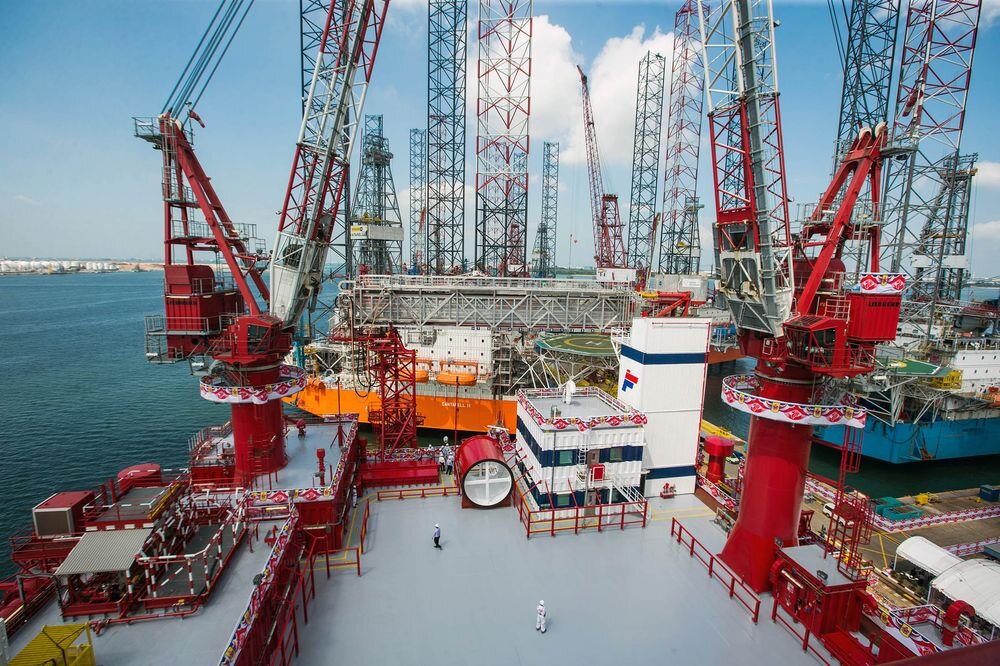
By the late 1970s and early 80s, Singapore was a manufacturing giant in South East Asia, becoming one of the first countries to become industrialized along with the other 3 “Asian Tigers”, in what was largely a rural Asia. These “Tigers” were characterized by experiencing rapid economic growth based on manufacturing. In the case of Singapore, this manufacturing boom was explained by the shipyard industry that created synergies with its important trade port and electronics manufacturing. Singapore was once the largest producer of hard disc drives.

Singapure Shipyard Industry

Singapure Shipyard Industry

However, increased competition from its neighbouring countries in terms of labour costs in the 90s largely caused this sector’s downfall, which meant Singapore was forced to change its economic backbone. An effort in which the country was arguably even more successful, since its rule of law, with the addition of tax and regulatory incentives, made it ideal for the establishment of financial services. Big banks, consultancy firms and insurance providers swiftly moved to the city that quickly became a hub for the service industry, capable of supplying the whole surrounding region.


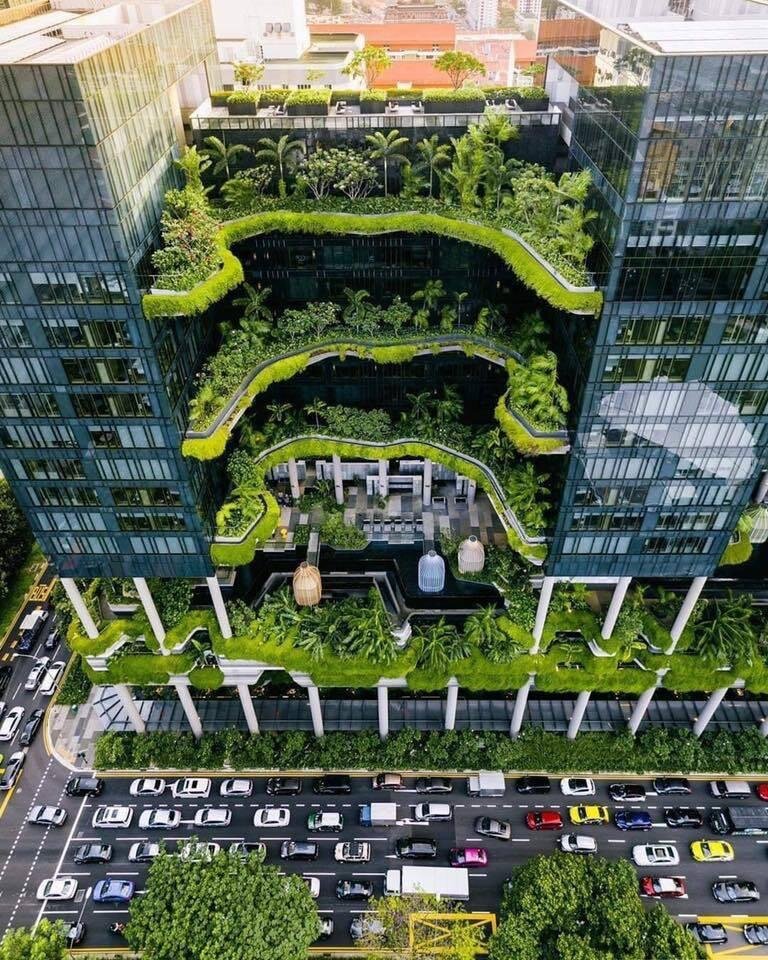
Eco Building in Singapore

Eco Building in Singapore

Singapore is now mainly driven by the service sector, due to consistently being ranked as one of the easiest countries to do business in, and having a highly qualified workforce, a product of its strong education system.

It can even be argued that Singapore is trying to become an Asian Switzerland, as it has implemented policies that increase bank account secrecy, a move that could mean another influx of capital into the city-state.

Besides this, owing to the high concentration of capital and qualified workforce, the country invested more than a billion dollars in start-ups, meaning it is keeping up with its innovative agenda.


All these economic strategies have made Singapore one of the richest states, averaging a GDP per capita of 57,713 dollars.  Nonetheless, it is still a somewhat unequal country as well, ranking behind countries such as the UK and Japan in the Gini index, but still in a better position than the US. The city is also one of the most expensive places in which to own a car, because of government quotas and taxes that aim at reducing traffic congestion and CO2 emissions, while simultaneously incentivising public transportation.

In conclusion, Singapore is a country that managed to overcome a difficult neighbourhood, surrounded by hostile players, and a lack of important natural resources. It is an example of a country that was able to successfully manage its strengths in order to maximize of its economic potential. But also, one that was based on an orderly society that became a beacon of stability in a tumultuous region.  This order and rule of law was only possible due to a strong government headed by a highly competent individual, and the simple fact that it had a small population concentrated on a tiny piece of land that made it very manageable.


vcx.jpg

Franco’s Exhumation: Long-buried past or revived ghost?

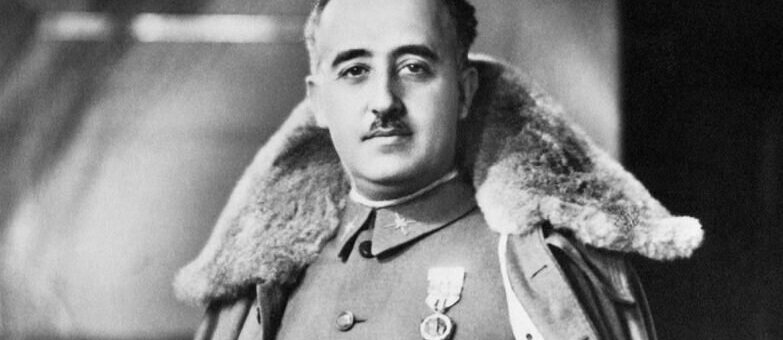
In 2007, the Spanish parliament approved the “Law of historical memory”, the final goal of which was to mitigate the symbolic presence and memory of the period in which Francisco Franco governed Spain. The proposal was presented by PSOE (Spanish socialist party), at the time when Zapatero was Spain’s Prime Minister. The law had some consequences in the following years, with the most recent one manifesting itself just a few months ago. In light of the law approved in 2007, some measures were applied: in 2008, the last Francisco Franco statue within  Spanish ground was removed from the community of Cantábria; in 2012, the children and grandchildren of people who had to flee from the Spanish dictatorship were conceded the right to claim Spanish citizenship (resulting in 442,000 new Spanish citizens); and, on the 24th of October  2019, the Spanish Dictator’s body was removed from its original gravesite.


xd.jpg

In June 2018, after PSOE’s victory in the general elections, the recently elected Prime Minister, Pedro Sánchez, promised the Spanish People to accomplish one of the most essential consequences of the Law of Historical Memory: to resurrect Franco’s body from Valle de los Caídos, making it one of the greatest goals of his governance. Francisco Franco’s body has been buried at the Valle de los Caídos memorial ever since his death in November 1975.

What is Valle de los Caídos, after all?


gvy.jpg

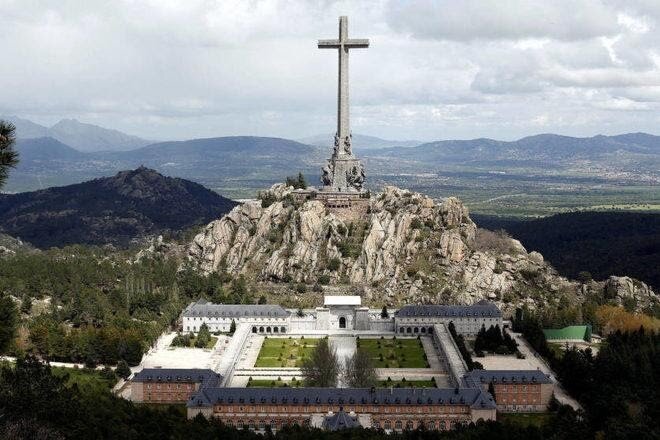
Valle de los Caídos is a monument located near the city of Madrid. It was erected in 1959 at Franco’s demand in order to pay tribute and to bury nationalist fighters that died during the 3 year-long Spanish Civil War.  Nearly 34,000 bodies rest at this site. In 1975, in accordance with his  wishes, Franco’s body was also buried in the same place. Many criticized this deed, since Francisco Franco was not a victim of the Civil War and, therefore, his burial would contradict and distort the monument’s original purpose.


Why did it take so long since the 2007 law approval?

Only in September 2018 was the law of historical memory modified in such a way that made Franco’s body removal from Valle de los Caídos possible. The proposal, presented by Pedro Sánchez’s PSOE, was approved in the Spanish Parliament with 172 favourable votes and 164 votes against. In June 2019, the Government decided to unfold the parliament’s will, decision which was once again delayed due to a judicial fight that broke out between Francisco Franco’s family and the Spanish Government. In September, the Spanish Supreme Court of Justice decided in favour of the Spanish Government.


Where do other dictators lie?


dxf.jpg

Many argue that no dictator should be buried in a prestigious place that promotes regime nostalgia. But where are other dictator’s tombs located? In Russia, for instance, Joseph Stalin’s tomb is located in the country’s most famous square, The Red Square, in a cemetery destined to the most influential and recognized Russian personalities. In Cuba, Fidel Castro’s mausoleum contains the dictator’s ashes. The mausoleum is located at Santa Ifigenia cemetery, a resting place for a few notable Cuban personalities. Mao Tse Tung had a building made just to accommodate his embalmed body and it is located precisely at the centre of the Tiananmen Square.


How was Franco’s exhumation perceived in Spain?

Both VOX and PP contested Franco’s exhumation, accusing PSOE of performing political campaign with a highly sensitive subject. Both parties also accused the government of trying to mask the severe problems affecting Spain, such as the separatist movements striking Catalonia. VOX went even further, accusing the government of “digging up hatreds”. The left parties, in contrast, hailed the government’s initiative.

“a very important step to fix a scandal that had been carried for 40 years of Spanish democracy”

— Pablo Iglesias, Podemos’ party leader

The fact is that Francisco Franco was the first dictator in world history to see a change to their burial place. While some support this for the sake of democracy and to respect the memory of those who were killed and oppressed during Spain’s dictatorship, many others also argue that no government has the power to decide upon one man’s body, independently of the circumstances and, especially, when it goes against the deceased’s family’s will. Critics also pose the following question: doesn’t this resemble an attempt to erase an indisputably important period of Spain’s History?


Sources:

  • Público

  • El País

  • Expresso

A Modern Tale of Cultural Genocide

Uighurs are a Turkic-speaking Muslim minority from Central Asia. Most of them live in the autonomous province of Xinjiang, in China, while smaller communities can be found in neighbouring countries. Recently leaked Chinese government documents shed light on serious human rights violations performed on the province’s Uighur population, and on the high-scale brutal repression of minorities in China, notably regarding its “re-education” internment camps.


Historic overview

In 1933, Uighurs acquired their own nation, the Islamic Republic of East Turkistan, which would then be later taken over by Chinese forces. The province came under Chinese rule in 1949, following the country’s civil war and instauration of the communist regime. Even though it is officially “autonomous”, there is in fact no self-rule by its inhabitants, firmly controlled by Beijing as any regular province. Many see this as a form of “colonization” of the province and its population. Since its annexation, Xinjiang’s history has been marked by recurrent discrimination against its largest ethnic group, the Uighurs. Mao’s “Great Leap Forward” singled out both ethnicity and religion as obstacles to communist society. The regime prioritized Xinjiang’s economic development and incentivized  large-scale immigration of Han Chinese, China’s largest ethnic group, to the province. In 1949, the Han represented only 6% of Xinjiang’s population, whereas now it constitutes no less than 40%, according to Chinese official statistics. During the same period, the percentage of Uighurs in the province decreased from 72% to 46%.

The latter have been protesting since the beginning of Chinese rule, becoming more vocal from the 90s onwards. Economic discrimination favouring the Han Chinese as well as religious discrimination measures against Islam were at the root of the protest movements which escalated into violence. The recent wave of unrest begun in July 2009 with the Urumqi riots, the capital of Xinjiang, after the Shao guan incident, where at least two Uighurs were murdered by Han Chinese after the alleged rape of a Han Chinese woman by a Uighur. The riots resulted in 200 deaths reported by the Chinese, although independent sources claim higher numbers. In 2014, various terrorist attacks were blamed on Uighur separatists by the government, serving as a catalyst for the current phase of persecution.


Never-ending repression

Through excessive repressive policies, the government stripped the Uighur population of basic freedoms and human rights. Between 2012 and 2017, the security budget doubled in China, while it tripled in Xinjiang. The province became a “police-state”, monitored by one of the most restrictive and intrusive high-tech surveillance systems ever deployed by a state against its own people. The Uighur population lives in fear, constantly tracked through their phones or by facial and voice recognition cameras. More than being controlled, it is seeing its religion being crushed. The attack on Islam materializes itself in the ban of religious associated clothing and grooming, such as  headscarves and long beards,  halal food, and even  giving “Islamic-sounding” names to new-borns. Mosques have been closed or demolished. Religious instruction or speaking any language other than Mandarin at school is strictly prohibited. Uighurs are also victims of tight travel restrictions; their passports were taken away for “safe-keeping”. As their most brutal measure, Chinese government officials resorted to the unthinkable in the 21st century:  reallocating at least one million Uighurs into internment camps.


Area of new security facilities built in Xinjiang province, 2011-2018. Source: BBC

Area of new security facilities built in Xinjiang province, 2011-2018. Source: BBC


Inside the camps

China first denied their existence, but new information has come to light, making the truth irrefutable. Labelled by the Chinese government as “re-education centres” to “eliminate extremist thoughts”, these compounds could easily be prisons. Characterized by high-security features such as watchtowers, barbed wire, and guardrooms, they seem far from being simple schools. Masses of Muslims, including children, disappeared into these facilities which started being set up in 2017.

Why are so many being arrested? Most have been convicted of no crime or faced no trial. In fact, the mildest behaviour can lead to landing in a camp – a woman reported being arrested for as little as having WhatsApp on her phone – and performing any type of religious associated conduct, such as praying, risks getting you interned. Once inside, Muslims are forced to sing songs about the Communist Party, recite laws, and spend long hours studying Mandarin. They are reformatted to lose sight of their cultural identity. Living in precarious conditions, they wear uniforms and up to ten people sleep in the same room, not knowing when they will return home. The length of the “re-education courses” is getting longer and being released becoming rarer. Eye-witness reports from former detainees who managed to flee abroad, detail a non-stop routine of exercise, brainwashing, physical and mental abuse, and even torture.

Facilities also hold thousands of children, separating families. They are forced to speak Mandarin and wear the country’s traditional outfits. Although officials deny it, they are in fact aware of how family separation affects the children’s mental stability, as psychological training is offered in the facilities. Two of the things most central to Uighur culture – faith and family – are being systematically crushed. Accounts of family members disappearing without warning are widespread. Leaked documents reveal how the police should handle questions from students returning home. Policemen are advised to tell them they are in a “training school” from which they cannot leave. Students are also to be told their behaviour could either shorten or extend their relatives’ detention.


What is China’s goal?

The Chinese Communist Party regards any sign of discontent as a threat to both territorial integrity and the regime, claiming the “schools” are a response to decades of sporadic separatist violence from the Uighur population. Moreover, it claims the camps are a “preventive measure” – government officials claim they can predict who is likely to commit a crime, thus making the camps a tool to return the citizens as “law-abiding people”.

However, China’s strong grip on Xinjiang is also largely economically rooted. Home to most Uighurs, the province is not only rich in energy resources such as coal and natural gas, but it also at the centre of one of China’s most ambitious projects to date, the Belt and Road Initiative (BRI). A trillion-dollar spending plan, the BRI aims to strengthen trade, infrastructure, and investment links between China and an estimated 65 countries. Xinjiang sits on one of the main economic corridors of the BRI, so control of this region is crucial to its success, leading China to turn it into a high-tech police state and paint the Uighurs as a separatist and extremist threat.

Xinjiang map. Source: Bloomberg.

Xinjiang map. Source: Bloomberg.


International Response

Denying wrong-doing and urging foreign countries to stop interfering in its internal affairs, China has given limited access and insight to journalists and foreign diplomats as to what is happening in Xinjiang. However, international coverage, such as by the New York Times, or more recently by the International Consortium of Investigative Journalists (ICIJ), has exposed hundreds of Chinese government documents, increasing public awareness around China’s human rights abuse towards minorities. This resulted in an international outcry from the western world.  This past July, 22 countries including the UK, Germany, France, Japan and Australia, condemned the Chinese government’s actions and urged it to stop the repression against Uighurs and other minorities. In that same month, 37 primarily authoritarian countries wrote a letter to the President of the UN Human Rights Council and the UN High Commissioner for Human Rights expressing their support for China’s treatment of Uighurs, even defending Beijing’s remarkable achievements in the field of human rights”. Amongst these countries were many predominantly Islamic countries such as Saudi Arabia, Algeria, and Jordan. This perhaps surprising behaviour may be linked to fears of being left out of the massive infrastructure investments China has been financing across the world as part of its BRI initiative. Even Kazakhstan, the second-highest Uighur populated country, has supported Beijing, all in dread of economic repercussions from China.

The US House of Representatives has overwhelmingly passed a Uighur Human Rights Policy Act bill to counter the minority’s repression in China, calling on President Trump to impose sanctions on China over the human rights violations in Xinjiang. Furthermore, the release of the leaked documents led Secretary of State, Mike Pompeo, to call on China to “immediately release all those who are arbitrarily detained and to end its draconian policies that have terrorized its own citizens in Xinjiang.

China’s internment camps remain in many ways a mystery to the rest of the world, as a lot of their activities are still unknown. Uncertainty surrounds the future of the Uighur population, and the country’s large economic and political influence limits the efficiency of international action. Now aware of a cultural genocide happening right before our eyes, the western world stands powerless. For now.

Sources: BBC, The Economist, Vox, CNN, Wikipedia, Washington Institute, France 24, CSIS, The Guardian, The New York Times

#block-yui_3_17_2_1_1582539270461_35976 .sqs-gallery-block-grid .sqs-gallery-design-grid { margin-right: -20px; }
#block-yui_3_17_2_1_1582539270461_35976 .sqs-gallery-block-grid .sqs-gallery-design-grid-slide .margin-wrapper { margin-right: 20px; margin-bottom: 20px;

Culture, Language and Colours: How culture affects the decision-making process?

Have you ever thought about why we perceive Germans to be a precise people? Or why we consider the Chinese to be math geniuses? In a world where we tend to assume everyone thinks the same as we, members of the Western world, do, and ignore the potential effects of culture, you might be surprised as to just how powerful some of these small differences can be.


Most times, when we think about the decision-making process, we immediately think about the bounded nature of our minds. However, there are actually three sets of factors that have influence over our decisions.

They include (1) the features of the decision, (2) the situational factors and (3) the characteristics of the decision-maker.

The features of the decision concern how we are prepared to take them, how the situation is framed and how the options are ordered. The situational factors are related with time constraints, social pressure and other phenomena of this kind. The characteristics of the decision-maker include their age, gender, personality, social class and even their culture.

The first two sets presented are the ones that are discussed and studied the most, while the latter is sometimes ignored.


Culture has tremendous effects on many aspects of our lives,  even affecting some of the mental shortcuts we intuitively take. Therefore, it’s easy to realise the importance of understanding its impact over us. This is also  where it gets strange because, when we look at data, we realise that most research on decision making was made in Western countries such as the US: 96% of the samples in these studies come from countries that only represent 12% of the world’s  population. Moreover, the population of these regions live under special circumstances, their countries are democratic, and the population has high living standards and is highly educated. This enforces the idea that the samples we usually consider may not represent the entire world. This way, we are, in an implicit way, assuming that, cognitive biases are universal and operate in similar ways despite the different cultures, for instance. This is the reason why theories in cognitive psychology almost never consider culture as a factor. Again, we assume that the way we think is universal. However, recent studies might have shown the opposite.

Recent cross-culture research shows that culture can affect some of the most basic psychological domains such as visual perception, moral reasoning and self-concepts. Even though this kind of research is limited, it is proving itself to be extremely beneficial as it may allow us to unravel the deepest foundations of our behaviour.

It might seem natural to assume that people all over the world would perceive colours in the same way. Nevertheless, studies have found that colour categorisation may vary depending on the language – the way we formulate colour categories is connected with the linguistic terms used to describe them.

For example, the population of the Himba tribe (a tribe of around 50,000 people living in northern Namibia) have difficulties in distinguishing between green and blue, since their language only has one word for both colours. In contrast, another interesting example is tied to the way the Russian language has a different term for a lighter and darker tone of blue. This differentiation allows Russian speakers to categorise and distinguish colours faster than English speakers.


Another study has shown that culture and even age may affect even more basic aspects, like visual perception.

Image 1: The Müller-Lyer arrows

Image 1: The Müller-Lyer arrows

The Müller-Lyer arrows is an optical illusion where the line in the top arrow appears longer than the bottom one, despite both being the same length. The study found that the illusion is stronger to young American people and that almost disappear for the members of the San forager tribe (that live in the Kalahari Desert), for instance. A possible explanation for this is that American people tend to live in more urban areas, with straight lines, square corners and right angles, whereas forager tribes live in a more irregular environment. This greater exposure to rectangularity may lead Americans to be more susceptible to the illusion.

If simple things like colour categorization and visual perception vary significantly from culture to culture, what can we say about more complex psychological processes? Even though we do not have an answer, simple cross-culture studies found meaningful differences that question the way the world and our behaviour are perceived.  Their importance is increased when we consider that most of the samples- people from western countries- may represent outliers that by consequence ignore the profound differences created by our cultural context.


interculturel.jpg

The Renewable Energy Sources Act: From words to actions

Karl Marx once said that, until now, philosophers limited themselves to interpret the world; however, the goal is to change it. And change is necessary –human beings reached the current state of evolution due to their capacity to adapt and overcome.

Nowadays, people (or at least their vast majority) are concerned with climate change and all its associated consequences, such as the melting of ice caps, rising sea levels, the extinction of species, or still the increasing frequency of natural disasters. We’ve made estimates and we’ve searched for solutions–once again, we looked at innovation for a way out. Now, it’s our job to act rather than to react.

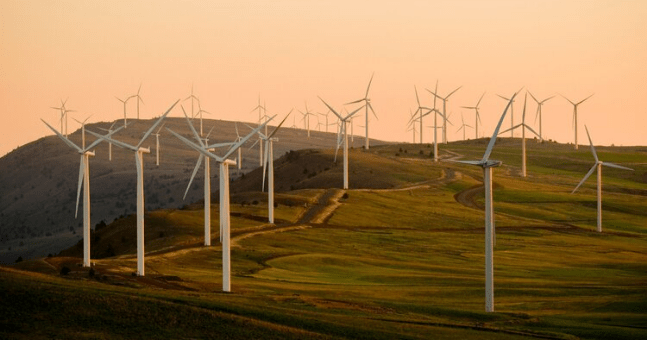
The fight against climate change must include a shift towards renewable energies. The possibility of substituting fossil fuels with energy harnessed from wind, sun, earth and water creates lots of expectations but also lots of opportunities. The problem remains, however, of how to make these energies accessible, cheap and efficient – and this is why the German example is worth highlighting.

In 2000, Germany launched the Renewable Energy Sources Act, or EEG (Erneuerbare-Energien-Gesetz), a set of laws that consisted in a feed-in tariff (a transfer made to households and businesses that use renewable energies to generate their own electricity) in order to ‘enable the energy supply to develop in a sustainable manner in particular in the interest of mitigating climate change and protecting the environment, to reduce the costs to the economy and not least by including long-term external effects, to conserve fossil energy resources and to promote the further development of technologies to generate electricity from renewable energy sources’ (Renewable Energy Sources Act, 2014). This scheme replaced the Electricity Feed-in Act (1991), the first green electricity feed-in tariff in the world that was contested by the European Court of Justice, who considered it an illegal threat to competition (article 87 EC Treaty).

Consequently, in 1999, Hermann Scheer and Hans-Josef Fell developed the EEG legislation. This law imposed on grid operators the obligation to prioritise the purchase of electricity generated exclusively from hydrodynamic power or wind, solar radiation or geothermal energy, instead of nuclear power, gas or coal. Besides this, grid operators should pay compensations to producers based on the technology used and quantity of energy purchased, giving producers a feed-in tariff with a duration of 20 years in which they could guarantee the return of their investment. The trick here, in order to avoid the same scrutiny by the European Court of Justice, was that, in contrast with the 1991 Electricity Feed-in Act, those payment were not considered public subsidies because they didn’t derive from taxation but from a surcharge on consumers that shared the expenses – so, there was no charge in Germany’s public finances. The EEG also foresaw a regular decrease in the feed-in tariffs (known as ‘degression’) as technologies became more cost-efficient.

The EEG legislation has been reviewed over the years and suffered some changes in 2004, 2009, 2012, 2014 and 2017.


IMPACT

Since the EEG legislation was enforced in 2000, the cost of photovoltaic systems decreased by 50% in 5 years. In relation to the coverage of renewable energy, the initial target for Germany was for 12.5% of its electricity production to derive from renewable sources by 2020. In 2007 it already covered 14.7%. In 2014 it covered 27.4% and in 2018 this value was at 37.8%. Currently, the target for 2050 is at least 80%. From data obtained from the period between 1990 and 2015, it’s visible that wind was the renewable source that most contributed towards Germany’s green transition in regard to gross generation of electricity.


gross generation of electricity by source in germanygross generation of electricity by source in germany

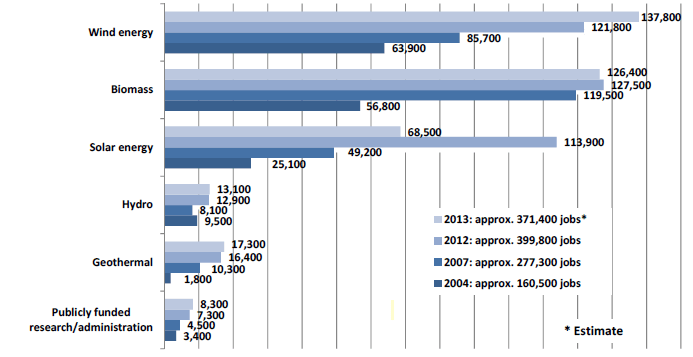
Besides this, thousands of long-lasting jobs have been created from these clean sources of energy – wind was the source that employed most people, more than doubling the amount of jobs created between 2004 and 2013, followed by biomass and solar. Usually, the abrupt transition to renewable energy leads to fears of some loss of jobs, which has strong impact on public opinion. However, the data shows that the transition to renewable energies demonstrates huge potential in creating more jobs than it destroys.


publicly funded research administrationpublicly funded research administration

Nowadays, in Germany, renewable energy can compete with fossil fuels, even when taking into account the cost of transport of such energy and the costs associated to the building of the infrastructure required for its production. In the case of renewable energy, the cost per kilowatt per hour depends on many natural factors, such as amount of wind and hours of sunlight, but they are all, on average, below $0.11/kWh, with onshore wind and geothermal being the cheapest (both $0.03/kWh), whereas biomass and offshore wind are the most expensive ($0.09/kWh and $0.11/kWh, respectively). Coal represents a cost of about $0.13/kWh and nuclear energy around $0.09/kWh.

This bet on renewable energy turned out to be very profitable for Germany. The cheaper production of energy allowed the country to be much more competitive in terms of electricity prices, until recently enforcing its position as a net exporter of energy over the years. France, Austria and Netherlands are the most common destinies of German energy.


ACCEPTANCE

The EEG legislation could be considered a social and economic success – it has increased the use of renewable energy while raising awareness about pollution, created thousands of jobs, and allowed Germany to become profitable in this sector. This success is further demonstrated by the attempt of other countries (as, for example, Brazil) to copy the feed-in tariff in order to accelerate their transition to renewable energies.

On the 8th of May 2016, there was a point during the day in which Germany was guaranting 87% of the energy being consumed by the entire country at that specific time from renewable sources. The production was so high that producers were obliged to offer free energy to consumers in order to drain the electricity.

However, the EEG is far from perfection and has been criticized many times to this day. The biggest grievance against this law was the high levels of feed-in tariff support. This position gained the support of the European Commission in 2014 (even though, until this day, the EC defends that ‘well-adapted feed-in tariff regimes are generally the most efficient and effective support schemes for promoting renewable electricity’) and led to some modifications in the legislation. In 2014, it was adopted what is known as the EEG 2.0., in which the compensation rates ceased being defined by the government to becoming defined through auctions.

This auction system was criticized too. In 2012, estimates pointed out that almost half of the renewable energy capacity in Germany was owned by citizens through energy cooperatives and private installations. According to the critics, the auction system would harm these kinds of producers, threatening all the development allowed by the original EEG legislation.

Today, Germany wants to obtain between 80% and 100% of the electricity consumed within its territory through renewable sources by the end of 2050. This path won’t be easy in a country where big coal plants are still the main source of energy, even after all those efforts of transition. In July 2019, Germany became, for the first time in almost two decades, a net importer of energy.

Once again, capacity to adapt and overcome is required.

#block-yui_3_17_2_1_1581875946965_36281 .sqs-gallery-block-grid .sqs-gallery-design-grid { margin-right: -20px; }
#block-yui_3_17_2_1_1581875946965_36281 .sqs-gallery-block-grid .sqs-gallery-design-grid-slide .margin-wrapper { margin-right: 20px; margin-bottom: 20px; }

The Russian Way of Taxes

…and the future of tax collection worldwide

Russia’s Federal Tax Service, by the hand of the agency’s executive Mikhail Mishustin, has revolutionized the tax administration and developed a technology that will presumably be the future of tax collection worldwide. It consists in a digital and real-time system, which allows Russian officials to receive the data regarding every registered transaction that occurred in the country within 90 seconds after it took place.

The phenomena of ageing population is pressuring governments around the globe, as it is substantially enlarging the expenses with healthcare, social care and pensions. Alongside, the major tech enterprises have been discovering the way of shifting profits around the world and avoiding corporate taxes. In order to tackle these issues and raise funds to face increasing expenses and decreasing revenues in the sector of direct taxes, the Russians have decided to bet in the collection of indirect taxes, mainly in VAT.

Value Added Tax, VAT, is a broad consumption-based tax assessed on the value added to goods and services. This tax is now present in more than 165 countries and represents approximately 20 per cent of all global tax revenues per year.

But, in two main areas, VAT is subject of fraud: firstly, some traders don´t pay the taxes they owe on their sales and go missing, leaving authorities without collecting what legally belongs to them; secondly, customers collude with sellers to buy goods and services without receipt, with the purpose of avoiding VAT being charged to the final consumer.


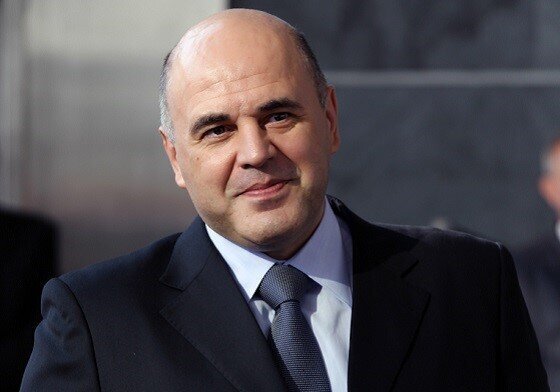
Mikhail Mishustin

Mikhail Mishustin

To overcome fraud, or at least its majority, and prevent tax evasion and corruption, Russia developed and establish cutting-edge technology. Every retailer had to buy a new cash register, linked securely to the Federal Tax Service’s data centers, and was obliged to register every single transaction. The technology, through the use of Artificial Intelligence, is able to find patterns and spot businesses’ suspicious activity, for example if companies are registering less sales than expected because they are making cash transactions off the record, and even monitor the tax officials and their collection rates to detect corruption. This system also enables the government to control the number of sales and the prices of goods and services and provides national statistics, being inflation one of the most important.

However, there is still the wish to extend the system to the informal economy. Individuals just have to sign up to a smartphone app and what they owe will automatically be deducted from their bank accounts. Tax officials are, of course, relying in the fact that most people want to be clean and don´t want to get in trouble with the government. Even though “The Russian way of taxes” has all the advantages mentioned above, it is actually more directed to shopkeepers than to oligarchs, as corruption is still quite present in Russia’s society. Yet, this policy helped raising revenues significantly and also helped cleaning the system.

The leader of the global tax consulting at EY, Chris Sanger, says: “The benefits of technology for tax authorities in indirect taxes may well overweight the problems it brings in the direct tax system”.

Like Russia, there were many other countries that adopted the real-time data in tax collection, with the intention of reducing tax evasion and corruption. Portugal was one of those countries, an early starter. The shopkeepers’ cash registers are connected to the tax authorities’ systems too, but Portugal added other incentives. If consumers add their personal tax number to the electronic receipt, they can get a 15 per cent deduction on the VAT paid from their annual income tax assessment as well as becoming eligible to win a monthly lottery, which price is usually a brand-new luxury car. Through this incentive strategy, consumers are more likely to pay VAT and so ensure that retailers do the same.


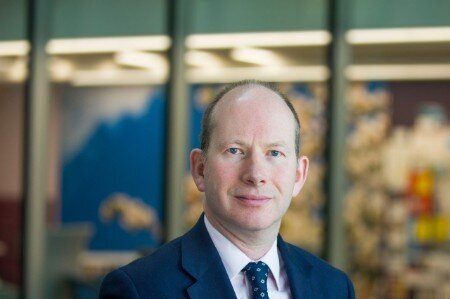
Chris Sanger

Chris Sanger


Although many consider this is the future of tax collection worldwide, others believe that this will never be possible to implement in more mature democracies, due to the principles of privacy and data protection. The public is quite skeptical to accepted immensely intrusive state technology. OECD is trying to draw core standards at least for its state-members, aiming at securing data and preventing it from being misused.

For reflection purposes, it is feasible to leave the question: Will people actually be worried about their privacy and their personal information or, in another way, are they worthy to claim these rights when they share their private lives with the big tech companies?

Misleading Business Improvement

A 15% growth from June 2018 to June 2019 may seem like a great deal for any food retail chain. At least if you are not in Angola, where inflation is a big component of the economy. Although this indicator is now around 17%, it reached a peak of 42%, between 2016 and 2018, according to Trading Economics.

When compared to the Euro, the Kwanza (Angola’s currency) depreciated almost 40% in relation to the previous year. In 2018, one euro bought 290 Qwanzas, whereas nowadays it buys around 395.

Given this, a 15% rise in nominal terms does not reflect an excellent real growth, which may in fact even be negative.

Bearing this in mind, are these growth rates in Angola that bad? 


The Angolan Civil War

The Angolan Civil War

To answer this question correctly, one has to travel back in time. Angola was highly affected by two main wars: the war for independence from Portugal in the 1960s and 1970s, and the civil war, which ended in 2002. During almost four decades of political instability, Angola’s economy was stagnated, remaining one of the poorest countries in the world, despite its abundance in natural resources.

At the beginning of the 21st century, the government reformed and improved social and political institutions and Angola’s economy started growing fast. Although with high inequality and corruption, its GDP grew exponentially, and Angola became one of the fastest growing countries in the world. However, its prosperity depended strongly on oil exports revenues, which are very vulnerable to changes in the international oil prices.

During the European financial crisis, developed countries slowed down their demand for petroleum. Coincidentally, during that phase, new oil sources were discovered, so its supply increased without any international entity watching over. For these two reasons, the price of a barrel of crude in the international market decreased abruptly and Angola’s oil export revenues halved.

The overall balance of the country started decreasing a lot in 2012 and became negative in 2013, which means that Angola was losing reserves and borrowing from the rest of the world. This is translated into a negative current account and a surplus in the financial account.

Consequently, since the end of 2014, the country is experiencing a recession, dragging thousands of businesses into bankruptcy.


On the one hand, during a crisis, people who lived with less than 1 dollar per day do not lose a lot of purchasing power, because they already had none. Moreover, the richest 20% who, in this country, hold 50% of the income, do not struggle. As a matter of fact, their fortunes usually increase.

However, on the other hand, the picture is a little bit different for the middle class. As Angola used to be a Portuguese colony, this class is made up mostly by Portuguese people inhabiting there, who are the ones balancing the economy. When the crisis hit its peak, around 200 000 expatriates returned home, decreasing Angola’s domestic product. In 2015, around 60 thousand work posts were extinguished, the majority being related to construction and oil exploration. It represented not only a great loss to the government (less money earned in visas, taxes…), but also to the private sector (less money spent in leisure, shopping, rents…).

One cannot stress enough this last one, since a one-bedroom apartment rent was around 5 000 dollars per month and the resident had to pay for the entire year in January.


Moreover, the informal sector constitutes a huge part of Angola’s economy. This is usually closely tied with poverty, yet this sector did not shrink during the economic upturn in the first decade of the century. Actually, this sector became more productive and started to cover various activities: from water supply to transportation. Some developing countries are so used to these kinds of markets, that a sales boost is highly noticeable when the country improves. For the past few years, during the oil exportation crisis, the informal sector remained. These are bad news for the retail business, since food and beverages are easy products to trade informally. In 2018, 80% of existing soft drinks were sold in these markets. 

To sum up, it is accurate to argue that reaching the growth rates aforesaid is pretty good.


Porto de Luanda

Porto de Luanda

This is true, especially when almost all of the food sold in formal markets in Angola is imported and travels by sea for 3 long months, so companies have to predict the client’s necessities well in advance.

When there is a problem with transportation, supermarkets simply run out of stock and rely on the sales of non-perishable products. This would not be an issue if the government made serious inroads against corruption, providing local producers with financial support, given that the country is known for its fertile soils and rich raw materials.

Will this picture change? 

According to the Corruption Perceptions Index 2018, created by Transparency International, an organization dedicated only to public sector corruption, Angola is one of the worst countries regarding this matter. The country assumes place number 165 out of 180, where number 1 is the cleanest country (Denmark) and 180 is the most corrupt one (Somalia). The failure to control this problem is affecting all Angolan taxpayers, including businesses.

Boosting sales, even in nominal terms, is an excellent achievement in a country where the majority of the population lives in one of the following two scenarios:

either they do not have a roof to sleep under or they travel on a private airplane to spend their money elsewhere.


18830768_770x433_acf_cropped.jpg

Sources:

  • Trading Economics

  • World Bank

  • Transparency International

Wealth: to tax or not to tax?

There has been a topic marking all the debates throughout America in the past few weeks: the proposals of two Democratic candidates, Elizabeth Warren and Bernie Sanders, regarding a tax on wealth. Their proposals, coupled with all the recent articles and book releases about rising inequality all across the world, has been the hot topic on top of the table (better said, on top of the House).


Bernie Sanders and Elizabeth Warren

Bernie Sanders and Elizabeth Warren

A tax on wealth consists of a tax on the net wealth a person holds – that is, their assets minus their debts. Assets may include, for instance, bank deposits, real estate, financial securities, personal trusts, jewellery, or even a Picasso Painting. However, according to Bernie Sanders’ proposal, this tax would only be applied to people with a net worth value above $32 million, whereas candidate Warren would impose a tax on wealth only for values above $50 million.

They believe this is a much-needed source of revenue in order to ensure public health care for every American citizen. 


There have been many countries adopting similar forms of wealth taxes. However, according to records, most of these countries have already dampened its usage. Only three out of the twelve European governments that implemented this tax in the 1990s continue relying on its revenues.

Furthermore, the numbers regarding tax revenue are not encouraging. The country that collects the most revenue from a tax on wealth is Switzerland, where its wealth tax revenue amounts to 3.1% of GDP. The other two countries, Norway and Spain, show really modest values, ranging between 0.2 and 0.8 percent of GDP.

The reasons provided by these countries are based on the fact that it is too costly to implement such a tax policy, due to the difficulty in assessing and evaluating the stock of assets each person owns, from personal effects and durable goods to future pension rights. Besides this, the OECD found clear evidence of the tax evasion and avoidance that is expected following the implementation of such policy.


Additionally, studies based on past experiences showed that, as this tax is calculated based on the difference between assets and debt, people were encouraged to borrow and invest in exempted assets and in assets that were hard for the government to identify. Farms and small businesses, artwork and antiques, forests and non-profit organizations are all examples of assets exempted from a tax on wealth.

The concerns of Senator Warren and other policymakers regard the ‘concentration’ of wealth in a small number of individuals. But the truth is that their wealth is mainly dispersed across the economy in productive business assets and, looking just at billionaires, only 2 percent of their wealth is accounted for by their homes and personal assets, such as cars, jewellery, and artwork.


Greg Mankiw

Greg Mankiw

Economist Greg Mankiw suggested a model in which there were only capitalists and workers. His findings showed that people should support taxes on wages, but not on capital. The reason is that the supply of capital is elastic or responsive to taxation – not entirely realistic -, such that setting a tax equal to zero would generate increased savings and boost investment. Consequently, worker productivity and wages would rise and, in the long run, the after-tax wages of workers would be higher under this policy rather than under a policy of imposing taxes on capital. From an average workers’ point of view, it is beneficial for the wealthy to maximize their savings and reduce consumption.


Still, the question remains:

How can we have a tax system that does not penalize beneficial wealth accumulation but also distributes the tax burden equitably? How do we ensure that the rich pay a fair share of taxes while simultaneously not discouraging savings? 

Many have been the countries and cities, from Chile to Lebanon, appealing and begging for a more equal treatment and more egalitarian policies from their governments. For the sake of social harmony, tackling this issue is as urgent as it is to reach a consensus regarding climate change policies. However, wealth taxes may not be the right way to achieve the so-called general equilibrium.


Sem Título.jpg

Sources:

  • Business Insider

  • National Public Radio

  • CATO Institute