
Somaliland: A New Hope

The main purpose of development economics should be to give any country or community hope. Hope for a future they own and where they can grow. But no hope is seen nor given to anyone in Somalia, as the country has been a disaster since the day it gained independence in 1960. With the premise of bringing the major native ethnic group of the Somalis together, the British and Italian colonies were unified. Its government started as a failed democracy, followed by a brutal dictatorship under Siad Barre, resulting in wars and many genocides across the country. The dictatorship lasted two decades, until in 1991, the government was dismantled by rebel armed groups. Afterwards, no government successfully took control. Somalia has been in a civil war with different factions fighting for control, being the perfect hub for terrorist groups, warlords and pirates. An absolute anarchy. The years go by and there is still no hope for the Somalis.

But there is one exception – Somaliland, a region of Somalia that belonged to Britain in the north of the country. It has had relevant developments and it’s starting to have its first foreign diplomatic relations. It possesses its own currency and even its own passport. Its achievements have been considered remarkable. Even though it is not internationally recognized as a country separated from Somalia (yet), it’s developing the best it can to become one.

In this article we will focus on this small wannabe country and try to ascertain if it can indeed become a successful nation recognized by the rest of the world or if it is just another African state waiting for its decline. Is there still any hope for the Somali people?


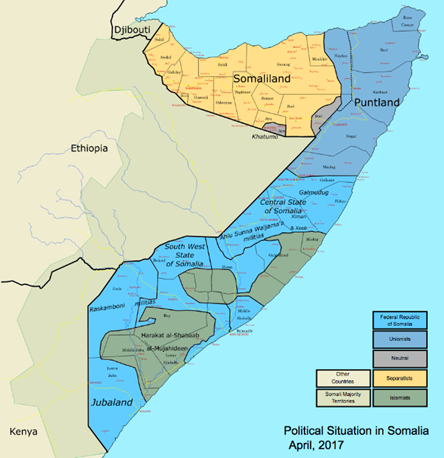
Map of the faction division in Somalia, as of 2017

Map of the faction division in Somalia, as of 2017


A short story of tragedy

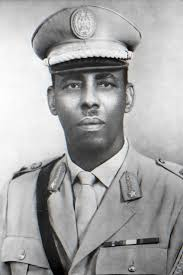
Dictator Siad Barre of Somalia

Dictator Siad Barre of Somalia

Somaliland has always been the odd one out in this unification, being always marginalized by the rest of the country. In 1978, during Barre’s dictatorship, with the goal of unifying other Somali dominated territories, the national government started a war with Ethiopia, which it lost. This defeat destroyed the economy of the country, the lives of its citizens and the image of its government. Because of this, in the mid-1980s, rebellions started rising. Somalia’s military started a brutal counteroffensive, not only against the rebels, but also against the different clans that supported them. It was in Somaliland that the national army marched to the region’s largest cities of Hargeisa and Burao. Using artillery and air strikes, they bombarded the cities, destroying 90% of Hargeisa and 70% of Burao, killing thousands of civilians. This is known as the Isaaq Genocide. Barre’s government collapsed in January 1991, and in April of the same year, Somaliland declared independence. All Somaliland militias were dismantled or incorporated into the new national army of Somaliland, providing a solid stabilization and security in the region. For the rest of Somalia, a long civil war awaited.


On the road to a better future

For Somaliland to become a successful country, there are some key points that must be assured: regional stability, an efficient government and a healthy economy.

Somaliland is considered the most stable region in the Horn of Africa. As the former militias join the national army, this army remained loyal to the new government. After the remaining of Barre’s forces were defeated, many other dangers were still present, such as Islamic terrorist organizations, pirate groups and the other numerous factions in the civil war. All were successfully expelled. Its major stability problem is still with the neighboring Puntland with whom it has some territorial disputes. As of national identity, these were the same people marginalized by the rest of Somalia and the same clans killed in the Isaaq Genocide. We can associate the loyalty of Somaliland’s troops to this strong national identity.

Its government started as a democracy that distributed all major powers between the most powerful clans. Later in 2002, it decided to substitute it for a more ideology-based democracy. This new government had a modern constitution, with full separation of powers between independent institutions. In 2003, the first president of Somaliland was elected, and the subsequent elections have been all considered fair and legitimate internationally, largely thanks to this government architecture that was built with no help from abroad. All of this made Somaliland’s government gain the recognition of most efficient democracy in East Africa.

As for its economy, despite having great potential, it’s still quite underdeveloped as it continues to be based on livestock exports, largely to Arab countries. The government is progressively looking to diversify its economy, investing in its most promising sectors. Somalia is situated in the Horn of Africa, a valuable strategic location since it’s where many trade routes pass through. Somaliland took advantage of this by investing in its ports. Berbera’s Port is one of the biggest and most developed ports in the region and is a booming site for maritime operations, providing access for maritime trade and attracting foreign investment from China and the UAE. Its territory also has an abundance of mineral resources, such as industrial ore like iron and titanium and even rare metals. Oil reserves are also present and have already started being explored in 2018.

To summarize: it’s the only stable region in Somalia, as well as one of the most efficient governments build from the ground that has a promising economy. This great potential is not officially recognized in the world, but in many ways, it is unofficially: it has trading agreements with multiple countries, such as the UK and Taiwan, and is a member of multiple international organizations such as the UN’s Unrepresented Nations and Peoples Organization.

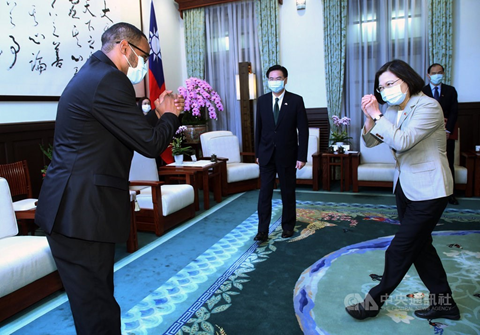
Somaliland representative Mohammed Omar Hagi Mohamoud meeting Taiwan’s President Tsai Ing-wen

Somaliland representative Mohammed Omar Hagi Mohamoud meeting Taiwan’s President Tsai Ing-wen


Current problems

There are still many weaknesses inhibiting the self-declared country from being recognized. For instance, the ongoing civil war with the north-eastern area of Somalia – Puntland, due to the territorial dispute over eastern provinces, whose control is claimed by Somaliland based on colonial boundaries and by Puntland based on tribal affiliation. Another obstacle is that many countries and international organizations, including the African Union, don’t support a successful separatist’s movement, no matter how efficient it may be, fearing it may encourage other similar movements to seek independence. And because it has no recognition, no foreign aid can be provided to the government. Hence, the government is very dependent on private donors and investment, leaving the danger of corruption of the government wide open.

Apart from its lack of recognition, Somaliland also has many internal problems. It still presents an extremely low GDP per capita of $347 US, making it the fourth poorest country in the world, according to the World Bank. As the effects of climate change increase, it endangers the livestock industry, which is still the backbone of the current economy, resulting in income loss and famine to a part of the population. Despite Somaliland’s efforts and investments towards education, half of the children still have no access to school. Several human rights abuses are still committed, such as feminine genital mutilation, which unfortunately is still very popular in Somalia as it’s estimated that 98% of women have been submitted to it, according to ActionAid.


The Veredict

Truth is, this reality is very complicated. It takes a very long time to see improvements in a country, and failed cases of separation are the most common examples. But against all odds, this government has been achieving all the right benchmarks in the 30 years of its independence: stability in a region globally known for widespread chaos, a complex political system that disapproves and punishes corruption and a promising economy built with investments in infrastructure and education. Moreover, by granting international recognition, the resulting provision of foreign aid would alone solve many of Somaliland’s problems. But one question remains: if the international community doesn’t reward this nation, how can it expect to see more of its kind in the future?

Sources: World Bank, East African Business Week, UNICEF, UN News, The Conversation, Institute for Security Studies, Economist, Britannica, BBC, Action Aid, The Taiwan Times


The Rise of Far – Right in Portugal

Portugal left wing history

The Third Portuguese Republic was implemented after the Carnation Revolution on April 25th, 1974. This movement overthrew the fascist regime that had been in power since 1933, established by António de Oliveira Salazar, the main figure of Estado Novo (“New State”).

The first democratic elections in 1975 were won by the Socialist Party (PS). Thereafter, the only parties with a majority in Parliament or with a respective prime minister were the socialists or the social-democrats (PSD). Other parties would only be part of the government through coalitions. Historically, Europe is categorized as moderate inclining towards social democracy.

In recent years, Europe, Portugal included, have witnessed a rise in radical right movements. Portugal’s main figure is Chega! (Enough!), a rightist, populist movement led by André Ventura. Although not the first party located further right of the Portuguese political spectrum, it was the first to gain notoriety and a seat in Parliament. The former National Renovating Party (PNR) is a self entitled far right party with very narrow public adherence.


André Ventura

 André Ventura, born on January 15th, 1983, had a brief passage through the seminary (an attempt to follow priesthood), which fits some of his catholic conservative statements. Ventura ended up pursuing Law at Nova University of Lisbon, graduating with a 19/20 GPA. The PhD thesis  he presented at Cork University criticized the stigmatisation of minorities and expressed his concerns on the expansion of repressive powers from the state.

In 2001, he joined the Social Democratic Party but only gained visibility in 2017 as a sports commentator on national television. This led to an invitation inside the party to run for the local elections of the Loures municipality. As a candidate, Ventura claimed that Roma people residing in Loures “live almost exclusively on public subsidies” and “think they are above the Rule of Law”. His declarations and hostile position over various social matters hindered the relationship with PSD leading to his disaffection from the party in 2018. In

April 2019 he founded Chega!. Representing it, André Ventura ran for the 2019 legislative elections (providing him a seat in Parliament), and is currently running for the 2021 presidential elections.

Chega!

“The Portuguese far right party” built its marketing as an anti-system movement – it claims the establishment is corrupt and does not have the people’s best interests in mind. The party seeks to establish a new and Fourth Republic by, among other measures, implementing a new constitution, as can be read in its manifesto (2019). The latter is intensely economically liberal and endorses a minimalist State on, for instance, education and healthcare services. Its political program includes fiscal reforms: the abolishment of double taxation on corporate income; reduction of VAT; and the adoption of a “flat income tax”.

On the other hand, Chega is strongly conservative on societal issues, which include motions such as the prohibition of gay marriage, of LGBTQ+ propaganda, abortion or any situation that “violates human integrity”. Furthermore, its program introduces chemical castration as a legal punishment for convicted pedophiles, among other severe penalties. Chega recently affiliated to ID (Identity and Democracy), a European parliamentary group composed of nationalists, far-right parties and eurosceptics, namely Alternative for Germany, National Rally (Marine Le Pen) and Lega Nord (Matteo Salvini). The group stands for national differentiation and administrative preservation of autonomy, alternatively to a European selfhood. Chega first presented a candidate for the european elections in 2019, leading a coalition named Basta!. It failed to elect a MEP.

The latest October 2020 legislative poll, conducted by Aximage, placed it with 5,4% of vote intentions. This consistent growth was confirmed by the regional elections in the Azores. The party gained 5% of votes, fourth most voted. Two regional MPs were elected and with no clear majority of votes in the elections, these two will be fundamental for the configuration of the new regional government. The party has gained recognition and consolidated its political force.

source: Jornal Luso

source: Jornal Luso

Electorate’s Profile

Studies conducted to identify the typical voter of a far-right party in Europe concluded  he is a young poorly qualified male. Generally, he is a worker or a small businessman, if not unemployed.

In Portugal, the first study to provide an identification of this typical voter was a poll published last February by ICS/ISCTE. Given the European context, it came to contrasting conclusions. The typical radical right elector in Portugal has qualifications above the mean of the Portuguese population, mainly middle-class, namely office employees living in metropolitan areas. Furthermore, the electorate is evenly split between male and female. According to CESOP, the voters of the party previously voted for the two main parties or abstained.

Reasons for Widespread Growth

Populism is a political approach, which strives to appeal to ordinary people who feel their concerns are disregarded. The 2008 crisis and subsequent stagnation significantly worsened the middle class. Their substantial tax burden and the subsidies paid to those who “do not respect the Rule of Law” lure them to Chega, as proven in the ICS/ISCTE poll.

André Ventura often appropriates the popular contempt with a dividing logic of “us” against “them”. There is a large share of society which, after being constantly immersed in scandals and corruption at the highest levels of Public Administrations, feel as if “all politicians are the same”. André Ventura’s concept is appealing to the average Portuguese, who possess a sense of distrust towards politicians in general, thus embracing the anti-system propaganda. This could be why Chega has developed a hostile environment with most parties. This, paired with its image as a xenophobic and racist party, influences other parties to distance themselves, afraid of an electoral backlash.

Cultural liberalization and imigration are pointed out as troubles by Chega. In its manifesto, there are many references to an ideological proselytism: the attempt to change people’s beliefs. This concept is referent to LGBTQ+, BLM and other movements, which Chega frequently lessens, attracting social conservatives and clashing with leftists.Likewise, Chega seeks to strain the process of granting Portuguese citizenship, standing fiercely against the recent Nationality Law, eventually enacted. Illegal immigration is adressed by Ventura, although the Portuguese electorate cannot relate to that issue as well as larger European countries: contrarily to what happened to countries such as Germany, Greece or Italy, the Portuguese borders have only had some minor predicaments with refugees, never a worrying affair. Therefore, regarding intercultural matters, the main argument brought up by the party has been directed towards the Roma people and others living on subsidies. The leader of the party often accuses them of not complying with Portuguese laws, women’s and marriage rights, as well as respect for authority. During the pandemic, Ventura supported a special confinement for a Roma community outside a small city that refused to be subject to testing.

Nonetheless, the main explanation regarding the rampant rise of this party is the spotlight offered by the media in general, and the wideness of Ventura’s presence in social media. There have been weekly constant mentions and polemics around his name and party. Correspondingly, that has been the method chosen by European far-right parties which appears to be successful. Also, the fact that mainstream parties commonly criticize him helps the branding of the party as the solution for a damaged structure (given the “system” is against him, he should then be considered “anti-system”).


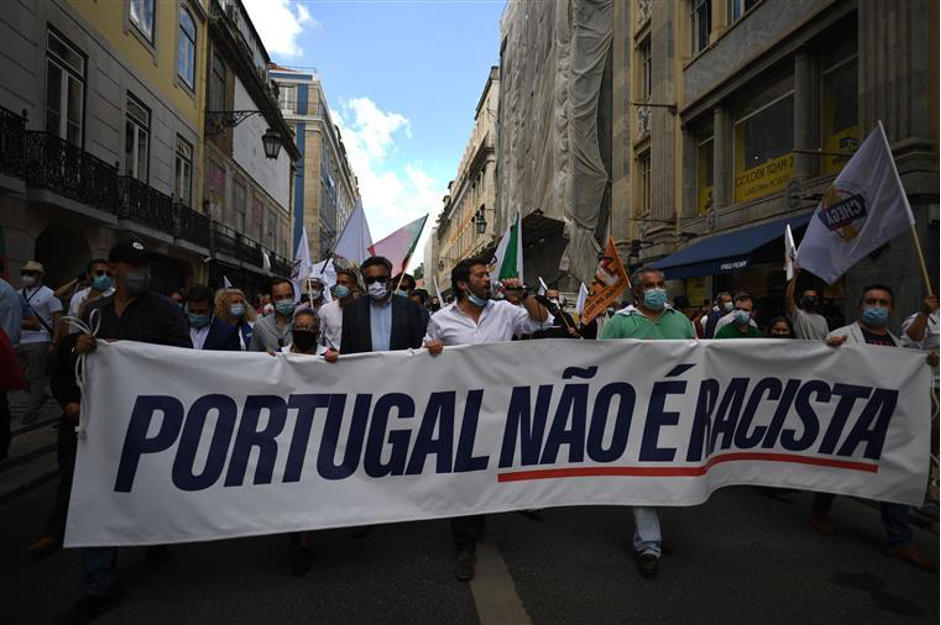
source: jornal “SOL” - “Portugal is not racist” movement against BLM movement

source: jornal “SOL” – “Portugal is not racist” movement against BLM movement


Conclusion

Portugal is not an exception anymore. In 2018, it belonged to a short list of countries in the EU without radical right representation in the Parliament. Today, it is another example of a substantial expansion of such a movement in a compact period of time. Nonetheless, it is important to say that Chega is not the typical far right party, for the latter (former PNR) has failed and lost vote intention to the earlier. The death penalty, a more extreme proposal, was presented and failled to gather internal support. Some claim the party is imploding due to an even more radical branch that starts to label Chega as another conventional party.

The Rise of Far – Right in Europe

Extremist Movements in Europe

The origin of «left» and «right» terms concerning politics dates to the French Revolution, in 1789. One of the main topics debated when writing the new constitution was the amount of power the king would have. Among the present in the National Assembly, those in favor of the king having an absolute veto sat on the right side of the assembly’s president, while those who disagreed sat on the left side.

Nowadays, we use the terms left-wing and right-wing when referring to two broad opposite political points of view. The left is known for having a more socialist economic perspective, while the right commonly defends capitalism and a free-market economy. Throughout the years, both gave impetus to different extremist movements. When it comes to the far-right, although having different facets, this extreme side of the political spectrum is known for supporting nationalist, authoritarian and anti-immigration policies.

The Rise of Far-Right – Nationalism and Globalization

In modern politics, we tend to look at the far-right as a consistent political ideology, while throughout history it has been a quite flexible movement. Even so, there has been a prevalent feature: nationalism, particularly ethno-nationalism. Indeed, the core of the movement idealizes a version of a cultural, national, and historical identity, with the rhetoric that it is constantly under threat and therefore needs to be defended.

From the perspective of many right-extremists, globalization constitutes  a significant threat to this feeling of «national identity». The free movement of goods, capital, services and people, the homogenization of culture, and the loss of economic independence are ways in which far-right movements have framed this holy war between external forces destroying the nation and the heroes defending it. Nationalism is seen by many as the savior that holds together the victims of tough and challenging times. Recently, for instance, Marine Le Pen, the candidate of the Rassemblement National in France, told supporters that globalization was «slowly choking communities to death». She backed up her statement with facts: globalization made many factories relocate from France to other parts of the world where labor was cheaper. This also happened in other European countries and heavily affected the middle class.

According to Arie Kacowicz, an academic expert on international relations, nationalism is one of the main resistors of media-induced globalization. However, there is a paradox: while nationalists often depict globalization, they also earn from it. In other words, changes in technology, for instance, create favorable conditions to the spread of right-extremist values. In fact, right-wings often use online platforms such as Facebook, YouTube, and WhatsApp so that their followers are constantly bombarded with breaking news and political propaganda. This enables them to connect with each other, creating a mechanism of echo chambers in which their own opinions and points of view are shown over and over.

The Rise of Far-Right – The 2008 Financial Crisis

Since World War II, the extreme-right has been seen with worrying eyes, but the 2008 financial crisis was the alarm buzz for the sleeping giant in the room. Recent years have witnessed an important rise of the far-right, taking over European countries’ political systems until today.

The crisis led to low economic growth, a rise in unemployment and an increase in inequality. It revealed an unexpected unregulated character of the market and main financial institutions, which in turn sparked mistrust of the ruling elites. People faced lower or stagnant incomes, as consequence of severe recession policies, and fewer job opportunities. Moreover, governments were not able to provide welfare redistribution, nor assist the transition to higher welfare. For instance, the British austerity measures ended up raising inequality, affecting the poorest the most, because, as shown by the Institute for Fiscal Studies, “the cuts have fallen in a disproportionate manner”

Indeed, the middle and lower classes were the most affected and found that help from the EU was scarce. As governments were decreasing spending and constrained on borrowing, some countries needed to resort to the International Monetary Fund (IMF), such as Portugal and Greece. Large economies such as Spain, France and Italy were also largely affected. Italy’s, Portugal’s, and Greece’s debt-to-GDP ratio rose and has remained above 100% of GDP until today. This happened, in part, because the European Central Bank (ECB) was unable to act as a lender of last resort, imposing  austerity as one way to “save” European economies. Consequently, households felt hurt and blamed the EU for their newly found precarity. A Eurosceptic sentiment emerged among citizens and nationalistic ideologies were fostered through an increased  support of far-right parties, which constituted alternatives to the governments who faced the crisis. Eminently, most European countries have seen a rise in votes for far-right parties in the last elections.


Debt-to-GDP ratio of Portugal, Greece and Italy

Debt-to-GDP ratio of Portugal, Greece and Italy


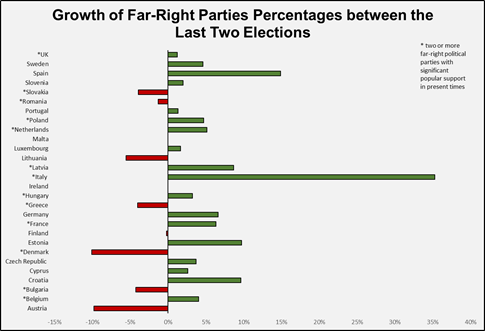
18 out of 28 countries in Europe saw a rise in votes for far-right parties comparing the last two elections.

18 out of 28 countries in Europe saw a rise in votes for far-right parties comparing the last two elections.

Electorate’s Profile

According to the Horseshoe Theory, the political spectrum does not form a straight line but rather a horseshoe form. This means that the far right and far left, originally at opposite points of the political spectrum, would be  closer and bending in toward each other. In fact, both left-wing and right-wing extremist parties target similar audiences.

Extreme-right voters are often young millennials or old nationalists who view the current far-right as broken and wish to restore it. Far-right politicians look for people who feel victims of the current government and angry with the state of things, people who feel subject to marginalization and ostracization.

Therefore, both extremist sides make use of populist speeches focusing on insecurities, fears, and emotions. They offer the audience a sense of stability, security and belonging, and provide simple explanations to reduce troubling complexities over complex questions, easily dismissing critical thinking. In their speeches, they create a sense of urgency of change, inciting radical action, sometimes violent, and occasionally leading to “sacrifices for the greater good”.

The Drivers of Right-Wing Extremism

Migration stands as one of the most important topics of European right-wing parties. In a recent poll conducted by the Italian News Portal, Affari Italiani, 65% of Italians said they feel threatened by migration and would feel safer under the more rigid policies of the previous Minister of the Interior, who blocked NGO-backed rescue boats from docking in the country. Additionally, terrorist attacks across Europe, including the recent beheading of a French teacher by a Muslim extremist in Nice, heated the anti-migrant sentiment in Europe. European citizens increasingly resent the EU and its handling of  the refugee crisis, feeling that their well-being and safety are being threatened.

Arising from the consequences of the financial crisis, inequality and mistrust of the ruling elites  also play a role. In Spain, according to the Pew Research Center, people are increasingly unhappy with the country’s political system and are lacking faith that the elected officials are up to the task. Inequality continues to be an issue since redistribution of wealth was not a priority on the agenda during the crisis.

Among European countries, there are several examples which demonstrate rising Euroscepticism. For instance, in the 2017 presidential elections, the French Rassemblement National led by Marine Le Pen, who opposed Emmanuel Macron and advocated for Frexit, reached the second round, only 2,7pp behind Macron. In Spain, the far-right Vox Party gained a lot of media coverage, since founded in 2013, becoming  the third most voted party with 15,1% on the November 2019 General Spanish Elections. Finally, in Sweden, the Sweden Democrats are now on the top of the most recent polls.


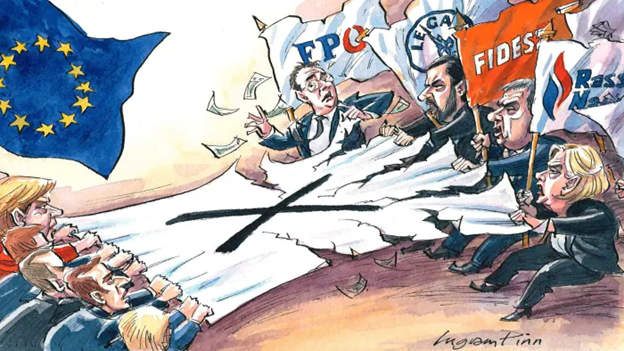
Cartoon representing the battle for citizen’s vote between pro-Euro and anti-Euro parties in Europe.

Cartoon representing the battle for citizen’s vote between pro-Euro and anti-Euro parties in Europe.

There are, however, exceptions, like the Italian Movement Five Stars that is now getting closer to supporting the EU, even stating, in 2018, that the “European Union is the Movement’s home”. Another case is Poland’s current government which is considered softly Eurosceptic, believing Europe should help Poland and not the other way around, positioning against a federal Europe.

Conclusion

The right-wing is rising and came to stay. All over Europe, including Portugal, Spain and Scandinavia (countries where social democracy’s fall is not as strong as in the rest of Europe), the far-right is gaining ground against the left-wing parties. Anti-immigration and anti-Euro speeches are the used tool to convince voters. Inequality and discontentment towards democracy also constitute reasons for the people’s increasing support for the right-wing since the crisis.

However, recent polls point out to a decrease in the rise of right-extremist voting intentions. Almost all countries denote a fall regarding right-wing intention of vote, probably due to the current pandemic. People may prefer to vote for parties that can ensure more stability than more revolutionary ones when dealing with the CoVid-19 crisis. All this together raises a question: is the rise of the far-right decelerating or just starting?

Sources

Financial Times, Global Solutions Initiative, G1 Globo, The Guardian, Intereconomics, London School of Economics, New York Times, Pew Research, Politico, RMX, Time

Breaking the gender glass ceiling in South Korea

In the 1960’s, South Korea’s fertility rate displayed an impressive and even slightly concerning population growth, leading the government to implement restrictive population policies. Nowadays, the scenario is significantly different, with the country’s fertility being one of the lowest worldwide. Combining that with an increasingly ageing population, South Korea is currently facing a decline in its population growth, with the natural replacement of generations being at stake. This concerning new demographic paradigm has led the government to take action, committing to increase the country’s birth rate, albeit unsuccessfully.
With these failed attempts, the solution may revolve around changing the women’s role in society, incentivising an active participation in the job market, granting them the same rights and benefits to those of men.

However, this raises the question: is South Korea’s society ready for such a drastic change?

Historical roots

South Korea was established as a nation with the division of the Korean Peninsula after World War II. In the aftermath, an invasion by North Korea of its southern counterpart´s borders triggered an armed conflict between the two, which was only solved by 1953 through the signing of an armistice agreement. Today, South Korea is one of East Asia’s most influential countries, with an economy ranking just behind Japan and China and a population of around 51 million people, of which more than 25 million are established in its capital, Seoul.

In recent years, South Korea has experienced a rapid industrial growth, as well as a vast economic modernization, contributing to the shrinking of the income gap that for many years separated it from the developed Occidental economies and, in some cases, to overcome some of them in GDP per capita (Graph 1). Nevertheless, even if in economic terms this gap is now practically non-existent, when it comes to gender equality and the women’s role in society, South Korea is still very far from the Western standards.


Graph 1 – Real GDP per capita comparison    Source: Federal Reserve Economic Data

Graph 1 – Real GDP per capita comparison

Source: Federal Reserve Economic Data

Window-dressing gender action

With the ever-growing role of women in society after the late 1960s, as they increasingly sought and integrated the job market and pursued higher levels of education, the government enacted the Equal Employment Act in 1987, in order to guarantee equal and fair treatment across the two sexes. However, this proved to be ineffective in practice, as women continued to be victim of lower wages and sexual harassment in the workspace. As a matter of fact, South Korea is still today the worst-performing OECD country in terms of gender wage gap (median wage earnings of women are, on average, 32,5% lower than men’s, as shown by Graph 2).


Graph 2 - Gender wage gap across OECD countries (difference between median men’s and women’s wages)    Source: OECD Data

Graph 2 – Gender wage gap across OECD countries (difference between median men’s and women’s wages)

Source: OECD Data

This discrimination in the labour market is still deeply rooted on the misconception that women are less desirable as employees, as they may require maternity leave in the future as well as leave to take care of their children, should they fall ill. Related to this is the patriarchal view that women are the ones responsible for the care of domestic affairs, leaving men to work to provide for the family. While efforts have been made in changing this current of thought (particularly, with the 2005 decision of South Korea’s Constitutional Court to abolish “hoju”, a family registry system that identified the head of household as a male and that obliged family members to be registered under him), it is still far from reaching the desired effects. In fact, the World Economic Forum and a United Nations report have recently ranked South Korea´s gender empowerment among the lowest in the developed world.

Therefore, this discrimination of women in the job market, centered around their role in the society, has forced many women to choose between professional success and family life, with many opting to forego entirely marriage and children. This is part of a rising social phenomenon in South Korea called the Sampo Generation, with the word ‘sampo’ meaning giving up three things: relationships, marriage and children.

A demographic winter

As a result of the Sampo phenomenon, birth and fertility rates plummeted in recent years, causing demographics in South Korea to take a concerning tumble. In fact, South Korea’s fertility rate has been declining steadily, not being able to reach the minimum threshold (2.1 children per woman, so as to ensure the replacement of the generation) for more than 30 years, nowadays reaching only 1.1 children per woman (an astounding contrast with the impressive rates registered in the 1960s, as seen in Graph 3).


Graph 3 - Total Fertility Rate in South Korea (1955-2020)    Source: Worldometer

Graph 3 – Total Fertility Rate in South Korea (1955-2020)

Source: Worldometer

Moreover, longevity has also been improving in South Korea, with the country displaying one of the highest life expectancies in the world (around 82 years old), a value that the United Nations predict will continue to grow, estimating that, by the end of the century, an average baby born in South Korea will live to the age of 92.

This two effects combined result in an ageing population, with a population growth rate that has been significantly decreasing over the years (Graph 4), a fact that reinforces the notion that, even though a reduction in the country’s population is not yet a reality in the short-run, it seems to be an unavoidable scenario in the long run (Graph 5).

Graph 4 - Rate of population growth in South Korea (1960-2020)    Data source: Populationof.net

Graph 4 – Rate of population growth in South Korea (1960-2020)

Data source: Populationof.net


Graph 5 - Estimated population of South Korea (2021-2050)    Data source: Populationof.net

Graph 5 – Estimated population of South Korea (2021-2050)

Data source: Populationof.net

Promoting population rejuvenation

In order to combat this concerning demographic framework, various measures have been taken by the government in recent years, with a significant $70bn made available to be channelled into incentivising childbirth, marking it as one of the largest childbirth incentives worldwide, encompassing subsidies, facilities, as well as multiple perks for working parents and large families. For instance, in regards to subsidies, 500 000 won (around $500) are awarded to expectant parents so as to help covering prenatal expenses, as well as a monthly allowance  of around 200 000 won ($200) during the infant’s 1st year.

Also, in recent years, the government has been working in providing free day-care services for everyone, implementing more flexible pick up and drop off hours,, as well as allowing for exceptions in which children of both working parents are attributed priority in long day-care waiting lists.

In addition to all these national measures, some specific cities, like Seoul, have applied localised measures such as subsidising fertility treatments, providing free parking or even offering housing assistance.

However, as of today, these measures appear to have had little impact in boosting birth rates. This is probably due to the fact that the issue of the problem lies not in monetary concerns, but on the deeply rooted mentality of South Korea’s society, which attributes primacy of work over family, making it hard for women to conciliate the two realities (inevitably leading them to choose one over the other).


Paving the way through the correction of a historical problem

The solution to this demographic problem seems to revolve around increasing women’s participation in the labour force, actively incentivising it by granting them the same salary rights as men, as well as offering more benefits for working mothers. In fact, this can only be achieved if women are allowed the proper balance between work and family, leaving them enough time to dedicate to their children, as well as granting them the maternity leave they are entitled to and also not using that matter as a discriminatory selection criterion in job interviews.

In sum, while this seems to be the best course of action to take in order to invert the current demographic situation, there is still a long path ahead when it comes to women empowerment in South Korea. In fact, even if some legal action has been taken towards the goal of gender equality, in practice, this change is yet to be felt.

Bridging the gender gap as the sole way of reinventing South Korea

As long as society’s mentality remains unchanged, it is unlikely that the government will succeed in combining an increase in women’s participation in the labour force with a rise in birth rates, dooming the country to suffer the consequences of a long economic and demographic winter.

Sources: Asiasociety.org, BBC, Bloomberg, History, JSTOR, Kostat, Populationof.net, The Economist, Wilson Center, World Bank, Worldometer

Luxurious consumption: (not) for everyone?


Since the beginning of mankind, evolution has gone far changing fundamentally the way we live our daily life despite little or no change in our biology since thousands of years: we now have healthcare, language, our habits.

Still the most fundamental things of our nature did not change much.


Humans’ most basic needs did not disappear as we are still subject to biology (we need safety, sheltering, food, sleep…). But steering from survival we also have needs that, still biological, are necessary for a pleasant existence. The overall desire to feel accomplished, recognized and respected is one of them.

The american psychologist Abraham Harold Maslow theorized about human needs as being hierarchical. He put the Esteem needs towards the top of the pyramid in his famous Maslow’s Hierarchy of Needs chart. The framework is still used today as the basis for many consumer psychology studies (brand managers know this well!).


Maslow's Hierarchy of needs

Maslow’s Hierarchy of needs

All these needs are shared with our ancestors, even though the ways we satisfy them today are much different.
For this article, we want to focus for a moment on the esteem needs and how we deal with them.

Travelling back in time, we realize that the way we perceive status and accomplishment has changed dramatically. Back in the early 20th century,  recognition of prestige and success was relatable with something that today is considered as basic income level goods: simply owning a car or having access to products and appliances like a toaster, a vacuum cleaner or a radio were status symbols upon release.

Thanks to a mass economy of scale, globalization and technological advancements prestige is less correlated with these things and access to common goods and easy mobility is somewhat granted for a big percentage of the world population. Following our previous example, having a toaster in the 50s was somewhat a luxury whereas today it is just a machine taking up space in a kitchen. This means that what was considered a luxury in the past, is now considered common, which forces people to search for something original, unique and that makes them feel special in comparison to their peers.

As a result, people are going a long way to present themselves as accomplished and successful. Evidence has shown time and time again that luxury purchases are overwhelmingly emotional and driven by perceptions regarding self-identity and self-comparison. Since luxury goods have the ability of changing the perspective of who we are, they deliver emotional benefits regarding self-esteem, power and overall satisfaction regarding the consumer and his identity.

A paper of 2015 about preference of luxury goods concluded that luxury products are associated with success and considered a way to satisfy needs of social integration. In the study, most participants stated that luxury items helped them to highlight their personality and demonstrate their self-value, improving their confidence and self assurance, meaning that, through the purchase of expensive items or services, people get a feeling of accomplishment that enhances their idea of self-worth.

This is relatable to the concept of “conspicuous consumption” that was first introduced by the economist Thorstein Veblen. In essence, so-called luxury products serve a purpose beyond their utilitarian value, by providing a more visible one: the status value of the product. They provide the chance to publicly display individual economic power.

More recent studies further confirmed this vision, as Rayo and Becker (2006) suggested, the purchase of certain items was mainly motivated by a desire to advance in the social ranking and was viewed as an investment in self-image that could be projected to surrounding outsiders. Also, Manolis and Roberts (2008) defended that conspicuous consumption is a result of a motivational process where the individual wishes to improve social status by displaying consumption of products that symbolize a certain social position.

As a result, it is important to talk about “Veblen goods”, a very particular type of goods that contradict one of the most important laws of economics, the law of demand. As opposed to the “typical” goods, these are subject to an upward sloping demand curve, that is, as the price rises, so does the demand. This phenomena seems to question the rationality of economic agents, since ultimately individuals ask for the best price. But as we see, real life is different.

Just Imagine that you are online shopping and an advertisement pops-up: “Gucci bag at 19.99$, limited offer!”, what’s your first thought? It’s fake, right? At least, that is what most people think, and who can blame them? Gucci and other designer brands are associated with luxury, quality and exclusiveness. All of these attributes seem to lessen as the price goes down. Other examples are hyped sneakers, produced in limited quantities, as demand rises, so does the price. However, demand does not stop increasing since desirability is linked to exclusivity, to scarcity.

In behavioral economics and marketing, this lesson is well known and the markets for Veblen goods are increasing horizontally and vertically, with more and more exclusive and vintage products gaining traction in a stock market manner. These kinds of effects are part of our decision-making process as we don’t know the absolute value of any product or service, because, objectively, the value of anything is nothing more than a human construct. Brands are the most exemplary case for a psychological construct holding value.
If you’re offered (for free) a no brand version of your favorite piece of clothing and one from your favorite designer, you would probably go for the latter, even if the two items were exactly identical.

What if I have to decide on something I’ve never seen? To evaluate such a decision, our brains go for the relative price, comparing it to the most similar choice. What if we have no reference? Well, that’s difficult…for your brain too.

This human brain feature is called reference dependence. We rely on a reference point to make a judgement. This is usually well known by marketing departments and is a crucial way to find untapped business opportunities. Suppose you, as a company, are the product architect of a brand new product: a fine piece of jewellery with a rare material that no one has ever heard about. You will have to decide a price point for launch, which will influence future perceptions of the jewel. That is, you have to decide on the positioning of your product in the market. But how to proceed when your product doesn’t have anything directly comparable? Where you’re going to put your product next on the shelves, will also correspond to where it is positioned next in the consumer’s mind. New car price tagged the same as a Ferrari will not be regarded as a Prius!

After all, price is associated with quality and this abstraction can be more elaborated (that is the job of brand managers). With luxury goods, elasticity of demand is different than with consumer products, and price plays a vital role in consumer decision making. Price is a handy heuristic for quality.

The “You get what you pay for” goes far beyond the physical characteristics and attributes of a product, and most of the time those attributes don’t even matter. Blind tasting experiments with expensive wines showed that the majority of consumers can’t differentiate wines over a certain price threshold and even the most renewed sommeliers have troubles if blindfolded of the label.

So is it all in our minds? It was proven in a study made by Stanford and Caltech scholars regarding wine tasting that when looking at the MRI scans of the participants’ brains, not only did people rate more highly the most expensive wines, as they also enjoyed the experience of drinking them more.

Another take on the matter from Michael Norton, a professor at Harvard: “There’s an extra boost when you go up in the quality of experiences. So, it’s possible that a $10,000 bottle of whiskey would be more than twice as pleasurable than a $5,000 bottle of whiskey because it’s such a peak experience way out in the extreme.”

As an endnote, luxury serves a purpose beyond the experience itself and it is quality that goes on the sociological side. When people are satisfying their egos and amplifying their self-value through expensive items and services, they are also sending a message to everyone around them. This can only be achieved by publicizing that lifestyle and receiving public recognition and praise.

A very famous example of using luxury to reinforce social status came from Louis XVI along his bride Marie Antoniette. Royalty historically used luxury and wealth as a power statement.

In essence, there is a general acceptance in our society that possessing some items qualify an individual as successful and that gives them access to exclusive social circles that are recognized as powerful, wealthy and prestigious.

Through this article, it becomes understandable that Veblen goods and luxurious experiences serve a very important purpose for human beings as they satisfy a need that is sometimes unclear due to its intangible attribute. Mainly, the need to be accepted and recognized by others which is present in all of us. Ultimately, luxury is rational in the eye of the beholder: is human made, and human needed. Definition of luxury transcends time, but it’s materialization is very much unfixed, ever changing, and far from absolute.


Scarcity makes luxury. Not diamonds.


Picture2.png

US Elections 2020 and the Stock Market

General effect of elections on the Stock Market

Political stability is known to be one of the most relevant requirements for one to invest in a given market. Given this fact, it is no wonder that the United States have been the number one place to invest in over a century. One may say its capitalist policies have been the primary cause to that result but it is also important to notice that, unlike many of its European and Asian peers, this country has been under an ongoing democracy since 1776, which ultimately led the country to be seen as one of the most safest and transparent places to do business in.

Since we are talking about one of the main drivers of the current world economy, any political deviation tends to trigger either positive or negative worldwide economic forecasts, thus, influencing financial markets as whole.

Going into the most recent elections between Joe Biden and Donald Trump, and despite the polls pointing from day one to the Democratic nominee, expectations about bullish or bearish views on the market (e.g. Energy Sector) were highly reliant on this election. However, it is important to bear in mind one very important aspect: both the Democratic or Republican parties believe that, under their own policies, the overall economy will grow at a faster and sustainable pace than under the other. Therefore, usually there are no major setbacks in stock markets since a large share of the US population must trust on the chosen economic strategy.


But for how long can this volatility affect the market?

Let’s use for example the two most disputed elections of the new millennial:

Al Gore vs George W. Bush 2000 election

In the midst of a Dotcom Bubble and a slowing US economy, the Al Gore vs George W. Bush clash took place, leading to one of the most disputed elections the country had ever seen, with a losing candidate having more popular votes for the first time since 1888 (Gore had approximately more 500.000 votes than Bush). After a very close race between both candidates, Florida’s 25 electoral votes were called “too close to call” after George W. Bush had won the state by a mere 900 votes out of a 6 million ballots cast. Such a close margin led Gore to demand a recount by hand in vary crucial counties, thus, postponing any official announcement for 36 days, and taking Wall Street into some red territory.

Overall, the S&P 500 had tumbled 7.8% during the recounting of votes and the final decision by Florida’s Supreme Court to overrule that same recounting.

Picture 1.png

Hillary Clinton vs Donald Trump 2016

During the final hours of the shocking 2016 elections, investors once again feared that no one would come out victorious as Florida’s counting was already looking similar to the one seen 16 years before. As so, Dow Futures plunged as much as 5% in the after-market, as a close call could once again lead to a lingering recount. Nevertheless, Hillary Clinton conceded the victory shortly after the official results came out, bringing relative calm to the stock market and even giving it some momentum.


Picture 2.png

What were the markets betting on?

For months, the world had its eyes on the U.S. Elections and last week’s slow and excruciating wait for its outcome left millions of people worldwide constantly refreshing electoral maps and predicting its result. As millions of individuals around the globe, the stock market also established its prediction, based on one specific indicator: the S&P 500’s performance.

Historically, since World War II, 88% of the times the most relevant equity index in America fell in the three months prior to the election, the incumbent party lost. On the other hand, when the S&P 500 showcased some growth, the incumbent candidate for the presidency has won. This year was no exception. Until little time prior to the elections, the index was predicting a Republican win, yet, on the last Friday of October, markets were shaken and the S&P 500 drop 1.2%, registering a 0,04% plunge between the last days of July and October that, despite the very slight margin, meant a favorable result for Joe Biden, the Democratic candidate.

Despite the general idea that a Trump presidency would ultimately benefit Wall Street due to lower taxes and loose regulations, investors, businesses and the overall corporate America showed no worries of a possible blue wave, even considering Biden’s explicit support of a higher corporate tax rate, stronger unions and an expansion of government-run health insurance.Indeed, according to Harvard Business School professor Deepak Malhotra, “There is a growing sense that for business to do well, [and] for the economy to do well and to grow, you need a government that’s functional” matching JPMorgan statement that, despite the “consensus view” that a “Democrat victory in November will be negative for equities”, the multinational investment bank sees this “outcome as neutral to slightly positive”. Furthermore, Goldman Sachs stated that a Democratic win would increase the possibility of a fiscal stimulus package amounting to $2 trillion by the time of Joe Biden’s inauguration and his plans to increase spending on infrastructure, health care and education would ultimately “match the likely longer-term tax increases on corporations and upper-income earnings”. Supporting such predictions, Moody’s Analytics investigation outcome showed that Biden’s economic policies would create more 7.4 million jobs that Trump’s would, leading the economy to return to full employment by the second semester of 2022.

One should also not forget the fact that Joe Biden, given the current predictions, will rule the US under a Democratic Congress and a Republican Senate accentuating the need for compromise in all future policies. Rumors have it that Mitch McConnel and Biden have a healthy and professional relationship of mutual respect and they have worked well in the past, but only time will tell if the Senate will constitute an obstacle to the future POTUS or a means of achieving bipartisan consensus regarding the future of the United States of America.


The Evolution of the S&P 500 in the post-election: Markets seem to like Joe Biden so far

The Evolution of the S&P 500 in the post-election: Markets seem to like Joe Biden so far


Ultimately, investors dream about stability and smooth transitions of power. The latest remarks made by President Donald Trump before and after the elections, where he refused to concede to Biden and promised to legally contest the voting outcome, worried financial markets. Uncertainty surrounding the most powerful office in the US means trouble for investors and, due to this fact, we dare to say that they are looking forward to a Biden presidency and a peaceful ending to the Trump era. At the moment this article is being written, the outcome of the election does not seem final since top Republican officials are backing Trump’s unfounded accusations of election fraud pushing the process to the courts of law. If there is not a clear victor soon or if Donald Trump continues to refuse the will of the American people, markets will get edgy and volatility will be the law, in the short run.

Joe Biden, the 46th President of the United States

Joseph Robinette Biden Jr. won the 2020 US Elections, becoming the President-elect, with his inauguration as the 46th President of the United States of America being planned for January 20th, 2021.

After a turbulent election week, delayed by prolonged counting, due to an increased number of mail-in ballots and early votes, as well as allegations of voter fraud. The fog eventually cleared, and Joe Biden has come out victorious, with decisive upsets in Pennsylvania, Arizona, Michigan, Wisconsin, and Georgia. Some results have been highly disputed, and the Trump campaign has already called for a recount in Wisconsin, Georgia, and Arizona. Despite all this, everything points towards Biden beating Trump, 306 to 232 Electoral College votes.

Picture1.jpg

Senate and House of Representatives

Joe Biden is experienced for the office, having already served two terms as US’ Vice-President under the Obama administration, as well as six terms as Senator of Delaware.  His presidential campaign was based on being an experienced, traditional American politician, with an old-fashioned appeal and charismatic honesty.

With Biden at the helm, it feels like Washington’s future will be predictable and optimistic, unlike the last four years of Donald Trump’s erratic presidency.

The first two years of Biden’s mandate, however, will highly depend on the outcome of Georgia’s Senate runoff race. If Democrats can secure both seats, the Senate will be split 50-50 between Republicans and Democrats, with Kamala Harris, the Vice-President, serving as tiebreaker. As the House of Representatives is already held by Democrats, it would be considerably easier for Biden to pass some of his more ambitious policies, that stem from a more progressive wing of the party if both chambers were held by Democrats. Biden managed to gather the support of these progressive members of the Democratic Party, following his nomination for the Presidency. The impact of Alexandra Ocasio-Cortez’s and Bernie Sanders’s policies, if passed, could bring a substantial shift not only to American politics, but also to its socio-economic structure.

On the other hand, if Democrats are unable to secure both Senate seats, Biden must wait until 2022 to try to obtain a Senate majority, when 34 Senate seats will be up for election. Until then, Biden would have to strive for Bipartisan measures, that would be less ambitious than his proposed measures, especially regarding a new tax plan and healthcare bill.


Picture2.jpg

What can we expect of Biden’s Presidency?

Biden has already stated that on his first day in office, he will rejoin both the Paris Climate Deal and the World Health Organization, following Trump’s unexpected withdrawal from both these agreements, in 2017 and April of this year, respectively.

It has been made clear by the elected President, that he will tackle this pandemic with a science-based approach, appointing a task force of scientists led by Dr. Anthony Fauci. The Biden administration will also have to face the current crisis that was brought forth by the Covid-19 pandemic. This will be one of the major hurdles to surpass, as restructuring the economy will be vital to ensure that the American Economy overcomes this crisis. The plan is to primarily help low-income families, as they were the most affected by the current crisis, by encouraging the creation of small businesses and their expansion to economically disadvantaged areas. These areas are predominantly inhabited by minorities, and these measures would allow for greater racial equity throughout all social classes and ethnicities.

In the long-run, Biden plans to take concise action towards fighting Climate Change, seeking to invest $2 trillion to boost clean energy and rebuild deteriorating infrastructure. According to Biden, the US is currently facing “A Child Care Emergency”. To tackle it, he plans to invest $775 billion to lower the cost of and expand the access to healthcare for Americans. To raise funding to apply these measures, the Biden administration plans a tax increase on people earning over $400.000 a year, as well as multi-million dollar companies, who benefited from tax cuts under the Trump Administration. However, as mentioned before, these highly ambitious, but ground-breaking measures, are extremely difficult to be approved in a Republican-controlled Senate.


Picture3.png

Biden’s plan on Foreign Affairs

Biden has clearly stated that he intends to revitalize the Iran Nuclear Deal, following Donald Trump’s unilateral withdrawal from it, correcting the subsequent unforgiving economic sanctions that plummeted the Irani economy into a deep recession with soaring inflation and shortages of basic goods.

The election of Biden for President was not the desired outcome for Mohammed bin Salman, the Crown Prince of the Kingdom of Saudi Arabia, as Biden announced he would reassess the relationship between the US and Saudi Arabia. He further declared he will demand accountability over the killing of Jamal Khashoggi, a Saudi journalist murdered inside the Saudi consulate, in Istanbul. The military support provided to Saudi Arabia by the US government in the Yemeni Civil War has also been questioned due to the increased death toll of civilians by Saudi Air and Drone strikes. This contrasts Mohammed bin Salman’s relationship with Donald Trump, who in 2019 referred his Saudi counterpart as “a good friend of mine”, after deciding not to confront the Saudi leader following the murder of Khashoggi.

During his tenure as Vice-President, Joe Biden was highly critical of Putin especially following the annexation of Crimea in 2014. He maintained this rhetoric after Alexei Navalny, a Russian opposition leader, was poisoned. However, Biden commented encouragingly the extension of START, the latest nuclear arms reduction pact between Russia and the US, that is set to expire in February.

Regarding China, Biden plans to take a more measured and multilateral approach to “pressure, punish and isolate China”, than the Trump administration’s barrage of sanctions on Beijing. 

“This is the time to heal America”

In his victory speech, the President-Elect displayed empathy and tried to reach out to those who did not vote for him. Essentially, Joe Biden attempted to convey a positive message that sought to reunite the American people, following a tumultuous election.

“To make progress, we have to stop treating our opponents as our enemies. They are not our enemies. They are Americans. They are Americans.”

— Joe Biden in his victory speech

For now, one must wait until the Electoral College meets to officially declare Joe Biden the President-elect, as Donald Trump has not yet conceded, and is still trying to fight a legal battle to annul what he deemed to be “illegal votes”. Only time will tell if Biden will be able to unify and heal a country deeply split by polarizing issues, that range from police brutality and institutional racism, to gun control and immigration. Without this unity, it will be even more demanding to ensure the US can come out of the current crisis stronger, as they did many times before, as a country.


Sources: Aljazeera, CNBC, EuroNews, Financial Times, Futurism, Reuters, The New York Times.


Christian Weber - Christian Weber João Oliveira - João Oliveira

João Sande e Castro - João Sande e Castro

Is there hidden inflation in a sea of deflation?

Economists around the world are rightfully concerned about inflation trends. Headline inflation does not tell the full story, though.

Extraordinary times, unconventional measures, doubtful results

With the recent economic woes caused by the pandemic, governments and central banks have been called for an unprecedented role of support to the economy, so as to limit the damage it has ravaged. Central banks, in particular, have come up with enormous economic stimulus packages, only comparable to the ones used following the Great Recession of 2008. One of the objectives of these institutions is price stability, normally measured with inflation – a quantitative measure of the rate at which the average price level of a basket of selected goods and services, primarily of interest to consumers, in an economy increases over some period of time –, which has seen great disruption.

At the moment, however, in the Euro Area, countries are experiencing deflation, the opposite of inflation, that is, a decrease in the price level. This is often seen as a bad indicator for the economy, as deflation could cause consumers and firms to delay consumption and investment decisions, so as to buy the same goods and services at a cheaper price in the future, which can lead to increased unemployment and, therefore, to an even greater reduction of consumption, pushing production and unemployment down even further. Thus, it is of no surprise that it is also seen as a sign that wages are not increasing or even worse, decreasing. Because if salaries are stagnant or diminishing this will negatively affect the consumers demand for goods, which could sometimes help to explain part of said deflation. This is the reason why central banks target an inflation rate around 2-3%, neither too high nor too low.

In order to combat this low inflation and bring liquidity to financial markets, so as to allow firms to more easily find credit to finance their day-to-day operations and their short-term cash flow strains, the European Central Bank (ECB) has embarked on a massive stimulus program.

Nonetheless, the purpose of this article is to assess whether or not the reported headline deflation, measured by the Consumer Price Index (CPI), seen in the indicators is not perhaps “hiding” inflation of substantially important goods for consumers and, therefore, turning  the well-intended actions of the ECB and other Central Banks to bring inflation up in order to help households, ending up hurting them.


Hidden inflation?

One of such “hidden” inflation phenomena can be seen primarily in the price evolution of food products, as seen in the graphs below.

Source: Trading Economics

Source: Trading Economics

Source: Trading Economics

Source: Trading Economics

 As it can be observed, food products inflation in the US has not always been above CPI inflation throughout the past year, but there was a large spike of the former, right when COVID-19 started spreading around the world and lockdowns began being enforced, which ground to a halt almost all economic activity.

Whilst CPI inflation decelerated, food inflation experienced the opposite. Focusing on the Euro Area in particular, even though there were some differences (in the Netherlands and Germany, the CPI has actually grown since March), in most countries, the correlation between CPI and food inflation was considerably negative, reinforcing the notion that the two evolved oppositely. Consequently, it would seem plausible that central banks could be emphasizing too much the low rates of inflation as measured by the CPI, but ignoring the increase in prices for food products, which are considered essential goods and represent a significant amount of an average household’s disposable income. So, central banks could be hurting households whilst trying to help them. And there is a valid argument to be made here, as in times of crises people tend to buy more food products as a proportion of their income and low-income families have a greater percentage of their income being spent on these products.


Breaking down inflation

Nevertheless, before making any hastily conclusions, we should first acknowledge that there are sectoral differences in inflation, meaning that different sectors in the economy tend to experience different inflation levels. For example, in terms of inflation, goods can be divided into non-tradable goods and tradable ones. The former group includes goods that can only be consumed in the economy in which they are produced in or that are not able to be exported or imported and, thus, face less exposure to international markets and price fluctuations. The latter group encompasses goods that are free to be traded between countries and are, thus, more susceptible to international price fluctuations. In the case of non-tradable goods, their prices can be greatly influenced by increases in productivity in the tradable sector, because such improvements will lead to higher wages. Also, as the intrinsically less globalized sector is more dependent on labour, it will result in higher prices of the produced goods.

However, one only ought to go to the nearest supermarket and check the origins of products on the stalls to realize the food sector is most likely a tradable goods sector, as much of the food we consume is imported from elsewhere, meaning it is exposed to international shocks, such as the one we are currently experiencing. But it is a special subsector, in the sense that, in developed countries, it enjoys a certain degree of isolation from the outside world, due to the higher health and safety requirements of these countries. Moreover, it is traditionally a sector that experiences higher inflation, because of the above-mentioned characteristic, but also due to an increase in living conditions in emerging countries, which are causing increases in demand, not fully matched by increases in the supply side. Besides this, the costs of storing, transporting and distributing have also risen and, in some cases, climate change has played a role in affecting the supply side (example: recurring droughts in California, that increase the costs of irrigation and loss of crops for farmers, largely as a result of the increased activity of the El Niño effect).


The effect of the pandemic on food prices

All this goes to show that inflation is traditionally higher in food products, but the levels that have been observed this year have been particularly high. This is majorly the result of the stress the pandemic has put on supply chains. As countries went into lockdowns, very little production was happening and trade between countries sharply decreased as well. As a matter of fact, in Europe, for instance, many nations closed their borders during March and April, which increased the costs and time of transporting goods between countries, resulting in an over-supply of some goods in some countries, which were destined to foreign markets, and in a shortage of other goods. Adding to this strain on supply chains, there is also the observed behaviour of consumers increasing sharply their spending on food products during crises, as they fear supply chains may be at risk or that prices might increase rapidly. However, this is almost a self-fulfilling prophecy, because, by increasing demand so dramatically in such a short period of time, consumers can make a “secure” supply chain of food, suddenly becoming overwhelmed due to the supply side not being able to meet such levels as rapidly.

Graph 3 – International trade has been suffering a severe hit in 2020     Source: World Trade Organization

Graph 3 – International trade has been suffering a severe hit in 2020 

Source: World Trade Organization

Besides the stress on the supply chain, farmers also have to deal with another problem resulting from the pandemic – the low availability of workers for harvesting crops –, either due to travel restrictions, little possibility of meeting the safety requirements or by people simply not feeling comfortable enough to work. This last occurrence has been especially problematic in the American and German meat industries, as slaughterhouses have had major out-breaks of COVID-19, which have caused prolonged and recurring shutdowns, contributing to even greater prices of meat comparing to other food categories, something notably concerning, as it is a very important part of average consumer diet.


A final verdict

In conclusion, is there “hidden” inflation? Yes, there is, mainly in the products which are of most importance for consumers, which are also having to deal with higher unemployment and decreases in income. So, it is reasonable to ask if central banks are not perhaps too focused on overall inflation levels to be able to notice an already high inflation level that greatly affects families, which might be causing an inadequacy of stimulus programs to revamp inflation, in terms of improving people’s situation. Even so, as we have seen, it is mainly a matter of problems of the supply side in meeting demand, something that should be smoothed out in the coming months as producers tackle the problems of the new working environments and consumers realize that supply chains are not as in danger as previously feared.

Sources: Centre d’Etudes Prospectives et d’Informations Internationales, Economics Help, European Central Bank, Food and Agriculture Organization of the United Nations, Investopedia, Norges Bank, Taylor & Francis Online, The New York Times, Trading Economics, tutor2u, World Trade Organization.

The Barefoot College

“What’s the best way of communicating in the world today?
Television? No.
Telegraph? No.
Telephone? No.
Tell a woman.”

— Bunker Roy

By definition, development implies an act of change.

However, the current pandemic endangered the traditional flows of humanitarian aid between the developed and developing countries, surfacing an ever existing problem. The usual view of helping by exchanging first necessity goods was also corrupted by the lockdown and the disruption of supply chains. Companies are cutting costs and there aren’t as many supplies to give away as before, and in the unfortunate event of a ONG having to close down, even for a couple of months, the targeted community will go back to needing clothes, food and medicine shortly afterwards as they remain without some self-sustainable, independent way to get those basic products. Consequently, more and more search comes for lasting, self-growing, universally obtainable means, like education, in the hopes of creating a solid ground that can’t be as easily affected by unpredictable world-level crisis such as the present one.

The creation of a physical, usable bridge between the developing and developed worlds was a dream of Sanjit “Bunker” Roy, a young freshly graduate student that decided to make a real lasting change. As one of India’s privileged, Sanjit had a world of opportunities, he could go anywhere and do anything. Instead, he felt that what he really wanted to do was make a change and so he went to one of India’s poorest regions and began transforming it as a single man in a strange place.

One of Sanjit’s most valuable practices was to start small and local. To feed this idea of an impactful project he could not just make huge changes in the local villages of rural India from his perspective of what would benefit the community. As a literate man, he could think for himself, alone, making sole use of his knowledge, but he didn’t. He understood that the key to a measurable transformation was actually speaking with local farmers, children and women, people who could actually explain their needs and dreams.


“Listen to the people on the ground. They have all the solutions in the world.”

— Bunker Roy

Picture2.jpg

Surprisingly, he began realizing that, although without education, these people knew whatever they needed to know to sustain an impressive standard of living given the poor resources available. They possessed incredible tools, knowledge and ideas that would never be reached by the institutional, formally educated brain. In fact, “Bunker” Roy talks about an important woman that couldn’t read but worked as a dentist and had under her care more than 7.000 children. Also, a gentleman that couldn’t read, but challenged the vision of educated architects who said it was impossible to build something sustainable out of the dry “unusable” land, and gave instructions on how to build and grow life in that unfavourable environment. These people and their mentality looked past modern age obstacles and defied contemporary reasoning.


“[The Barefoot College is] the only college where the teacher is the learner and the learner is the teacher.”

— Bunker Roy

Picture4.jpg

With this, Sanjit “Bunker” Roy ended up creating The Barefoot College, a school Built by the poor, for the poor, where they teach groups of women from different, poor villages all around the country how to become solar engineers, innovators and educators. Women who afterwards return to their homes and transform their communities by harvesting solar energy for electricity and becoming teachers to those around them. In these women, Sanjit found a source of real power and lasting, self-sustainable change, so much so that he found best to provide them with all the necessary capacities to transform their realities.


“Our job is to show how it is possible to take an illiterate woman and make her into an engineer in six months and show that she can solar-electrify a village.”

— Bunker Roy

Sanjit knew that giving and installing solar panels himself would have an overwhelming impact in his community, but he chose to go further and gave more than 1,000,000 people in over 96 countries access to clean energy for heating and cooking and clean water to drink.


“We went to Ladakh … and we asked this woman, ‘What was the benefit you had from solar electricity?’ And she thought for a minute and said, ‘It’s the first time I can see my husband’s face in winter.”

— Bunker Roy

Picture5.jpg

The increased quality of life given to all these different villages and communities exceeds the power of one man and it is only possible because there is a system and a mentality already in people’s souls that goes beyond traditional education and degrees. It comes from the day to day living that a “privileged outsider” would never be able to comprehend. So, it is to people as Sanjit Roy that we have to thank every day. Sometimes it is easier to overlook this idea that we need to go out of our comfort zone to find the strategies and change lives but is necessary to confront ourselves and evaluate if whether we are making use of our knowledge to find impossible solutions.

The human race has the power and knowledge to find impossible solutions


If you have time, please visit https://www.barefootcollege.org/about/ and watch https://www.ted.com/talks/bunker_roy_learning_from_a_barefoot_movement?language=zh-TW.


Clara Malta - Clara Malta

Erdoganism: The Republican Sultan

TURKEY’S PAST represents prosperity and pride for the Turkish people. The vast Ottoman Empire which spread across the European, Asian and African continents fell just before the end of World War I. Mustafa Kemal Ataturk, former Turkish president, led Turkish people against invaders during WWI and, in 1923, implemented a secularist and independent republic. Turkey joined NATO in 1952 under the Democratic Party, which many saw as the “saviour of Islam”. Due to its closeness to religion, the party was overthrown in 1960 following a coup by the armed forces. In recent decades, Turkey has long been entangled in internal divisions between leftists and rightists, the latter often associated with nationalist islamists.


Political ascendance

Already from a young age, Erdogan was known for his oratory skills defending the Islamist cause. During his studies at Marmara University’s Faculty of Economics and Administrative Sciences, from where he graduated in 1981, Erdogan embodied the cause of nationalist students’ movements. He was part of the islamist Welfare Party, which was later banned following accusations of religious meddling in government affairs. His Justice and Development Party (AKP), which he co-founded in 2001 and persists to this day, was also imposed financial penalties for anti-secularist behaviour in 2008.

Erdogan was first elected for a political office in 1994, as mayor of Istanbul. He was elected then prime-minister in 2003 and later, in 2014, rather than being chosen by the parliament, he was elected president of Turkey by universal suffrage, for the first time in the country’s history.

Internal Policies

In 1998, Erdogan was convicted for inciting religious hatred after reciting a poem that compared mosques to barracks, minarets to bayonets, and the faithful to an army. In fact, he progressively started promoting authoritarian and islamist initiatives. He prohibited alcoholic beverages in the city’s cafes as mayor of Istanbul and later lifted the headscarves ban in public institutional places. He also unsuccessfully attempted to criminalize adultery.

Erdogan as mayor of Istanbul. Source: Wall Street Journal

Erdogan as mayor of Istanbul. Source: Wall Street Journal

Erdogan frequently expressed pronatalist views, against reproductive rights, birth control, and abortion. The government has thus promoted financial incentives to encourage family growth, such as a severance payment to newly married women who leave their job within a year after their wedding.

Furthermore, Erdogan’s control of religion in society largely passes through his policies on education. Under the AKP, the Directorate of Religious Affairs (Diyanet) plays a central role, and the Imam Hatip Okulları (IHLs), which used to be religious courses, are now equivalent to secondary schools. In 2011, the AKP decreased university entry barriers to IHL students. In 2018, those constituted 12% of the total secondary school population, an increase of about 3.4 percentage points since 1997.

In 2013, a large-scale US$100 billion corruption scandal, involving two of Erdogan`s sons, culminated in the arrests of Erdogan’s closest allies, with some political figures being dismissed from office.

In that same year, the Gezi Park protests erupted in Istanbul and later spread across the country. This represented an anti-government uprise against growing authoritarian and islamist initiatives. In fact, a law penalizing insults towards the head of state, in practice since 1926, had rarely been used before Erdogan. Until 2016, more than 1500 people have allegedly been investigated, kept in custody or imprisoned under this law. Critics accuse the party of significant control of the media and public opinion, oppression of political opponents, and an overall violation of freedom of speech.

In 2016, the military orchestrated an unsuccessful coup to strip the president off his title. In response, Erdogan ordered mass arrests and show trials. In 2017, he won a referendum, backed by 51% of voters, which strengthened his constitutional competence. This granted him the power to directly appoint top public officials, including ministers and vice-presidents, to intervene in the legal system, and possibly remain in office until 2029, in addition to abolishing Turkey’s parliamentary system.


Economy

As mayor of Istanbul, Erdogan strived to overcome the city’s main problems: setting up new recycling facilities, developing natural gas projects to clean the air, and introducing hundreds of kilometers of new pipeline to ensure water supply. Macroeconomic reforms attracted more foreign investors, which allowed for more infrastructure projects such as the construction of bridges, passageways, and freeways. Concerning Erdogan’s early years as prime-minister, Zafer Caglayan, the former Economic Affairs Minister, described them as the «Turkish Miracle». In fact, for most of the 2000s, Turkey was Europe’s fastest growing economy, reaching an annual growth rate of 7%. Between 2002 and 2012, the country’s Real GDP increased 64%, while GDP per capita increased 43%. Additionally, as prime-minister, Erdogan implemented reforms and increased investment in infrastructure such as roads, airports, and a high-speed train network.

However, since 2013, the «Turkish Miracle» has been fading as Turkey has been witnessing the abandonment of soft power. In 2014, growth fell to 2.9% and unemployment rose above 10%.

Turkey’s intervention in several international conflicts, such as the Israeli-Palestinian and the Turkish-Kurdish, also contributed to its economy flagging. Between 2016 and 2017, several rating agencies downgraded Turkey’s sovereign credit ratings, expressing their concern about rule of law and the pace of economic reforms. With investors’ confidence declining since 2016, US sanctions imposed against Turkey in 2018, and staggering inflation, the economy reached a recession at the end of the year, urging the government to implement measures to alleviate pressure on the population. The lira dropped by 40% against the dollar, while industrial production slowed and housing sales dropped. Since then, the party has been increasingly losing control over the economy, with significant consequences during the 2019 local elections, losing both the capital Ankara and Istanbul.

III. Foreign Policy

Regarding foreign policy, Erdogan has focused on defending the Islamist cause worldwide, intervening in several international conflicts, which he perceives as beneficial for national security. He sees himself not only as the savior of Muslims but also as of «all the aggrieved people in our region, all the oppressed in the world», as he stated in his victory speech in 2018.

The conflict with the Kurds has led Turkey to occupy north-eastern Syria. Firstly, Erdogan’s aim was to stabilize the regions in the country controlled by rebels who wanted to end Bashar al-Assad’s regime, a strategy to stop floods of refugees to cross the border. But since Kurdish forces have controlled Syria’s northern region, taking advantage of the withdrawal of US troops, Erdogan pushed them out.

Simultaneously, a war of words between Greece and Turkey has been escalating over Mediterranean waters. Erdogan signed a deal with Libya’s unbacked government, allegedly granting Turkey´s access to Greek waters and gas reserves. In August this year, Turkey sent a ship to exploit hydrocarbon offshore, deepening the tensions. The EU, although having abandoned negotiations with Turkey in 2016, accusing it of basic human rights violations, has appealed for dialogue. To this day tensions between Turkey and the block still persist, notably regarding the refugee crisis.

Concerning the east, Turkey has seen its ties with China strengthen, signing bilateral agreements on health and nuclear energy, while ignoring the Muslim Uighurs’ modern concentration camps. On top of that, Erdogan has shown support for repressive regimes, such as Nicolas Maduro’s.

Source: Daily Sabah

Source: Daily Sabah


Conclusion

Since his rise to power, Erdogan’s grip of Turkey has been increasingly marked by authoritarian policies. Initially praised for turning around the country’s economy, Erdogan’s disregard of the rule of law and human rights have put him under fire in the international scene.

But his focus on social values is two-sided: they both reflect his personal views as well as the source of where he harnesses support. In July of this year, the Turkish President ruled that the 1,500-year-old Byzantine Hagia Sophia, a former cathedral turned mosque which until recently served as a museum established by Ataturk, would once again become a mosque. The move, which sparked international outcry, served as a strategy for Erdogan to ensure his popularity, as he avidly relies on his conservative supporters. In fact, the government has been criticized for mishandling the Coronavirus pandemic as the mayors of Istanbul and Ankara, Turkey’s two largest cities, accused it of covering up the real numbers. This precarious and uncertain situation, alongside a frail economy, raises questions on the future of Erdogan’s controversial leadership.